


Unprecedented Reforms in 5 Years Empower Saudi Women

Saudi women have become decision-makers. (Getty Images)
TT

Unprecedented Reforms in 5 Years Empower Saudi Women

Saudi women have become decision-makers. (Getty Images)

After decades of being left out of the public sector, Saudi women today are witnessing historic changes that are transforming them into partners in the massive modernization project that is shaping the Kingdom’s future.

Saudi Arabia’s Vision 2030 has in just five years introduced changes that have empowered women, underscoring a commitment to bolster their participation in various private and public sectors.

These changes were consolidated in institutions, which were a product of the vision, as well as law amendments and government initiatives that were aimed at supporting Saudi women in various fields.

Ever since Saudi women were allowed to drive in 2017, reforms since then have come a long way in ensuring the rights of women and easing restrictions that had been imposed on them. Efforts have been exerted to ensure equal opportunities between genders, allowing women to contribute in different sectors, thereby transforming them into an integral part of the modernization process underway in the Kingdom’s politics, culture and economy.

Among the significant changes is allowing women to run in various councils and municipalities and the election of Dr. Hanan al-Ahmadi as the first female deputy head of the Shura Council

Saudi Arabia has also appointed two female ambassadors: Princess Reema bint Bandar Al Saud, who has been serving as the Kingdom’s envoy to the United States since July 2019, and Amal Al Moallimi, who has been serving as the Kingdom’s envoy to Norway since October.

Among the radical changes was allowing women to join the security forces, military and national guard. The changes extended to the Justice Ministry, whereby in 2018, they were allowed to become notaries for the first time.

These changes have increased women’s participation in the workforce by 31.4 percent. The World Bank recognized and hailed these changes in a recent report. It described Saudi Arabia as the top reformer globally in 2019. Saudi Arabia implemented historic reforms to advance women’s economic participation. The measures introduced freedom of travel and movement for women over the age of 21.

The decrees removed restrictions on women’s ability to leave the house and equalized women’s right to choose a place of residency. They prohibited discrimination based on gender in employment, the dismissal of pregnant women and discrimination based on gender in accessing to credit. The decrees introduced pension equality by equalizing the retirement ages for men and women and mandating pension care credits for maternity leave.

These bold reforms fundamentally changed women’s legal rights in Saudi Arabia. 5.5 million Saudi women over 21 years of age are already benefiting from the reforms and will continue to reap the benefits for generations to come, said the World Bank.



Makkah Deputy Governor Carries Out Field Inspection of Grand Mosque Readiness for Ramadan 

Deputy Governor of the Makkah Region Prince Saud bin Mishaal bin Abdulaziz is seen during his inspection tour at the Grand Mosque in the holy city of Makkah. (SPA)
TT

Makkah Deputy Governor Carries Out Field Inspection of Grand Mosque Readiness for Ramadan 

Deputy Governor of the Makkah Region Prince Saud bin Mishaal bin Abdulaziz is seen during his inspection tour at the Grand Mosque in the holy city of Makkah. (SPA)

Deputy Governor of the Makkah Region Prince Saud bin Mishaal bin Abdulaziz inspected the readiness of the Grand Mosque and its facilities, conducting a field tour to review operational and service preparations for receiving worshippers and Umrah performers during the holy month of Ramadan, reported the Saudi Press Agency on Tuesday.

Prince Saud was briefed on the operational plans implemented by the relevant authorities, including crowd management mechanisms, service enhancements, and facility preparations aimed at ensuring smooth movement and enhancing comfort and safety levels for visitors to the Grand Mosque, particularly during peak times.

He reviewed developmental initiatives and smart services supporting the operational system, notably electric mobility carts for transporting the elderly, persons with disabilities, and those in need of assistance within the Grand Mosque.

The tour also included an overview of the efforts of guidance teams deployed across the corridors and courtyards of the Grand Mosque, providing multilingual assistance and direction.

Prince Saud reviewed the interactive map and digital mobility platform, which allows visitors to plan their routes in advance and identify service locations, entrances and exits, and less crowded pathways.

He was briefed on crowd management systems, including the visitor density sensor platform that measures human density in real time, and the Tawaf and Sa’i crowd status display service, which allows worshippers to select appropriate times to perform rituals with ease. Models of the modern multilingual guidance system were also reviewed.

Prince Saud also visited the Smart Engineering Command and Control Center, which serves as an advanced central platform linking operational systems and monitoring performance in real time, boosting operational efficiency and raising readiness levels during Ramadan.


Saudi Leadership Provides Two Donations Worth SAR150 Mln Through Jood Eskan Platform

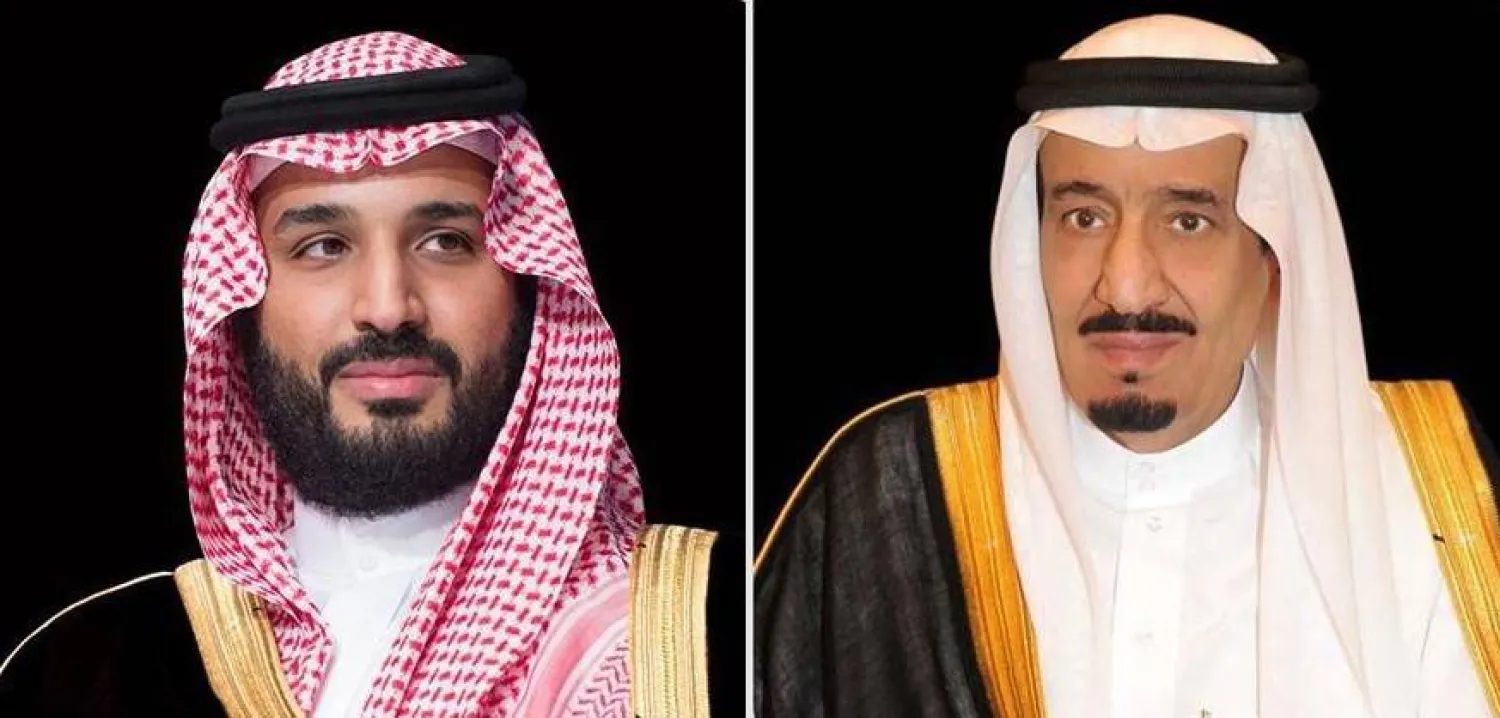
Custodian of the Two Holy Mosques King Salman bin Abdulaziz Al Saud and Prince Mohammed bin Salman bin Abdulaziz Al Saud, Crown Prince and Prime Minister. (SPA)
TT

Saudi Leadership Provides Two Donations Worth SAR150 Mln Through Jood Eskan Platform

Custodian of the Two Holy Mosques King Salman bin Abdulaziz Al Saud and Prince Mohammed bin Salman bin Abdulaziz Al Saud, Crown Prince and Prime Minister. (SPA)

Custodian of the Two Holy Mosques King Salman bin Abdulaziz Al Saud and Prince Mohammed bin Salman bin Abdulaziz Al Saud, Crown Prince and Prime Minister, have provided two generous donations amounting to SAR150 million through the Jood Eskan platform.

The move aligns with the leadership's commitment to supporting all national efforts and initiatives to provide suitable housing for deserving families.

Minister of Municipalities and Housing and Chairman of the Board of Trustees of the Developmental Housing Foundation (Sakan) Majed Al-Hogail expressed his deep gratitude to the leadership for its unwavering support to all national efforts and initiatives aimed at providing suitable housing for eligible families across the Kingdom.

He noted the effective impact of previous generous donations in achieving the goals of housing development, and motivating individuals and institutions to donate through the Jood Eskan platform that is based on community giving that helps provide decent housing and boosts stability and quality of life for deserving families.


Saudi Crown Prince Receives Message on Bilateral Ties from President of Kazakhstan

Prince Mohammed bin Salman bin Abdulaziz Al Saud, Saudi Crown Prince and Prime Minister. (SPA file)
TT

Saudi Crown Prince Receives Message on Bilateral Ties from President of Kazakhstan

Prince Mohammed bin Salman bin Abdulaziz Al Saud, Saudi Crown Prince and Prime Minister. (SPA file)

Prince Mohammed bin Salman bin Abdulaziz Al Saud, Saudi Crown Prince and Prime Minister, received on Tuesday a written message from President of Kazakhstan Kassym-Jomart Tokayev on bilateral relations between their two countries.

The message was received by Minister of Foreign Affairs Prince Faisal bin Farhan bin Abdullah during a meeting with his Kazakh counterpart Yermek Kosherbayev in Riyadh.