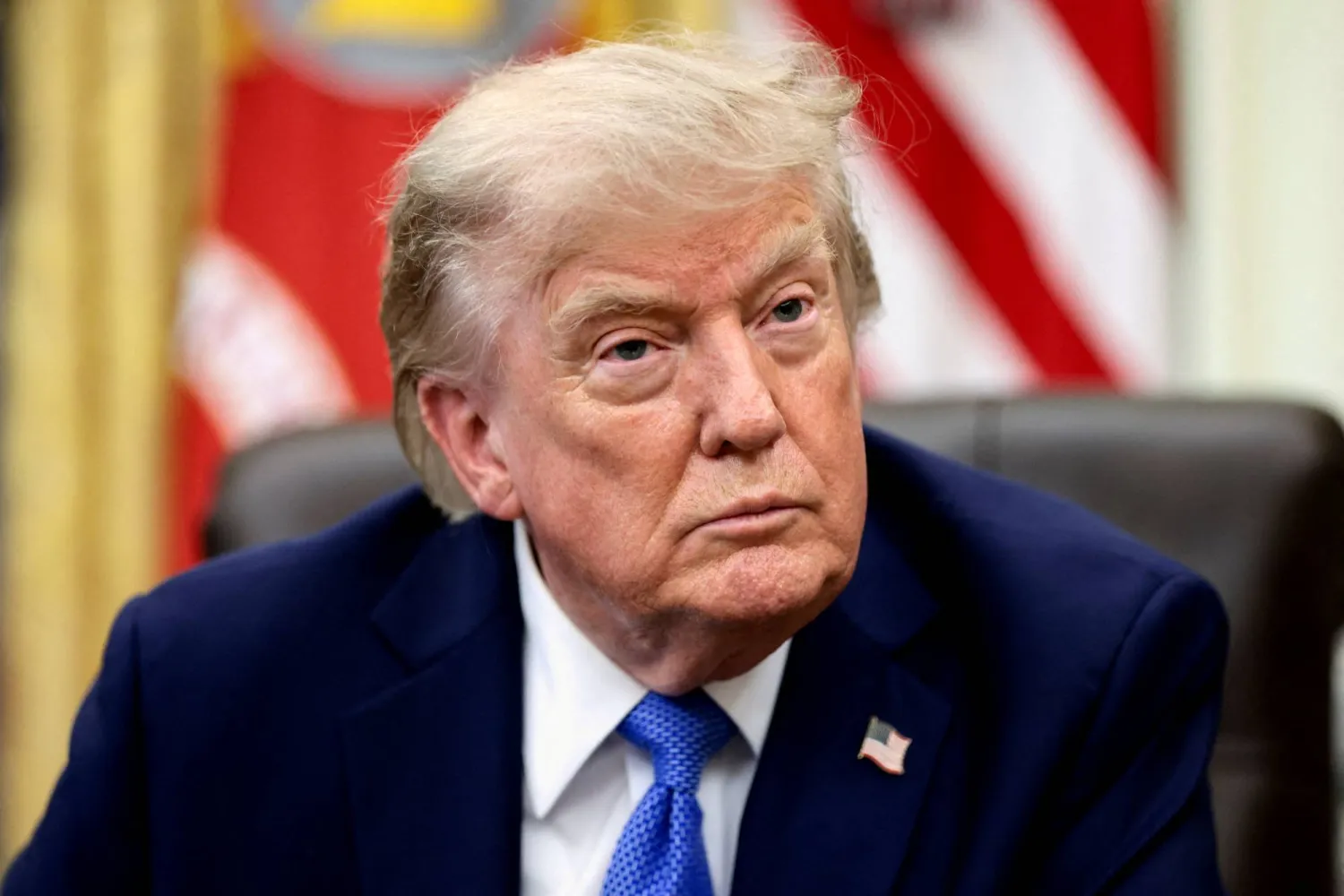
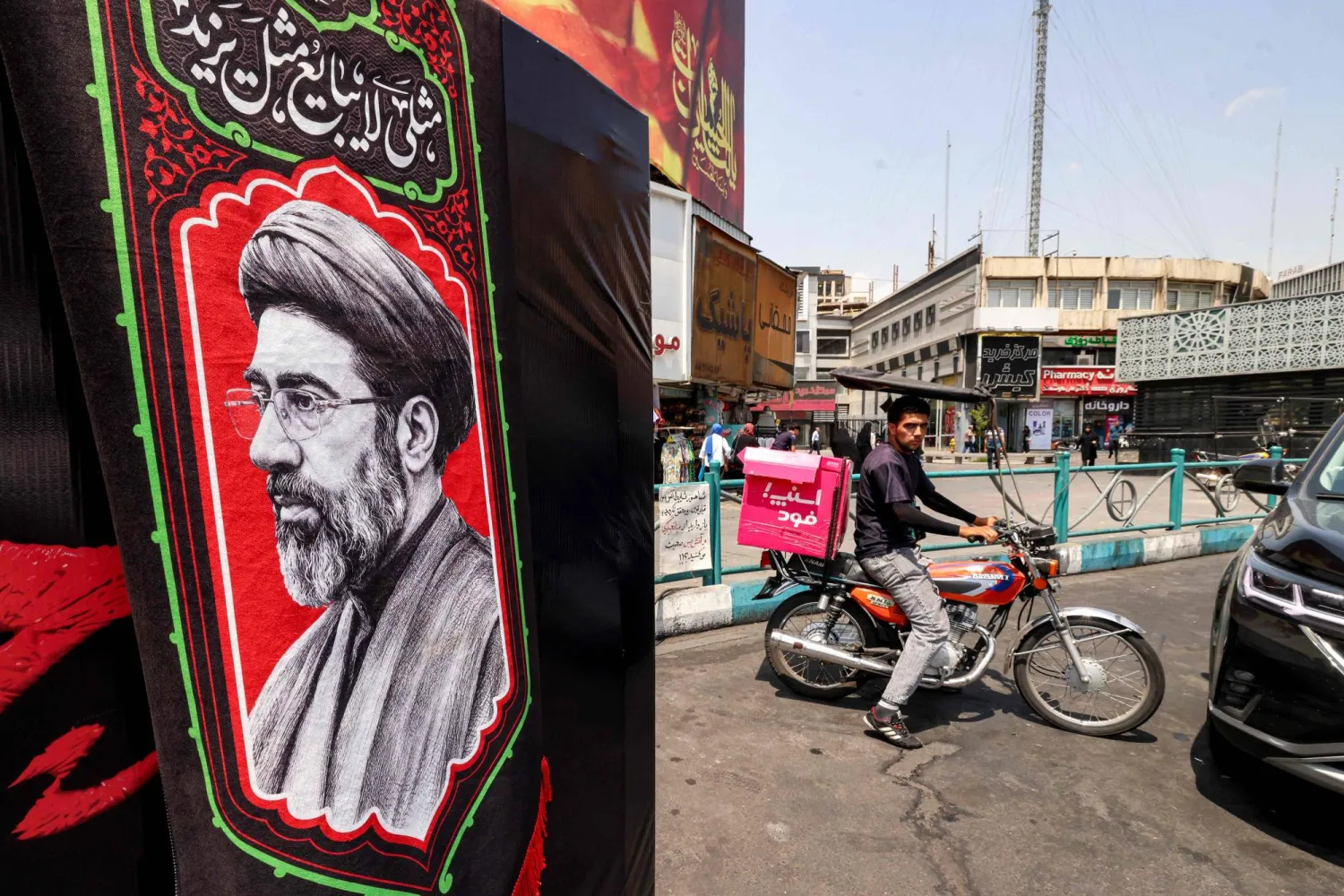
US President Donald Trump on Monday demanded Iran pay compensation for the deaths of people he said it had killed in wars, attacks and protests, raising the rhetorical stakes with Tehran as hopes faded for an imminent deal to reopen the Strait of Hormuz.
Trump said he was responding to Iran's earlier call for Washington to meet conditions, including recompensing Tehran for the damage caused in the more than five months since the US and Israel launched strikes on its territory.
"I am likewise demanding compensation from Iran, for all of the people that they have killed and gravely wounded with their roadside bombs and many conflicts, for which they are famous," Trump wrote on his Truth Social service.
The abrupt new US demand was not mentioned in any previous talks. Trump said it would be included in all future negotiations with Iran, and would include calls for payments to families of hundreds of thousands of protesters he said Iran had killed.
He also suggested Iran should compensate "families of those killed on the USS Cole", a reference to the October 12, 2000, attack on that naval vessel in Yemen which killed 17 US sailors, and has been blamed on al-Qaeda, not Iran.
Iran had earlier said it was nearing a final pact with Oman defining new shipping lanes between them through the Strait of Hormuz but repeated that the US must meet conditions, including compensation and an end to sanctions and military threats before the key waterway is reopened.
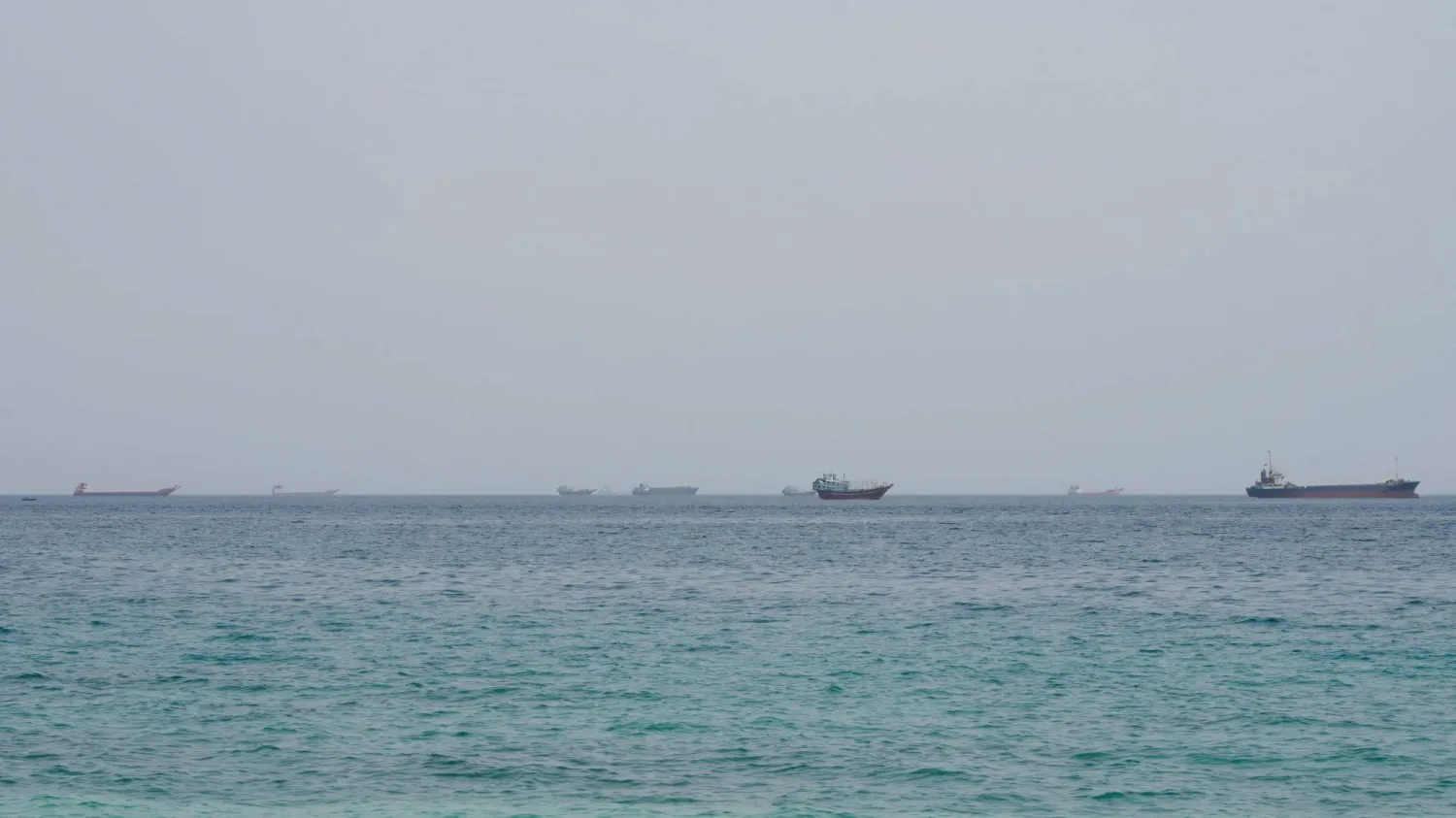
The strait, through which about a fifth of global oil and liquefied natural gas flowed prior to the conflict, has been effectively blocked since the US-Israeli attacks on Iran on February 28, pushing up oil prices and inflation.
Oil prices had jumped 3% after the statement from Iranian Foreign Ministry spokesman Esmaeil Baghaei, as initial optimism about a potential deal over the strait was tempered by Iran's talk of conditions. Brent crude extended gains to trade up 4.25% at 1720 GMT.
Dutch and British front-month gas prices rose more than 10%.
Trump, who has said the attacks on Iran were aimed at keeping Tehran from developing nuclear weapons and degrading its ability to threaten the region, is under pressure to end a war that is deeply unpopular at home ahead of midterm elections in November.
Washington and Tehran agreed to a ceasefire in June, but the US reimposed a blockade on Iranian shipping in the Gulf in July, a move that Tehran said violated the truce, which by then had already broken down.