Saudi Arabia Takes Banking Industry Leap by Approving Digital Bankshttps://english.aawsat.com/home/article/3044876/saudi-arabia-takes-banking-industry-leap-approving-digital-banks
Saudi Arabia Takes Banking Industry Leap by Approving Digital Banks
Saudi Arabia approves issuing licenses to two digital banks (Asharq Al-Awsat)
Keeping up with aspirations for developing the Saudi finance sector, the Saudi Cabinet gave the Kingdom's finance minister the green light to issue licenses for the country's first digital banks.
On Tuesday, in a virtual meeting chaired by King Salman, the Cabinet approved the finance minister issuing the necessary licenses for STC Bank and Saudi Digital Bank, both under establishment.
First, STC Pay will be converted into a local digital bank, STC Bank, with a capital of SAR2.5 billion ($666 million). Second, several companies and investors will establish a local digital bank, Saudi Digital Bank, to conduct banking business in the Kingdom, with a capital of SAR1.5 billion ($400 million).
The state economy and the public and private sectors benefit from digital banks' presence, specialists confirmed to Asharq Al-Awsat.
Today, Saudi Arabia is preparing for the future by evolving its financial sector through supporting drafting and passing required legislation and developing the desired digital and technical infrastructure.
Finance Minister Mohammed Al-Jadaan said that the Cabinet's approval is in line with the Saudi Financial Development Program (SFDP), which is part of the Kingdom's massive economic reform plan known as Saudi Vision 2030.
These objectives seek to develop a more efficient digital infrastructure while encouraging entrepreneurship and creating job opportunities in the financial sector, he said.
Moreover, the finance minister pointed out that the SFDP has worked on mapping a strategy for the whole financial sector from 2021 to 2025.
This strategy includes many initiatives related to financial technology that grow the national economy and diversify sources of income.
Saudi Arabia's Vision 2030 goals include developing the digital economy and enabling financial companies to support the growth of the private sector.
Last year, the Saudi Central Bank (SAMA) licensed 16 financial technology companies to provide payment services, consumer microfinance, and electronic insurance brokerage.
For his part, SAMA Governor Fahad bin Abdullah Al-Mubarak clarified that with the Cabinet's approval, SAMA would recommence its work to finalize technical and operational requirements for both STC Bank and the Saudi Digital Bank.
This will allow both establishments to kickstart their banking activities in the Kingdom.
The governor also drew attention to the fact that digital banks are subject to supervision and controls applied currently to commercial banks operating in the Kingdom, but with an increased focus on technology, cybersecurity, anti-money laundering measures, and tracking terrorist financing as operational risks.
Al-Mubarak pointed out that digital banks provide services and products exclusively through e-channels and adopt an innovative and sustainable banking business model that enhances financial inclusion and keeps pace with cutting-edge tech developments in the financial sector.
From Supply Security to Artificial Intelligence: Issues Bringing Global Energy Leaders Together in Riyadhhttps://english.aawsat.com/business/5327968-supply-security-artificial-intelligence-issues-bringing-global-energy-leaders
From Supply Security to Artificial Intelligence: Issues Bringing Global Energy Leaders Together in Riyadh
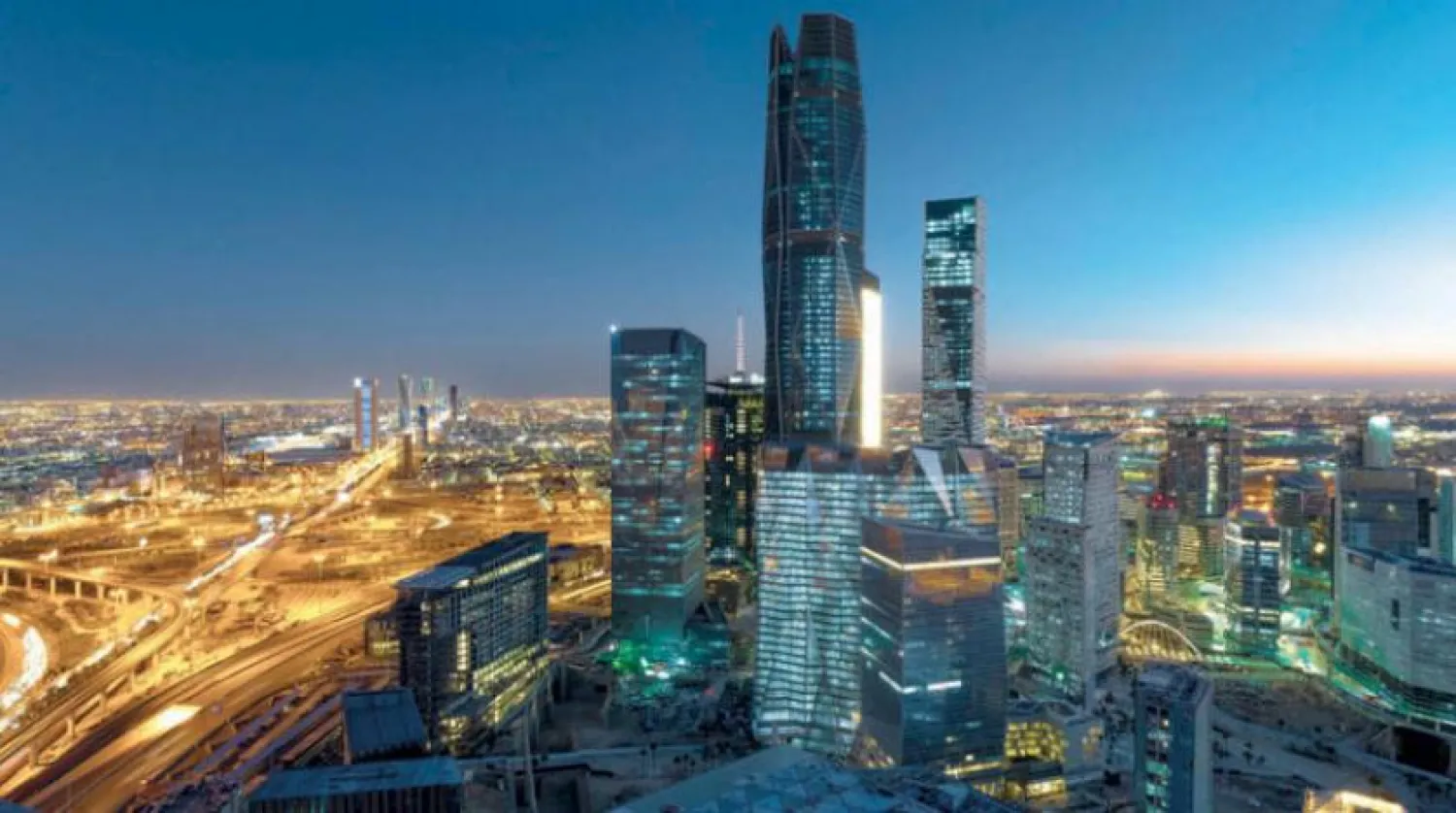
The Saudi capital Riyadh. Reuters
The global energy sector is turning its attention to Riyadh starting Sunday, as a week of ministerial meetings and international events gets underway, bringing together senior government officials, energy industry leaders, international organizations, and experts, with the participation of Saudi Arabia's Minister of Energy and Minister of Industry and Mineral Resources, Prince Abdulaziz bin Salman, according to the announced program.
These meetings come at a time of heightened geopolitical tensions and risks surrounding the Strait of Hormuz, which have raised questions about the security of oil and gas flows, infrastructure resilience, and export routes.
Saudi Arabia's East-West Pipeline, which transports crude oil from the Eastern Province to the Red Sea port of Yanbu, stands out as a route that allows oil exports to bypass the strait and strengthens the resilience of the Kingdom's export system against disruptions to maritime navigation.
The agenda for Riyadh Energy Week extends beyond supply security to include investment needs, growing electricity demand, and the accelerating deployment of artificial intelligence and digital technologies across the energy sector, reflecting both the challenges and opportunities facing the industry.
The week-long program, running from October 11 to 15, includes the 17th International Energy Forum (IEF17) Ministerial Meeting, ministerial meetings focused on clean energy and innovation, the main program of the 25th WPC Energy Congress, its accompanying exhibition, and a series of technical events organized by the Organization of Arab Petroleum Exporting Countries (OAPEC).
Saudi Arabia is hosting the 25th WPC Energy Congress for the first time in the event's more than nine-decade history. The gathering will attract ministers, government officials, energy company executives, representatives of international organizations, experts, and specialists from around the world. The event combines strategic sessions, ministerial dialogues, a technical program, and an international exhibition showcasing technologies and solutions related to the energy sector.
The significance of Energy Week lies not only in the diversity of its meetings and participants but also in the extent of issues confronting policymakers and companies at a time when ensuring supply security and market stability has become increasingly critical. These priorities must be pursued alongside meeting investment requirements, improving energy efficiency, and advancing technology.
The discussion is not only about the energy sources the global economy will require, but also about how that energy will be produced, transported, financed, and supplied at an affordable cost while keeping pace with changing consumption and demand patterns.
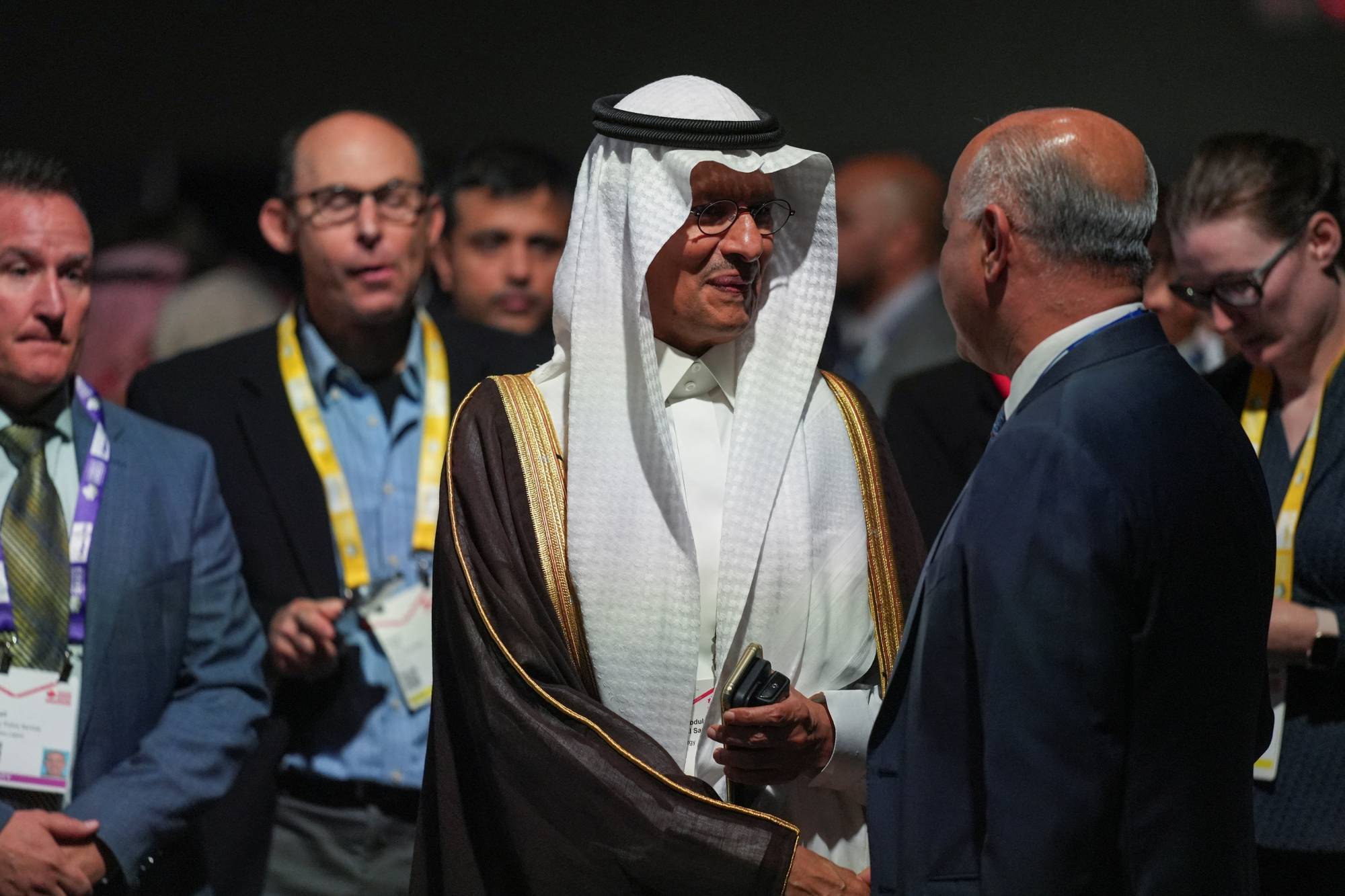
Saudi Minister of Energy and Minister of Industry and Mineral Resources Prince Abdulaziz bin Salman. Reuters file photo
Ministerial Meeting Opens Energy Security Week
The main events begin on Sunday with the IEF17 Ministerial Meeting under the theme "Energy Security and Shared Goals in a New Era," hosted by Saudi Arabia in partnership with Italy and Nigeria.
The meeting will bring together energy-producing and energy-consuming countries to discuss common challenges and strengthen dialogue on market stability, supply security, and long-term investment. These issues have gained increasing importance amid geopolitical risks that could affect supply chains, infrastructure, and the investment needed to accommodate growing demand in energy markets.
The agenda includes enhancing coordination between producing and consuming nations, developing trade and investment frameworks, and accelerating access to affordable clean-energy technologies in ways that support economic resilience, competitiveness, and development objectives.
The role of infrastructure, transportation networks, and trade routes in strengthening the resilience of energy markets will also feature prominently, alongside the importance of clear policies and stable regulatory frameworks in encouraging long-term investment across all stages of the energy supply chain.
WPC Energy Congress
The official program of the WPC Energy Congress kicks off on Monday and will run through Thursday, under the theme “Pathways to an Energy Future for All.”
The congress is one of the central pillars of Riyadh Energy Week, featuring ministerial and strategic sessions, dialogues with energy industry leaders, a specialized technical program, and an exhibition where companies can showcase technologies, solutions, and projects.
The agenda spans a wide range of topics, including energy security, oil and gas markets, investment, financing, digital transformation, artificial intelligence, critical minerals, carbon management, natural gas, and the future of the global energy mix.
The significance of the congress lies in its ability to bring together traditional energy market issues and the technological and environmental transitions that are reshaping investment decisions. Oil and gas will remain at the heart of discussions on demand, supply, and production capacity, alongside growing interest in electricity, digital technologies, resource efficiency, and emissions management.
The participation of executives from major companies, including Saudi Aramco, ExxonMobil, Chevron, Shell, and BP, will provide insights into the industry's outlook on investment, production, demand, and technology.
The discussions are particularly important given the close link between investment decisions and market expectations, prices, financing costs, geopolitical risks, regulatory changes, and technological developments that influence the viability of long-term projects.
The conference theme, “Pathways to an Energy Future for All,” reflects the diversity of options needed to meet global energy needs in light of varying national resources and economic priorities. As a result, affordability, supply reliability, and infrastructure development are placed at the center of the debate, alongside sustainability requirements and emissions reduction goals.
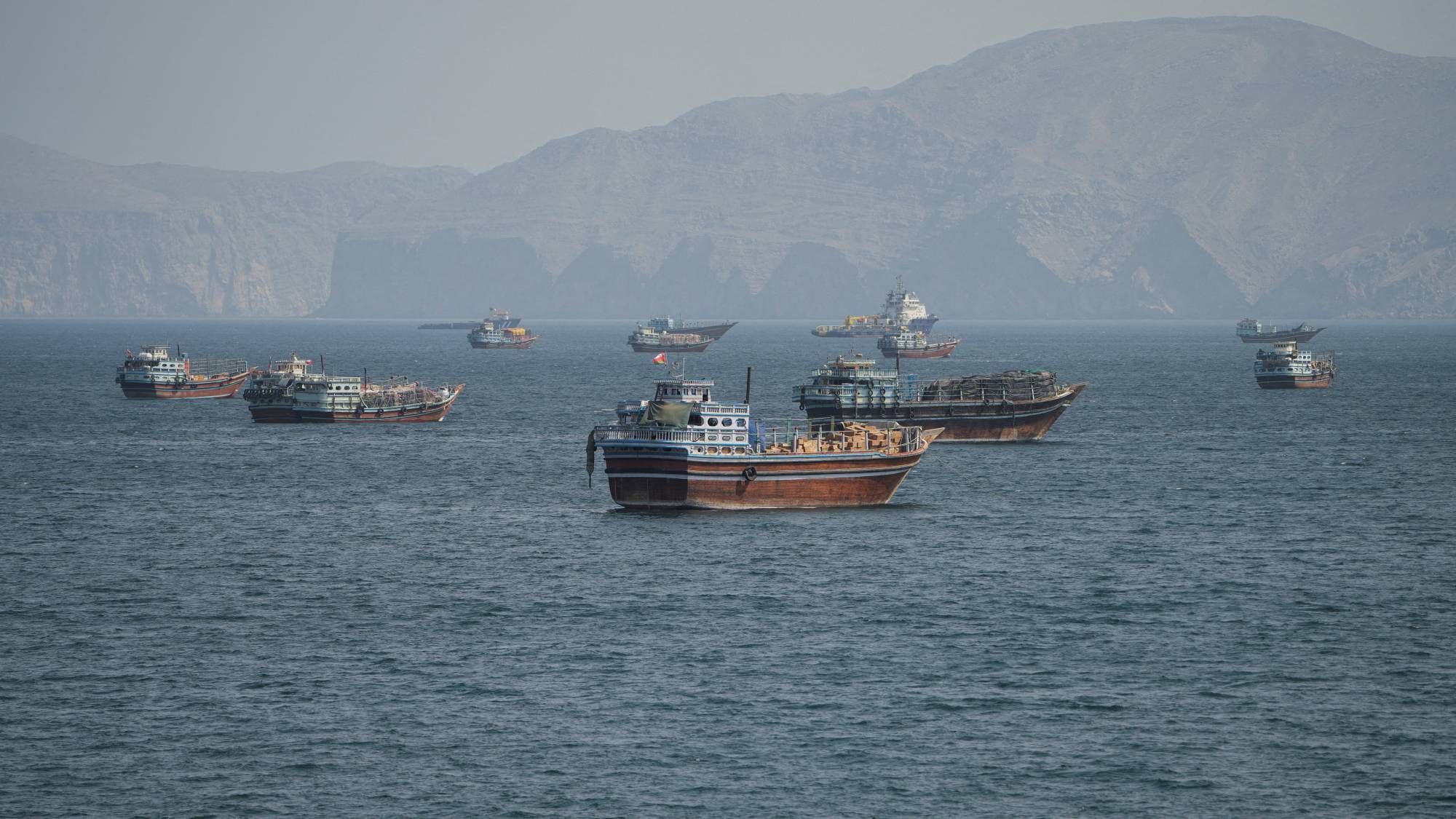
FILE PHOTO: Vessels at the Strait of Hormuz, as seen from Musandam, Oman, October 2, 2026. REUTERS/Stringer/File Photo
Clean Energy and Innovation on Ministers’ Agenda
Alongside the IEF17 Ministerial Meeting, Riyadh will host the 17th Clean Energy Ministerial (CEM17) from October 11 to 13, in parallel with the 11th Mission Innovation Ministerial (MI-11), which is focused on accelerating innovation in clean energy technologies.
The meetings will address innovation, international cooperation in developing clean energy technologies, and expanding their deployment. These issues are gaining economic importance as the need for new investments grows, electricity demand rises, and countries seek to reduce emissions without compromising supply security or economic competitiveness.
The key challenge remains how to translate initiatives and commitments into funded projects and large-scale applications that can demonstrate measurable impacts on the efficiency and cost-effectiveness of energy systems.
International Energy Exhibition
Running in parallel with the conference, the exhibition accompanying the congress opens on Monday and continues through Thursday, serving as the practical and commercial dimension of Riyadh Energy Week.
The exhibition provides companies with an opportunity to showcase energy-related technologies, solutions, and projects, while engaging with investors, policymakers, and service providers. It brings together organizations operating across production, engineering services, infrastructure, digital technologies, and environmental solutions.
The importance of the exhibition lies in its role as a platform for comparing market offerings and following developments in applications aimed at improving production efficiency, streamlining operations, upgrading infrastructure, managing emissions, and leveraging data and advanced technologies. It can also serve as a venue for strengthening business relationships and exploring opportunities for collaboration between companies and institutions.
From an economic perspective, the exhibition offers insight into how innovation moves from the demonstration and pilot stage to real-world implementation and investment. Technology derives its value not merely from its novelty, but from its ability to reduce costs, improve efficiency, enhance supply reliability, or mitigate operational risks.
This aspect is becoming increasingly important as artificial intelligence and digital systems are more widely deployed in industrial operations and power-grid management, and as demand grows for solutions that improve energy efficiency and support supply stability. The participation of companies also provides an opportunity to identify areas attracting investor interest and to assess the challenges associated with scaling up the adoption of new technologies.
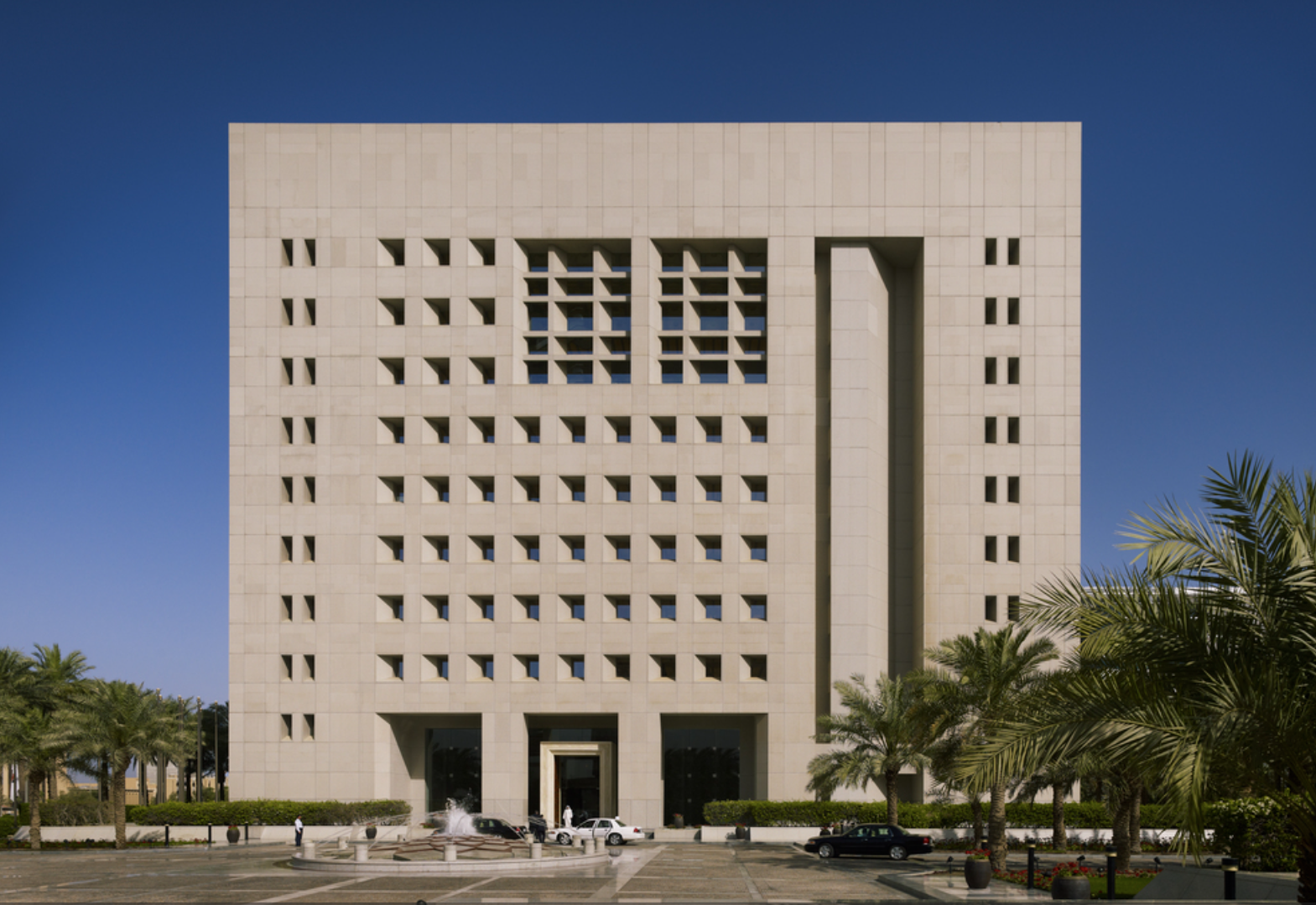
Organization of Arab Petroleum Exporting Countries (OAPEC). Kuna
OAPEC and Energy Transitions
Issues related to energy transitions and their impact on Arab oil- and gas-producing economies will also feature prominently during Energy Week through events organized by OAPEC. These events will examine the economic, social, and environmental dimensions of these transitions, as well as pathways for reducing emissions in the petroleum industry.
The program begins with a high-level workshop on Tuesday, followed by a technical symposium on October 14 and 15. Announced topics include the drivers of global energy transitions, their effects on the economies of Arab oil-producing countries, and their broader social and environmental implications.
The events will also include the third symposium on pathways for reducing carbon emissions in downstream petroleum industries, organized by the Saudi Ministry of Energy in cooperation with OAPEC. The symposium will highlight innovations and technological solutions that can help reduce emissions and advance sustainability in these industries.
These issues carry significant economic importance for Arab producing countries, given the central role of oil and gas in government revenues, exports, investment, and employment. Transformations in energy markets and in the technologies used for production, refining, and manufacturing influence operating costs and competitiveness, while also shaping the need to modernize industrial assets and invest in advanced technologies.
They also raise questions about the ability of these economies to adapt to changing export markets and diversify sources of income, particularly given the disparities in resources, financial capabilities, and infrastructure across Arab countries.
Artificial Intelligence and Electricity Demand
One of the topics warranting particular attention during Energy Week is the relationship between the expansion of artificial intelligence and rising electricity demand, along with the resulting need to develop generation capacity, transmission and distribution networks, and supporting infrastructure.
The growth of data centers and digital applications not only increases electricity consumption but also heightens the importance of reliable power supplies and the ability to meet rising loads. This raises questions about how investment should be allocated among expanding generation capacity, modernizing grids, developing energy-storage solutions, and managing demand.
It also highlights the roles of natural gas, renewable energy, and other energy sources in meeting emerging needs. At the same time, digital systems provide opportunities to improve demand forecasting, asset management, and operational efficiency.
The participation of companies operating in the energy and digital technology sectors offers a chance to examine applications that have already reached commercial deployment, as well as projects still under development, together with corporate assessments of investment costs and expected returns. This issue is particularly important given the need to balance digital expansion with the cost of providing electricity and the infrastructure required to sustain it.
For Saudi Arabia, this topic underscores the integration between the development of the energy sector, the rapid growth of the digital economy, and the emergence of new industries.
It creates opportunities to expand investment, develop infrastructure, and improve resource efficiency. This interconnection further reinforces the importance of the energy sector in supporting new economic activities, keeping pace with technological advancement, and laying the foundations for growth in the years ahead.
Riyadh's hosting of these meetings reflects the expanding international dialogue on the future of energy at a time of accelerating technological transformation, growing investment opportunities, and increasingly diverse market needs.
The expected discussions will provide valuable insight into how governments and companies are seeking to develop the global energy system, strengthen international cooperation, and leverage new technologies in ways that enhance supply reliability, improve resource efficiency, and support economic growth.
Oil Falls as Trump Comments on Iran Talks Ease Supply Concernshttps://english.aawsat.com/business/5327655-oil-falls-trump-comments-iran-talks-ease-supply-concerns
FILE PHOTO: A drone view shows the Portuguese flagged oil and chemical tanker ship CB Pacific docked at the Moran Shipping Agencies’ Citgo Petroleum Quincy/Braintree Terminal, March 18, 2026. REUTERS/Brian Snyder/File Photo
Oil Falls as Trump Comments on Iran Talks Ease Supply Concerns
FILE PHOTO: A drone view shows the Portuguese flagged oil and chemical tanker ship CB Pacific docked at the Moran Shipping Agencies’ Citgo Petroleum Quincy/Braintree Terminal, March 18, 2026. REUTERS/Brian Snyder/File Photo
Oil prices fell on Friday as Middle East supply concerns eased after US President Donald Trump said the country would not attack Iran before US elections next month, amid productive talks to end their war that has disrupted global energy markets.
Brent crude futures dropped $1.68, or 1.61%, to $102.6 a barrel by 0819 GMT. US West Texas Intermediate (WTI) crude futures fell $1.31, or 1.43%, to $90.18, Reuters reported.
On a weekly basis, Brent prices are set to rise after settling 4% higher on Thursday, while WTI is set for a slight decline.
The US President’s pledge not to renew military attacks on Iran before the midterm elections along with China’s resumption of product exports were moving prices lower, PVM Oil Associates analyst Tamas Varga said.
Yet, the escalation of atrocities in the Arabian Gulf and around the Red Sea “has dashed hopes that swelling oil exports from the region will be sustainable and, as such, a protracted fall in oil prices in the foreseeable future seems implausible."
On Thursday, Trump said Washington was having "productive discussions" with Iran and said no attack was planned before the November 3 midterm congressional elections after media reports that he was considering an attack before then.
Iran's Tasnim news agency reported the same day that Foreign Minister Abbas Araqchi said Tehran is reviewing the US response to its proposal that would reopen the Strait of Hormuz within seven days.
"The prospect of easing tensions still needs to be reinforced by concrete progress in negotiations and improvements in shipping safety through the Strait of Hormuz," said XS.com analyst Linh Tran.
The US is still pressuring Iran economically to try to end the war, now in its eighth month, imposing sanctions on Thursday targeting individuals, networks and 17 vessels for transporting Iranian crude, oil products and petrochemicals.
Prices have been volatile this week as threats to shipping in the Gulf and the Strait of Hormuz, which carried shipments equal to about 20% of global oil and fuel before the war, have increased in October.
The Middle East war and the conflict between Russia and Ukraine have disrupted supplies of refined fuels such as gasoline, jet fuel and especially diesel fuel.
The oil market is also contending with Hurricane Isaias in the Gulf of Mexico. Because of the storm, producers there have shut in about 1.3 million barrels per day, or 62.9%, of current oil production as of Thursday, according to the US Marine Minerals Administration.
"This disruption provides additional support for oil prices, but the duration of its impact will depend on post-storm facility inspections and the pace of operational recovery," Tran said.
London Copper Rises on Supply Risks, China Buyinghttps://english.aawsat.com/business/5327654-london-copper-rises-supply-risks-china-buying
Stacks of copper cathodes sit inside Glencore's Canadian Copper Refinery in Montreal, Quebec, Canada on October 3, 2026. (Photo by ANDREJ IVANOV / AFP)
Stacks of copper cathodes sit inside Glencore's Canadian Copper Refinery in Montreal, Quebec, Canada on October 3, 2026. (Photo by ANDREJ IVANOV / AFP)
London copper rose on Friday, recovering from the previous session's loss, as mine disruptions and buying in top consumer China supported prices.
Benchmark three-month copper on the London Metal Exchange was up 1.16% at $14,475 a metric ton by 0700 GMT, after dropping 1.15% in the previous session. It has climbed 1.52% so far this week, Reuters reported.
The most-traded copper contract on the Shanghai Futures Exchange fell 0.57% to 110,110 yuan a ton, tracking overnight losses in London.
"Copper is near record levels, supported by supply-side issues," Daniel Hynes, senior commodity strategist at ANZ, said in a note.
The Yangshan copper premium <SMM-CUYP-CN> - a gauge of China's appetite for imported copper - ose to $125 a ton, its highest since November 2022, on Thursday, when China returned from a week-long holiday.
Copper in SHFE-monitored warehouses <CU-STX-SGH> increased by 20,000 tons (51.6%) during the shortened week, but stocks at 58,744 tons nonetheless remain thin.
A workers' union at Antofagasta's Centinela copper mine in Chile said their ongoing strike would begin to weigh on outputin November. Antofagasta earlier downplayed the impact of the strike.
Disruptions at other mines added to already heightened supply risk, while stocks outside the US have fallen as copper has been pulled into the country ahead of potential tariffs on refined copper imports.
The dollar index, which measures the greenback against a basket of other currencies, nudged lower. Oil prices also edged down on Friday.
Both had earlier in the week weighed on industrial metals.
A stronger dollar makes commodities more expensive for buyers using other currencies, while elevated energy prices threaten to stoke inflationary concerns and weigh on economic activity.
Among LME metals, aluminium gained 0.79%, zinc gained 1.25%, lead gained 0.7%, nickel gained 0.66% and tin gained 0.96%.
On the SHFE, aluminium lost 0.49%, zinc lost 1.12%, lead lost 1.45%, nickel lost 0.38% and tin dropped 4.23%.
لم تشترك بعد
انشئ حساباً خاصاً بك لتحصل على أخبار مخصصة لك ولتتمتع بخاصية حفظ المقالات وتتلقى نشراتنا البريدية المتنوعة