
The European Union launched a media platform to confront the misleading and false information about the EU and "the West" spread by the representatives of the Syrian regime and their allies.
In an attempt to influence public opinion and mobilize voters during the Syrian elections last month, representatives of the Syrian regime and their allies spread misleading and false information about the European Union (EU) and "the West."
"Their main goal is to conceal the impact of their actions and hold the outside world responsible for the suffering of the Syrian population and the grave mismanagement of the country," read the statement.
Syrian regime officials and their allies claim that EU sanctions are a "collective punishment of the Syrian population" and that the West wants to "prevent refugees from returning to Syria."
They also claimed that the West supports terrorist organizations in Syria and manipulated international bodies such as the Organization for the Prohibition of Chemical Weapons (OPCW) to accuse the regime of using chemical weapons.
Right after the "presidential elections," regime-affiliated outlets and figures also launched a fallacious media campaign claiming that the EU is preparing the grounds to normalize relations with the Syrian regime.
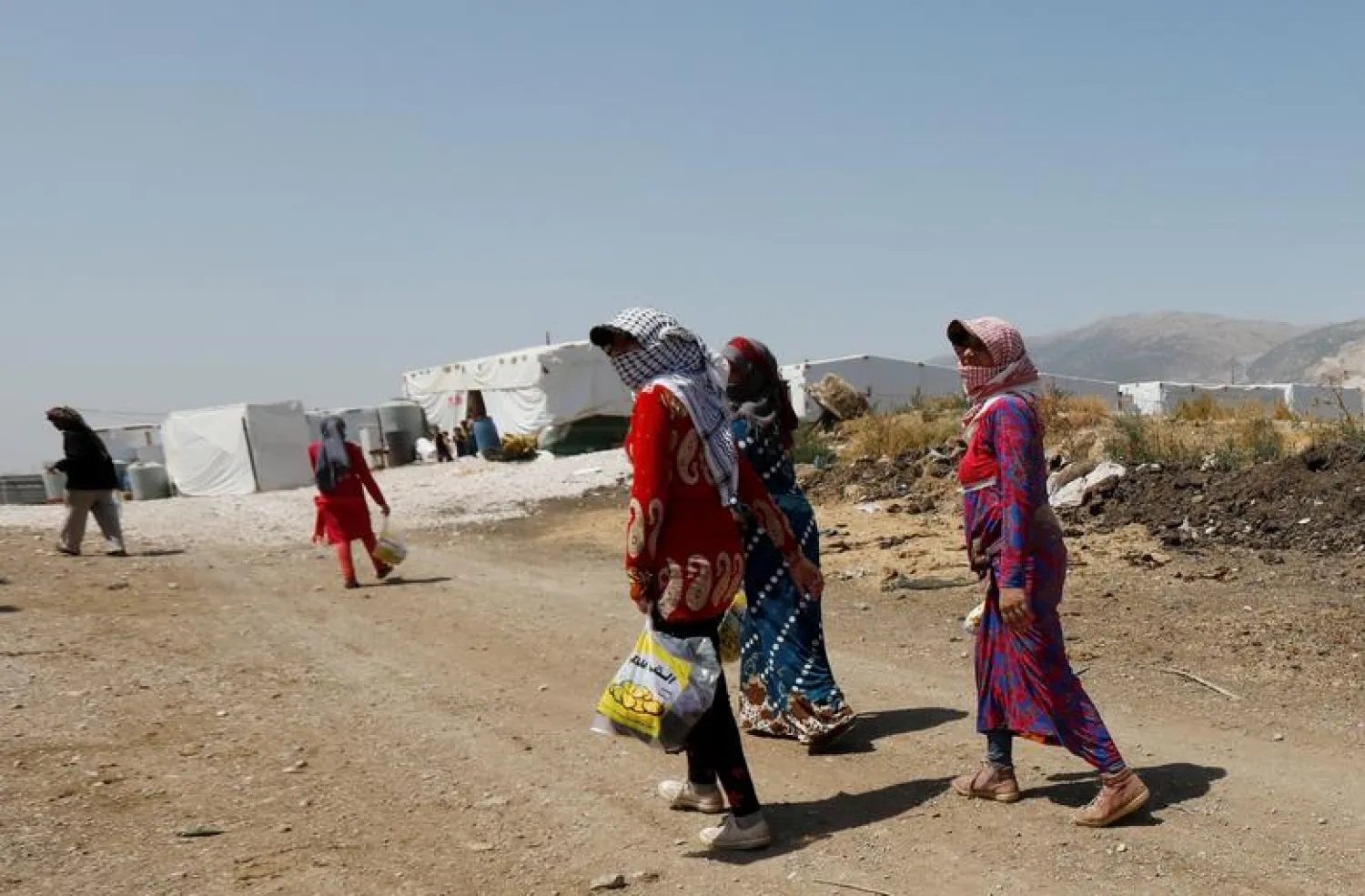
The website also addressed the myth that Syria is safe for refugees to return, saying, "very few Syrians dare return to their country. There have been many instances of arrests, disappearance, mistreatment by the security forces, and sometimes forced conscription."
"Over 5.5 million Syrians had to seek refuge in other countries to escape the horrors of the war."
In response to the statement that the Union and the West are waging an economic war against Syrians, the website noted that Bashar al-Assad said it "himself in November 2020: "The current crisis is not linked to the 'siege' and it started years after the 'siege'."
EU sanctions against the Syrian regime were in place and mostly unchanged since 2011 due to the brutal repression of the civilian population.
"They have been recently renewed until 1 June 2022. The list now includes 283 persons and 70 entities, targeted by both an asset freeze and a travel ban, as well as some sectoral sanctions targeting the sources of income of the war economy."
The EU asserted that there is no humanitarian and trade embargo on Syria. EU goods have been flowing freely into the country until 2019.
"Trade then went down because of the collapse of Lebanon's banking sector, that was Syria's main trade and financial gateway to the world, but EU consumer goods and medicines are not subject to sanctions and continue to enter the country."
The EU has been by far the largest provider of support to Syrians throughout the past ten years. "We have collectively mobilized close to €25 billion of humanitarian, stabilization, and resilience assistance."
Regarding the claim that the EU and its Member States are taking steps to normalize relations with the Syrian regime, the website asserted that normalization is out of the question unless the Syrian regime engages in a political transition under UN resolutions.
"This includes ending the repression and freeing the tens of thousands of political detainees in its prisons."
Syrian officials launched a media campaign claiming that the European Union will be normalizing relations with Damascus since some EU member states had reopened their embassies, according to the website, asserting that there have been no changes to EU Member States' representation in Damascus in the wake of last May's election.
"The reopening of embassies in Damascus by a few Member States is not new. While each EU Member State has the sovereign right to decide about its diplomatic representation abroad, the presence of EU or Member States diplomats in Damascus does not mean the normalization of relations with the regime."