



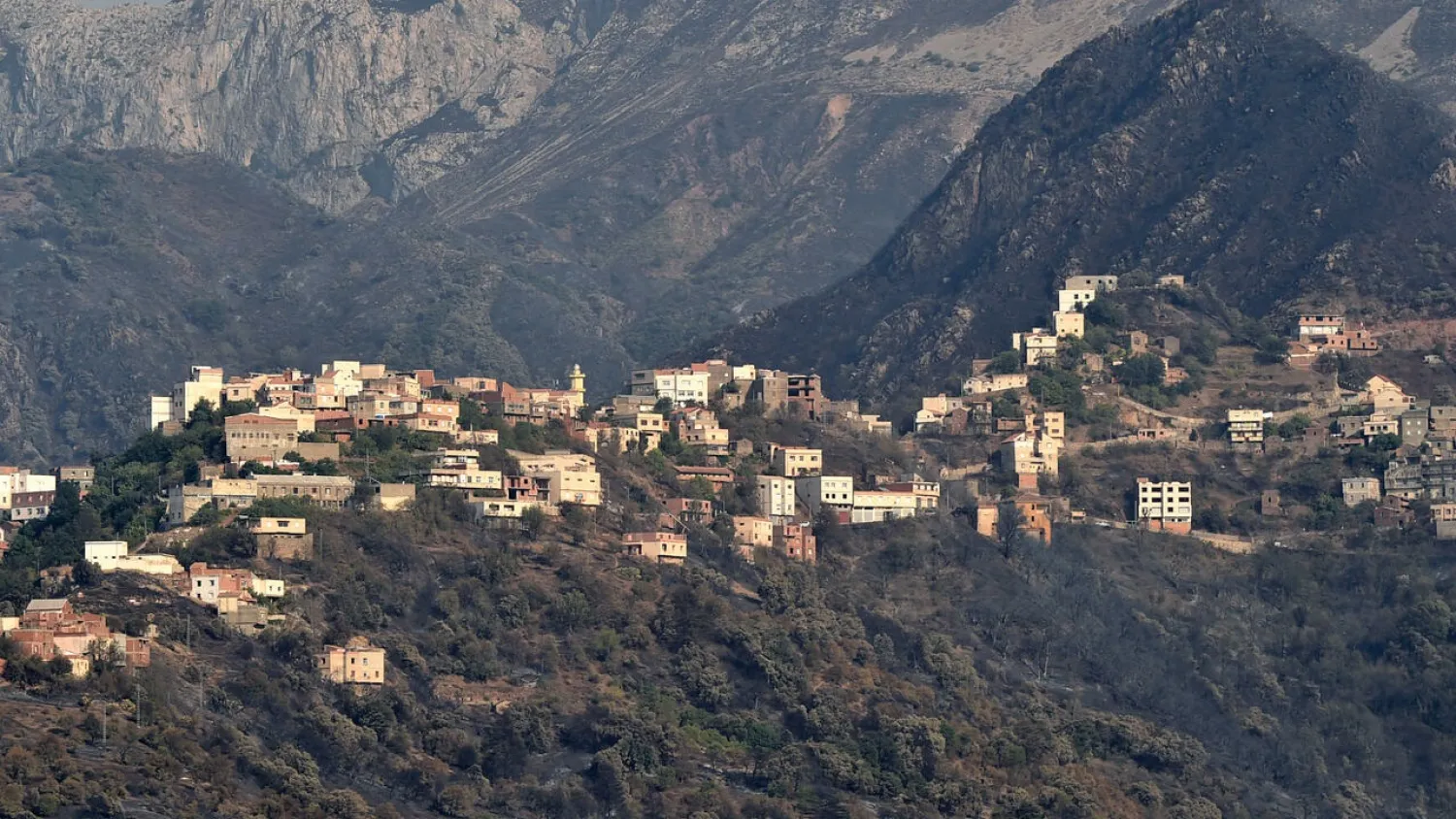

Algeria will review its relations with Morocco after accusing it of complicity in deadly forest fires, a presidency statement said Wednesday, in the latest tensions between the North African neighbors.
At least 90 people, including 33 soldiers, were killed in dozens of forest fires that broke out amid a blistering heatwave on August 9 across swathes of northern Algeria.
President Abdelmadjid Tebboune has said most of the fires were "criminal" in origin.
The decision to review relations with Rabat was made during an extraordinary meeting of the country's security council, chaired by Tebboune and dedicated to evaluating the situation after the fires.
"The incessant hostile acts carried out by Morocco against Algeria have necessitated the review of relations between the two countries," the presidency statement said.
It said there would also be an "intensification of security controls on the western borders" with Morocco.
The border between Algeria and Morocco has been closed since 1994.
The statement did not clarify what the review might mean.
Algeria's DGSN security agency said investigations had discovered "a criminal network, classed as a terrorist organization" as being behind the fires, according to the "admission of arrested members".
The president's office said police had arrested 22 people for starting the deadly fires, but said ultimate responsibility lay with the Islamist Rashad group and MAK, an autonomy movement for the mostly Amazigh-speaking Kabylie region.
Algeria designated both groups as terrorist organizations this year. The presidency said on Wednesday that MAK "gets support and help from foreign parties, particularly Morocco and the Zionist entity", referring to Israel.
Last month Algeria recalled its ambassador to Rabat after a Moroccan diplomat in New York called for the Kabylie people to have a right of self-determination.
Morocco's King Mohammed VI in a July speech called for better ties with Algeria and the opening of their long-closed borders. Rabat offered to send help to combat the fires but Algeria made no public response.


