


UAE Establishes National Human Rights Institution

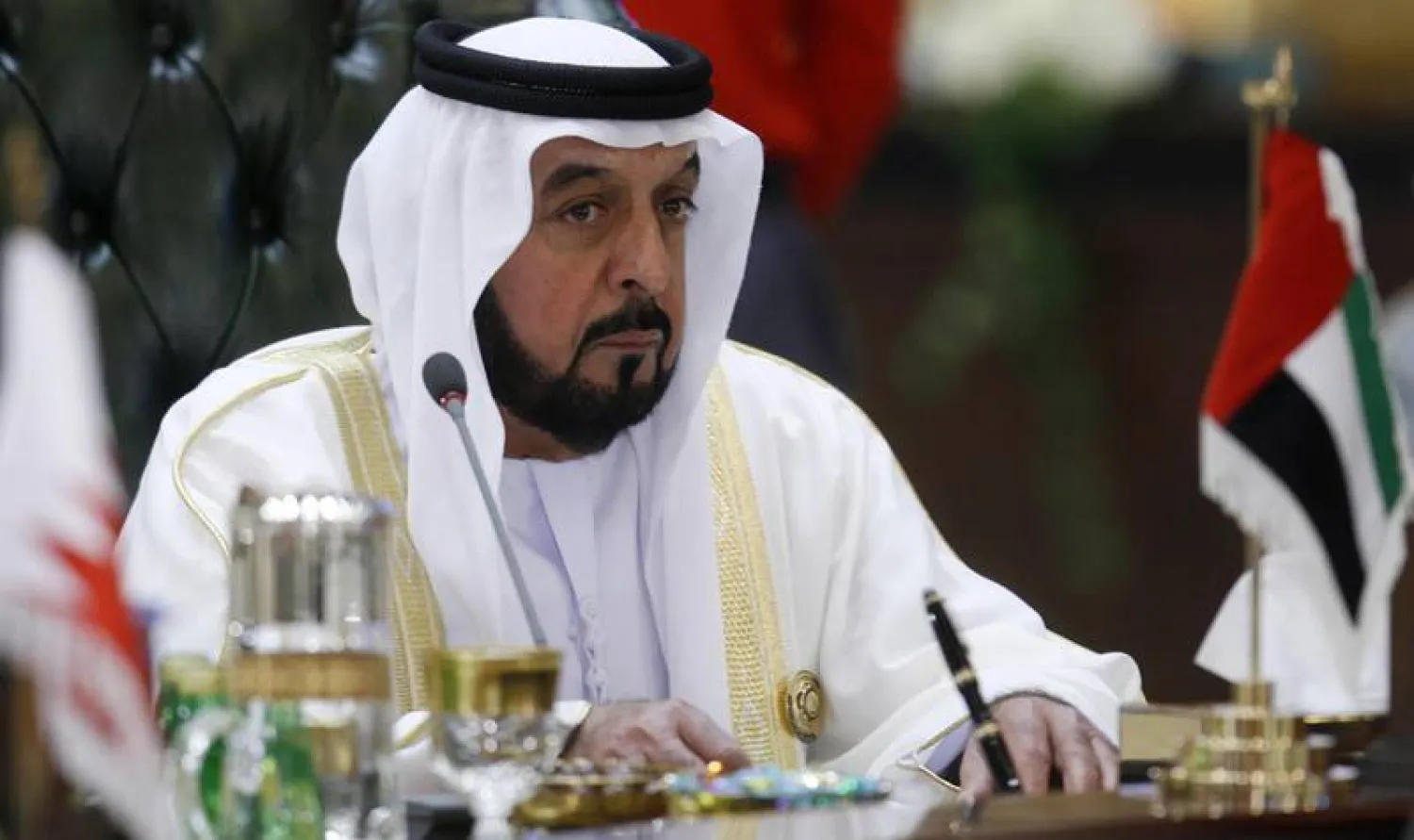
President Sheikh Khalifa said the new institution, based in Abu Dhabi, will promote and safeguard human rights. AFP
TT

UAE Establishes National Human Rights Institution

President Sheikh Khalifa said the new institution, based in Abu Dhabi, will promote and safeguard human rights. AFP

President Sheikh Khalifa bin Zayed Al Nahyan has set out plans to establish a National Human Rights Institution in the UAE.

To achieve its objectives, the NHRI shall participate, along with the relevant authorities, in the development of a national action plan to promote and protect human rights in the country, to propose a mechanism for its implementation, and to promote a culture of human rights and submit proposals, recommendations, and advice to the relevant authorities.

Sheikh Khalifa issued a federal law to set up the independent body, which will have its headquarters in Abu Dhabi.

As part of its blueprint for the future, the institution will provide information to authorities on whether national laws are aligned with international treaties and conventions on human rights to which the UAE is a signatory.

It will track human rights breaches and report them to relevant authorities.

The institution could open further branches across the country as part of a long-term vision to advance human rights.

The institution shall be an independent legal entity, which has financial and administrative autonomy in the exercise of its functions, activities, and competencies.

The NHRI aims to promote and protect human rights and fundamental freedoms following the provisions of the UAE Constitution, laws and legislation in force in the UAE, as well as relevant international conventions.

The federal law issued by Sheikh Khalifa states that the NHRI should have a board of trustees comprising at least 11 people, half of whom will work on a full-time basis.

The term of membership of the NHRI shall be four years, renewable once, beginning from the date of the issuance of the resolution.

The human rights institutions that are established per the Paris Principles are treated as official state-created organizations for the promotion and protection of human rights.

Such institutions enjoy financial and administrative autonomy in exercising their mandates and are guided by the Paris Principles for the National Human Rights Institutions, which were adopted in 1993.

The NHRI aims to promote and protect human rights and fundamental freedoms following the provisions of the UAE Constitution, laws and legislation in force in the UAE, as well as relevant international conventions.

The establishment of this key mechanism stems from the UAE’s eagerness to develop its institutional structure of human rights in a way that will enhance the country’s position and highlight its role in advancing it.

In developing the law, the UAE set out to follow the best practices of other countries that have developed similar institutions.

The UAE also sought advice from international organizations, most notably the Office of the UN High Commissioner for Human Rights, which provided legal and technical assistance to draft the NHRI law.



Makkah Deputy Governor Carries Out Field Inspection of Grand Mosque Readiness for Ramadan 

Deputy Governor of the Makkah Region Prince Saud bin Mishaal bin Abdulaziz is seen during his inspection tour at the Grand Mosque in the holy city of Makkah. (SPA)
TT

Makkah Deputy Governor Carries Out Field Inspection of Grand Mosque Readiness for Ramadan 

Deputy Governor of the Makkah Region Prince Saud bin Mishaal bin Abdulaziz is seen during his inspection tour at the Grand Mosque in the holy city of Makkah. (SPA)

Deputy Governor of the Makkah Region Prince Saud bin Mishaal bin Abdulaziz inspected the readiness of the Grand Mosque and its facilities, conducting a field tour to review operational and service preparations for receiving worshippers and Umrah performers during the holy month of Ramadan, reported the Saudi Press Agency on Tuesday.

Prince Saud was briefed on the operational plans implemented by the relevant authorities, including crowd management mechanisms, service enhancements, and facility preparations aimed at ensuring smooth movement and enhancing comfort and safety levels for visitors to the Grand Mosque, particularly during peak times.

He reviewed developmental initiatives and smart services supporting the operational system, notably electric mobility carts for transporting the elderly, persons with disabilities, and those in need of assistance within the Grand Mosque.

The tour also included an overview of the efforts of guidance teams deployed across the corridors and courtyards of the Grand Mosque, providing multilingual assistance and direction.

Prince Saud reviewed the interactive map and digital mobility platform, which allows visitors to plan their routes in advance and identify service locations, entrances and exits, and less crowded pathways.

He was briefed on crowd management systems, including the visitor density sensor platform that measures human density in real time, and the Tawaf and Sa’i crowd status display service, which allows worshippers to select appropriate times to perform rituals with ease. Models of the modern multilingual guidance system were also reviewed.

Prince Saud also visited the Smart Engineering Command and Control Center, which serves as an advanced central platform linking operational systems and monitoring performance in real time, boosting operational efficiency and raising readiness levels during Ramadan.


Saudi Leadership Provides Two Donations Worth SAR150 Mln Through Jood Eskan Platform

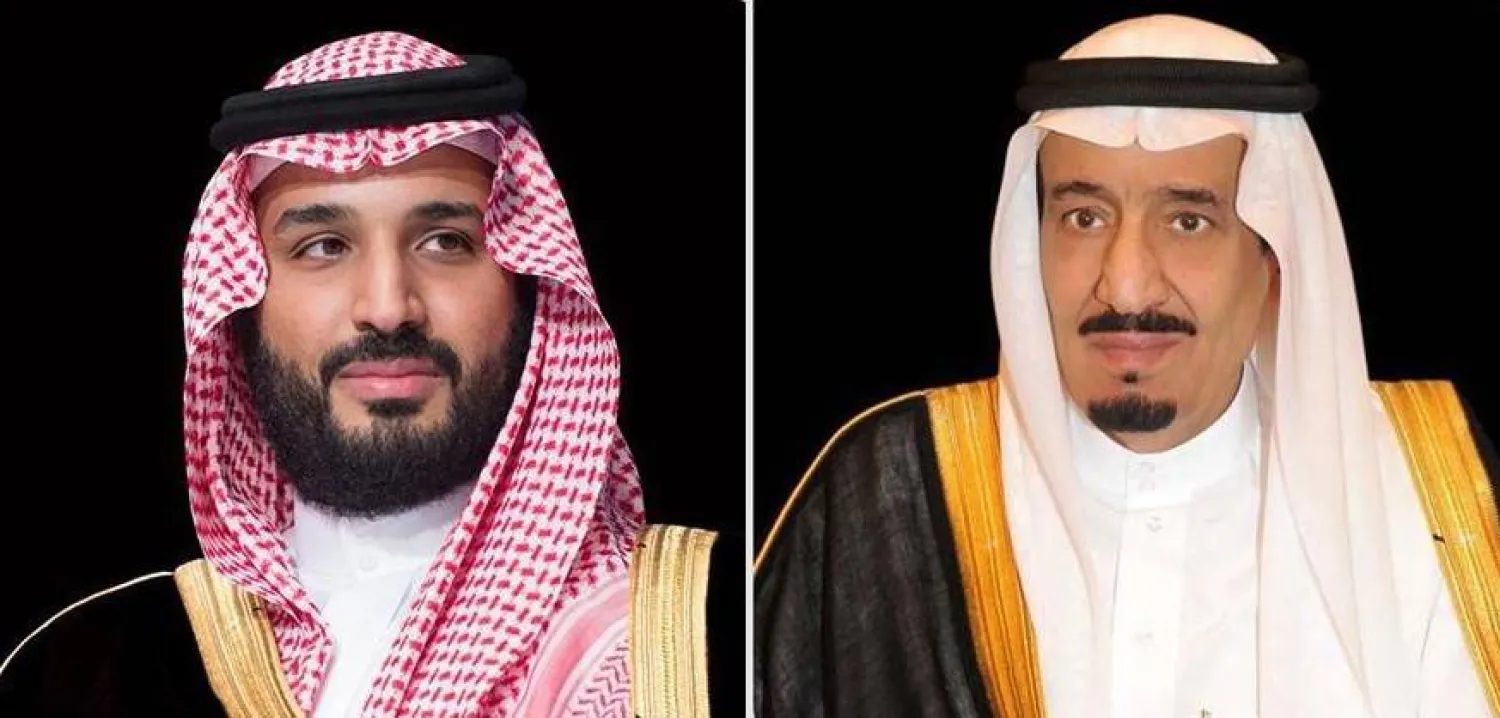
Custodian of the Two Holy Mosques King Salman bin Abdulaziz Al Saud and Prince Mohammed bin Salman bin Abdulaziz Al Saud, Crown Prince and Prime Minister. (SPA)
TT

Saudi Leadership Provides Two Donations Worth SAR150 Mln Through Jood Eskan Platform

Custodian of the Two Holy Mosques King Salman bin Abdulaziz Al Saud and Prince Mohammed bin Salman bin Abdulaziz Al Saud, Crown Prince and Prime Minister. (SPA)

Custodian of the Two Holy Mosques King Salman bin Abdulaziz Al Saud and Prince Mohammed bin Salman bin Abdulaziz Al Saud, Crown Prince and Prime Minister, have provided two generous donations amounting to SAR150 million through the Jood Eskan platform.

The move aligns with the leadership's commitment to supporting all national efforts and initiatives to provide suitable housing for deserving families.

Minister of Municipalities and Housing and Chairman of the Board of Trustees of the Developmental Housing Foundation (Sakan) Majed Al-Hogail expressed his deep gratitude to the leadership for its unwavering support to all national efforts and initiatives aimed at providing suitable housing for eligible families across the Kingdom.

He noted the effective impact of previous generous donations in achieving the goals of housing development, and motivating individuals and institutions to donate through the Jood Eskan platform that is based on community giving that helps provide decent housing and boosts stability and quality of life for deserving families.


Saudi Crown Prince Receives Message on Bilateral Ties from President of Kazakhstan

Prince Mohammed bin Salman bin Abdulaziz Al Saud, Saudi Crown Prince and Prime Minister. (SPA file)
TT

Saudi Crown Prince Receives Message on Bilateral Ties from President of Kazakhstan

Prince Mohammed bin Salman bin Abdulaziz Al Saud, Saudi Crown Prince and Prime Minister. (SPA file)

Prince Mohammed bin Salman bin Abdulaziz Al Saud, Saudi Crown Prince and Prime Minister, received on Tuesday a written message from President of Kazakhstan Kassym-Jomart Tokayev on bilateral relations between their two countries.

The message was received by Minister of Foreign Affairs Prince Faisal bin Farhan bin Abdullah during a meeting with his Kazakh counterpart Yermek Kosherbayev in Riyadh.