


What Will Scientific Research Offer Us in 2022?

What Will Scientific Research Offer Us in 2022?
TT

What Will Scientific Research Offer Us in 2022?

What Will Scientific Research Offer Us in 2022?

Two years on from the World Health Organization declaring it a pandemic on March 11, 2020, we cannot discuss scientific developments in isolation of COVID-19’s ramifications.

Scientists were able to revolutionize how vaccines are developed; the process used to take years, and they managed to develop a vaccine against this virus in 10 months.

While scientists believe that we will have to live with this virus, dealing with it as an endemic, the scientists developing this vaccine expect a new generation of these vaccines to be released in 2022. Some of those vaccines might be developed using the traditionally recognized mechanisms, which rely on cell proteins rather than RNA, with developers seeking vaccines more efficacious for fighting off the coronavirus’s various variants and strains.

The rapid success of the COVID-19 vaccines will play a role in making the research into the vaccines for other viruses like AIDS and malaria progress faster.

Scientists also expect biotechnology, environmental sciences, cell biology and medical research to move at a faster pace due to the spike they have seen in material investment, whether from governments or the private sector, in the development of vaccines and other medical tools through gene technology.

This leads us to the second field that is expected to make strides this year, personalized medicine, which renders the treatment given to each patient dependent on their particular case using genetic and nanorobots - tiny sensors that are smaller than the virus and can be inserted into the patient’s body and used to eliminate cancerous cells or deliver a targeted drug to these cells inside the body.

Another major development expected this year is a major improvement in our ability to detect several types of tumors early on using DNA blood tests.

Clustered Regularly Interspaced Short Palindromic (CRISPR), a gene-editing technology, will also play a significant role in helping us overcome many genetic diseases caused by genetic mutations. CRISPR allows us to use enzymes to cut a stretch of the damaged DNA and turn it back to normal, thereby enabling us to modify the defective genes in human bodies.

Technologically, we will see renewable energies make marked progress, reliance on sustainable energy increase, and green energy being generated using new energy technologies, which will significantly slow global warming and climate change down.

Additionally, we will see the evolution of artificial intelligence leave a critical impact on all aspects of our lives. Perhaps, as this artificial intelligence technology develops, we could see self-driving and environmentally-friendly electric cars becoming prevalent.

We cannot conclude our predictions of this year’s scientific developments without talking about the new space race. China is expected to put the final touches on its space station in 2022, and the Indian Space Research Organization will send its spacecraft, Chandrayaan-3, on a moon mission this year as well. The Chandrayaan program had a hand in the discovery of water molecules on the moon.

Also, the Japan Aerospace Exploration Agency will launch its Smart Lander for Investigating Moon (SLIM) in 2022, with the lander expected to make important discoveries upon landing on the moon’s surface.

Also, in November 2022, the European Space Agency will announce its new astronaut program.

As for private-sector space aviation companies, like SpaceX and Virgin Galactic, they have competing space tourism programs and are racing to increase the number of citizens sent to space in 2022 and enhance space flights.

The quest to discover the red planet (Mars) will continue. Another robotic explorer will land on Mars this year as part of the ExoMars program, a joint project between the European and Russian space agencies.

Finally, we have archeology. Critical information about beings whose existence on this planet predates that of humanity will emerge this year because of the momentum of scientific discoveries made by extracting and examining DNA from the soil of fossils that date back to over a million years.

These are the developments that we will witness in 2022 despite the virus spreading around the world. They speak to humanity’s extraordinary ability to adapt and develop despite the environmental conditions it finds itself in, as well as our capacity for survival and constant innovation.

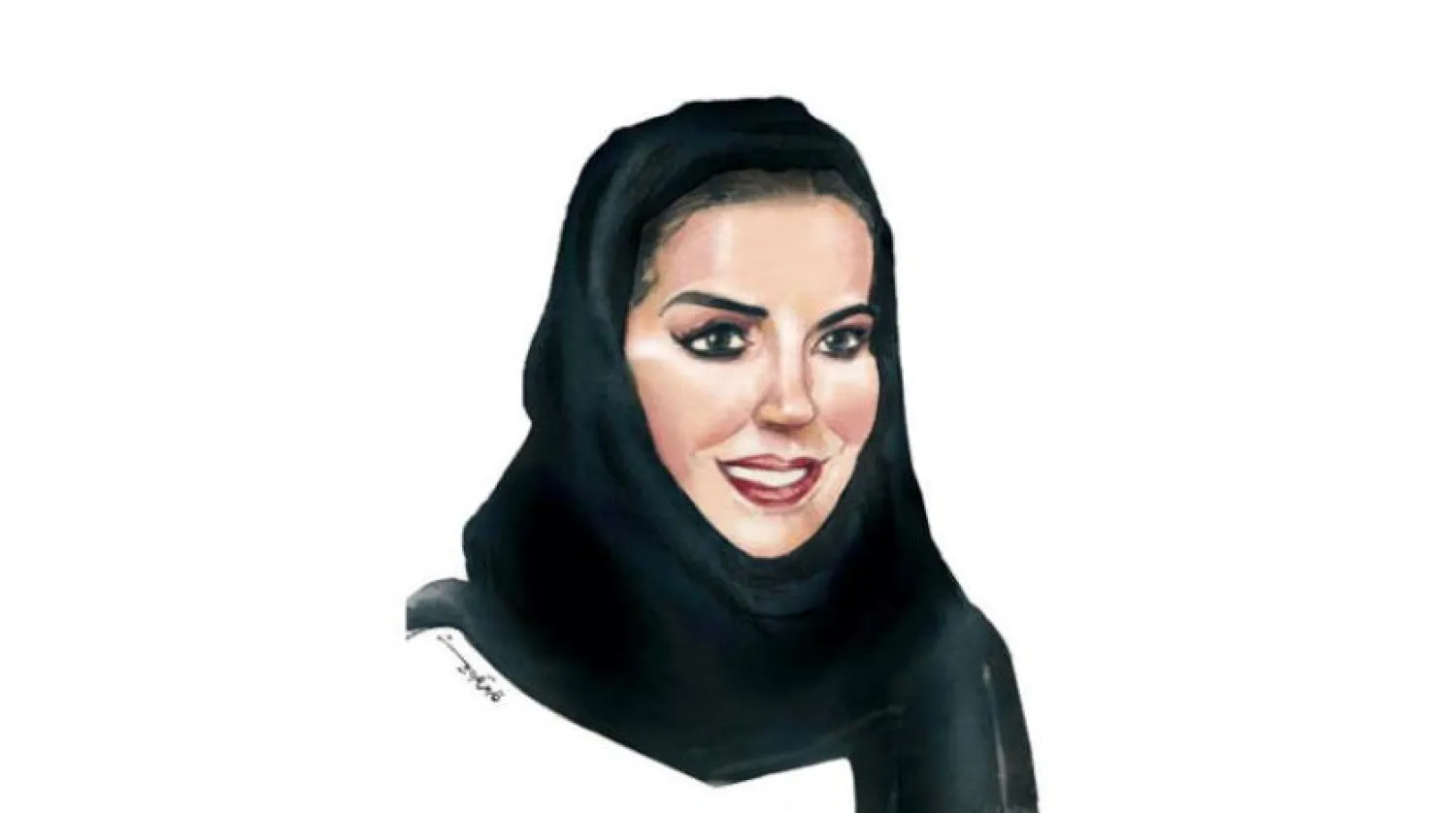
*Khawla Al-Kuraya is a Visiting Professor of Medicine at the Dana-Farber Cancer Institute in Harvard.



Ghalibaf: Ambitious ‘Public Face’ of Post-Ali Khamenei Iran

Iran’s Parliament Speaker Mohammad Bagher Ghalibaf (R) meets with Pakistan’s Army Chief Syed Asim Munir in Tehran, Iran, May 23, 2026. (AFP)
TT

Ghalibaf: Ambitious ‘Public Face’ of Post-Ali Khamenei Iran

Iran’s Parliament Speaker Mohammad Bagher Ghalibaf (R) meets with Pakistan’s Army Chief Syed Asim Munir in Tehran, Iran, May 23, 2026. (AFP)

Iranian parliament speaker Mohammad Bagher Ghalibaf has emerged as the key negotiator and one of the most high-profile figures in the epublic's leadership as it enters a new phase after the US-Israeli war.

A pillar of the Iranian establishment for some three decades and one of its most prominent non-clerical figures, Ghalibaf, 64, had spearheaded the war effort and led the high-stakes negotiating process that culminated with an agreement announced Monday to halt the hostilities.

Ghalibaf survived more than five weeks of US-Israeli attacks on Iran that killed supreme leader Ali Khamenei, top security official Ali Larijani and a host of other key figures.

He came into public view for the first time in weeks in April to lead the Iranian delegation in talks in Islamabad with the United States, meeting Vice President JD Vance, the highest-level contact between the two foes since before the 1979 revolution.

An image published on social media by Iranian embassies abroad put Ghalibaf center stage in the Iranian negotiating team, looking animated and gesturing with his hand, as Foreign Minister Abbas Araghchi busied himself with teacups.

The workings of the Iranian leadership without Khamenei, who dominated it for nearly four decades, remain unclear.

Khamenei's son Mojtaba was named as his successor but has yet to appear publicly after he was reportedly wounded in an airstrike.

"Following Larijani's assassination, Ghalibaf has emerged as the new public face of the regime's war effort and diplomacy," said Farzan Sabet, a managing researcher at the Geneva Graduate Institute.

"But we shouldn't overstate the extent to which he's in the driver's seat: He still answers to higher powers in Tehran," he added.

These include Mojtaba Khamenei and the Revolutionary Guards, the ideological arm of Iran's military, where Ghalibaf was a key figure as aerospace forces commander, Sabet said.

- 'Professional bargainer' -

While the trip to Islamabad was Ghalibaf's first appearance in public since before the war, he has kept a high profile online with almost daily social media posts, mixing commentary on recent developments and the negotiations with threats of harsh retaliation should the fighting resume.

His posts on X in idiomatic American English have garnered wide attention and raised questions over who is actually writing them, given Ghalibaf is not known to be a fluent English speaker.

Referring to threats of a ground invasion, a post on Ghalibaf's X account said on April 1: "You come for our home... you're gonna meet the whole family. Locked, loaded and standing tall. Bring it on."

The IranWire news site has said the posts appeared to have been written by a former adviser based in the United States, but this has not been confirmed.

While the Islamabad talks failed, The Washington Post reported that Ghalibaf left a striking impression on the US delegation after years when Washington never dealt directly with key Iranian decision makers.

Ghalibaf "impressed the American team as a refined and professional bargainer -- and potential leader of a new Iran", said the Post.

In a sign of his expanding sway, he was appointed in May to oversee Iran's vital relationship with China, the biggest buyer of Iranian oil.

- 'Ambitious and opportunistic' -

Ghalibaf's varied experience, which spans military and civilian life, has seen him work as a commander in the Revolutionary Guards, Tehran police chief, Tehran mayor and now speaker of parliament.

It is unclear if he is fully trusted by the new hardline hierarchy of the Guards.

Known to be fiercely ambitious, he has stood for the Iranian presidency on multiple occasions but has never been successful, most notably in 2005 when ultra-conservative Mahmoud Ahmadinejad, little-known at the time, took the job.

A qualified pilot, Ghalibaf is known for boasting that he is able to captain jumbo jets.

Human rights groups have accused Ghalibaf, in his various functions, of playing a key role in suppressing protests, from the 1999 student demonstrations to the 2009 Green movement that erupted after a disputed election, right up to the nationwide protests that peaked in January 2026, just before the latest war.

"As a politician, he's shown himself to be ambitious and opportunistic, but also cautious, a trait that has helped him advance his career to the top of the country's power structure without getting purged like so many others have been," said Sabet.


What to Know About the US-Iran Peace Deal

A US Air Force F-16 fighter jet patrols the skies above the Middle East as American forces maintain regional presence and vigilance (CENTCOM)
TT

What to Know About the US-Iran Peace Deal

A US Air Force F-16 fighter jet patrols the skies above the Middle East as American forces maintain regional presence and vigilance (CENTCOM)

Washington: The New York Times

The United States and Iran said they were close to reaching a deal toward ending the war that has upended the Middle East for more than three months and disrupted the global economy.

Iran’s foreign minister, Abbas Araghchi, has said that an agreement had “never been closer.”

US officials signaled on Friday that a potential framework deal could be signed within days.

According to two Iranian officials and one regional official briefed on the terms of the agreement, Tehran and Washington have agreed to a preliminary deal that would end the fighting, reopen the crucial Strait of Hormuz and lift the US naval blockade on Iranian ports.

Both the US and Iran have sought to frame the emerging deal as a diplomatic victory.

Yet the agreement appears to push many of the thorniest issues to a 60-day negotiation period, including Iran’s nuclear program, about which major differences remain and both sides have so far held firm to longstanding red lines.

A deal would cap a week of diplomatic talks punctuated by airstrikes and Israel’s ongoing campaign in southern Lebanon.

What’s in the deal?

The two Iranian officials and one regional official briefed on the terms of the agreement gave a broad outline of the agreement. The United States has not confirmed these details:
Iran would open the Strait of Hormuz for the passage of ships and the United States would lift the naval blockade on Iran’s ports in the Arabian Gulf.

Iran and the United States would start negotiations on Iran’s nuclear program. The negotiations would last a maximum of 60 days and the war would stop on all fronts, including Lebanon, for that period.

During the 60-day negotiation period, Iran and countries in the region would discuss the future management of the strait.

The two Iranian officials said the next phase of talks would include discussion of the lifting of American sanctions, including on Iran’s oil sales and international banking transactions, in exchange for concessions on the Iranian nuclear program.

Speaking on state television Friday, Araghchi said there would be a two-part agreement to end the war: The first would be the signing of a memorandum of understanding between Tehran and Washington, and the second would be for a lasting peace deal. “The nuclear issue has been left for the second round and a final agreement,” Araghchi said.

Araghchi added that the Strait of Hormuz would reopen as part of the initial agreement between the US and Iran, but the economically vital waterway would not return to its prewar status.

He told Iranian state television that all commercial ships would be guaranteed safe passage, but said Tehran would maintain its control of the passage and would eventually charge a “service fee” for vessels passing through, an arrangement the Trump administration had previously warned against.

Framework for Nuclear Talks

According to US officials and diplomats, there are four major points of negotiation on a nuclear agreement between the United States and Iran:

1. A lengthy suspension of uranium enrichment
The United States has demanded for months that Iran agree to conduct no uranium enrichment for at least 20 years. The Iranians have countered by offering a 10-year halt, but American officials believe Tehran would settle for 15 years.

2. Iran’s current stockpile of enriched uranium is diluted, or “downblended”
The United States would work with the International Atomic Energy Agency, the UN inspection body, to dilute or “downblend” Iran’s stockpile of enriched uranium, according to two US officials familiar with the negotiations. American officials envision an active role in handling the nuclear material. Iranian officials say the United States would serve only as an observer.

Secretary of State Marco Rubio has said repeatedly in recent weeks that any agreement would have to cover all 11 tons of enriched uranium in Iran’s possession, not just the half-ton of near-bomb-grade fuel.

The Iranians have not talked publicly about whether they are willing to give up their entire existing stockpile. But if it was downblended, rather than shipped outside the country, Iran’s leaders could say they still have possession of the fuel.

3. Iran dismantles its nuclear sites
The United States has demanded that Iran dismantle its three major nuclear sites at Natanz, Fordo and Isfahan. The United States struck all three nearly a year ago, severely damaging them.

Iran has discussed dismantling two facilities but insists on leaving one open, in part to demonstrate it has not surrendered what it views as a “right to enrich.” That could prove problematic: Critics of the Obama-era nuclear agreement with Iran focused on its failure to close down Fordo, a deep underground site, which the Iranians later revived to produce near-bomb-grade fuel.

4. Iran agrees to “snap” inspections
The United States wants international inspectors to be able to conduct “snap” inspections, anytime and anyplace inside Iran. It is not clear if the Iranian government will agree. Many of the nuclear sites are inside Revolutionary Guards military bases, where inspectors have frequently been barred at the gates.


Growing Egypt-Russia Partnership Raises Alarm in Israel

The Egyptian prime minister visits the construction site of the El Dabaa Nuclear Power Plant in July 2025. (Egyptian government)
TT

Growing Egypt-Russia Partnership Raises Alarm in Israel

The Egyptian prime minister visits the construction site of the El Dabaa Nuclear Power Plant in July 2025. (Egyptian government)

Egypt’s El Dabaa Nuclear Power Plant has yet to begin operations on the country’s Mediterranean coast, but Israeli media outlets supportive of Prime Minister Benjamin Netanyahu have intensified warnings that the project could pave the way for a major Russian nuclear presence in the Middle East.

Those concerns over Egypt’s capabilities, as well as its regional partnerships, which have grown since the outbreak of the Gaza war in 2023, are unlikely to subside, according to experts interviewed by Asharq Al-Awsat.

They said that the rhetoric is tied to Israeli domestic politics, electoral competition and efforts to create new security threats for Israeli voters, while also exerting pressure on Cairo and its partners at a time when Israel is seeking to capitalize on tensions between Washington and Moscow.

Although Egypt’s nuclear program dates back to a 1956 agreement with the Soviet Union, the country’s first nuclear power project effectively began on Nov. 19, 2015, when Egypt and Russia signed an agreement to build the El Dabaa Nuclear Power Plant in the Matrouh governorate on the Mediterranean coast. The project is valued at $30 billion, including a $25 billion Russian loan that Egypt is due to begin repaying in October 2029 over a 35-year period at an annual interest rate of 3%.

The plant, which is designed to generate 4,800 megawatts of electricity, will comprise four nuclear reactors. It is expected to operate for more than 60 years and is projected to supply about 10% of Egypt’s electricity needs once its first reactor comes online, currently expected between late 2027 and mid-2028.

Israeli website Natziv.net recently claimed that El Dabaa is more than an electricity-generation project, describing it as “a potential nuclear foothold for Moscow” in the Middle East. The outlet said Russia’s financing of 85% of the project’s cost - about $25 billion - along with its responsibility for fuel supplies and nuclear waste management for 60 years, could create a “long-term strategic dependence” on Moscow.

The website also warned about plans for a Russian industrial zone near the Suez Canal, describing it as a permanent presence at a key global trade hub and a sign of Cairo’s drift away from the West toward a Russia-China axis within the BRICS group, which Egypt joined in January 2024.

Despite the project’s civilian nature, the outlet claimed that the infrastructure and expertise acquired through El Dabaa could one day provide Egypt with a shorter path toward military nuclear options or fuel enrichment capabilities.

It suggested that any radioactive leak could affect Israel’s coastline and desalination facilities, while closer Egyptian-Russian ties could narrow Israel’s strategic room for maneuver and weaken traditional US influence in the region.

Similar arguments appeared in an analysis published last week by Israel’s Yedioth Ahronoth following Russian President Vladimir Putin’s announcement that the plant’s first reactor could begin operating in 2027.

It described the notion that El Dabaa is solely an energy project as a “grave misreading,” portraying it instead as a slow-moving strategic encirclement effort in which “Israel is not incidental to the picture, but the target.”

Raouf Saad, Egypt’s former ambassador to Russia and a former assistant foreign minister, said the reports should be read within their political context. He added that Netanyahu has sought to disrupt efforts toward regional peace and has repeatedly attempted to provoke Egypt since the Gaza war, without success.

Saad dismissed the Israeli allegations as “naive and transparent” aimed at warning the United States about Russia’s return to the region, saying they reflected the weakness of Netanyahu’s position rather than any genuine security threat.

Retired Major General Samir Farag, a military and strategic analyst, said such reports are part of recurring attempts to manufacture crises and are likely to intensify as Israel approaches elections.

“Netanyahu-aligned media outlets have long tried to convince the Israeli public that Egypt seeks to acquire nuclear capabilities and pursue militarization,” Farag said, describing the claims as an effort to exploit the issue politically and divert attention from Israel’s actions in the region.

While Egypt has not officially responded to the allegations, officials and analysts continued to stress that the peaceful use of nuclear energy is a legitimate right under international law.

They noted that Egypt is fully committed to the 1968 Nuclear Non-Proliferation Treaty and that the El Dabaa project, like the country’s Inshas Nuclear Center, is subject to comprehensive oversight by the International Atomic Energy Agency.