


GAMI, Lockheed Martin Join Forces to Localize Work on THAAD Missile Defense System in Saudi Arabia

GAMI announced its approval of two localization projects in collaboration with Lockheed Martin.
TT

GAMI, Lockheed Martin Join Forces to Localize Work on THAAD Missile Defense System in Saudi Arabia

GAMI announced its approval of two localization projects in collaboration with Lockheed Martin.

The General Authority for Military Industries (GAMI) announced at the World Defense Show on Monday its approval of two localization projects in collaboration with Lockheed Martin.

The first focuses on localizing the manufacture of missile interceptor launchers, and the second on producing the missile interceptor canisters locally. These projects fall under the program for localization of the THAAD Weapon System.

Such projects serve GAMI’s strategy to bolster relations with its international partners from across the globe along the Kingdom’s localization journey, with the ultimate target of localizing more than 50% of expenditure on defense equipment and services by the year 2030.

Commenting on this momentous announcement, Gasem Al-Maimani, GAMI Deputy Governor, Military Industry, stated that these two localization projects "are in further service of this promising sector’s national priorities."

"Along this localization journey, and with the robust relations with our international defense partners, air domain defense readiness is expected to be greatly enhanced," said Al-Maimani.

He further noted that this project supports investment in building indigenous national capabilities, via empowering new and up-and-coming manufacturing entities, as well as leveraging the integration of efforts with large national companies, to secure their position of prominence globally.

Ultimately, all of this facilitation and enablement, pours into achieving the sector’s strategic localization target of more than 50%, and amplifying the scope and impact of existing capabilities, by 2030.

"For over 50 years, Lockheed Martin has been a committed partner to Saudi Arabia, as the country continues its journey toward ensuring a safe, secure and sustainable future for its people," said Joseph Rank, chief executive for Lockheed Martin in Saudi Arabia and Africa.

"Along with state-of-the-art defense products and innovative solutions, Lockheed Martin is engaged with its Saudi partners across several capacity building programs that are formulated to contribute to the realization of the country’s development goals. This announcement will significantly boost global and regional security while supporting job creation and economic prosperity in Saudi Arabia."

GAMI looks to secure its core national priorities, namely Military Readiness, Strategic Autonomy, Transparency and Efficiency of Spend, Sustainability of Local Military Industries, and Interoperability within and across Entities.



Saudi Crown Prince Receives Message on Bilateral Ties from President of Kazakhstan

Prince Mohammed bin Salman bin Abdulaziz Al Saud, Saudi Crown Prince and Prime Minister. (SPA file)
TT

Saudi Crown Prince Receives Message on Bilateral Ties from President of Kazakhstan

Prince Mohammed bin Salman bin Abdulaziz Al Saud, Saudi Crown Prince and Prime Minister. (SPA file)

Prince Mohammed bin Salman bin Abdulaziz Al Saud, Saudi Crown Prince and Prime Minister, received on Tuesday a written message from President of Kazakhstan Kassym-Jomart Tokayev on bilateral relations between their two countries.

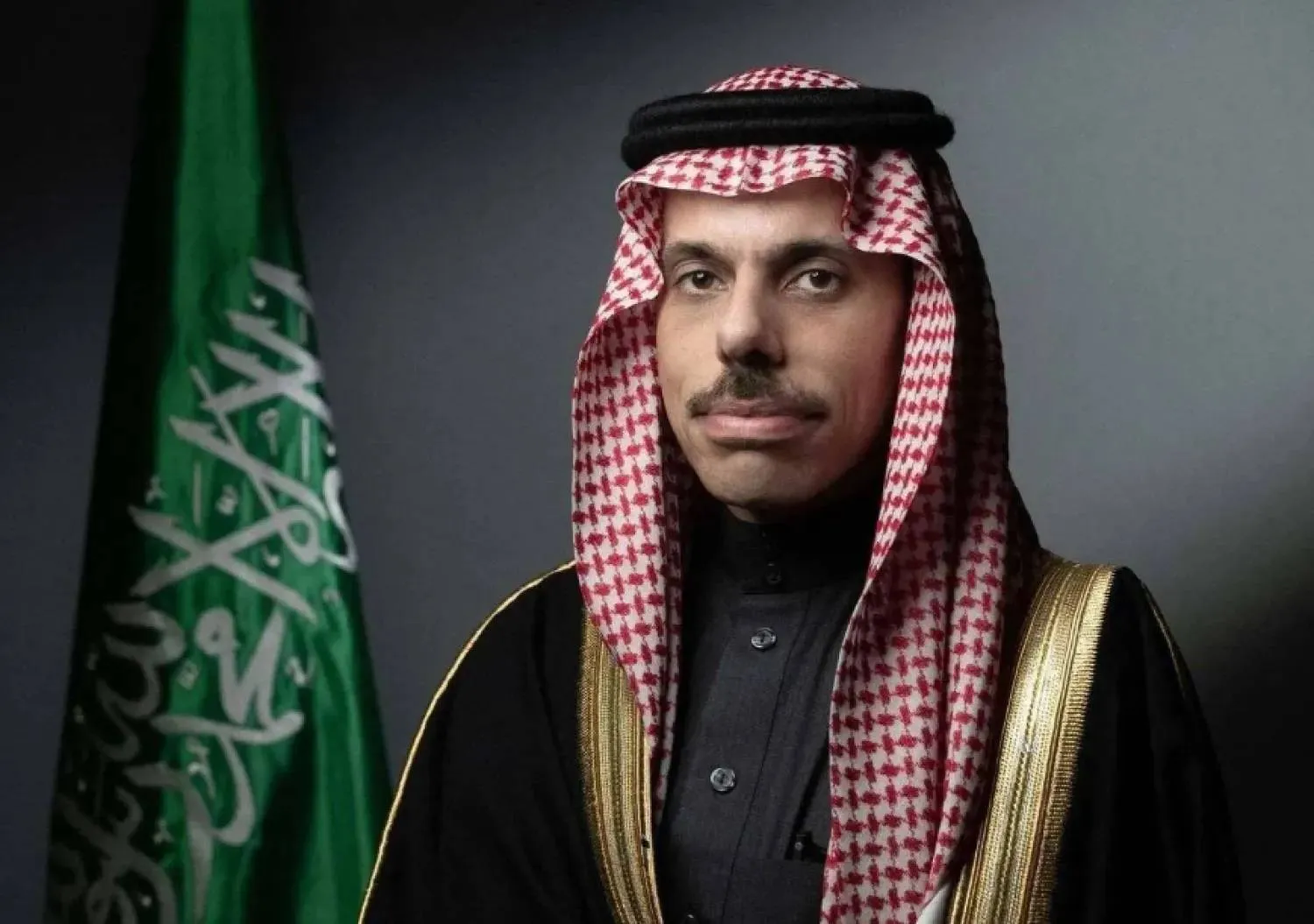
The message was received by Minister of Foreign Affairs Prince Faisal bin Farhan bin Abdullah during a meeting with his Kazakh counterpart Yermek Kosherbayev in Riyadh.


Princes and Officials Take Oath Before Custodian of the Two Holy Mosques

Custodian of the Two Holy Mosques King Salman bin Abdulaziz Al Saud and other officials are seen during the ceremony in Riyadh on Tuesday. (SPA)
TT

Princes and Officials Take Oath Before Custodian of the Two Holy Mosques

Custodian of the Two Holy Mosques King Salman bin Abdulaziz Al Saud and other officials are seen during the ceremony in Riyadh on Tuesday. (SPA)

Princes and officials appointed by royal orders to their new positions took the oath of office before Custodian of the Two Holy Mosques King Salman bin Abdulaziz Al Saud in Riyadh on Tuesday.

They included Deputy Governor of Al-Baha Region Prince Fahd bin Saad bin Abdullah bin Abdulaziz bin Turki; Member of the Shura Council Prince Dr. Saad bin Saud bin Mohammed bin Abdulaziz; Deputy Governor of Madinah Region Prince Saud bin Nahar bin Saud; Deputy Governor of Northern Borders Region Prince Mohammed bin Abdullah bin Abdulaziz; and Minister of Investment Fahd Al-Saif.

They swore to be faithful to their religion, then their King and country, not to reveal any of the state’s secrets, to preserve its interests and regulations, and to perform their duties with honesty, trustworthiness, and sincerity.


Saudi Arabia Reiterates Its Categorical Rejection of Israel’s ‘State Land’ Decision in West Bank

Custodian of the Two Holy Mosques King Salman bin Abdulaziz Al Saud chairs the Cabinet meeting in Riyadh. (SPA)
TT

Saudi Arabia Reiterates Its Categorical Rejection of Israel’s ‘State Land’ Decision in West Bank

Custodian of the Two Holy Mosques King Salman bin Abdulaziz Al Saud chairs the Cabinet meeting in Riyadh. (SPA)

The Saudi government condemned on Tuesday Israel’s decision to West Bank lands as "state lands."

Reiterating its absolute rejection of these illegal measures, the Cabinet warned that they undermine peace efforts and violate the Palestinian people's inherent right to establish an independent, sovereign state within the 1967 borders, with East Jerusalem as its capital.

Custodian of the Two Holy Mosques King Salman bin Abdulaziz Al Saud chaired the Cabinet session that was held in Riyadh.

The Cabinet congratulated citizens and Muslims on the advent of the holy month of Ramadan, expressing gratitude for the Kingdom's honor in caring for the two holy mosques and their visitors.

The Cabinet highlighted the success of the Hajj and Umrah seasons, noting that the Kingdom welcomed 19.5 million international pilgrims and Umrah performers in 2025, setting new records that reflect rapid progress toward the goals of Vision 2030 and the Pilgrim Experience Program.

The Cabinet described the Kingdom's Founding Day celebration on February 22 as an expression of pride in the Saudi state's nearly three-century history, underscoring the foundations of justice, unity, and development established by leaders and citizens throughout history to ensure the nation remains a global leader in all fields.

The Cabinet was briefed on recent talks between Saudi Arabia and various nations, which focused on strengthening bilateral and multilateral cooperation and boosting coordination to foster regional and international security, stability, and prosperity.

The session further reviewed the Kingdom's economic, cultural, and social activities, stressing the state's commitment to social solidarity and giving. This includes continued support for the sixth National Campaign for Charitable Work, set to begin on Friday.

The Cabinet commended the success of the third World Defense Show held in Riyadh under the Custodian of the Two Holy Mosques' patronage, during which strategic partnerships, agreements, and memoranda of understanding were signed to localize military technologies and strengthen local supply chains in alignment with Vision 2030 objectives.