Khamenei Says Iran’s Future Should Not Be Tied to Nuclear Talks with World Powers

Khamenei speaks during a meeting via video conference with people from East Azarbaijan in Tehran, Iran, February 17, 2022. (Reuters)
TT

Khamenei Says Iran’s Future Should Not Be Tied to Nuclear Talks with World Powers

Khamenei speaks during a meeting via video conference with people from East Azarbaijan in Tehran, Iran, February 17, 2022. (Reuters)

Iran's supreme leader said on Tuesday that his country's future should not be tied to the success or collapse of nuclear talks with world powers, Iranian state media reported, adding that the negotiations to revive a 2015 nuclear deal "are going well".

Ali Khamenei, who has the last say on all state matters such as Iran's nuclear program, made the comments about a month after almost a year of indirect talks between Iran and the United States stalled. Both countries blame each other for lack of "political will" to settle remaining issues.

"Absolutely do not wait for nuclear negotiations in planning for the country and move forward," Khamenei told a gathering of senior officials, state TV reported.

"Do not let your work be disrupted whether the negotiations reach positive or semi-positive or negative results."

In 2018, then-US President Donald Trump left the nuclear deal and reimposed sanctions that have crippled Iran's economy. A year later, Iran started to violate the limits imposed on its nuclear program by the 2015 agreement to make it harder to develop a bomb. Iran says its nuclear program is for peaceful use only.


UK Says Vital to 'De-escalate' Middle East War

FILE PHOTO: An aerial view of the island of Qeshm, separated from the Iranian mainland by the Clarence Strait, in the Strait of Hormuz, December 10, 2023. REUTERS/Stringer/File Photo
TT

UK Says Vital to 'De-escalate' Middle East War

FILE PHOTO: An aerial view of the island of Qeshm, separated from the Iranian mainland by the Clarence Strait, in the Strait of Hormuz, December 10, 2023. REUTERS/Stringer/File Photo

A British minister on Sunday said it was essential to calm the situation in the Middle East after US President Donald Trump demanded that other nations help protect world oil supplies passing through the Strait of Hormuz.

The "plan now has to be to de-escalate the conflict", Energy Security Minister Ed Miliband told the BBC.

A spokesperson for the defense ministry said late on Saturday: "As we've said previously, we are currently discussing with our allies and partners a range of options to ensure the security of shipping in the region."


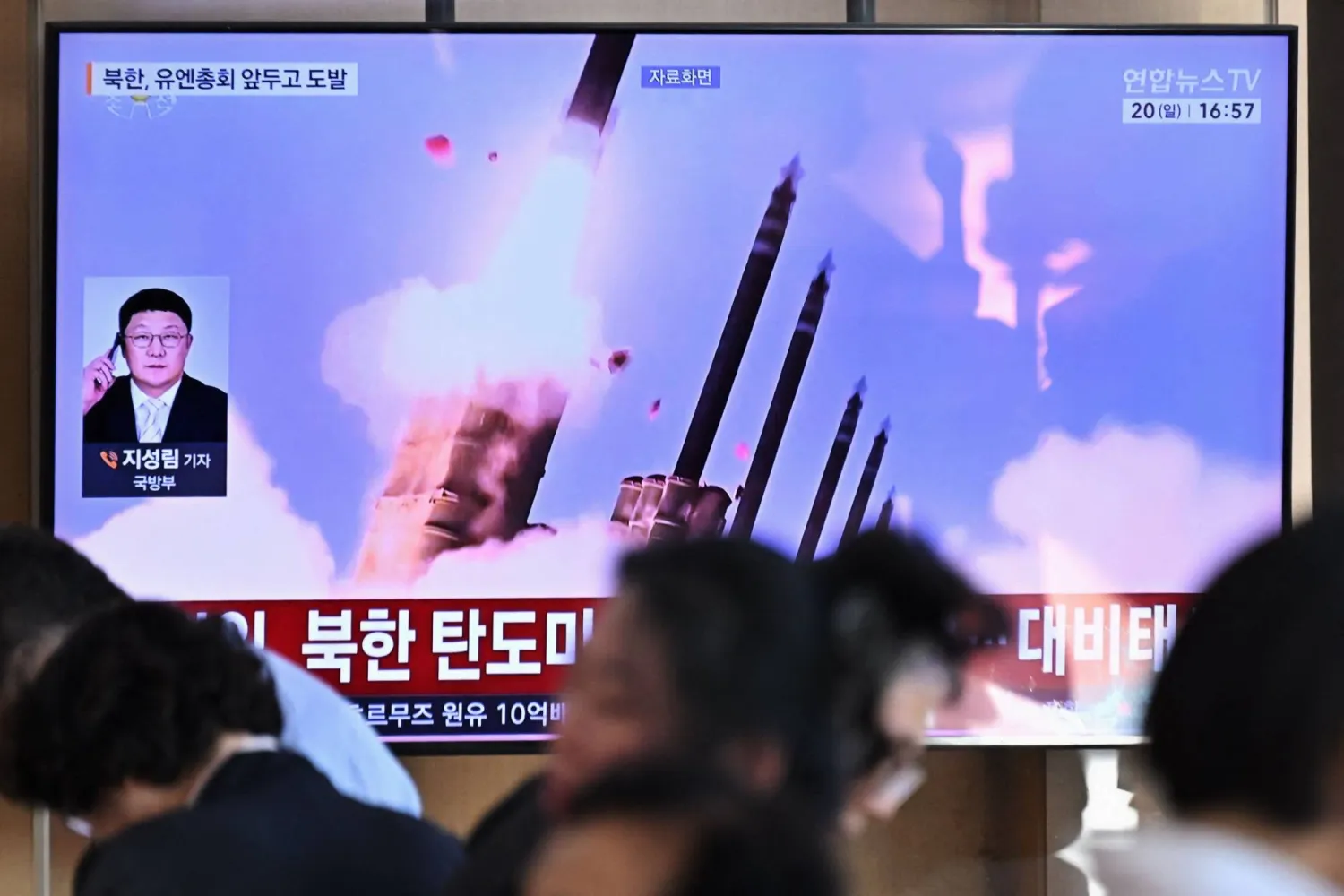
South Korea 'Closely Monitoring' Trump Call to Send Warships to Hormuz

A tanker sails in the Gulf, near the Strait of Hormuz, as seen from northern Ras al-Khaimah, near the border with Oman’s Musandam governance, amid the US-Israeli conflict with Iran, in United Arab Emirates, March 11, 2026. (Reuters)
TT

South Korea 'Closely Monitoring' Trump Call to Send Warships to Hormuz

A tanker sails in the Gulf, near the Strait of Hormuz, as seen from northern Ras al-Khaimah, near the border with Oman’s Musandam governance, amid the US-Israeli conflict with Iran, in United Arab Emirates, March 11, 2026. (Reuters)

South Korea said on Sunday it was paying close attention to US President Donald Trump's call for Seoul and other countries to send warships to help protect oil supplies passing through the Strait of Hormuz. 

Since US-Israeli forces launched a war against Iran on Feburary 28, Tehran has responded with attacks and threats that have nearly halted shipping in the strait, through which one-fifth of global oil supplies normally passes. 

After earlier vowing that the US Navy would begin escorting tankers through the waterway, Trump said on social media on Saturday that "Many Countries" would also send warships to keep it open, naming South Korea and Japan among others. 

But after a senior Japanese official said on Sunday that Tokyo maintained a high threshold for such a move, Seoul also refrained from making any explicit commitments. 

"We are closely monitoring President Trump's remarks on social media and will carefully consider the matter in close consultation with the United States," a South Korean presidential official told AFP. 

Seoul was "comprehensively considering and exploring various measures... to ensure the safety of energy transport routes", the official said. 

Like other Asian economies, South Korea relies heavily on energy imports, including through the Strait of Hormuz. 

The war has already prompted Seoul to impose a fuel price cap to ease pressure on its energy supply, the first such measure since 1997. 

Earlier on Sunday, Takayuki Kobayashi, the policy chief of Japanese Prime Minister Sanae Takaichi's ruling Liberal Democratic Party, said the bar for sending Japanese navy ships to the region under existing laws was "extremely high". 

"Legally speaking, we do not rule out the possibility, but given the current situation in which this conflict is ongoing, I believe this is something that must be considered with great caution," he said on the public broadcaster NHK's political debate program. 

Trump also mentioned China, France and Britain by name in his post, saying he hoped countries "that are affected by this artificial constraint will send Ships to the area". 


Drone Debris Sparks Fire at Oil Facility in Russia’s Krasnodar Region, Authorities Say

 Smoke is seen through the broken window of a residential neighborhood damaged by Russian aerial guided bomb in Zaporizhzhia, Ukraine, Saturday, March 14, 2026. (AP)
Smoke is seen through the broken window of a residential neighborhood damaged by Russian aerial guided bomb in Zaporizhzhia, Ukraine, Saturday, March 14, 2026. (AP)
TT

Drone Debris Sparks Fire at Oil Facility in Russia’s Krasnodar Region, Authorities Say

 Smoke is seen through the broken window of a residential neighborhood damaged by Russian aerial guided bomb in Zaporizhzhia, Ukraine, Saturday, March 14, 2026. (AP)
Smoke is seen through the broken window of a residential neighborhood damaged by Russian aerial guided bomb in Zaporizhzhia, Ukraine, Saturday, March 14, 2026. (AP)

A fire broke out at an oil facility in Russia's Krasnodar region after debris from a downed drone fell on it, Russian authorities said on Sunday.

According to ‌preliminary reports, ‌there were no ‌casualties.

The ⁠damaged oil facility ⁠is located near Tikhoretsk, where Ukrainian drones struck an oil pumping station on Thursday. The fire ⁠had been extinguished on ‌Friday.

Authorities ‌did not clarify whether ‌it was the ‌same facility.

The Tikhoretsk hub is one of the largest oil points in southern ‌Russia and is the only supply route ⁠for ⁠petroleum products to the key Black Sea port of Novorossiysk.

The attack was the latest in a series of drone strikes on the region's energy and port infrastructure.