

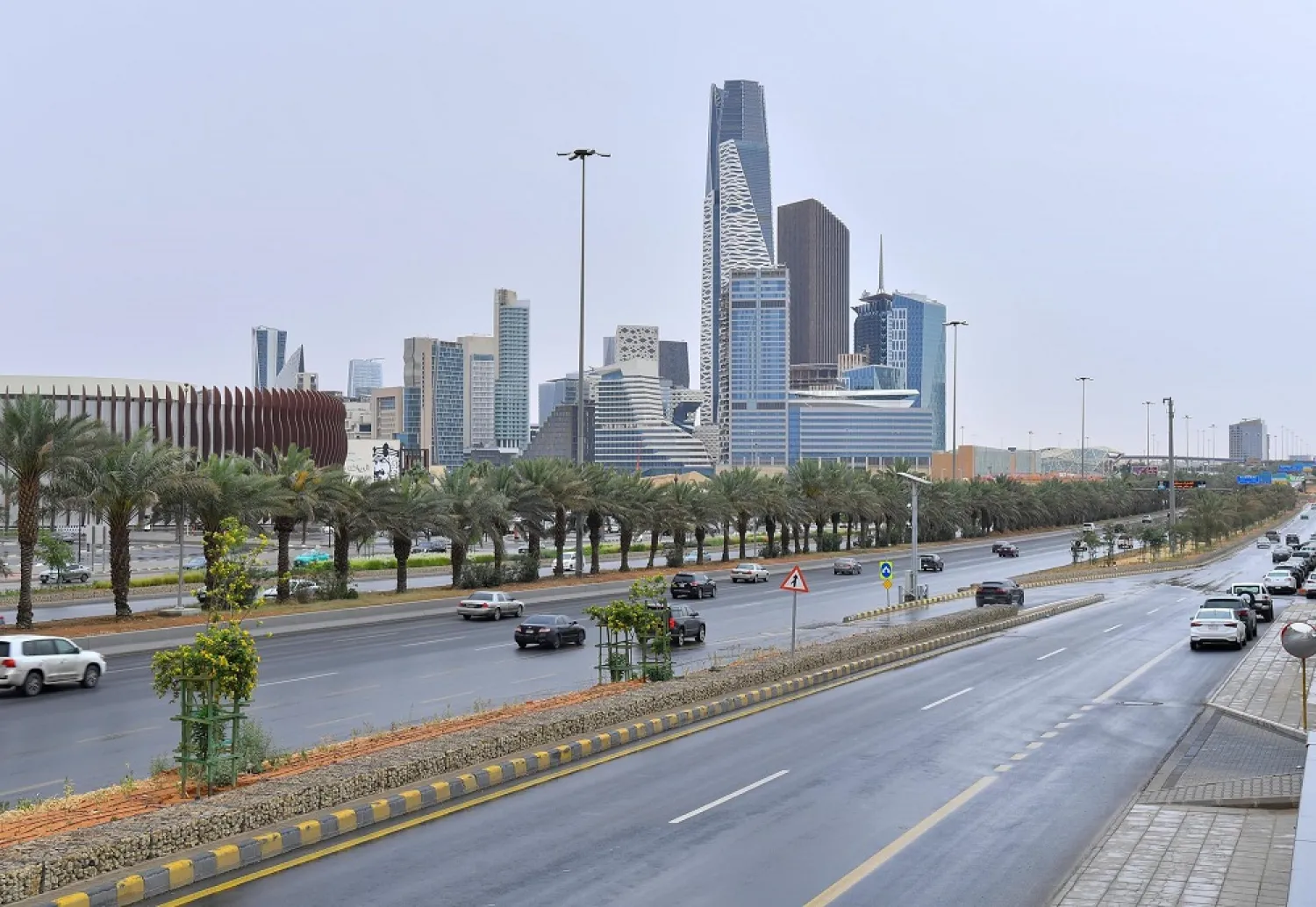

Saudi Arabia Advances in Global Education Competitiveness Indicators in 2022

A general view of Riyadh, Saudi Arabia. (SPA)
TT

Saudi Arabia Advances in Global Education Competitiveness Indicators in 2022

A general view of Riyadh, Saudi Arabia. (SPA)

Saudi Arabia has progressed in the education, research, and innovation indicators, revealed the World Competitiveness Yearbook 2022 report.

Issued by the Global Competitiveness Center of the International Institute for Management Development (IMD), the results are a reflection of the Saudi leadership’s support for the education sector at all levels.

The Kingdom’s ranking jumped to the 24th position in the report, compared to 32 in 2021. It advanced four positions in the education indicator, bringing the Kingdom to the 37th position compared to 41 last year.

It advanced to positions in the scientific infrastructure indicator, claiming the 30th position this year compared to the 32nd position in 2021.

This achievement contributed to the Kingdom’s progress in the infrastructure indicators, one of the main indexes of the report. It made it to the 34th position compared to 36 last year, maintaining an upward trajectory since 2018.

The Kingdom’s education sector achieved advanced results in education, research, and innovation indicators on the global competitiveness indicators this year. It jumped nine places in the university education achievements index ranking 28th in 2022 compared to 37 last year.

The Kingdom also advanced to 31st place this year in the global rankings of universities, compared to the 39th position in 2021. It reached the 26th position in the intellectual property rights index in 2022 compared to the 30th rank last year.


Foreign Ministers of 'Makkah Agreement' Review Emergency Meeting of Military chiefs

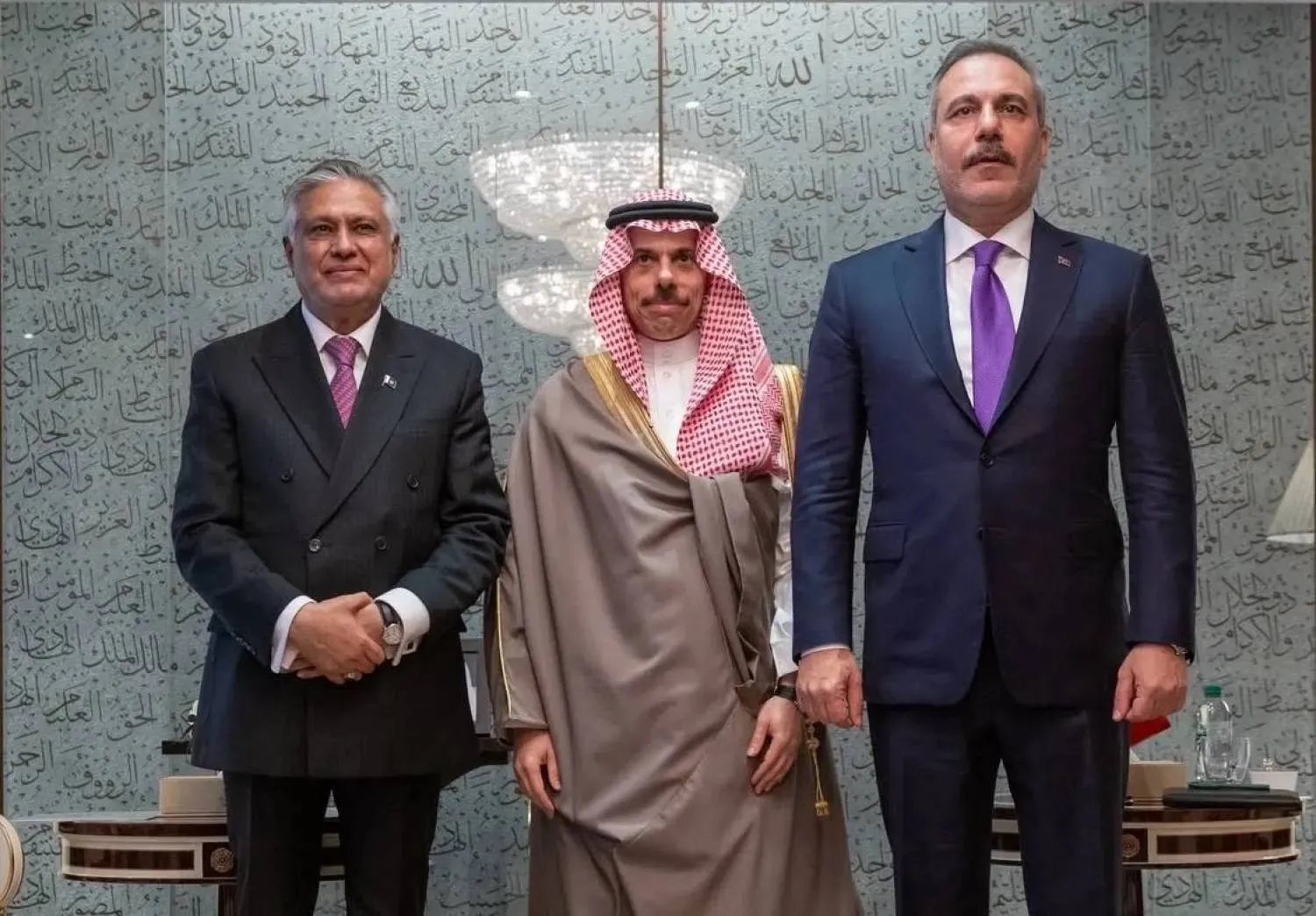
Saudi Foreign Minister Prince Faisal bin Farhan met Pakistan’s Deputy Prime Minister and Foreign Minister Ishaq Dar and Turkish Foreign Minister Hakan Fidan at Saudi Arabia’s permanent UN mission in New York on Thursday.
TT

Foreign Ministers of 'Makkah Agreement' Review Emergency Meeting of Military chiefs

Saudi Foreign Minister Prince Faisal bin Farhan met Pakistan’s Deputy Prime Minister and Foreign Minister Ishaq Dar and Turkish Foreign Minister Hakan Fidan at Saudi Arabia’s permanent UN mission in New York on Thursday.

Saudi Foreign Minister Prince Faisal bin Farhan met Pakistan’s Deputy Prime Minister and Foreign Minister Ishaq Dar and Turkish Foreign Minister Hakan Fidan at Saudi Arabia’s permanent UN mission in New York on Thursday, within the framework of the Makkah Agreement on mutual defense.

The ministers reviewed progress on establishing the agreement's secretariat, committees and working groups, as well as preparations for the launch of their operations.

The ministers condemned attacks on Makkah and Saudi civilian and economic facilities, praised the Saudi armed forces' readiness, and reaffirmed the Kingdom's right to defend itself under Article 51 of the UN Charter.

The ministers discussed plans for an emergency meeting of military chiefs to coordinate support for Saudi Arabia under their mutual defense pact and stressed the need to uphold international law, respect state sovereignty, and ensure maritime security and freedom of navigation.

The ministers reaffirmed their commitment to promoting lasting peace and stability in the region, supporting de-escalation efforts and pursuing peaceful solutions to ongoing crises.

The Makkah Joint Defense Agreement is a trilateral mutual defense pact signed by Saudi Arabia, Türkiye, and Pakistan on August 7, 2026.


UAE Bars Iranian Airline Flights as US Sanctions Bite

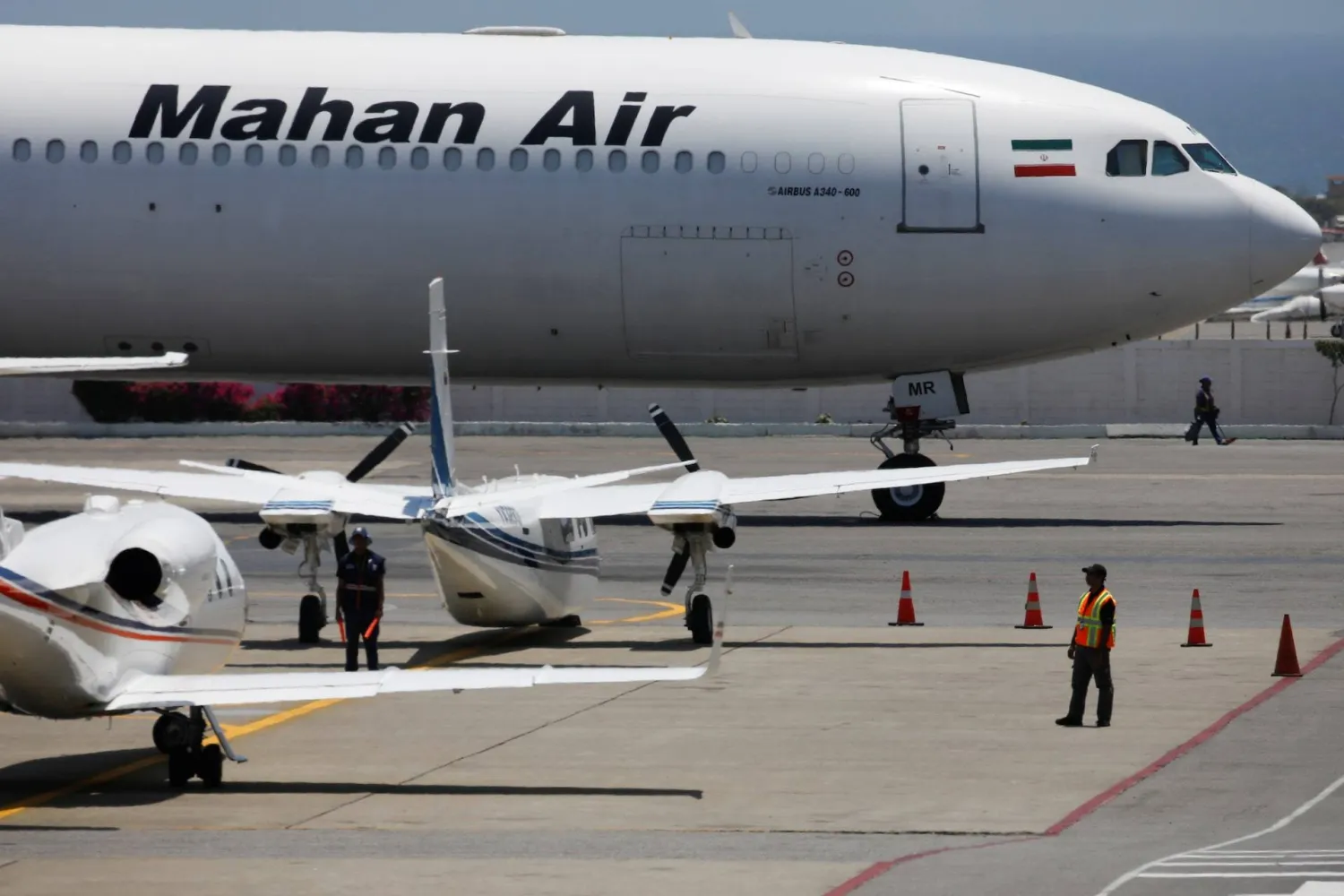
An Airbus A340-600 airplane of Mahan Air is seen at Simon Bolivar International Airport outside Caracas, Venezuela April 8, 2019. (Reuters)
TT

UAE Bars Iranian Airline Flights as US Sanctions Bite

An Airbus A340-600 airplane of Mahan Air is seen at Simon Bolivar International Airport outside Caracas, Venezuela April 8, 2019. (Reuters)

The United Arab Emirates said on Thursday it would no longer accept flights by Iranian airlines as it joins US sanctions aimed at raising economic pressure during the Middle East war.

Dubai, the UAE's commercial hub, is a major destination for Iran's carriers, with multiple daily flights, a large Iranian community and close business links.

Several other countries have suspended Iranian flights, although routes to Türkiye and China were among those that remained open.

"The General Civil Aviation Authority announced the suspension of all flights operated by Iranian airlines to and from the UAE," said a statement carried by the official WAM news agency.

The suspension, from Thursday, was "based on the US sanctions imposed on Iranian airlines preventing them from using airports around the world", the statement said.

The UAE was targeted by thousands of Iranian missiles and drones in the war's early stages. Last month, it suspended trade and financial exchanges with Iran.

On Wednesday, the UAE central bank blocked transactions to and from Iran by branches of Iran's Bank Melli, accusing it of violating laws on money laundering, terrorism and arms proliferation.

Iranian media had reported the UAE's suspension earlier on Thursday.

An Iran Airtour flight from Tehran to Dubai was cancelled shortly before its scheduled departure in the morning, after tickets had been issued, one passenger told AFP.

Dubai airport -- which offers connections to Europe, Asia and Africa -- often serves as a transit point for Iranian travelers, and is a common destination for business trips.

In early September, the US imposed sanctions on Iran's aviation sector and vowed to come down hard on companies that work with it.

Those companies had until Wednesday to comply -- by stopping refueling Iranian plans, for example -- or face the possibility of being cut off from the dollar-based financial system.

Starting on Wednesday, the main Iranian airlines were forced to cancel their international flights as neighboring countries adopted restrictive measures.

Turkmenistan also joined the list on Thursday, turning back a flight from Tehran to Dushanbe.

"Turkmenistan's refusal to allow the Iranian aircraft to pass through its airspace meant the flight could not continue on its route and had to return," Iran's Civil Aviation Organization spokesman Majid Akhavan told state news agency IRNA.

Regarding the UAE, he said "diplomatic and aviation talks are underway to remove the restrictions and restore flights" to the country.

Despite the sanctions, several small Iranian carriers continue to fly abroad, notably to China, which refuses to bow to US pressure, as well as to Armenia.

Iran has nearly 30 airlines, most operating domestic regional routes.

Iran Air, the national carrier, and Mahan, a private company, are the largest for international travel.


Civil Defense Announces Danger Has Passed in Five Saudi Cities, Including Makkah

Early Warning Sirens Activated in Makkah and Four Other Saudi Cities (SPA)
TT

Civil Defense Announces Danger Has Passed in Five Saudi Cities, Including Makkah

Early Warning Sirens Activated in Makkah and Four Other Saudi Cities (SPA)

Saudi Civil Defense announced on Thursday that the danger had passed in Makkah, Jeddah, Taif, Yanbu, and Tabuk, shortly after early warning sirens were activated as part of emergency procedures to warn of a potential danger.

Through its official account on the X platform, Saudi Civil Defense urged residents to continue following instructions, avoid gathering and filming altogether, and contact the emergency number 998 when necessary.

Earlier, Civil Defense had announced the activation of an alert through the National Early Warning Platform for Emergencies in Makkah, Jeddah, Taif, Yanbu, and Tabuk to warn of a potential danger, urging residents to remain calm and follow official instructions.

According to the safety guidelines issued by Civil Defense, residents were instructed to immediately move to the nearest safe location, either inside a building or in an interior room away from windows, and remain there until the danger had passed. They were also advised not to leave their homes or buildings during the warning period.

Civil Defense stressed the importance of staying away from open areas, windows, and glass, and of not standing on balconies or rooftops. It explained that anyone outside a building should enter the nearest building or seek shelter behind a solid barrier.

It also warned against gathering, filming, and approaching dangerous locations. Drivers who receive a warning message while driving were advised to pull over to the side of the road, away from bridges, tunnels, and high-rise buildings.

Civil Defense emphasized the importance of obtaining information from official sources and warned against circulating rumors or footage from unknown sources. It stressed the need to follow instructions issued by the relevant authorities through official channels.