


4 Detained after Germany’s Largest Ever Heroin Seizure Traced Back to Iran

German police seen in Potsdam's central train station, on June 26, 2020. (Getty Images)
TT

4 Detained after Germany’s Largest Ever Heroin Seizure Traced Back to Iran

German police seen in Potsdam's central train station, on June 26, 2020. (Getty Images)

Four people were detained after police made their largest ever seizure of heroin in Germany, prosecutors said on Friday, with police confiscating some 700 kilograms (1,543 pounds) as part of an operation against a gang smuggling narcotics from Iran.

The drugs were seized in the port city of Hamburg at the end of August. The detentions were made overnight on Thursday, when police searched 10 premises in the eastern cities of Dresden and Chemnitz, in Hamburg and in the Netherlands.

They seized documents, laptops, storage devices, smartphones and vehicles.

The detained were an unnamed 40-year-old Turkish-Serbian suspected ringleader, a 35-year-old Iranian in the Netherlands, a 54-year-old German suspected of using his firm's logistics fleet to transport drugs, and a 53-year-old Turkish go-between.

One was detained in Germany, one in Spain, and two others in the Netherlands. Prosecutors are seeking the extraditions of the three who were arrested abroad, while a court in Dresden is due to decide on Friday whether the person detained in Germany should be placed under arrest.

Trump Suggests US Could Seize Iran’s Kharg Island

FILE PHOTO: A satellite image shows an oil terminal at Kharg Island, Iran, February 25, 2026. 2026 Planet Labs PBC/Handout via REUTERS
TT

Trump Suggests US Could Seize Iran’s Kharg Island

FILE PHOTO: A satellite image shows an oil terminal at Kharg Island, Iran, February 25, 2026. 2026 Planet Labs PBC/Handout via REUTERS

US President Donald Trump has raised the idea of American forces seizing Iran’s Kharg Island, its main oil terminal in the Arabian Gulf.

“Maybe we take Kharg Island, maybe we don’t. We have a lot of options,” Trump told the Financial Times in an interview Monday. “It would also mean we had to be there (on Kharg Island) for a while.”

The US president compared the potential move to Venezuela, where the US intends to control the oil industry "indefinitely" following the capture of leader Nicolas Maduro in January.

"To be honest with you, my favourite thing is to take the oil in Iran but some stupid people back in the US say: 'why are you doing that?' But they're stupid people," he told the newspaper.

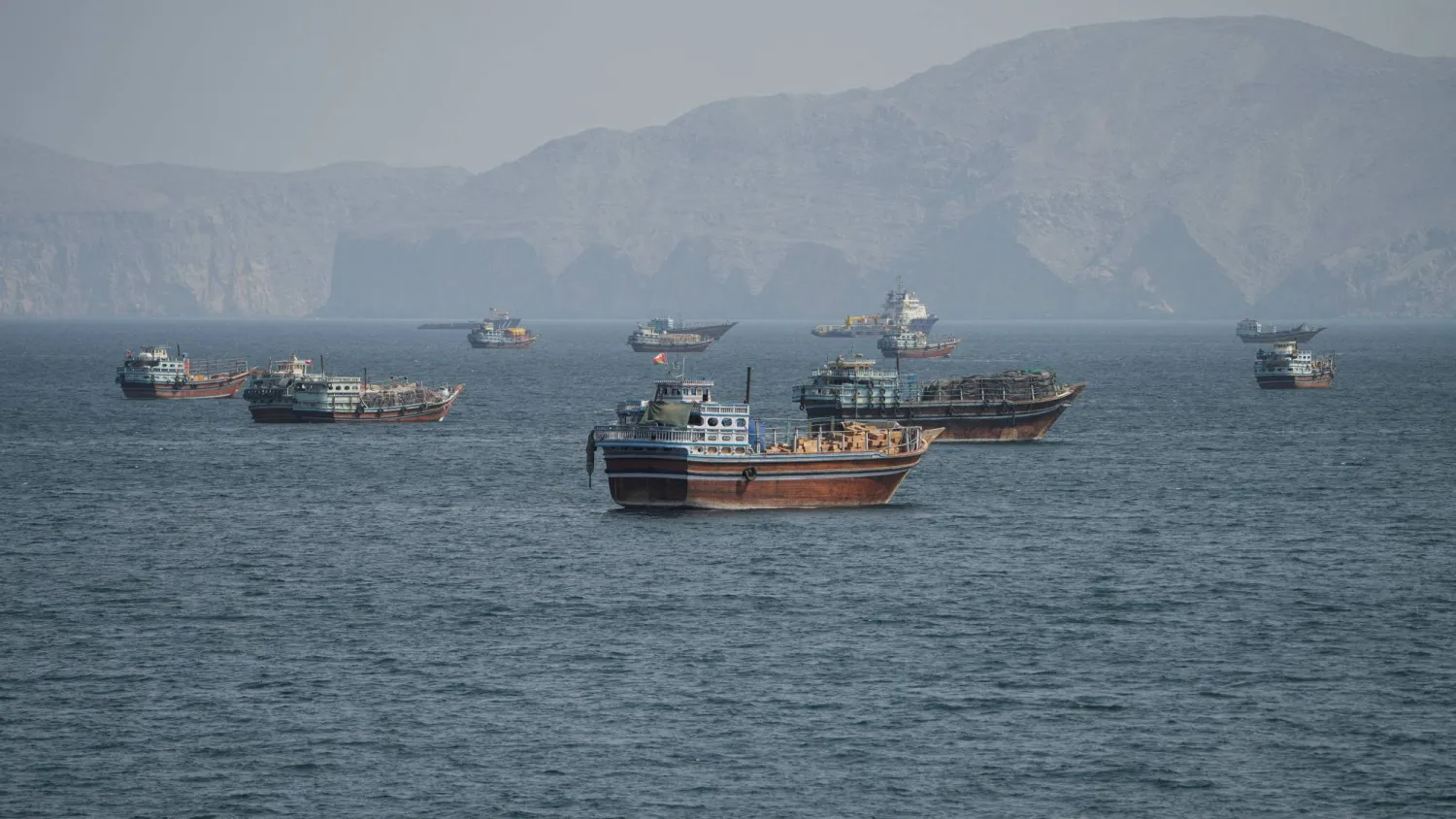
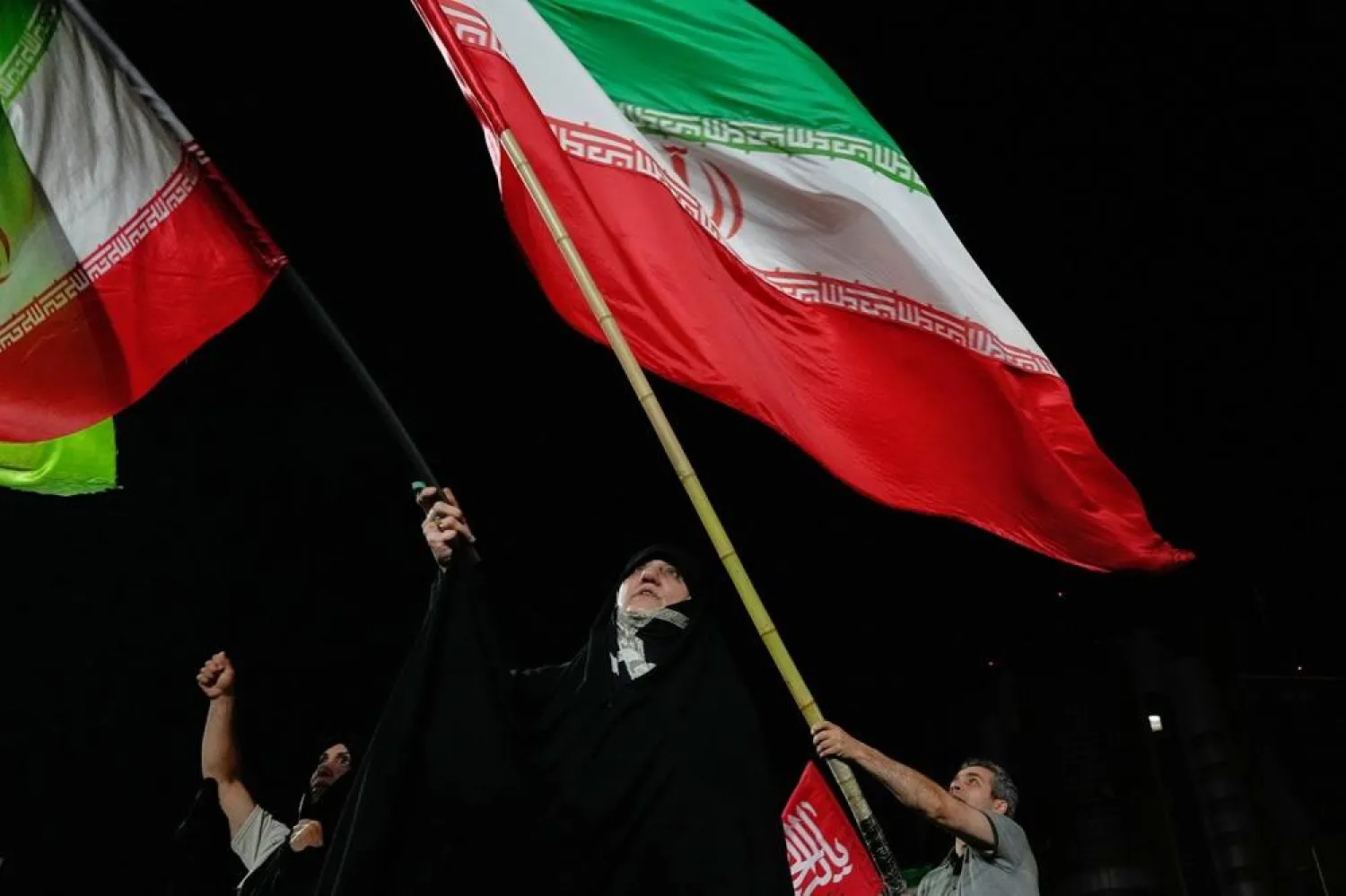
Iran has threatened to mine the Arabian Gulf if its territory is invaded. The United States and Israel kept up their attacks Monday on Iran, even as there were signs of progress in nascent ceasefire talks.

Trump also said that Iran had agreed to allow 20 ships carrying oil through the Strait of Hormuz starting Monday morning and continuing over the next few days “out of a sign of respect.”

“I would only say that we’re doing extremely well in that negotiation but you never know with Iran because we negotiate with them and then we always have to blow them up,” he said.

The war has already threatened global supplies of oil and natural gas, sparked fertilizer shortages and disrupted air travel. Iran’s grip on the strategic Strait of Hormuz has shaken markets and prices.

According to The Washington Post, the Pentagon was preparing plans for weeks of ground operations -- potentially including raids on sites near the strait -- though Trump has yet to approve any deployment.


G7 Ministers Set to Tackle Financial Fallout of Mideast War

The squeeze on supply has pushed oil and gas prices ever higher, with drastic knock-on effects for supply chains in countless industries. Brandon Bell / GETTY IMAGES NORTH AMERICA/AFP
TT

G7 Ministers Set to Tackle Financial Fallout of Mideast War

The squeeze on supply has pushed oil and gas prices ever higher, with drastic knock-on effects for supply chains in countless industries. Brandon Bell / GETTY IMAGES NORTH AMERICA/AFP

Ministers from the G7 will hold talks on Monday to unpack the economic consequences of the war in the Middle East, the French government said, as oil and gas prices continue to soar.

The United States and Israel launched strikes on Iran in late February and Tehran has hit back by targeting crude-exporting countries in the region and halting shipments through the Gulf, said AFP.

The squeeze on supply has pushed oil and natural gas prices higher, with drastic knock-on effects for supply chains in countless industries.

French Finance Minister Roland Lescure said the G7 meeting, to be held via videoconference, would include energy and finance ministers as well as central bank chiefs and the heads of other international agencies.

"There are already differences in the responses largely linked to differences in exposure to the crisis," Lescure told a news conference on Friday, stressing that Asia was particularly exposed to the turmoil.

"That is one of the reasons why we wanted to convene a G7 of finance, energy and central banks," he said.

He added that the idea was to exchange views on the impact on financial markets and the economy, later telling local media it was the first time in half a century the G7 had used this format.

The G7, an informal grouping of the US, Canada, Britain, France, Germany, Italy and Japan, helps shape policy debates in the world's wealthiest nations.

The United States has sought support from the group to help halt Iran's blockade of the Strait of Hormuz shipping route.

After a meeting last week, G7 foreign ministers said it was an "absolute necessity" for Iran to re-establish free passage through the strait and called for an end to attacks on civilian infrastructure.

- Governments scrambling -

Under increasing pressure, many governments have rolled out measures to limit the impact of supply difficulties and soaring energy prices.

But a lack of clarity over US war aims, along with uncertainty over the potential length of the conflict and the spread of hostilities, has left governments scrambling for coherent responses.

US officials, including President Donald Trump, have said their goals in the war are almost achieved, but thousands of US personnel have been sent to the region in an unprecedented military build-up.

Activists based outside Iran say the US-Israeli campaign has killed more than 3,000 people in the country, over half of them civilians, while Lebanese officials have said more than 1,000 have been killed there since Israel began attacking its territory in retaliation for Hezbollah attacks on March 2.

Officials in Israel and countries across the Gulf have also reported much smaller numbers of casualties.


Trump: US Military Building 'Massive Complex' Beneath White House Ballroom Project

US President Donald Trump holds a rendering of the East Wing modernization as he speaks to reporters aboard Air Force One. Mandel NGAN / AFP
TT

Trump: US Military Building 'Massive Complex' Beneath White House Ballroom Project

US President Donald Trump holds a rendering of the East Wing modernization as he speaks to reporters aboard Air Force One. Mandel NGAN / AFP

President Donald Trump said Sunday the US military was planning to construct a large complex beneath the new ballroom he is building at the White House.

"The military is building a massive complex under the ballroom, and that's under construction, and we're doing very well, so we're ahead of schedule," Trump told reporters aboard Air Force One.

"It's part of it, the ballroom essentially becomes a shed for what's being built under," Trump said, without elaborating on the unprecedented arrangement.

He said information about the plan had come out recently "because of a stupid lawsuit."

Last October, the former real estate developer had an entire wing of the White House bulldozed, in order to build a vast ballroom to host receptions and state dinners.

Trump speaks frequently and in great detail about the construction work, which has thus far been undertaken without the usual byzantine vetting procedures for changes to Washington's built landscape.

"We are using onyx and stones that are incredible," he recently told a press conference dedicated in part to the war in the Middle East.

The ballroom project -- one of the most ambitious undertakings at the White House in over a century -- has continued to grow in scope, with its privately-funded budget doubling from $200 to $400 million.

Eager to leave his mark on the US capital, Trump has also renamed an iconic performance venue as the "Trump-Kennedy Center," and plans to build a grand arch in Washington inspired by the Arc de Triomphe in Paris.