


Kuwait’s National Assembly Elects Al-Saadoun as Speaker

Ahmad al-Saadoun (KUNA)
TT

Kuwait’s National Assembly Elects Al-Saadoun as Speaker

Ahmad al-Saadoun (KUNA)

Kuwait’s National Assembly (parliament) on Tuesday elected lawmaker Ahmad al-Saadoun as a new speaker.

Al-Saadoun, 87, was elected unchallenged during Tuesday’s vote.

During Kuwait’s September 29 parliamentary elections, al-Saadoun swept to victory with more than 12,000 votes, the highest number in the country’s history.

Before entering the world of politics, al-Saadoun had significant contributions to Kuwait’s sports scene. In 1955, he contributed to establishing the Al-Nahda club, which in 1964 became the Kazma Sports Club.

He also took over the presidency of the Kuwait Football Association from 1968 to 1976. Al-Saadoun also assumed the position of deputy head of the Asian Football Confederation from 1974 to 1982.

In 1975, he won membership in the National Assembly for the first time.

Al-Saadoun was an assembly speaker in 1985, 1992, and 1996.

He obtained the position of deputy assembly speaker in 1981 and was elected as speaker for the first time in 1985.

However, the 1985 assembly was dissolved a year later. The Emir of Kuwait at the time issued an order to dissolve the assembly against the backdrop of a market crisis that led to the collapse of the Kuwaiti stock market.

The country then entered a prolonged political crisis, during which al-Saadoun was active, as were other leaders of democratic action, in demanding the return of constitutional life in the country.

In 1989, a political bloc called for the return of democratic life, but the government responded in 1990 by forming the “National Council” as an alternative to the “National Assembly.” This led to an escalation of widespread opposition and rejection.

After Kuwait’s liberation from the Iraqi invasion and the return of the National Assembly, al-Saadoun returned as a member and head of the assembly in 1992 and 1996.


GCC Statement Describes Iranian Attacks as Terrorist Acts Undermining Peace

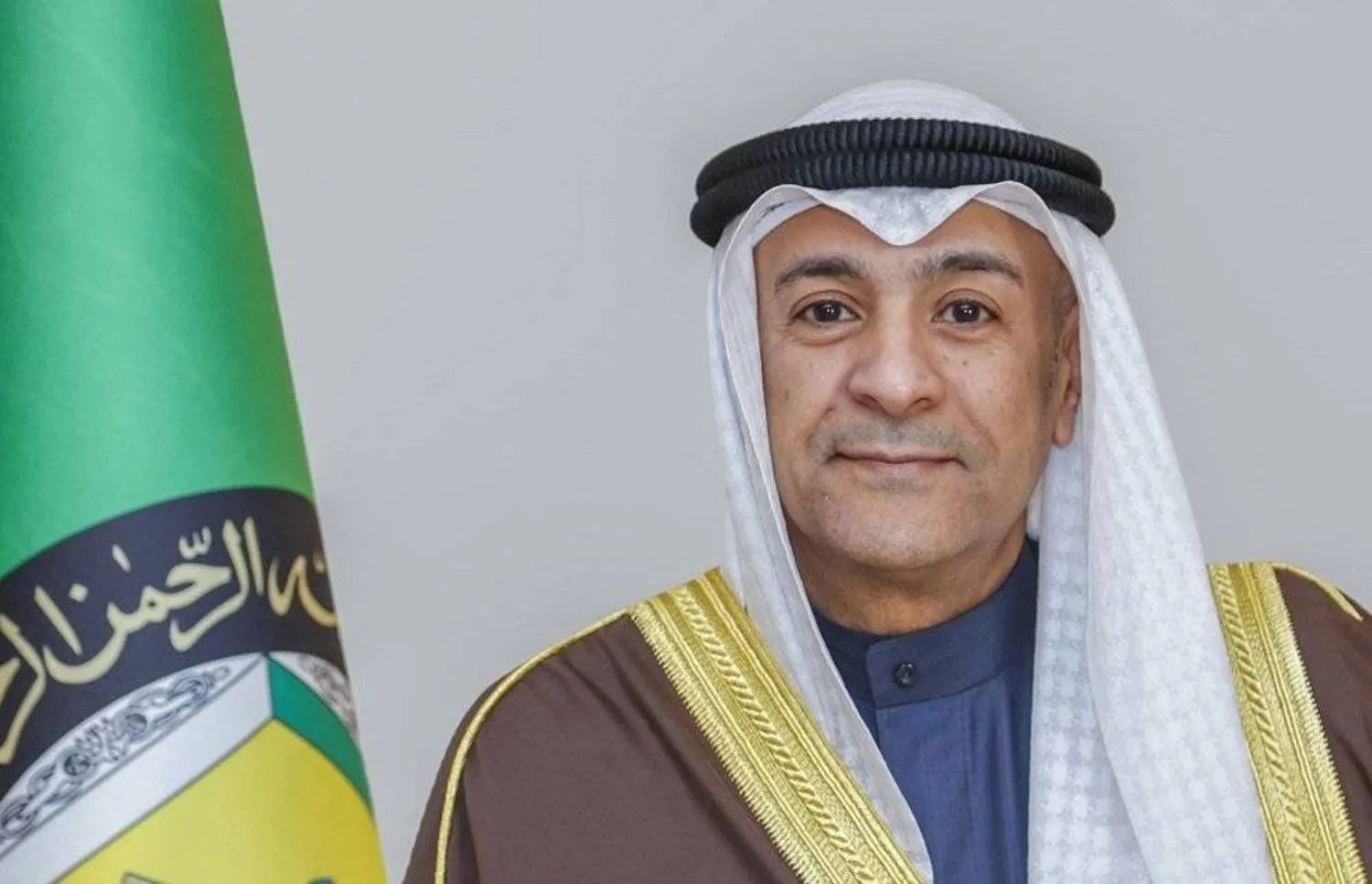
Secretary-General of the Gulf Cooperation Council (GCC) Jasem Albudaiwi. SPA
TT

GCC Statement Describes Iranian Attacks as Terrorist Acts Undermining Peace

Secretary-General of the Gulf Cooperation Council (GCC) Jasem Albudaiwi. SPA

The Gulf Cooperation Council (GCC) said on Saturday that the Iranian regime's continued terrorist acts targeting infrastructure and civilian facilities demonstrate its desire to destabilize security and stability in the region and undermine peace efforts.

GCC Secretary-General Jasem Albudaiwi condemned in the strongest terms the continuation of what he described as hostile Iranian attacks targeting Bahrain and Kuwait.

He reiterated that these "treacherous Iranian terrorist acts" represent a dangerous and irresponsible escalation, a flagrant violation of all international laws and norms, and a direct threat to regional security and stability.

Albudaiwi stressed that the security of Bahrain and Kuwait is an indivisible part of the security of the GCC nations.

He reaffirmed that the council countries stand in a united, steadfast position alongside Bahrain and Kuwait, fully supporting all measures they undertake to protect their security, safeguard their sovereignty and territorial integrity, and ensure the safety of their peoples.


Saudi Arabia Strongly Condemns Iranian Violations of Bahraini, Kuwaiti Sovereignty

Saudi Arabia Strongly Condemns Iranian Violations of Bahraini, Kuwaiti Sovereignty
TT

Saudi Arabia Strongly Condemns Iranian Violations of Bahraini, Kuwaiti Sovereignty

Saudi Arabia Strongly Condemns Iranian Violations of Bahraini, Kuwaiti Sovereignty

The Saudi Ministry of Foreign Affairs reiterated the Kingdom of Saudi Arabia’s strongest condemnation and denunciation of the malicious Iranian attacks and blatant violations of the sovereignty of the Kingdom of Bahrain and the State of Kuwait, which constitute a threat to regional and international security.

The ministry stated that the continued Iranian attacks mean further escalation, pushing the region toward heightened tensions and undermining security and stability, SPA reported.

Saudi Arabia reaffirmed that these violations undermine international efforts aimed at restoring security and stability in the region.

Saudi Arabia also renewed its solidarity with the Kingdom of Bahrain and the State of Kuwait, and its full support for all measures they take to safeguard their sovereignty, security, and stability.


Saudi Arabia Condemns Attack on UNIFIL Site in South Lebanon

Smoke rises after a drone crashed near UNIFIL's headquarters. (UNIFIL)
TT

Saudi Arabia Condemns Attack on UNIFIL Site in South Lebanon

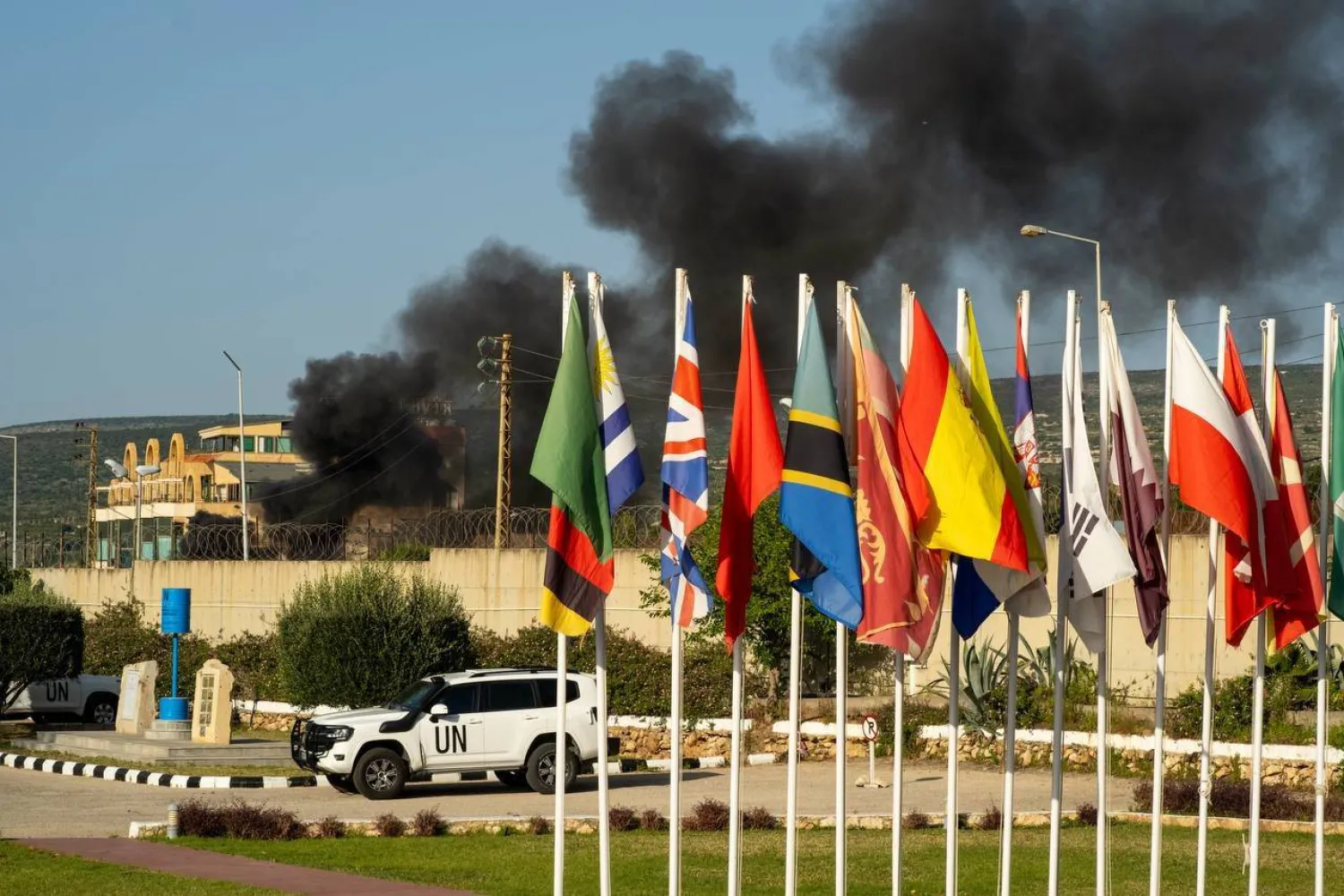
Smoke rises after a drone crashed near UNIFIL's headquarters. (UNIFIL)

The Saudi Ministry of Foreign Affairs has condemned in the strongest terms the attack on the United Nations Interim Force in Lebanon (UNIFIL) position, which resulted in the death of one soldier and injuries to others.

The Kingdom reiterated its full rejection of attacks on UNIFIL forces and called for all perpetrators of attacks against peacekeeping, relief, and humanitarian personnel to be held accountable.

The Kingdom extended its deepest condolences to the family of the deceased soldier and wished a speedy recovery to the injured.