Fears of another devastating war with Israel are fueling discontent among Hezbollah’s supporters in Lebanon, amid concerns that the Iran-backed group could again enter a conflict in support of Tehran.
Hezbollah’s opponents say the growing frustration has become increasingly difficult to contain, particularly amid Israeli threats to strike Beirut’s southern suburbs and fears that up to one million Shiites could be displaced.
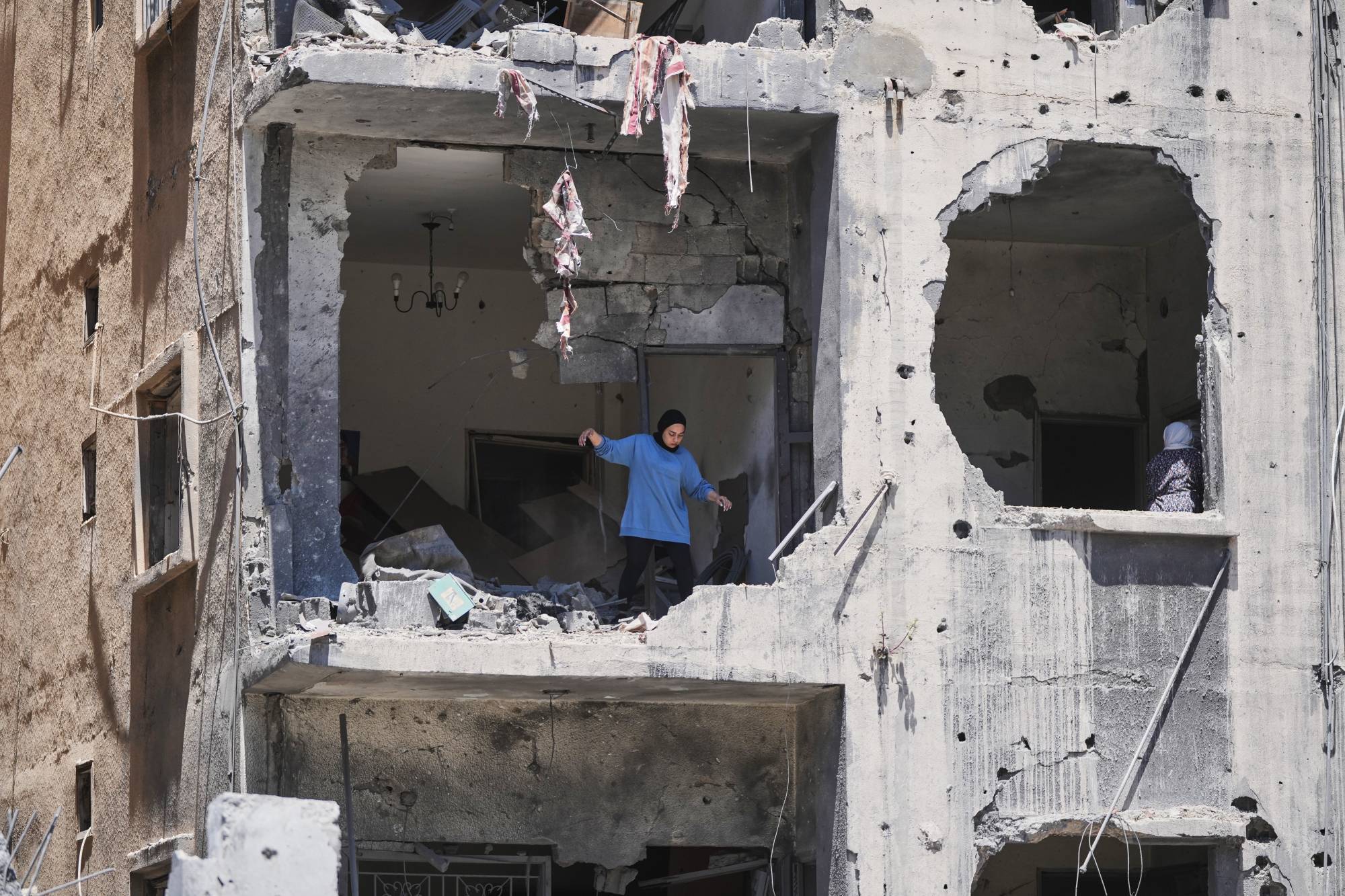
Anger has intensified since the latest war, which saw Israeli forces enter around 60 towns and villages in southern Lebanon and destroy another 20, preventing residents from returning and forcing many to rebuild their professional and educational lives elsewhere.
Hezbollah Rebuilds Military Capabilities
Despite the domestic pressure, Hezbollah has spent three months preparing for a possible resumption of hostilities with Israel after receiving cash funding from Iran, Reuters reported, citing Lebanese security officials familiar with its activities.
One security source and another close to Hezbollah told Reuters the group had received tens of millions of dollars from Tehran to strengthen its military capabilities.
Four sources familiar with its operations said Hezbollah was rebuilding command-and-control structures that had collapsed during major battles.
However, the group has yet to fully replenish its weapons stockpiles or restore its fighting forces, according to Reuters.
Hezbollah acknowledged this month that explosives seized by Lebanese authorities belonged to it and were intended for use against Israel. A Hezbollah official and a Lebanese security source told Reuters the explosives were specifically intended for explosive drones.
The group will also need to repair command-and-control capabilities after losses on key fronts, including the flashpoint town of Bint Jbeil and the strategic Ali al-Taher ridge, according to one of the Lebanese sources and three security officials.
They said Hezbollah's tactic of operating in small units and rationing the use of anti-tank rockets left some units isolated on those fronts, struggling to confront Israel's remotely operated systems including weaponized drones and armed remote-controlled vehicles.
Hezbollah has not explicitly said whether it would take part in the eruption of fresh hostilities, but its media office said it was wary of giving Israeli leaders any justification to escalate in Lebanon, particularly as the group was concerned about its constituents being displaced once more.
‘We Cannot Be Displaced Again’
Opposition to another war extends beyond Hezbollah’s political rivals to families and individuals within its own support base.
In Beirut’s southern suburbs, residents express growing frustration over the prospect of renewed fighting.
Some say the previous war failed to change the situation and instead deepened the crisis and expanded Israeli occupation. Others are exhausted by repeated displacement, fear and the prospect of returning to temporary shelters.
“We cannot be displaced again,” said Nada, 48, who spent three months with her children in a Beirut shelter during the last war.
Displacement Fears Shape Decisions
Sources familiar with Hezbollah’s internal discussions told Asharq Al-Awsat that the risk of Israeli retaliation had been central to the group’s deliberations over responding to Israeli attacks and demolition operations in southern Lebanon.
They said Hezbollah had considered the possibility of strikes on Beirut’s southern suburbs and towns deeper inside southern Lebanon.
According to the sources, the decision to delay retaliation reflected concern over the consequences of an Israeli response, rather than an inability to inflict damage.
Avoiding another wave of displacement now takes precedence in decisions involving military action, they added.
Hezbollah official Nawaf Mousawi, responsible for the group’s resources and borders portfolio, echoed that position in an interview with a local platform.
“At this stage, the resistance prefers to spare its people Israeli brutality,” he said.
New Rules of Engagement
Hezbollah’s opponents argue that the latest war has fundamentally altered deterrence and established new, undeclared rules of engagement.
Shiite sources opposed to Hezbollah told Asharq Al-Awsat that an attack on Israeli forces in occupied Lebanese territory could trigger heavy Israeli bombardment, forcing residents to flee southern Lebanon.
They said attacks on northern Israel or targets deeper inside the country could prompt strikes on Beirut’s southern suburbs.
According to the sources, efforts to spare Beirut from bombardment were linked not only to US-Iranian understandings but also to American pressure on Israel to avoid undermining direct US-sponsored negotiations between Lebanon and Israel.
They argued that pressure from Hezbollah’s own community had become a driving factor in its military decisions, particularly after the latest war and restrictions on Iranian financial transfers had alienated a significant portion of its supporters.
Widening Military Gap
The same opposition sources pointed to the growing military imbalance between Hezbollah and Israel.
They argued that Hezbollah had been unable to restore its former capabilities after the war, partly because of restrictions imposed by the Lebanese state.
Israel’s advantages in firepower and technology, they said, further undermined Hezbollah’s prospects of launching another conflict that could force an Israeli withdrawal from occupied Lebanese territory or halt Israeli operations against the group.
The sources maintained that Hezbollah’s political explanations for avoiding another war in support of Iran overlooked the military constraints now shaping its decisions.