

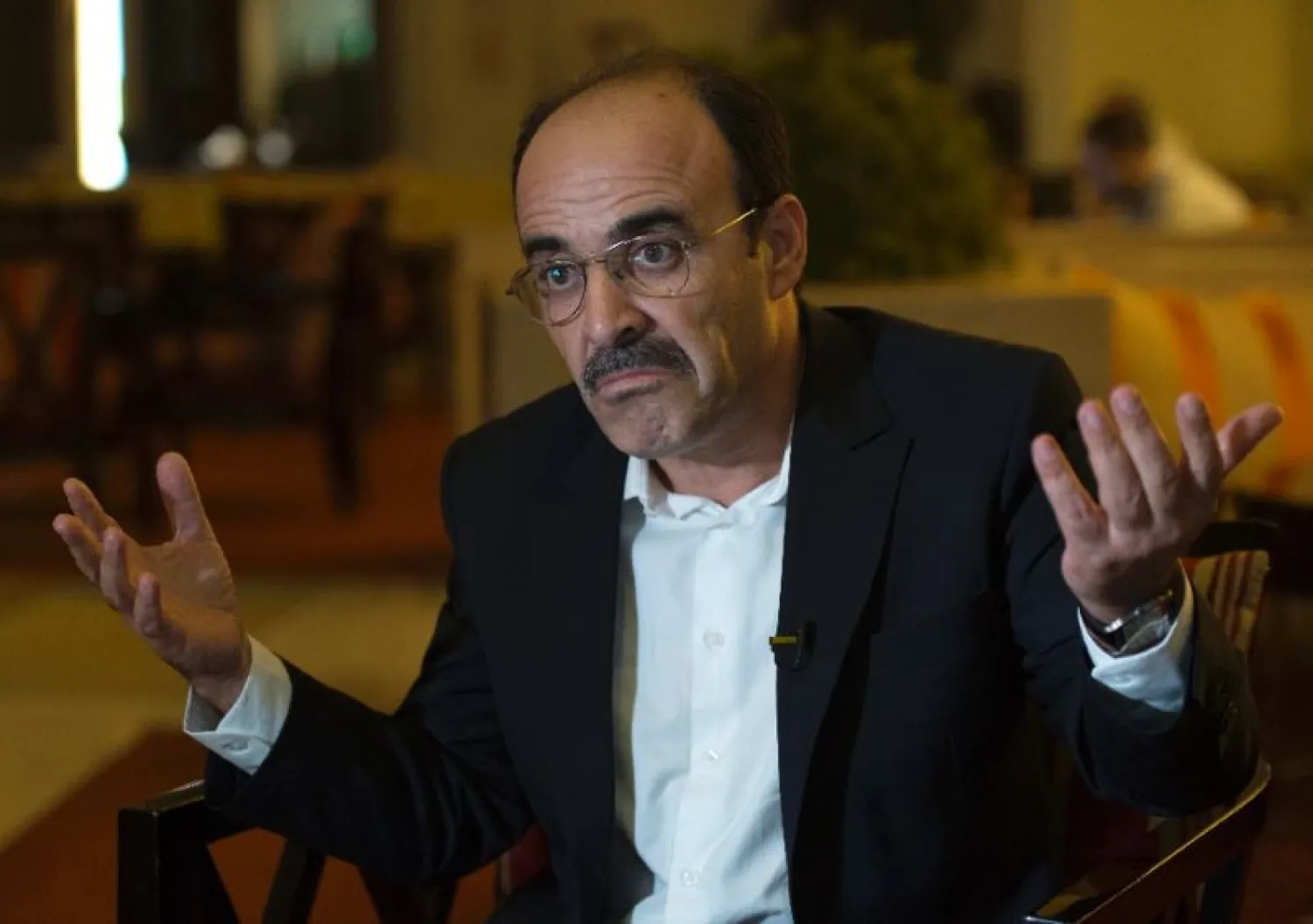

Morocco Opposition Leader Resigns

Ilyas El Omari has resigned as head of Morocco's opposition Authenticity and Modernity Party (PAM) after it came second in legislative polls last year. (AFP)
TT

Morocco Opposition Leader Resigns

Ilyas El Omari has resigned as head of Morocco's opposition Authenticity and Modernity Party (PAM) after it came second in legislative polls last year. (AFP)

Moroccan opposition chief Ilyas El Omari personally announced his decision to resign from the party’s leadership.

Speaking at a Tuesday press conference, he told reporters that his resignation from the Authenticity and Modernity Party (PAM) was “unilaterally decided.”

El Omari cited personal reasons for his departure, adding that it was a final and irreversible decision.

He expressed his dissatisfaction with the performance of his party in governing offices and said he resigned to take responsibility for the troubles facing PAM, including last year's election defeat, the party said.

The party was beaten in legislative polls in October, but more than doubled its number of seats in the new parliament.

El Omari was elected PAM Secretary General in January 2016 and vowed to lead his party to win the parliamentary elections. In the polls, his party came second behind the ruling Justice and Development Party (PJD).

A PAM statement released late on Monday said El Omari "assumes the political responsibility" of the party's decline, particularly after the election.

El Omari is also president of the regional council for the restive north and media reports said his resignation was partly linked to unrest in the neglected Rif region, which has been shaken by weeks of protests and violence this year.

“Given his political responsibility as Secretary General who has supervised the different phases, which the party has undergone for over a year, including elections, El Omari handed in his resignation from the position of PAM’s secretary general, and underlined that he will remain, as he has always been, an activist within the party and its bodies,” PAM said in the statement.


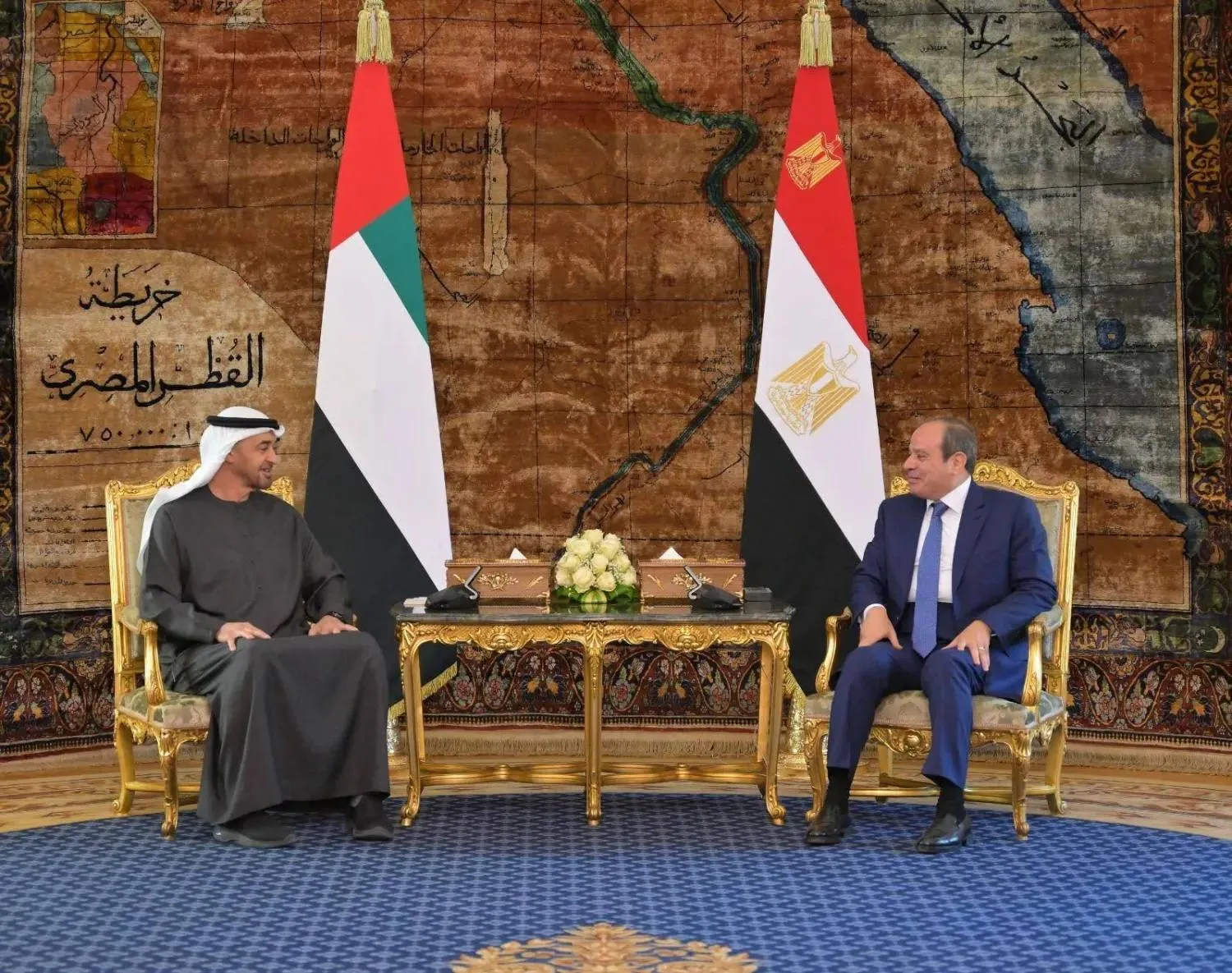
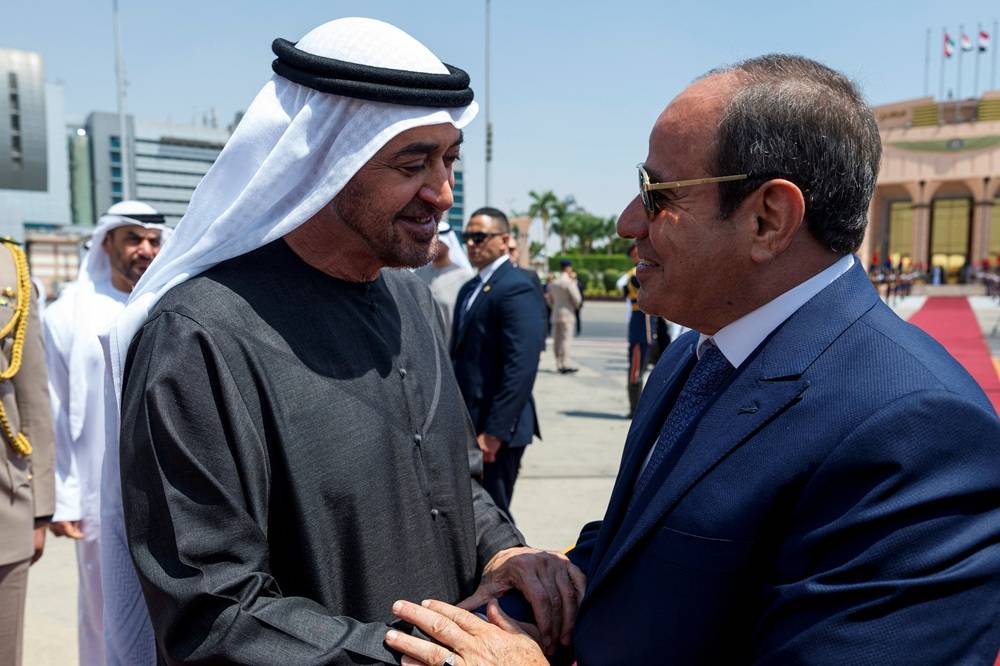
Etro Founding Family Exits Group as New Investors Including Türkiye's RAMS Global Join

L Catterton, a private equity firm backed by French luxury giant LVMH, will remain Etro's majority owner. Reuters
TT

Etro Founding Family Exits Group as New Investors Including Türkiye's RAMS Global Join

L Catterton, a private equity firm backed by French luxury giant LVMH, will remain Etro's majority owner. Reuters

The founding family of Italian fashion house Etro has sold the minority stake it still owned in the brand to a group of investors including Turkish group RAMS Global, the company said on Friday.

L Catterton, a private equity firm backed by French luxury giant LVMH, will remain Etro's majority owner and "will continue to actively support the brand's long-term growth strategy," Etro added, according to Reuters.

The new investors comprise also Italian fashion group Swinger International and small private equity firm ⁠RSI.

In addition to buying the stake, they all subscribed to a capital increase that will lower L Catterton's holding in Etro to between 51% and 55% from around 65%.

When including both the acquisition and the capital increase, the deal is worth around 70 ⁠million euros ($82 million), two sources close to the matter said. Etro did not disclose financial details.

Chief Executive Fabrizio Cardinali will remain at the helm, while Faruk Bülbül, representing RAMS Global, will become chairman of the board.

L Catterton bought a 60% stake in the brand known for its paisley motif four years ago, and it slightly increased the holding over the years.

The company, founded by Gimmo Etro in 1968, has ⁠been struggling with its turnaround. Last year it posted a net loss of 23 million euros with net revenues declining to 245 million euros from 261 million euros, according to filings with the local chambers of commerce reviewed by Reuters.

Rothschild advised L Catterton and the Etro family on the deal.

Rothschild had been hired in 2024 to look for a new investor who could buy all or part of the Etro fashion group, sources had previously told Reuters.


GCC Secretary-General Welcomes US Decision to Lift Sanctions on Syria

GCC Secretary-General Jasem Albudaiwi. SPA
TT

GCC Secretary-General Welcomes US Decision to Lift Sanctions on Syria

GCC Secretary-General Jasem Albudaiwi. SPA

Gulf Cooperation Council (GCC) Secretary-General Jasem Albudaiwi welcomed on Saturday the US decision to lift the sanctions imposed on Syria under the Caesar Act.

"This move represents a positive development that supports ongoing efforts to restore stability and improve the humanitarian and economic conditions in Syria," Albudaiwi said in a statement.

The decision will foster a more conducive environment for economic recovery and reopen Syria’s economic and investment sectors to regional and international cooperation, he said.

It will also facilitate the delivery of essential services to the Syrian people, serve the interests of the region's peoples and enhance security and stability, Albudaiwi added.

He reaffirmed the GCC's steadfast position in support of Syria’s unity, sovereignty, independence, and territorial integrity, and underscored the Council’s commitment to standing by the Syrian people in their aspirations for a future characterized by security, stability, and sustainable development.


Japan Sets $19 Billion Business Target in Central Asia

TOKYO, JAPAN - DECEMBER 20: Japan's Prime Minister Sanae Takaichi, Kazakhstan's President Kassym-Jomart Tokayev, Tajikistan's President Emomali Rahmon, Turkmenistan's President Serdar Berdimuhamedov,  Kyrgyzstan's President Sadyr Zhaparov, and Uzbekistan’s President Shavkat Mirziyoyev attend the leaders-level "Central Asia plus Japan" Dialogue (CA+JAD) summit, in Tokyo, Japan, on December 20, 2025.     David MAREUIL/Pool via REUTERS
TOKYO, JAPAN - DECEMBER 20: Japan's Prime Minister Sanae Takaichi, Kazakhstan's President Kassym-Jomart Tokayev, Tajikistan's President Emomali Rahmon, Turkmenistan's President Serdar Berdimuhamedov, Kyrgyzstan's President Sadyr Zhaparov, and Uzbekistan’s President Shavkat Mirziyoyev attend the leaders-level "Central Asia plus Japan" Dialogue (CA+JAD) summit, in Tokyo, Japan, on December 20, 2025. David MAREUIL/Pool via REUTERS
TT

Japan Sets $19 Billion Business Target in Central Asia

TOKYO, JAPAN - DECEMBER 20: Japan's Prime Minister Sanae Takaichi, Kazakhstan's President Kassym-Jomart Tokayev, Tajikistan's President Emomali Rahmon, Turkmenistan's President Serdar Berdimuhamedov,  Kyrgyzstan's President Sadyr Zhaparov, and Uzbekistan’s President Shavkat Mirziyoyev attend the leaders-level "Central Asia plus Japan" Dialogue (CA+JAD) summit, in Tokyo, Japan, on December 20, 2025.     David MAREUIL/Pool via REUTERS
TOKYO, JAPAN - DECEMBER 20: Japan's Prime Minister Sanae Takaichi, Kazakhstan's President Kassym-Jomart Tokayev, Tajikistan's President Emomali Rahmon, Turkmenistan's President Serdar Berdimuhamedov, Kyrgyzstan's President Sadyr Zhaparov, and Uzbekistan’s President Shavkat Mirziyoyev attend the leaders-level "Central Asia plus Japan" Dialogue (CA+JAD) summit, in Tokyo, Japan, on December 20, 2025. David MAREUIL/Pool via REUTERS

Japan unveiled a five-year goal on Saturday for business projects totalling $19 billion in Central Asia as Tokyo vies for influence in the resource-rich region.

The announcement came after Prime Minister Sanae Takaichi hosted an inaugural summit with the leaders of five Central Asia nations -- Kazakhstan, Kyrgyzstan, Tajikistan, Turkmenistan and Uzbekistan -- in Tokyo.

Japan "set a new target of business projects at a total amount of 3 trillion yen in 5 years in Central Asia", a joint statement said after Takaichi wrapped up her meeting with the five leaders.

Like the United States and the European Union, Japan is drawn by the region's enormous, but still mostly unexploited, natural resources in a push to diversify rare earths supplies and reduce dependence on China, AFP reported.

"It is important for Central Asia, blessed with abundant resources and energy sources, to expand its access to international markets," the statement said.

The leaders agreed to promote cooperation that can help the "strengthening of critical minerals supply chains", while also pledging to achieve economic growth and decarbonisation.

They also held separate summits with Russia's Vladimir Putin, China's Xi Jinping and EU chief Ursula von der Leyen this year.

The summit was seen as important for Japan to increase its presence in the region, said Tomohiko Uyama, a professor at Hokkaido University specializing in Central Asian politics.

"Natural resources have become a strong focus, particularly in the past year, because of China's moves involving rare earths," Uyama told AFP on Friday, referring to tight export controls introduced by Beijing this year.

The leaders agreed on Saturday to expand cooperation regarding "Trans-Caspian International Transport Route", a logistics network connecting to Europe without passing through Russia.

Efforts towards "safe, secure, and trustworthy Artificial Intelligence" were also agreed.

Tokyo has long encouraged Japanese businesses to invest in the region, although they remain cautious.

Xi visited Astana in June, and China -- which shares borders with Kazakhstan, Kyrgyzstan and Tajikistan -- has presented itself as a main commercial partner, investing in huge infrastructure projects.

The former Soviet republics still see Moscow as a strategic partner but have been spooked by Russia's invasion of Ukraine.

Other than rare earths, Kazakhstan is the world's largest uranium producer, Uzbekistan has giant gold reserves and Turkmenistan is rich in gas.

Mountainous Kyrgyzstan and Tajikistan are also opening up new mineral deposits.

However, exploiting those reserves remains complicated in the harsh and remote terrains of the impoverished states.
