


Sana’a Residents Revolt against Iran’s Militias

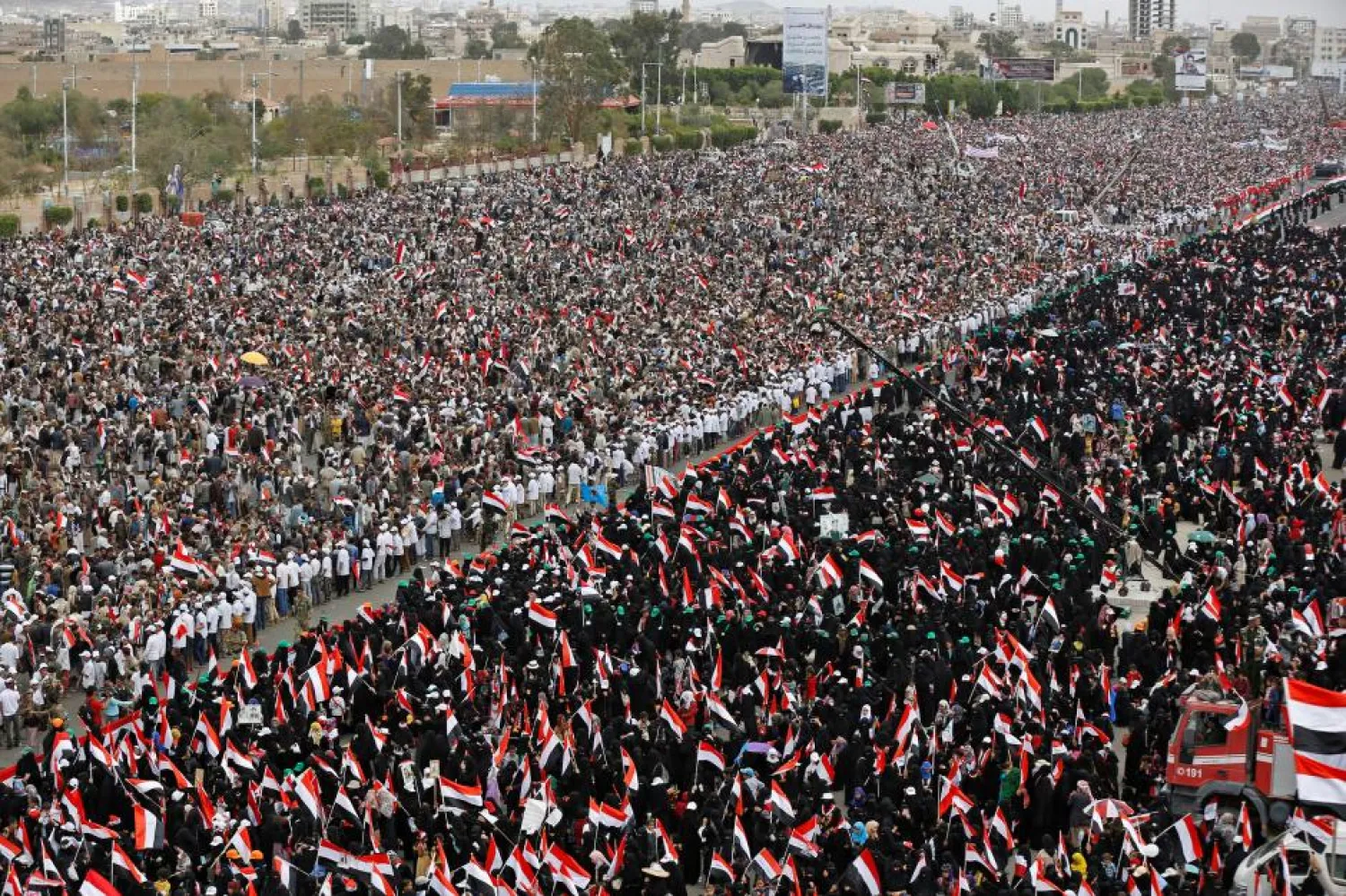
Supporters of former Yemeni President Ali Abdullah Saleh rally in Sana'a in March.(Reuters)
TT

Sana’a Residents Revolt against Iran’s Militias

Supporters of former Yemeni President Ali Abdullah Saleh rally in Sana'a in March.(Reuters)

The Yemeni people revolted on Saturday against the Iranian militias in the capital Sana’a.

They took to the streets to renew their rejection of the terrorist practices of the militias.

They welcomed the latest developments that kicked off on Wednesday with the eruption of clashes between Houthi militias and the supporters of former President Ali Abdullah Saleh.

The locals said that their country has suffered from the militias, which have turned Yemen into a swamp of Iranian terrorism.

The Yemeni people on Saturday stood against the militias’ ambitions, rejecting their ongoing aggression.

They declared that their country has had enough of three years of civilian killings and recruitment of child soldiers.

The Yemeni tribes have backed Saleh’s General People’s Congress and joined them in fighting against the Houthis in Sana’a.

The two sides have made advances against the militias, seizing control of vital security locations in the capital, as well as several government buildings.

There have also been reports of uprisings against the militia in areas outside of the capital.

The recent developments in Yemen have been positively received on the social media platforms of Twitter and Facebook, with many users saying that they have had enough with the Houthis and also rejecting “Iranian agents, who are destroying our country.”

The Houthis have feared a street uprising in Sana’a due to their targeting of civilians and their delay in paying the wages of military and civil sector employees. Several residents have also seen their businesses shut due to militia practices.

Yemenis made calls on social media to revolt against the militias, breaking the fear barrier instilled in them by the insurgents.



EU Condemns Israel's West Bank Control Measures

The Israeli settlement of Har Homa, seen from the West Bank city of Bethlehem, Tuesday, Dec. 17, 2024. (AP)
TT

EU Condemns Israel's West Bank Control Measures

The Israeli settlement of Har Homa, seen from the West Bank city of Bethlehem, Tuesday, Dec. 17, 2024. (AP)

The European Union on Monday condemned new Israeli measures to tighten control of the West Bank and pave the way for more settlements in the occupied Palestinian territory, AFP reported.

"The European Union condemns recent decisions by Israel's security cabinet to expand Israeli control in the West Bank. This move is another step in the wrong direction," EU spokesman Anouar El Anouni told journalists.


Atrocities in Sudan's El-Fasher Were 'Preventable Human Rights Catastrophe'

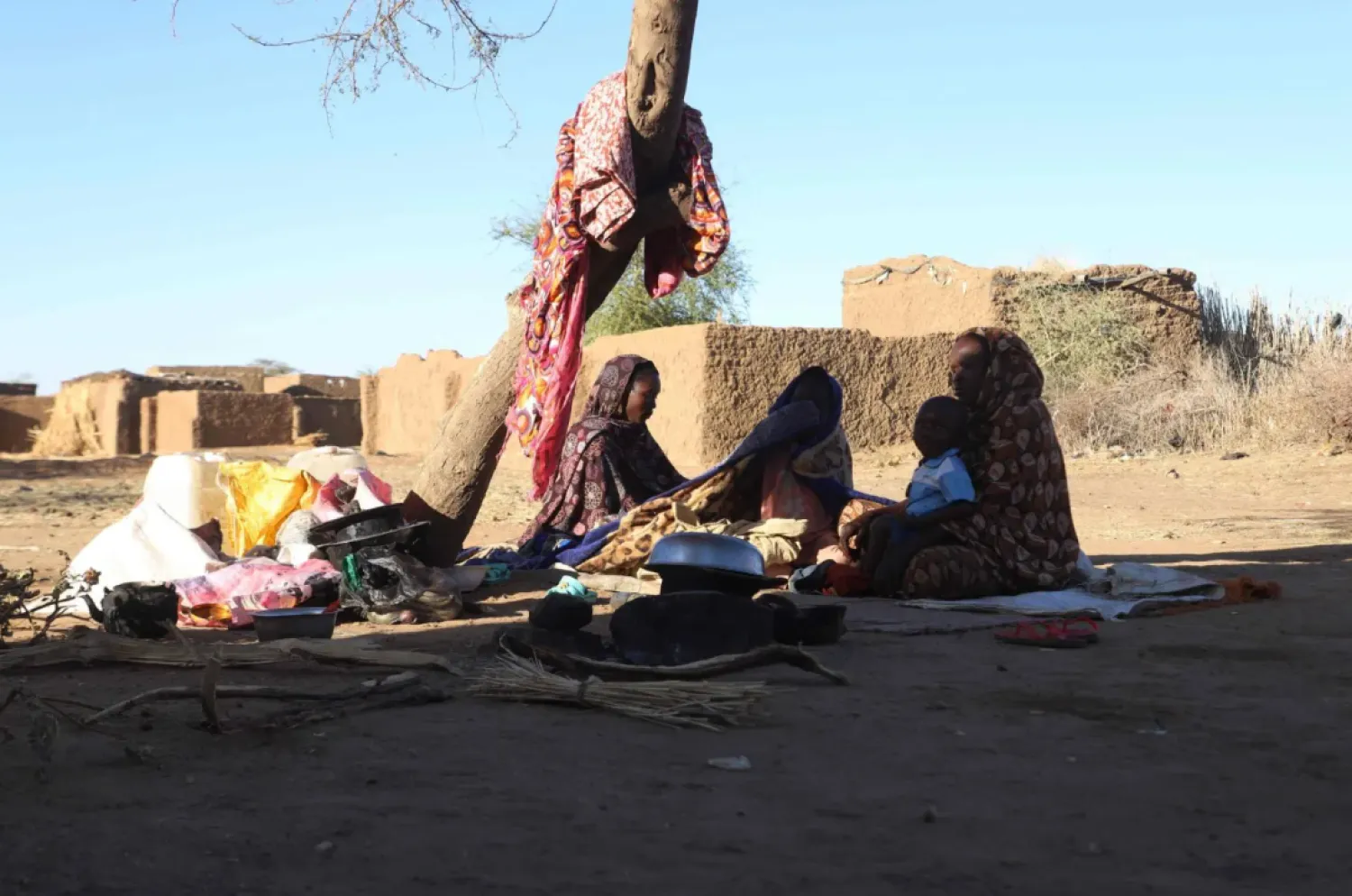
Sudanese displaced people who left El Fasher after its fall, sit in the shade in Tawila at the Rwanda camp reception point on December 17, 2025. (Photo by AFP)
TT

Atrocities in Sudan's El-Fasher Were 'Preventable Human Rights Catastrophe'

Sudanese displaced people who left El Fasher after its fall, sit in the shade in Tawila at the Rwanda camp reception point on December 17, 2025. (Photo by AFP)

The atrocities unleashed on El-Fasher in Sudan's Darfur region last October were a "preventable human rights catastrophe", the United Nations said Monday, warning they now risked being repeated in the neighbouring Kordofan region.


"My office sounded the alarm about the risk of mass atrocities in the besieged city of El-Fasher for more than a year ... but our warnings were ignored," UN rights chief Volker Turk told the Human Rights Council in Geneva.


He added that he was now "extremely concerned that these violations and abuses may be repeated in the Kordofan region".


Arab League Condemns Israel's Decisions to Alter Legal, Administrative Status of West Bank

A general view shows the opening session of the meeting of Arab foreign ministers at the Arab League Headquarters (Reuters)
TT

Arab League Condemns Israel's Decisions to Alter Legal, Administrative Status of West Bank

A general view shows the opening session of the meeting of Arab foreign ministers at the Arab League Headquarters (Reuters)

The General Secretariat of the Arab League strongly condemned decisions by Israeli occupation authorities to impose fundamental changes on the legal and administrative status of the occupied Palestinian territories, particularly in the West Bank, describing them as a dangerous escalation and a flagrant violation of international law, international legitimacy resolutions, and signed agreements, SPA reported.

In a statement, the Arab League said the measures include facilitating the confiscation of private Palestinian property and transferring planning and licensing authorities in the city of Hebron and the area surrounding the Ibrahimi Mosque to occupation authorities.

It warned of the serious repercussions of these actions on the rights of the Palestinian people and on Islamic and Christian holy sites.

The statement reaffirmed the Arab League’s firm support for the legitimate rights of the Palestinian people, foremost among them the establishment of their independent state on the June 4, 1967 borders, with East Jerusalem as its capital.