


40% of Medicine Supplies Run Out in Gaza

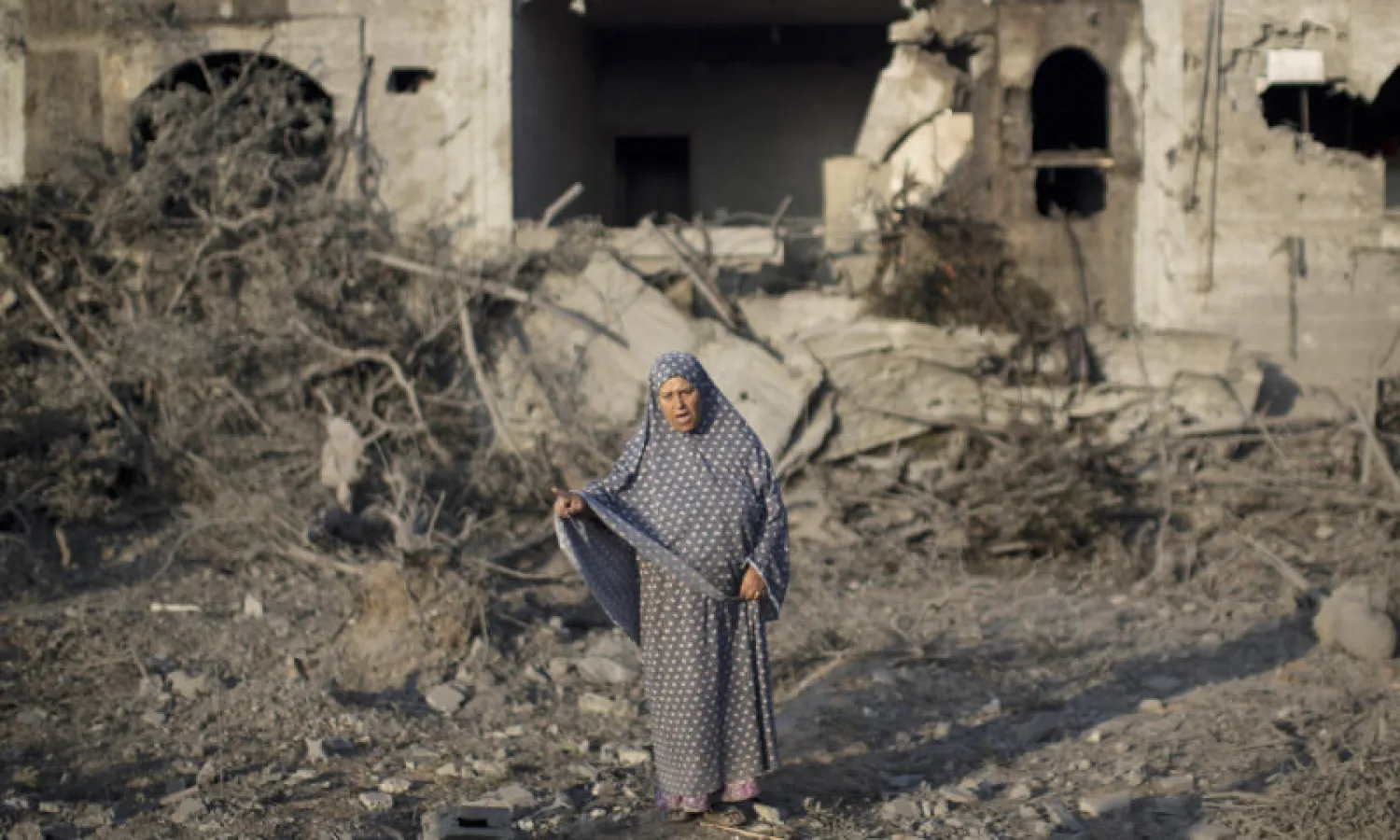
A Palestinian woman gestures as she stands amidst destruction following an Israeli military strike in Gaza City on July 08, 2014. AFP photo
TT

40% of Medicine Supplies Run Out in Gaza

A Palestinian woman gestures as she stands amidst destruction following an Israeli military strike in Gaza City on July 08, 2014. AFP photo

A group of Arab doctors from the Palestinians of 1948, returned lately to Tel Aviv from a trip to the Gaza Strip, warning in a report from a near collapse of the healthcare system.

The doctors confirmed that patients have died in the territory due to a dire shortage of drugs and medical equipment.

Those doctors, who enter the Gaza Strip once every month to help doctors there, said that out of 206 essential medicines – ie 40 percent of medications included in the basic Palestinian health basket, had run out.

A further 27 drugs, or 6 percent of the 516 medications in the basket, were about to be depleted within days or weeks, they said in their report.

The remaining types of drugs are available, but in small quantities. They include cancer treatment drugs, antibiotics, and drugs needed to treat autoimmune diseases and performing dialysis.

The report also pointed out at the risk caused by the power cuts.

“It is true that Israel resumed selling 120 megawatts of power to Gaza… However, the territory needs around 500 megawatts, while it only receives 200 megawatts per day, provided by Israel, Egypt and a power plant in Gaza,” the report explained. 

It added that there is a daily supply of electricity of only four to eight hours, while 53 hospitals in the enclave rely on generators and monthly supplies, using 450,000 litre of fuel, provided by the UN.

The world body warned last week from a likely shortage of electricity supplies to vital installations in Gaza expected in the coming 10 days.

A January report by the World Health Organization had also warned that 1,715 patients would be in immediate life-threatening situations if hospitals run out of fuel.

Also, the doctors warned in their report that Israel’s policy to reject granting permits for patients to leave the Gaza Strip and to medical workers, who need to bring medical equipment, is creating fear among families over the fate of their relatives.



EU Condemns Israel's West Bank Control Measures

The Israeli settlement of Har Homa, seen from the West Bank city of Bethlehem, Tuesday, Dec. 17, 2024. (AP)
TT

EU Condemns Israel's West Bank Control Measures

The Israeli settlement of Har Homa, seen from the West Bank city of Bethlehem, Tuesday, Dec. 17, 2024. (AP)

The European Union on Monday condemned new Israeli measures to tighten control of the West Bank and pave the way for more settlements in the occupied Palestinian territory, AFP reported.

"The European Union condemns recent decisions by Israel's security cabinet to expand Israeli control in the West Bank. This move is another step in the wrong direction," EU spokesman Anouar El Anouni told journalists.


Atrocities in Sudan's El-Fasher Were 'Preventable Human Rights Catastrophe'

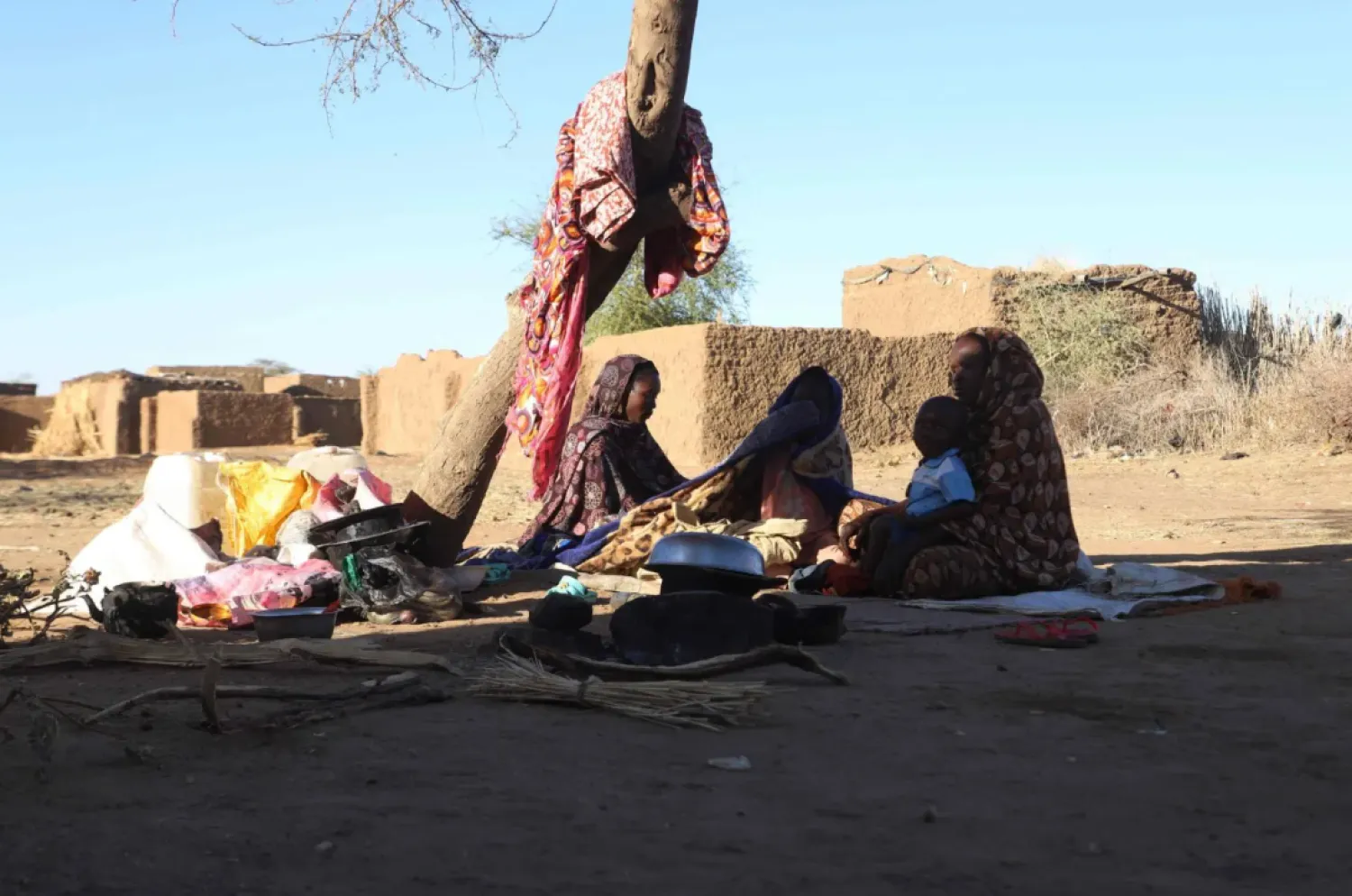
Sudanese displaced people who left El Fasher after its fall, sit in the shade in Tawila at the Rwanda camp reception point on December 17, 2025. (Photo by AFP)
TT

Atrocities in Sudan's El-Fasher Were 'Preventable Human Rights Catastrophe'

Sudanese displaced people who left El Fasher after its fall, sit in the shade in Tawila at the Rwanda camp reception point on December 17, 2025. (Photo by AFP)

The atrocities unleashed on El-Fasher in Sudan's Darfur region last October were a "preventable human rights catastrophe", the United Nations said Monday, warning they now risked being repeated in the neighbouring Kordofan region.


"My office sounded the alarm about the risk of mass atrocities in the besieged city of El-Fasher for more than a year ... but our warnings were ignored," UN rights chief Volker Turk told the Human Rights Council in Geneva.


He added that he was now "extremely concerned that these violations and abuses may be repeated in the Kordofan region".


Arab League Condemns Israel's Decisions to Alter Legal, Administrative Status of West Bank

A general view shows the opening session of the meeting of Arab foreign ministers at the Arab League Headquarters (Reuters)
TT

Arab League Condemns Israel's Decisions to Alter Legal, Administrative Status of West Bank

A general view shows the opening session of the meeting of Arab foreign ministers at the Arab League Headquarters (Reuters)

The General Secretariat of the Arab League strongly condemned decisions by Israeli occupation authorities to impose fundamental changes on the legal and administrative status of the occupied Palestinian territories, particularly in the West Bank, describing them as a dangerous escalation and a flagrant violation of international law, international legitimacy resolutions, and signed agreements, SPA reported.

In a statement, the Arab League said the measures include facilitating the confiscation of private Palestinian property and transferring planning and licensing authorities in the city of Hebron and the area surrounding the Ibrahimi Mosque to occupation authorities.

It warned of the serious repercussions of these actions on the rights of the Palestinian people and on Islamic and Christian holy sites.

The statement reaffirmed the Arab League’s firm support for the legitimate rights of the Palestinian people, foremost among them the establishment of their independent state on the June 4, 1967 borders, with East Jerusalem as its capital.