

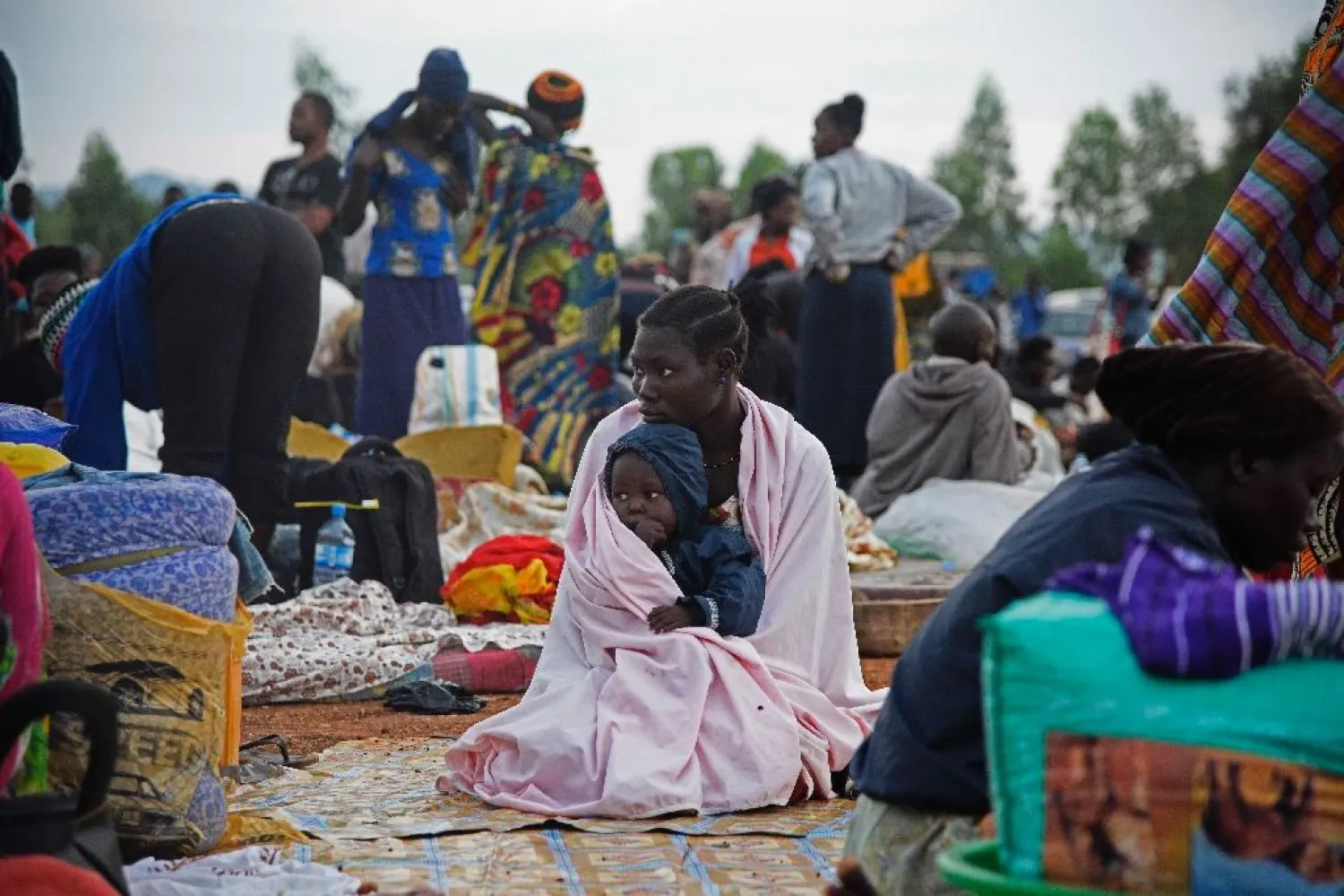

Khartoum: UN Human Settlement Program to Aid 185,000 Refugees

Refugees from South Sudan. (AFP)
TT

Khartoum: UN Human Settlement Program to Aid 185,000 Refugees

Refugees from South Sudan. (AFP)

The United Nations launched a human settlement support program in Sudan, which will benefit communities in the White Nile state, hosting 185,000 refugees fleeing the war-torn south.

Japan is playing a role in the support program. An estimated 67,000 Sudanese people, returning to South Sudan, will also benefit from the program

Head of the Sudan United Nations Human Settlements Program (UN-Habitat), Wael Al-Ashhab told a press conference in Khartoum on Wednesday that his government-supported program launched a project to support host communities affected by the massive refugee influx.

According to the UN official, the project aims to provide “safe and clean markets” that will be accessible centers for host communities and returning citizens from South Sudan.

The project includes self-sustaining community development, training and empowerment for young people and women, a set of environmentally friendly materials, and setting conditions to move from emergency response to long-term solutions to population issues in the region.

According to Al-Ashhab, the White Nile State hosts 185,000 refugees from South Sudan, about 36.5 percent of the total 455,000 displaced refugees.

For his part, Japan’s Ambassador in Khartoum Shinji Urabayashi told reporters that the aim of the project is ultimately the successful integration of refugees and the local population.

“It is very important to integrate refugees and members of the community together and involve them in improving their living environment ... That this process of cooperation will create harmony between members of society and refugees,” he added.

Less than two years after South Sudan's secession from Sudan and its transformation into an independent state in 2011, a bitter war broke out between the ruling factions.

Conflict over power has turned into a civil war between the Dinka clans, resulting in the death of tens of thousands of people and the displacement of nearly two million people.



EU Condemns Israel's West Bank Control Measures

The Israeli settlement of Har Homa, seen from the West Bank city of Bethlehem, Tuesday, Dec. 17, 2024. (AP)
TT

EU Condemns Israel's West Bank Control Measures

The Israeli settlement of Har Homa, seen from the West Bank city of Bethlehem, Tuesday, Dec. 17, 2024. (AP)

The European Union on Monday condemned new Israeli measures to tighten control of the West Bank and pave the way for more settlements in the occupied Palestinian territory, AFP reported.

"The European Union condemns recent decisions by Israel's security cabinet to expand Israeli control in the West Bank. This move is another step in the wrong direction," EU spokesman Anouar El Anouni told journalists.


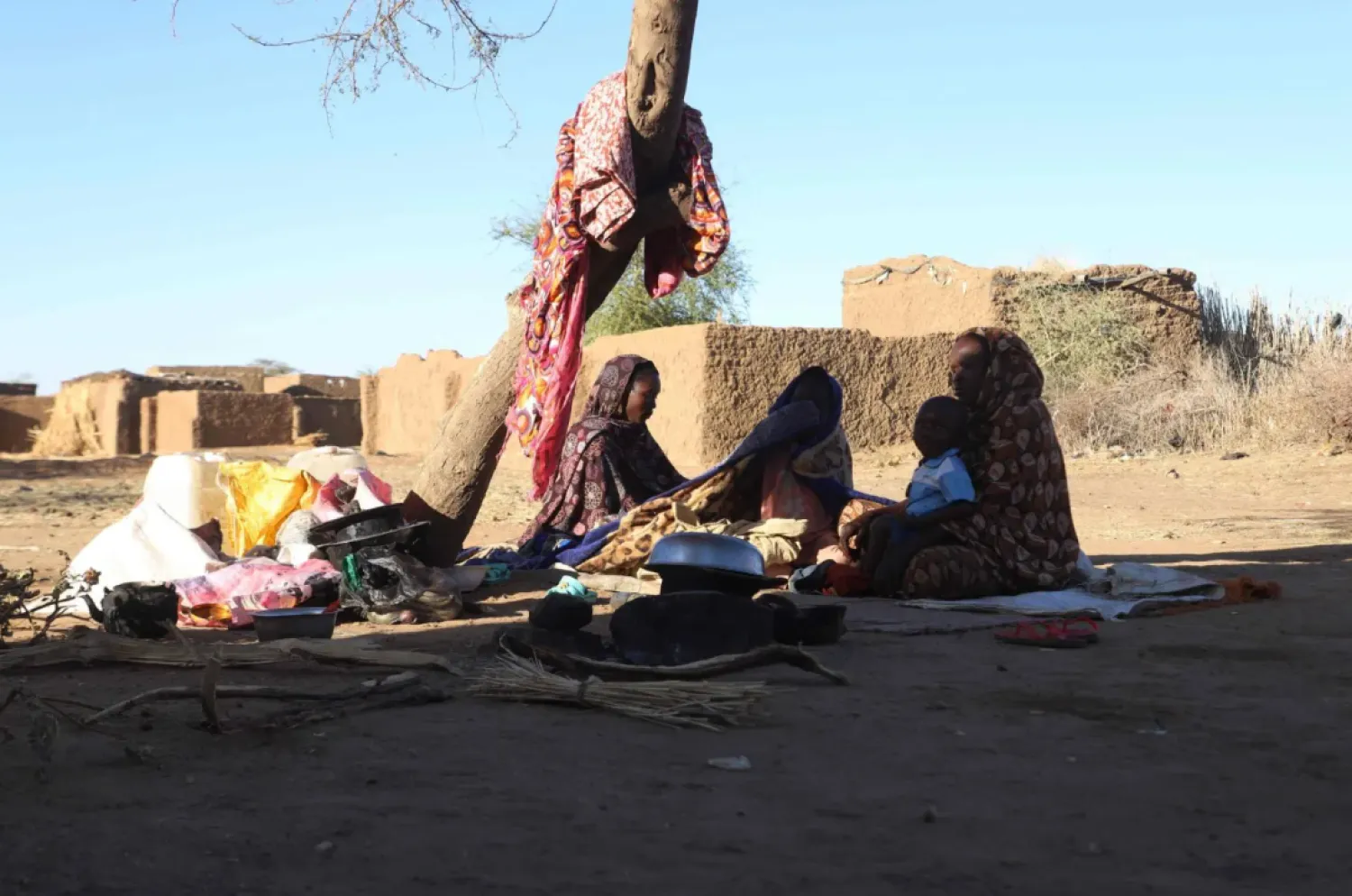
Atrocities in Sudan's El-Fasher Were 'Preventable Human Rights Catastrophe'

Sudanese displaced people who left El Fasher after its fall, sit in the shade in Tawila at the Rwanda camp reception point on December 17, 2025. (Photo by AFP)
TT

Atrocities in Sudan's El-Fasher Were 'Preventable Human Rights Catastrophe'

Sudanese displaced people who left El Fasher after its fall, sit in the shade in Tawila at the Rwanda camp reception point on December 17, 2025. (Photo by AFP)

The atrocities unleashed on El-Fasher in Sudan's Darfur region last October were a "preventable human rights catastrophe", the United Nations said Monday, warning they now risked being repeated in the neighbouring Kordofan region.


"My office sounded the alarm about the risk of mass atrocities in the besieged city of El-Fasher for more than a year ... but our warnings were ignored," UN rights chief Volker Turk told the Human Rights Council in Geneva.


He added that he was now "extremely concerned that these violations and abuses may be repeated in the Kordofan region".


Arab League Condemns Israel's Decisions to Alter Legal, Administrative Status of West Bank

A general view shows the opening session of the meeting of Arab foreign ministers at the Arab League Headquarters (Reuters)
TT

Arab League Condemns Israel's Decisions to Alter Legal, Administrative Status of West Bank

A general view shows the opening session of the meeting of Arab foreign ministers at the Arab League Headquarters (Reuters)

The General Secretariat of the Arab League strongly condemned decisions by Israeli occupation authorities to impose fundamental changes on the legal and administrative status of the occupied Palestinian territories, particularly in the West Bank, describing them as a dangerous escalation and a flagrant violation of international law, international legitimacy resolutions, and signed agreements, SPA reported.

In a statement, the Arab League said the measures include facilitating the confiscation of private Palestinian property and transferring planning and licensing authorities in the city of Hebron and the area surrounding the Ibrahimi Mosque to occupation authorities.

It warned of the serious repercussions of these actions on the rights of the Palestinian people and on Islamic and Christian holy sites.

The statement reaffirmed the Arab League’s firm support for the legitimate rights of the Palestinian people, foremost among them the establishment of their independent state on the June 4, 1967 borders, with East Jerusalem as its capital.