
Egypt: Parliament Approves Forming Supreme Council for Countering Terrorism

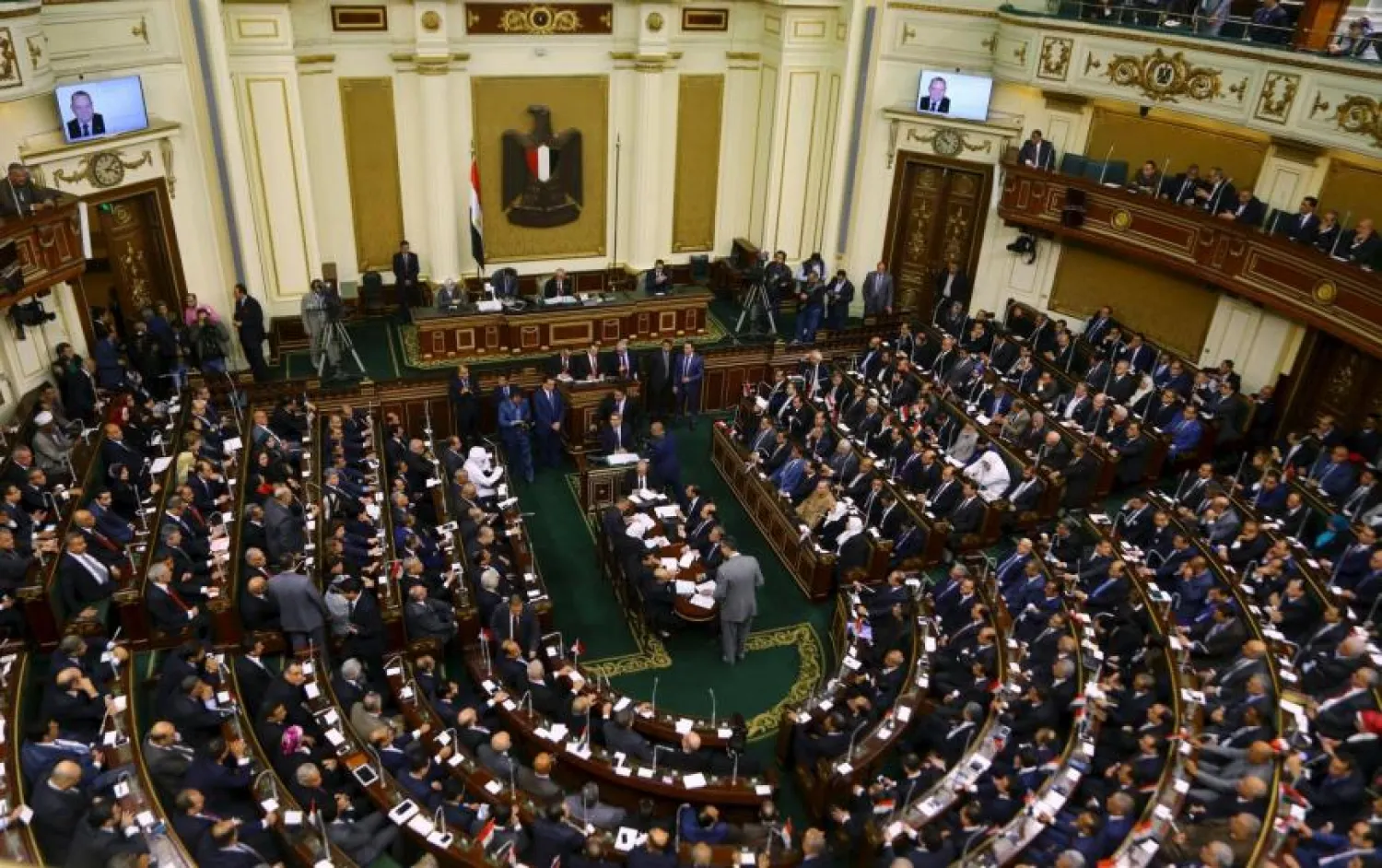
A general view shows members of the Egyptian parliament attending the opening session at the main headquarters of Parliament in Cairo, Egypt, January 10, 2016. REUTERS/Stringer
TT

Egypt: Parliament Approves Forming Supreme Council for Countering Terrorism

A general view shows members of the Egyptian parliament attending the opening session at the main headquarters of Parliament in Cairo, Egypt, January 10, 2016. REUTERS/Stringer

Egypt’s parliament preliminarily approved on Monday a draft law on establishing a Supreme Council for ‎Combating Terrorism and Extremism ‎‎(SCCTE), which is headed by the Egyptian president and includes 18 official members.

The Prime Minister, the speaker of the House of Representatives, and defense and interior ministers are expected to occupy seats in the council.

"The council will consist of the prime ‎minister, parliament speaker, grand sheikh ‎of Al-Azhar, Pope of the Coptic Church, ‎minister of defence, minister of religious endowments, ‎minister of youth and sports, minister of ‎social solidarity, minister of foreign affairs, ‎minister of interior, minister justice, minister ‎of telecommunications, minister of ‎education, and minister of higher ‎education," says the law, adding that "it ‎will also include chief of general ‎intelligence, head of the Administrative ‎Control Authority (ADA), and other public ‎figures who can contribute to SCCTE's ‎strategy."‎

Last July, President Abdel Fattah al-Sisi issued a decree establishing the council to develop policies aimed at “countering extremism.”

The new draft law aims at committing the state to confront terrorism in all its forms and its sources of funding according to a specific timetable, whilst protecting rights and freedoms by mobilizing social institutional capacities to reduce and counter causes of terrorism, the bill says.

Parliamentary sources said that a number of deputies demanded that the SCCTE should include civilian experts.

Sources pointed out that “the council will also aim to address the aftermath of terrorism.”

Egypt is fighting ISIS’ self-proclaimed state in Sinai which has been advocating terrorism in the Sinai Peninsula since the ousting of former president Mohamed Morsi from power in 2013.

The SCCTE also faces elements and armed movements belonging to the Muslim Brotherhood, which Egypt considers a terrorist organization.

Muslim Brotherhood militants have cranked up violence in the past months, targeting both civilians and police alike.

Most MPs heaped praise on the law, ‎agreeing that it will help forge a national ‎strategy necessary to help the country's ‎battle against terrorism and extremism.

MP ‎Abdel-Fattah Mohamed said "Muslim ‎Brotherhood-affiliated elements are still ‎widespread in government sectors and ‎schools, and the role of the new council is ‎to strike with an iron hand on these elements."‎

Article one of the law states that the council will forge ‎a national anti-terrorism and counter-extremism strategy ‎every five years.

“This strategy should ‎mobilize all the country's forces to combat ‎terrorism and extremism,” reads the article, ‎adding that “the SCCTE's headquarters will ‎be in Cairo.”


EU Condemns Israel's West Bank Control Measures

The Israeli settlement of Har Homa, seen from the West Bank city of Bethlehem, Tuesday, Dec. 17, 2024. (AP)
TT

EU Condemns Israel's West Bank Control Measures

The Israeli settlement of Har Homa, seen from the West Bank city of Bethlehem, Tuesday, Dec. 17, 2024. (AP)

The European Union on Monday condemned new Israeli measures to tighten control of the West Bank and pave the way for more settlements in the occupied Palestinian territory, AFP reported.

"The European Union condemns recent decisions by Israel's security cabinet to expand Israeli control in the West Bank. This move is another step in the wrong direction," EU spokesman Anouar El Anouni told journalists.


Atrocities in Sudan's El-Fasher Were 'Preventable Human Rights Catastrophe'

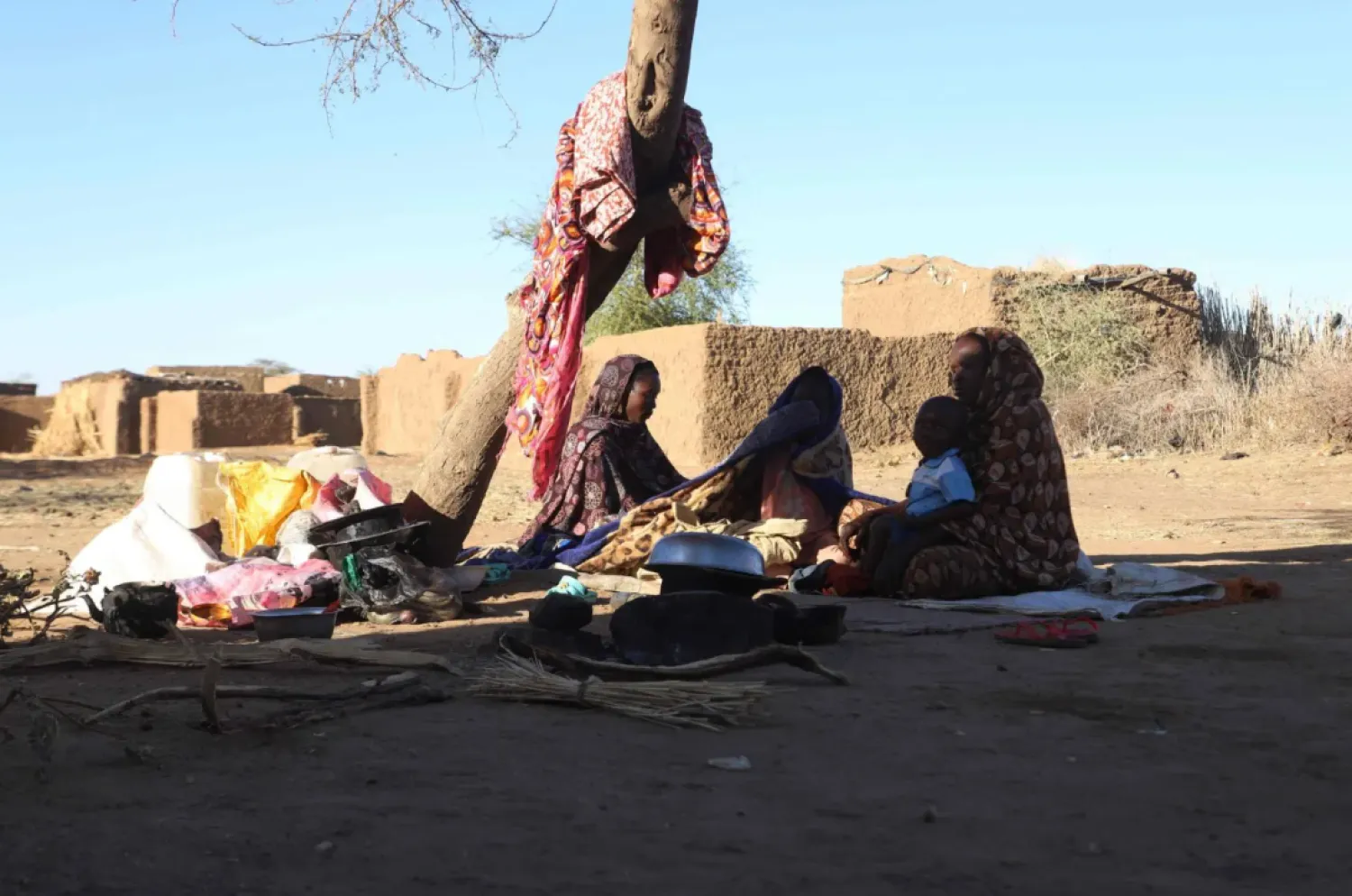
Sudanese displaced people who left El Fasher after its fall, sit in the shade in Tawila at the Rwanda camp reception point on December 17, 2025. (Photo by AFP)
TT

Atrocities in Sudan's El-Fasher Were 'Preventable Human Rights Catastrophe'

Sudanese displaced people who left El Fasher after its fall, sit in the shade in Tawila at the Rwanda camp reception point on December 17, 2025. (Photo by AFP)

The atrocities unleashed on El-Fasher in Sudan's Darfur region last October were a "preventable human rights catastrophe", the United Nations said Monday, warning they now risked being repeated in the neighbouring Kordofan region.


"My office sounded the alarm about the risk of mass atrocities in the besieged city of El-Fasher for more than a year ... but our warnings were ignored," UN rights chief Volker Turk told the Human Rights Council in Geneva.


He added that he was now "extremely concerned that these violations and abuses may be repeated in the Kordofan region".


Arab League Condemns Israel's Decisions to Alter Legal, Administrative Status of West Bank

A general view shows the opening session of the meeting of Arab foreign ministers at the Arab League Headquarters (Reuters)
TT

Arab League Condemns Israel's Decisions to Alter Legal, Administrative Status of West Bank

A general view shows the opening session of the meeting of Arab foreign ministers at the Arab League Headquarters (Reuters)

The General Secretariat of the Arab League strongly condemned decisions by Israeli occupation authorities to impose fundamental changes on the legal and administrative status of the occupied Palestinian territories, particularly in the West Bank, describing them as a dangerous escalation and a flagrant violation of international law, international legitimacy resolutions, and signed agreements, SPA reported.

In a statement, the Arab League said the measures include facilitating the confiscation of private Palestinian property and transferring planning and licensing authorities in the city of Hebron and the area surrounding the Ibrahimi Mosque to occupation authorities.

It warned of the serious repercussions of these actions on the rights of the Palestinian people and on Islamic and Christian holy sites.

The statement reaffirmed the Arab League’s firm support for the legitimate rights of the Palestinian people, foremost among them the establishment of their independent state on the June 4, 1967 borders, with East Jerusalem as its capital.