


Israeli Defense Minister: We Don’t Want War in Gaza, Lebanon

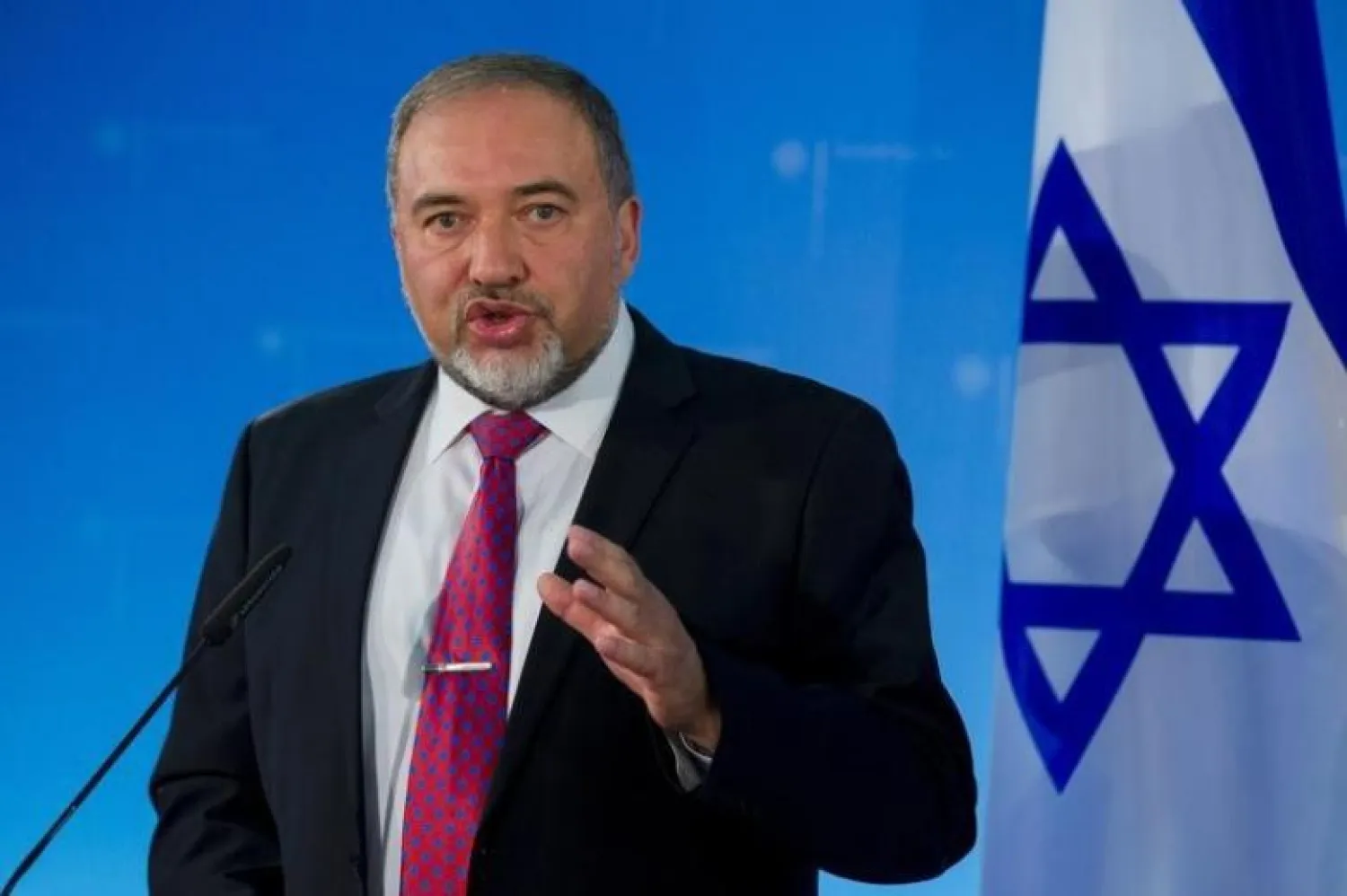
Israeli Foreign Minister Avigdor Lieberman speaks during a news conference after talks with his German counterpart Frank-Walter Steinmeier in Berlin June 30, 2014. REUTERS/Thomas Peter
TT

Israeli Defense Minister: We Don’t Want War in Gaza, Lebanon

Israeli Foreign Minister Avigdor Lieberman speaks during a news conference after talks with his German counterpart Frank-Walter Steinmeier in Berlin June 30, 2014. REUTERS/Thomas Peter

Israeli Defense Minister Avigdor Lieberman said that Israel did not want to fight in Gaza or Lebanon again, nor would it get involved in the Syrian war, stressing that this was the Israeli approach at the current time.

The minister, however, warned that his country would not allow Iranians to acquire nuclear arms or to build a military base in Syria that would threaten Israel’s stability.

Speaking during a political seminar on the regional situation in the Middle East hosted by the Washington Institute for Near East Policy, Lieberman said that Israel was seeking a comprehensive solution with the Arab world to settle the Palestinian issue.

He stressed, on the other hand, that there “is no peace, and no peace process,” pointing out that the real conflict “is not between Israel and the Palestinians, but between Israel and the Arab world.”

“The Palestinians do not have the ability to sign an agreement alone. There is no Palestinian Authority at present, but different factions on the ground in different places,” he stated.

Lieberman went on to say that peace in the Middle East was not realistic, but an illusion. “The biggest problem in the Middle East is not Israel, but its Arab society,” he noted.

The Israeli defense minister stressed that his country did not want to fight a new war in Gaza or Lebanon, nor to get involved in the Syrian war, but wanted to live in peace. He added that Israel’s goal at the present time was to develop security, economy and society.

On the Iranian issue, Lieberman said that Israel would not allow Tehran and the Iranian regime to possess nuclear weapons or to build military bases or warplanes in Syria that threaten Israeli security.

He hoped that Iran had the necessary intelligence not to provoke Israel and create a new conflict, saying: “We have no ambitions to hurt Iran.”



EU Condemns Israel's West Bank Control Measures

The Israeli settlement of Har Homa, seen from the West Bank city of Bethlehem, Tuesday, Dec. 17, 2024. (AP)
TT

EU Condemns Israel's West Bank Control Measures

The Israeli settlement of Har Homa, seen from the West Bank city of Bethlehem, Tuesday, Dec. 17, 2024. (AP)

The European Union on Monday condemned new Israeli measures to tighten control of the West Bank and pave the way for more settlements in the occupied Palestinian territory, AFP reported.

"The European Union condemns recent decisions by Israel's security cabinet to expand Israeli control in the West Bank. This move is another step in the wrong direction," EU spokesman Anouar El Anouni told journalists.


Atrocities in Sudan's El-Fasher Were 'Preventable Human Rights Catastrophe'

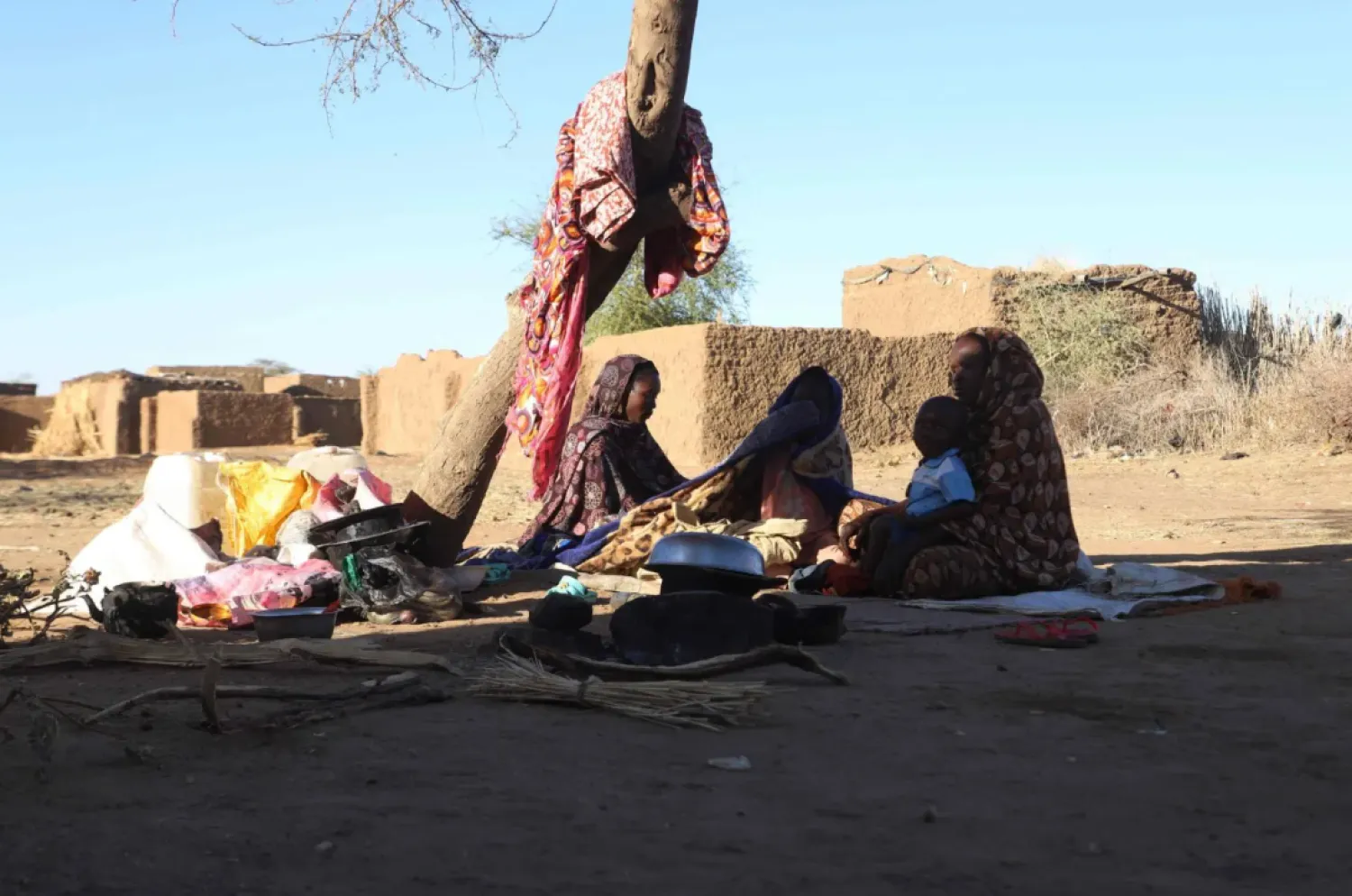
Sudanese displaced people who left El Fasher after its fall, sit in the shade in Tawila at the Rwanda camp reception point on December 17, 2025. (Photo by AFP)
TT

Atrocities in Sudan's El-Fasher Were 'Preventable Human Rights Catastrophe'

Sudanese displaced people who left El Fasher after its fall, sit in the shade in Tawila at the Rwanda camp reception point on December 17, 2025. (Photo by AFP)

The atrocities unleashed on El-Fasher in Sudan's Darfur region last October were a "preventable human rights catastrophe", the United Nations said Monday, warning they now risked being repeated in the neighbouring Kordofan region.


"My office sounded the alarm about the risk of mass atrocities in the besieged city of El-Fasher for more than a year ... but our warnings were ignored," UN rights chief Volker Turk told the Human Rights Council in Geneva.


He added that he was now "extremely concerned that these violations and abuses may be repeated in the Kordofan region".


Arab League Condemns Israel's Decisions to Alter Legal, Administrative Status of West Bank

A general view shows the opening session of the meeting of Arab foreign ministers at the Arab League Headquarters (Reuters)
TT

Arab League Condemns Israel's Decisions to Alter Legal, Administrative Status of West Bank

A general view shows the opening session of the meeting of Arab foreign ministers at the Arab League Headquarters (Reuters)

The General Secretariat of the Arab League strongly condemned decisions by Israeli occupation authorities to impose fundamental changes on the legal and administrative status of the occupied Palestinian territories, particularly in the West Bank, describing them as a dangerous escalation and a flagrant violation of international law, international legitimacy resolutions, and signed agreements, SPA reported.

In a statement, the Arab League said the measures include facilitating the confiscation of private Palestinian property and transferring planning and licensing authorities in the city of Hebron and the area surrounding the Ibrahimi Mosque to occupation authorities.

It warned of the serious repercussions of these actions on the rights of the Palestinian people and on Islamic and Christian holy sites.

The statement reaffirmed the Arab League’s firm support for the legitimate rights of the Palestinian people, foremost among them the establishment of their independent state on the June 4, 1967 borders, with East Jerusalem as its capital.