


Israel Strikes ‘Hamas’ Targets over Burning Kites

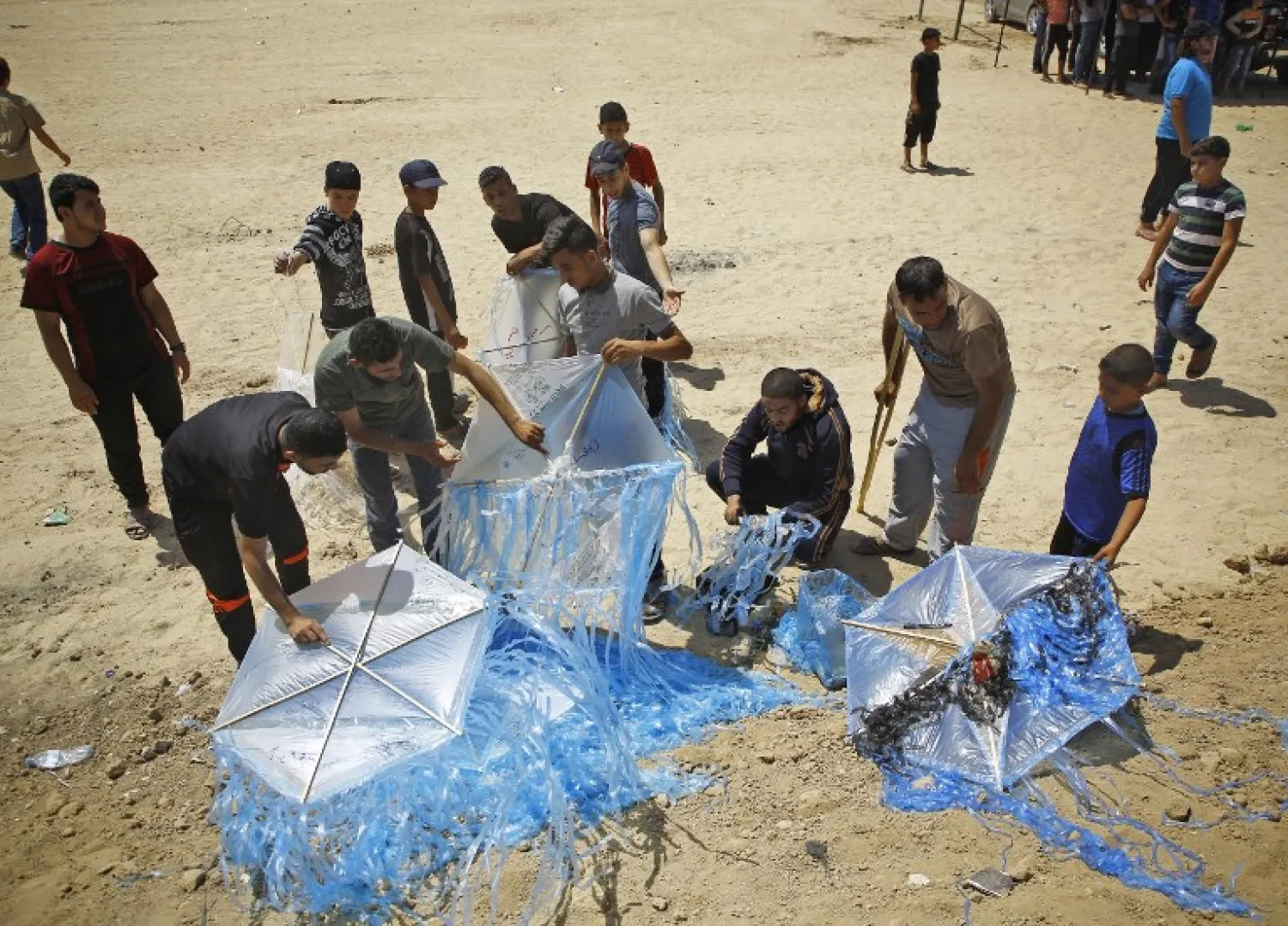
Palestinian protesters prepare incendiary kites to be flown towards Israel on June 8, 2018 during a demonstration along the Israel-Gaza border fence east of Jabalia in the central Gaza Strip. Mohammed ABED / AFP
TT

Israel Strikes ‘Hamas’ Targets over Burning Kites

Palestinian protesters prepare incendiary kites to be flown towards Israel on June 8, 2018 during a demonstration along the Israel-Gaza border fence east of Jabalia in the central Gaza Strip. Mohammed ABED / AFP

Israeli jets struck nine targets belonging to “Hamas” group in the northern Gaza Strip early on Monday in response to incendiary kites and balloons Palestinians sent from the territory, the Israeli military said.

The attacks targeted two Hamas military sites and a munitions manufacturing site, the military said in a statement, without specifying whether the raids had resulted in casualties.

Sirens also sounded in Israeli areas near the Gaza Strip at daybreak and the army said three rockets had been launched towards Israeli territory but one fell short in the Gaza Strip.

No casualties were reported from the rockets or air strikes.

"Fire balloons" and kites carrying flammable material have become symbols of the Palestinian border protests in recent months.

According to Israel's Defense Minister Avigdor Lieberman, 400 kites have been intercepted from some 600 launched since the start of the recent protests.

At least 125 Palestinians have been killed by Israeli troops during weekly mass demonstrations along the Gaza border since March 30 and the men sending the kites over the fence believe they have found an effective new weapon.

Israel's deadly tactics in confronting the weekly Friday protests have drawn international condemnation.



EU Condemns Israel's West Bank Control Measures

The Israeli settlement of Har Homa, seen from the West Bank city of Bethlehem, Tuesday, Dec. 17, 2024. (AP)
TT

EU Condemns Israel's West Bank Control Measures

The Israeli settlement of Har Homa, seen from the West Bank city of Bethlehem, Tuesday, Dec. 17, 2024. (AP)

The European Union on Monday condemned new Israeli measures to tighten control of the West Bank and pave the way for more settlements in the occupied Palestinian territory, AFP reported.

"The European Union condemns recent decisions by Israel's security cabinet to expand Israeli control in the West Bank. This move is another step in the wrong direction," EU spokesman Anouar El Anouni told journalists.


Atrocities in Sudan's El-Fasher Were 'Preventable Human Rights Catastrophe'

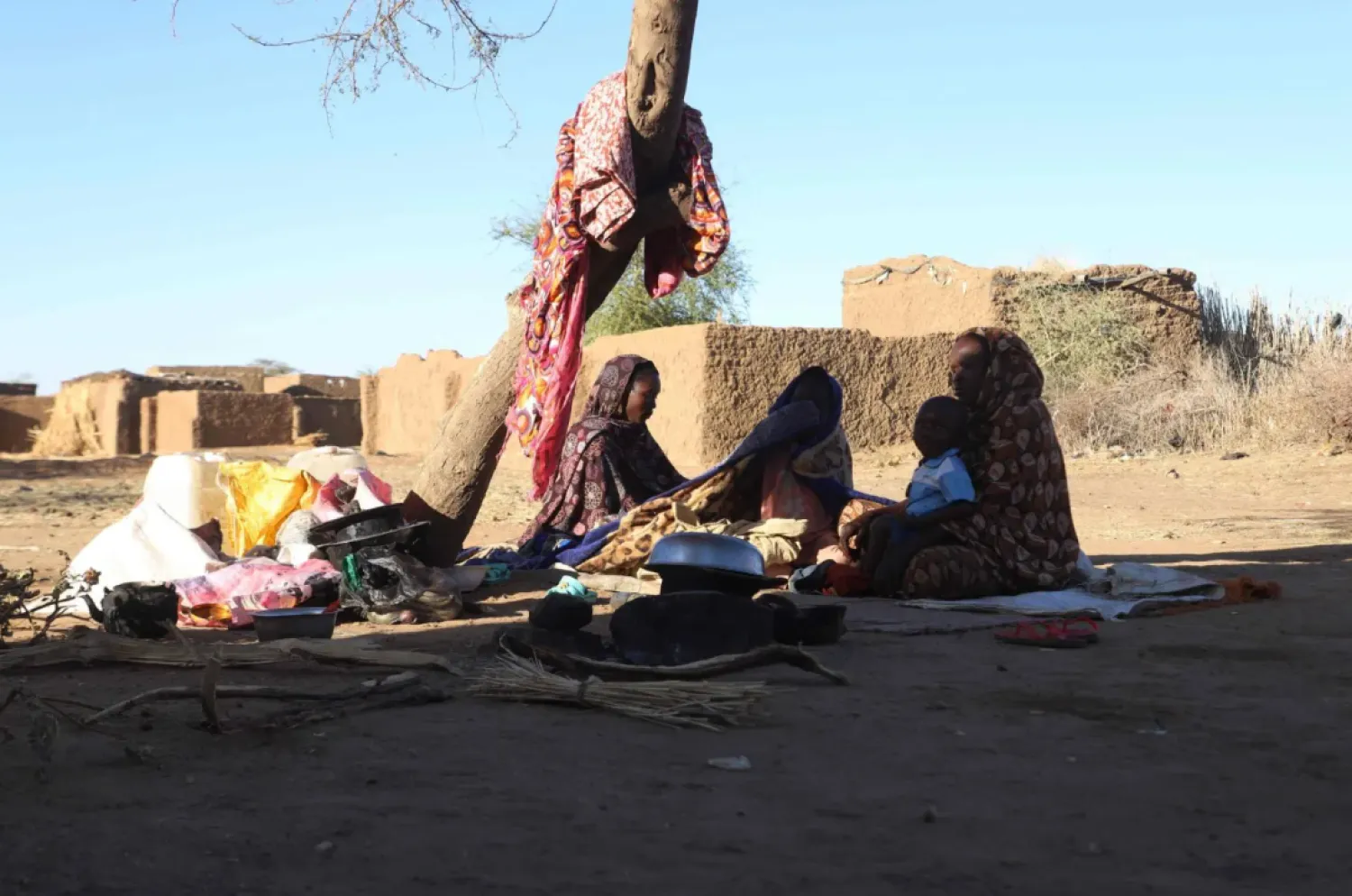
Sudanese displaced people who left El Fasher after its fall, sit in the shade in Tawila at the Rwanda camp reception point on December 17, 2025. (Photo by AFP)
TT

Atrocities in Sudan's El-Fasher Were 'Preventable Human Rights Catastrophe'

Sudanese displaced people who left El Fasher after its fall, sit in the shade in Tawila at the Rwanda camp reception point on December 17, 2025. (Photo by AFP)

The atrocities unleashed on El-Fasher in Sudan's Darfur region last October were a "preventable human rights catastrophe", the United Nations said Monday, warning they now risked being repeated in the neighbouring Kordofan region.


"My office sounded the alarm about the risk of mass atrocities in the besieged city of El-Fasher for more than a year ... but our warnings were ignored," UN rights chief Volker Turk told the Human Rights Council in Geneva.


He added that he was now "extremely concerned that these violations and abuses may be repeated in the Kordofan region".


Arab League Condemns Israel's Decisions to Alter Legal, Administrative Status of West Bank

A general view shows the opening session of the meeting of Arab foreign ministers at the Arab League Headquarters (Reuters)
TT

Arab League Condemns Israel's Decisions to Alter Legal, Administrative Status of West Bank

A general view shows the opening session of the meeting of Arab foreign ministers at the Arab League Headquarters (Reuters)

The General Secretariat of the Arab League strongly condemned decisions by Israeli occupation authorities to impose fundamental changes on the legal and administrative status of the occupied Palestinian territories, particularly in the West Bank, describing them as a dangerous escalation and a flagrant violation of international law, international legitimacy resolutions, and signed agreements, SPA reported.

In a statement, the Arab League said the measures include facilitating the confiscation of private Palestinian property and transferring planning and licensing authorities in the city of Hebron and the area surrounding the Ibrahimi Mosque to occupation authorities.

It warned of the serious repercussions of these actions on the rights of the Palestinian people and on Islamic and Christian holy sites.

The statement reaffirmed the Arab League’s firm support for the legitimate rights of the Palestinian people, foremost among them the establishment of their independent state on the June 4, 1967 borders, with East Jerusalem as its capital.