

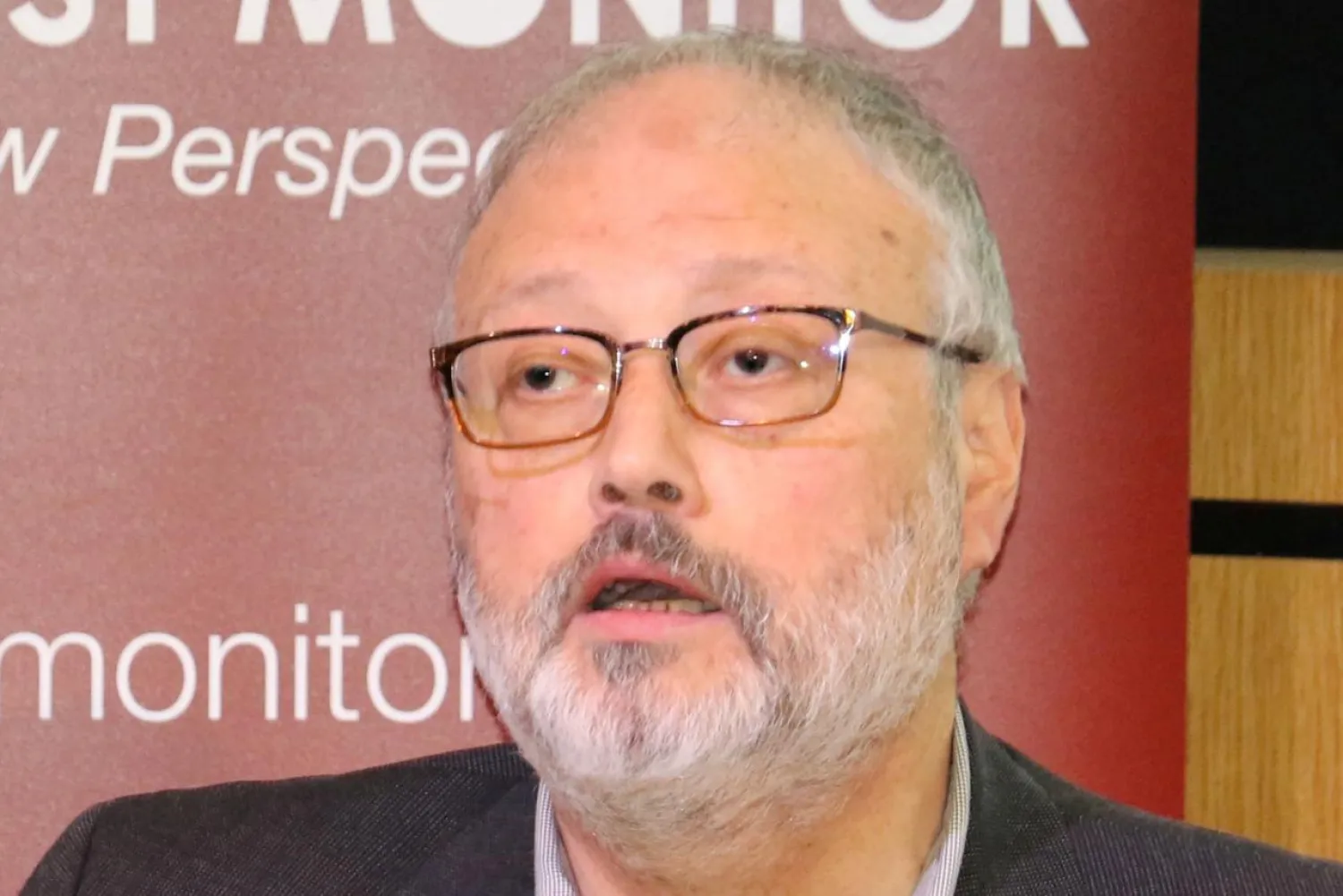

Saudi Official: Overstepping of Orders Led to Khashoggi’s Death

Saudi citizen Jamal Khashoggi. (Reuters)
TT

Saudi Official: Overstepping of Orders Led to Khashoggi’s Death

Saudi citizen Jamal Khashoggi. (Reuters)

The preliminary reports over the visit of Saudi citizen Jamal Khashoggi to the Saudi consulate in Istanbul were based on “false information,” said a Saudi official.

The official presented to Reuters Saudi internal intelligence documents which appeared to show the initiative to bring back dissidents, as well as the specific one involving Khashoggi. He also showed testimony from those involved in what he described as the 15-man team’s cover-up, and the initial results of an internal probe.

Asked about allegations that Khashoggi had been tortured and beheaded, he said preliminary results of the investigation did not suggest that.

The authorities initially dismissed reports that Khashoggi had gone missing inside the consulate as false and said he had left the building soon after entering.

Asked by Reuters why the government’s version of Khashoggi’s death kept changing, the official said the government initial account was based on “false information reported internally at the time.”

“Once it became clear these initial mission reports were false, it launched an internal investigation and refrained from further public comment,” the official said, adding that the investigation is continuing.

The government wanted to convince Khashoggi, who moved to Washington a year ago, to return to the Kingdom as part of a campaign to prevent Saudi dissidents from being recruited by the country’s enemies, the official said.

To that end, the official said, the deputy head of the General Intelligence Presidency, Ahmed al-Asiri, put together a 15-member team from the intelligence and security forces to go to Istanbul, meet Khashoggi at the consulate and try to convince him to return to Saudi Arabia.

“Asiri is the one who formed the team and asked for an employee who worked with (Saud) al-Qahtani and who knew Jamal from the time they both worked at the embassy in London,” he said.

According to the plan, the team could hold Khashoggi in a safe house outside Istanbul for “a period of time” but then release him if he ultimately refused to return to Saudi Arabia, the official said.

Things went wrong from the start as the team overstepped their orders and quickly employed violence, the official said.

Khashoggi was ushered into the consul general’s office where an operative named Maher Mutreb spoke to him about returning to Saudi Arabia, according to the government’s account.

Khashoggi refused and told Mutreb that someone was waiting outside for him and would contact the Turkish authorities if he did not reappear within an hour, the official said.

According to the official’s account, Khashoggi told Mutreb he was violating diplomatic norms.

When Khashoggi raised his voice, the team panicked. They moved to restrain him, placing him in a chokehold and covering his mouth, according to the government’s account.

“They tried to prevent him from shouting but he died,” the official said. “The intention was not to kill him.”

To cover up their misdeed, the team rolled up Khashoggi’s body in a rug, took it out in a consular vehicle and handed it over to a “local cooperator” for disposal, the official said. Forensic expert Salah Tubaigy tried to remove any trace of the incident, the official said.

Meanwhile, operative Mustafa Madani donned Khashoggi’s clothes, eyeglasses and Apple watch and left through the back door of the consulate in an attempt to make it look like Khashoggi had walked out of the building. Madani went to the Sultanahmet district where he disposed of the belongings.

The official said all 15 team members had been detained and placed under investigation, along with three other local suspects.
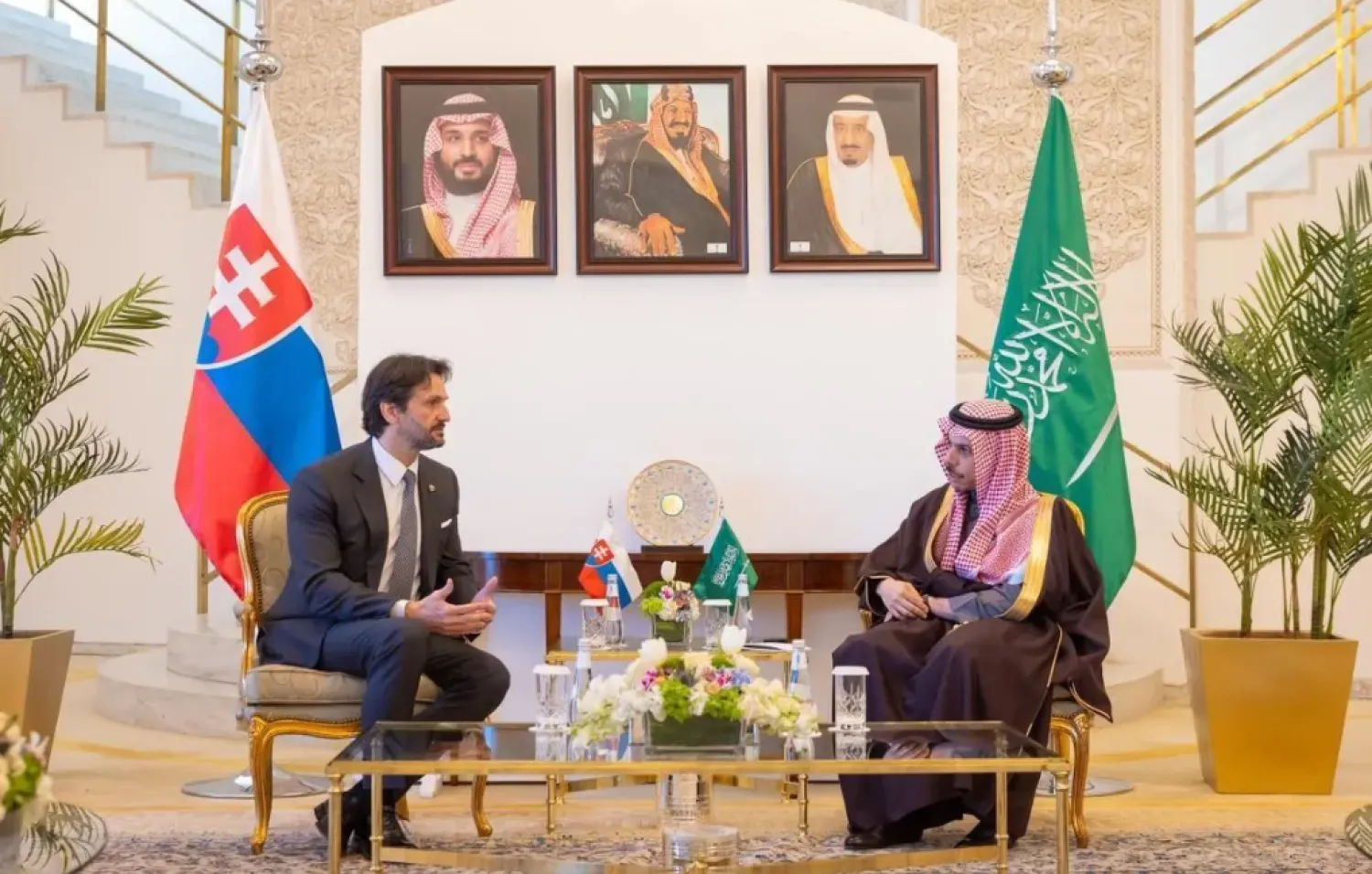



Saudi Defense Minister: Time for STC to Withdraw from Yemen's Hadhramaut and Al-Mahra

Saudi Defense Minister Prince Khalid bin Salman. (Asharq Al-Awsat)
TT

Saudi Defense Minister: Time for STC to Withdraw from Yemen's Hadhramaut and Al-Mahra

Saudi Defense Minister Prince Khalid bin Salman. (Asharq Al-Awsat)

Saudi Defense Minister Prince Khalid bin Salman said on Saturday it “was time for the Southern Transitional Council in Yemen to listen to reason and prioritize public interest and unity of ranks and respond to the Saudi-Emirati mediation to end the escalation.”

In a post on the X platform, he called on the STC to withdraw its forces from the eastern Hadhramaut and al-Mahra provinces and restore control to the National Shield and local authorities.

Prince Khalid said Saudi Arabia formed the Arab coalition to restore legitimacy in Yemen to help the country reclaim control over all of its territories.

The liberation of southern provinces was a pivotal development towards that goal, he stressed.

Saudi Arabia “views the southern issue as fundamental” to Yemen and it will not “exploit it in conflicts that do not serve” the nation, he added.

The Kingdom had brought together all Yemeni components to the Riyadh conference to come up with a clear path for a comprehensive political solution, including the southern issue, he went on to say.

The conference paved the way for a “just solution to their cause through dialogue and without the use of forces.”

“Saudi Arabia approved the decision to move the base of power so that the southerners could have a greater role in state institutions. It consolidated partnership instead of elimination or imposing a status quo through forces. Saudi Arabia also presented Yemen with economic support, as well as development and humanitarian initiatives that helped ease the suffering of the people,” Prince Khalid added.

“Saudi Arabia and its partners in the coalition offered sacrifices with their Yemeni brothers in liberating Aden and other provinces,” he noted. “The Kingdom has always sought that these sacrifices be made in the name of reclaiming territories and restoring the state, not as a path towards new conflicts.”

It had hoped that these sacrifices would have been “invested in the security of all Yemeni people, not exploited for petty gains, whereby the unfortunate developments in Hadhramaut and al-Mahra since the beginning of December 2025 have led to the division in ranks that should be united against the enemy.”

“The developments have laid waste to the sacrifices of our sons and Yemeni people and have harmed the just southern issue,” stressed Prince Khalid.

He noted that several southern leaderships and figures have exhibited “awareness and wisdom in supporting efforts to end the escalation in Hadhramaut and al-Mahra and prevent the secure southern provinces from being dragged into futile conflicts.”

“They are aware of the major challenges facing Yemen and will not allow saboteurs to achieve their goals in the country and the region,” he remarked.

He declared that the “southern issue will remain part of any comprehensive political solution. The cause will not be neglected or marginalized. It should be resolved through consensus, adhering to commitments and building trust between all Yemeni segments, not through adventures that only serve everyone's enemy.”


Arab Coalition: We Will Deal with Military Moves that Violate De-escalation Efforts

Coalition spokesman Brigadier General Turki al-Malki. (SPA)
TT

Arab Coalition: We Will Deal with Military Moves that Violate De-escalation Efforts

Coalition spokesman Brigadier General Turki al-Malki. (SPA)

Spokesman of the Arab coalition to support legitimacy in Yemen Brigadier General Turki al-Malki said on Saturday that “any military moves that violate de-escalation efforts will be dealt with directly to protect lives and ensure the success of Saudi and Emirati efforts.”

The statement is in response to a request by Yemen’s Presidential Leadership Council Chairman Dr. Rashad al-Alimi, who called for immediate steps to protect civilians in the eastern Hadhramaut and al-Mahra provinces in wake of the “grave and horrific” violations by members of the Southern Transitional Council (STC).

It is also in continuation of the strenuous joint efforts by Saudi Arabia and the United Arab Emirates to de-escalate the situation and ensure the withdrawal of STC forces, who have been demanded to cede control to the National Shield forces and allow the local authorities to carry out their duties.

Malki underlined the Arab coalition’s continued firm support for the legitimate Yemeni government.

He also urged all sides to assume their national responsibility, exercise restraint and comply with efforts to reach peaceful solutions that preserve security and stability.


Saudi Arabia Carries out Warning Strike on Yemen’s Hadhramaut, STC Says ‘Open to Coordination’

Southern forces patrol during a rally calling for South Yemen's independence, in the southern port city of Aden, Yemen, 25 December 2025. (EPA)
TT

Saudi Arabia Carries out Warning Strike on Yemen’s Hadhramaut, STC Says ‘Open to Coordination’

Southern forces patrol during a rally calling for South Yemen's independence, in the southern port city of Aden, Yemen, 25 December 2025. (EPA)

Saudi Arabia called for calm in eastern Yemen, urging an end to unilateral military moves and for the Southern Transitional Council (STC) forces to return to their former positions outside of the Hadhramaut and al-Mahra provinces.

Riyadh, meanwhile, demonstrated its stance on the ground by carrying out a warning air strike, informed sources told Asharq Al-Awsat.

The strike sought to deliver a message that it will not allow a new status quo to be imposed on the ground by force and that it will not allow the violation of institutional frameworks that handle security in the eastern provinces.

It warned that any further escalation will be met with firmer measures.

Meanwhile, the STC, in an attempt to justify its military moves, said they were in “response to calls from residents of the south” and an attempt to confront terrorist threats and block Houthi smuggling routes.

The STC added that it was “open to any coordination or arrangements with Saudi Arabia”, questioning the airstrike, which it said “does not serve understandings.”

Observers told Asharq Al-Awsat that Saudi Arabia will welcome the coordination and arrangements if they helped end the escalation, led to the withdrawal of the STC and allowed the National Shield forces and the local authority to take over Hadhramaut and al-Mahra without needing to resort to force.

They stressed that the strike will lead to delivering the clear message that Riyadh may impose red lines by force to prevent any escalation.

Sourced told Asharq Al-Awsat that any future settlement over restoring the unity of Yemeni ranks will condition a return to the former status quo.