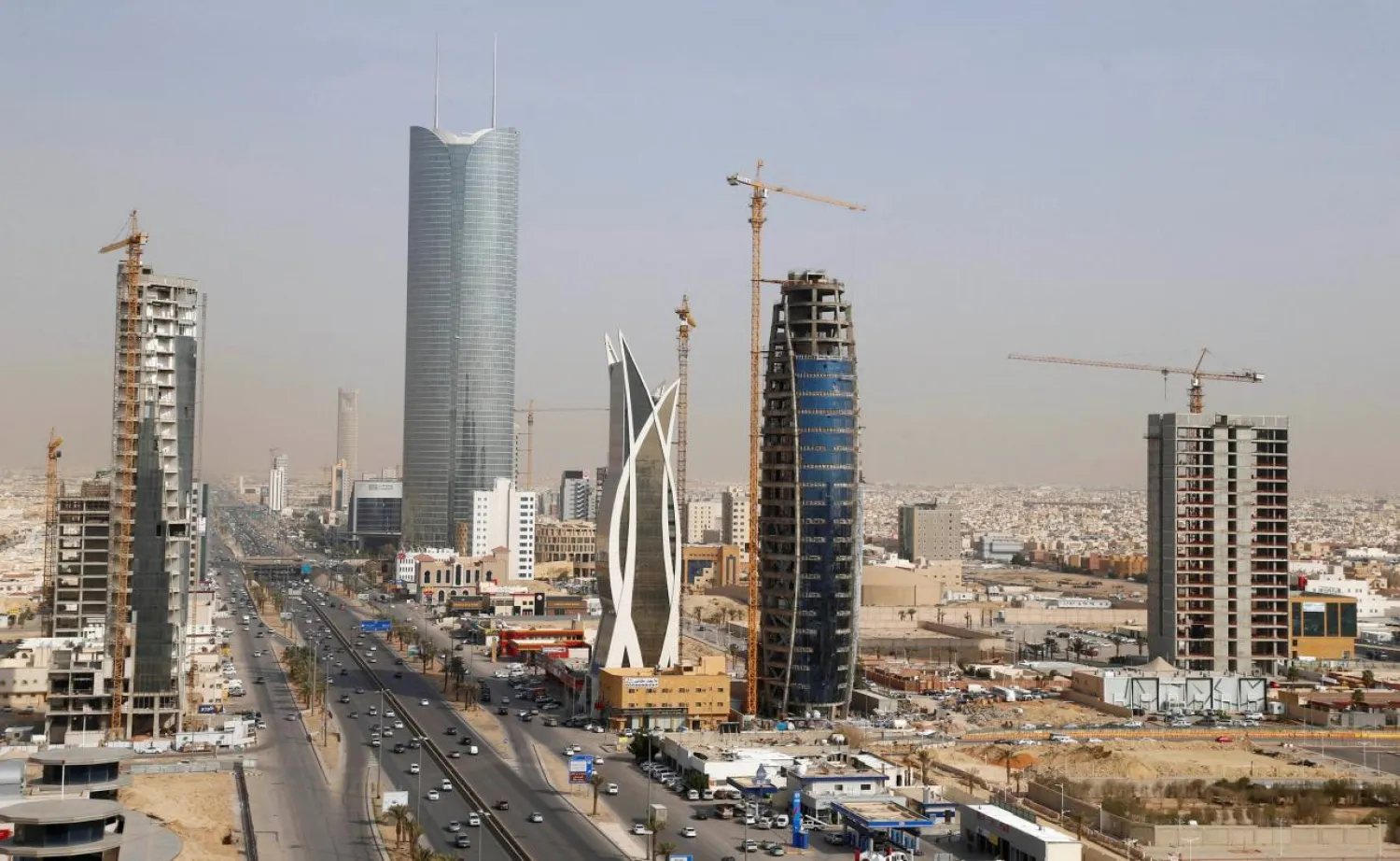
The second day of the third edition of the World Defense Show 2026 in Riyadh witnessed intensified momentum in the signing of defense agreements and strategic partnerships with international entities.
It reflects Saudi Arabia’s drive to localize technology, build national capabilities in the military and defense sectors, and deepen local supply chains in line with Vision 2030.
On the sidelines of the exhibition, the Saudi Ministry of Defense signed 28 contracts with local and international companies specializing in military industries.
Four contracts were signed by Dr. Khaled Al-Biyari, Assistant Minister of Defense for Executive Affairs, with chief executives of France’s MBDA, Raytheon Saudi Arabia, South Korea’s Hanwha Aerospace, and Italy’s Leonardo.
Al-Biyari also attended the signing of eight additional contracts concluded by Ibrahim Al-Suwayed, Undersecretary of Defense for Procurement and Armament, with local and global companies from France, Türkiye, South Korea, and Italy.
A further 16 contracts were signed by executive directors at the Ministry’s Procurement and Armament Agency with representatives of defense firms.
The agreements aim to enhance the readiness and combat efficiency of the armed forces, ensure the sustainability of military systems, and support the localization of defense manufacturing. These efforts align with Vision 2030 targets to localize more than 50 percent of spending on military equipment and services.
In a parallel development, Al-Biyari and German State Secretary at the Federal Ministry of Defense Jens Plötner signed draft arrangements for defense cooperation between the two countries.
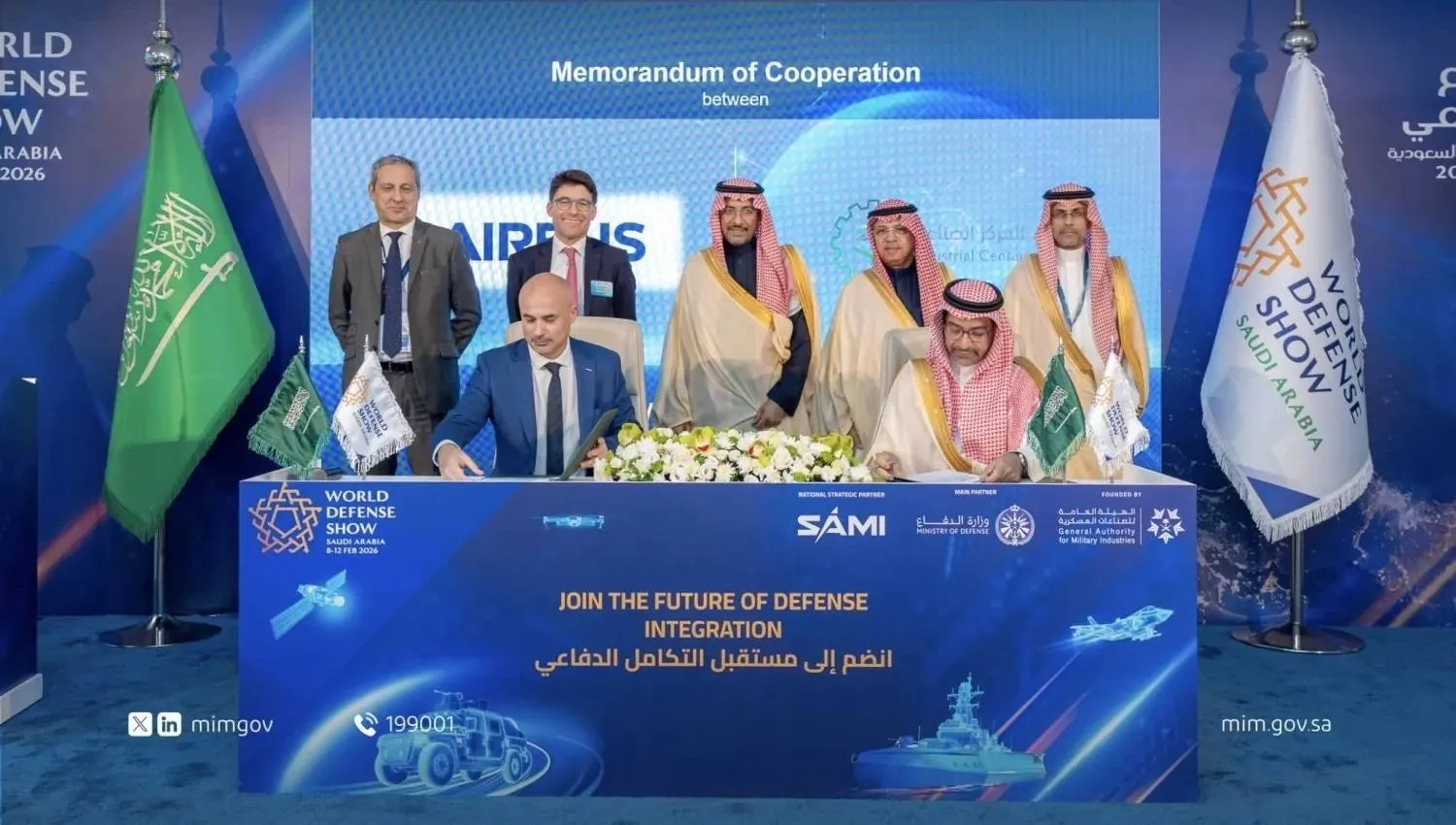
The exhibition also highlighted efforts to localize the aviation industry. The Minister of Industry and Mineral Resources oversaw the signing of a memorandum of cooperation between the National Industrial Development Center and European aerospace company Airbus.
The memorandum includes plans to establish engineering centers for manufacturing, assembly, and maintenance, transfer technology and expertise, and develop a logistics ecosystem to support the aviation industry.
It also covers attracting global suppliers to invest locally, exploring procurement and export options, and identifying incentives and financing mechanisms to support joint projects. Training programs and educational partnerships are also planned to qualify Saudi talent to lead the aviation sector and related industries.
Innovation and integration were the central themes of the exhibition’s second day. Eng. Ahmad Al-Ohali, Governor of the General Authority for Military Industries, reaffirmed Saudi Arabia’s commitment to developing integrated and globally competitive defense industries.
He noted that the exhibition reflects national goals to advance localization, strengthen supply chains, and enhance operational readiness across defense and security sectors.
Chief of the General Staff General Fayyadh Al-Ruwaili outlined strategic directions for developing the national defense system in light of evolving global operational conditions. Senior local and international officials participated in discussions on building a resilient defense framework capable of addressing future challenges.
The program also featured “Thought Leadership” sessions focusing on the evolution of defense industries, investment opportunities in aviation and space, and supply chain development.
Activities continued at the Defense Industry Lab and the Saudi Supply Chain Zone, designed to strengthen collaboration among manufacturers and accelerate technology transfer.
Exhibition Chief Executive Officer Andrew Pearcey said the strong international participation reflects Saudi Arabia’s growing role in shaping the future of defense technologies. The World Defense Show brings together 1,468 exhibitors from 89 countries, with live demonstrations and strategic programs covering air, land, sea, space, and security domains.
Further strengthening industrial capabilities, GE Aerospace signed an industrial participation agreement with the General Authority for Military Industries to enhance repair and maintenance capabilities for F110 engines.
A separate memorandum of understanding was also signed to explore building a globally competitive aviation industrial base and accelerating the Kingdom’s manufacturing roadmap. The authority said the agreement would support knowledge transfer, international certification, and the localization of engine component manufacturing.
Major global defense and aerospace companies also reaffirmed their commitment to supporting Saudi Arabia’s localization agenda. Boeing highlighted its support for enhancing readiness and domestic capabilities, while RTX, through Raytheon Saudi Arabia, showcased advanced defense systems and emphasized workforce development and integrated solutions aligned with the exhibition’s theme, “The Future of Defense Integration.”
The World Defense Show continues to consolidate its role as a global platform connecting manufacturers, investors, entrepreneurs, and decision-makers.
Supported by regulatory development, incentive programs, and human capital initiatives, Saudi Arabia has made tangible progress in localization. By 2024, localized military spending had reached nearly 25 percent, local content stood at 40.7 percent, and Saudization reached 63 percent, reinforcing the Kingdom’s ambition to become a regional hub for defense and aviation industries by 2030.