



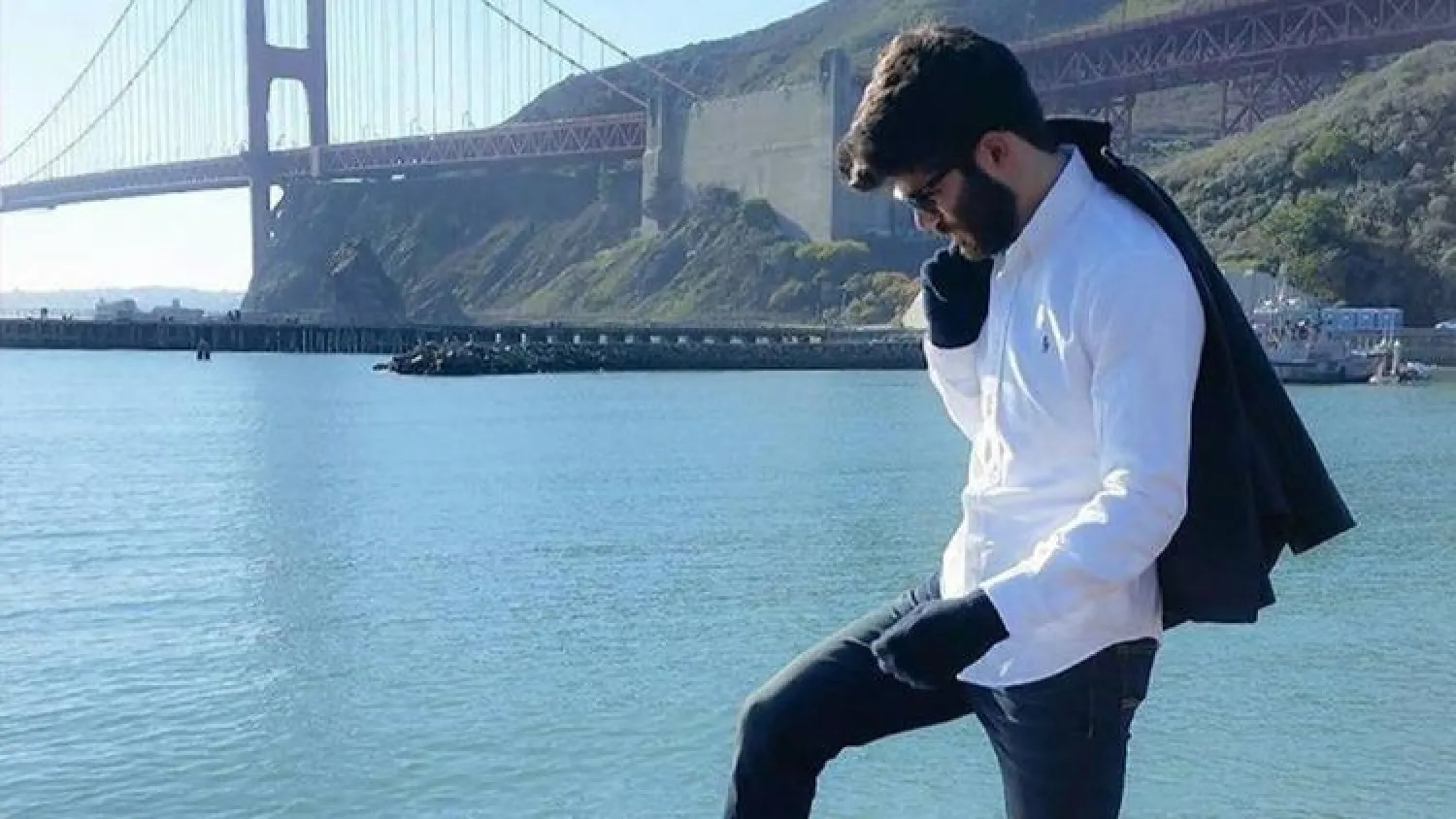

A California man who came to the US from Syria as a refugee and later returned there to fight with an extremist group pleaded guilty on Wednesday to terrorism-related charges.
Aws Mohammed Younis al-Jayab, 25, admitted that he flew from Chicago to Turkey in November 2013 and then entered Syria where he joined and fought with Ansar al-Islam, which is designated as a terrorist organization, the Department of Justice said in a statement after the guilty plea in Chicago.
Al-Qaeda affiliate Ansar al-Islam (Partisans of Islam) once operated in both Iraq and Syria. Its Iraqi faction later merged with the ISIS terrorist group, though some of its Syrian fighters rejected ISIS.
Jayab faces up to 15 years in prison for his plea to a charge of providing material support to a foreign terrorist organization, and up to eight years for a second guilty plea, providing a false statement to federal agents.
When he returned to the United States in January 2014 Jayab did not declare his travel to Turkey and Syria, the Department of Justice said. In a later interview with federal agents he denied supporting terrorist groups.
Jayab admitted that he lied to immigration officials about his travel to Syria. As he did so, he told US District Judge Sara Ellis he joined Ansar Al-Islam “to defend the Syrian people.”
His attorney, Thomas Durkin, also said after the hearing that Al-Jayab wanted to help fight Syrian President Bashar al-Assad. Durkin has previously said the case should have gone to trial, but his client chose to plead guilty against his advice.
At the time of Jayab's arrest, US Attorney Benjamin Wagner stressed that "while (Jayab) represented a potential safety threat, there is no indication that he planned any acts of terrorism in this country."
An Iraqi-born Palestinian, Jayab came to the United States from Syria as a refugee in 2012, US officials said at the time of his arrest.
He will be sentenced on April 26 next year. He has been nicknamed the "hipster terrorist" because of his hair beard, and clothing.
The Syrian conflict began in 2011. It has claimed the lives of an estimated 400,000 people. It began as an uprising against the Assad regime, but quickly deteriorated into a battleground for territory various terror-listed organizations. It was complicated in 2014 by the rise of ISIS which saw Western and regional intervention.


