Low Risks for Saudi Economy in 2019

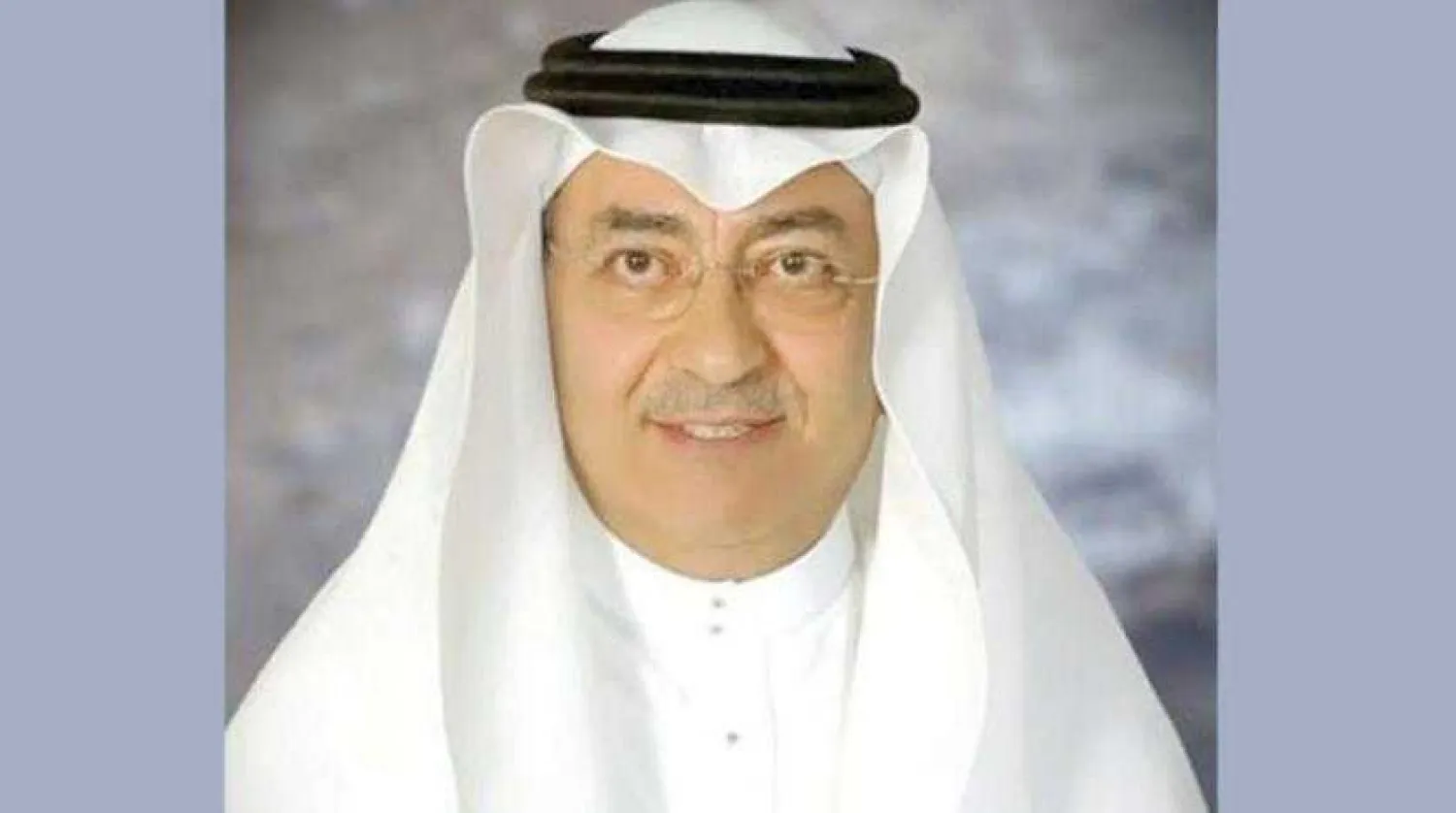
Fawaz Alamy, Deputy Minister for Commerce and Trade Negotiator in WTO. Asharq Al-Awsat
TT

Low Risks for Saudi Economy in 2019

Fawaz Alamy, Deputy Minister for Commerce and Trade Negotiator in WTO. Asharq Al-Awsat

Fawaz Alamy, Deputy Minister for Commerce and Trade Negotiator in WTO, has affirmed that the Saudi economy faces low risks this year, with the sovereign wealth in the kingdom totaling USD875 billion and Saudi Arabian Monetary Authority (SAMA) ranking sixth with a value of USD515 billion.

Amid fluctuations of oil global prices, growing world trade tension and the increase of sovereign debts, the Saudi economy is making huge progress, Alamy told Asharq Al-Awsat newspaper.

He noted that the outcome is as follows: The Saudi economy credit rating was fixed with a stable outlook, which means that the economy enjoys high commitments and low risks.

Alamy added that the economy ranked second in reforms, ninth in terms of entrepreneurship strength, tenth in protecting shareholder minority, 24th in registering intellectual property and 39th in global competitiveness.

He lauded giant projects such as Neom, Qiddiya, King Salman Energy Park (Spark), and Amaala resort for being implemented with specific objectives such as increasing local content and improving local tourism.

Alamy hailed that the kingdom is rich with around 2,433 mineral resources sites, worth more than SAR5 trillion (USD1.3 trillion) in the global market. It owns 7 percent of the global phosphate reserves and 6 percent of uranium reserves. This makes the kingdom among the top ten uranium exporting states in 2020.


Saudi Stocks Rebound 0.9%, Recouping Previous Session's Losses

An investor monitors stock market data on a screen at the Saudi Exchange (Tadawul) in Riyadh (Reuters)
TT

Saudi Stocks Rebound 0.9%, Recouping Previous Session's Losses

An investor monitors stock market data on a screen at the Saudi Exchange (Tadawul) in Riyadh (Reuters)

Saudi stocks closed higher on Monday, recovering some of the losses sustained in the previous session as heavyweight shares strengthened and the banking sector advanced.

The benchmark Tadawul All Share Index (TASI) rose 0.90% to close at 10,106 points, gaining 90 points. Total trading value reached approximately SAR 3.5 billion ($933 million).

The index had fallen 0.8% on Sunday amid selling pressure on heavyweight stocks.

Anaam International Holding Group, Fitaihi Holding Group and Raoom were among the session's top gainers, rising between 7% and 9% to close at SAR 11.93, SAR 2.11 and SAR 72.30, respectively.

On the losing side, Almunajem Foods led the declines, shedding 9.20% to SAR 49.94, followed by Saudi Paper Manufacturing Co., which fell 6.18% to SAR 48.88, and Alamar Foods, which dropped 4.63% to SAR 44.06.

At the sector level, banks led the gains, advancing 1.60%, supported by a 2.06% rise in Bank AlJazira shares, which closed at SAR 10.89.


Tesla to Refund Many Cybertruck Deposits as Demand Exceeds Production, Musk Says

Tesla Cybertruck electric vehicles sit parked in a storage lot in San Diego, California on April 11, 2025. (AFP)
TT

Tesla to Refund Many Cybertruck Deposits as Demand Exceeds Production, Musk Says

Tesla Cybertruck electric vehicles sit parked in a storage lot in San Diego, California on April 11, 2025. (AFP)

Tesla will have to refund Cybertruck deposits for many customers as orders far exceed production capacity, CEO Elon Musk said, following last week's announcement that the electric vehicle maker is winding down the pickup truck's production at its Texas factory.

"We will try ‌to make ‌as many as ‌possible ⁠before shutting down the ⁠line in about 8 months, but will have to return deposits for a lot of people," the billionaire said in a post on X on Monday.

The comments ⁠come after Musk said ‌Tesla would ‌add an extra production shift to fulfill outstanding ‌Cybertruck orders before dismantling the production ‌line next year to expand output of its Cybercab robotaxi.

The production winddown is slated for mid-2027, Musk announced on ‌Friday, with the resources being redirected to the Cybercab, a vehicle ⁠central ⁠to the automaker's autonomous-driving ambitions.

Tesla began delivering the Cybertruck in late 2023, but demand has fallen far short of Musk's expectations. US sales fell 48% to 20,237 units last year, according to Kelley Blue Book, well below Musk's earlier projection that annual Cybertruck sales could reach 250,000 vehicles.


China Extends Suspension of New Rare Earth Controls Until January

A mining machine is seen at the Bayan Obo mine containing rare earth minerals, in Inner Mongolia, China July 16, 2011. (Reuters)
TT

China Extends Suspension of New Rare Earth Controls Until January

A mining machine is seen at the Bayan Obo mine containing rare earth minerals, in Inner Mongolia, China July 16, 2011. (Reuters)

China on Monday announced a two-month extension of export-control waivers due to expire this month, preserving part of a wide-ranging deal struck after a summit between Presidents Xi Jinping and Donald Trump.

China introduced export controls on certain rare earths ‌in April 2025, ‌only to expand ‌them ⁠further in October ⁠of that year, dramatically widening their scope and also adding new controls on certain diamonds with industrial applications and lithium battery technology.

The measures were then ⁠paused for one year last ‌November after ‌a summit in South Korea ‌between Xi and Trump.

The Ministry of ‌Commerce said in a short statement on Monday that the pause would be extended for two months ‌until January 10. It gave no other details.

The extension ⁠is ⁠part of a broader suspension of trade countermeasures and tariffs announced by China on Monday as it negotiates with Washington over an enduring trade deal.

Trump is set to travel to Shenzhen in southern China later this month for an APEC leaders summit, where he is expected to meet with Xi.