


Houthis Clamp Down on Art Event in Sanaa

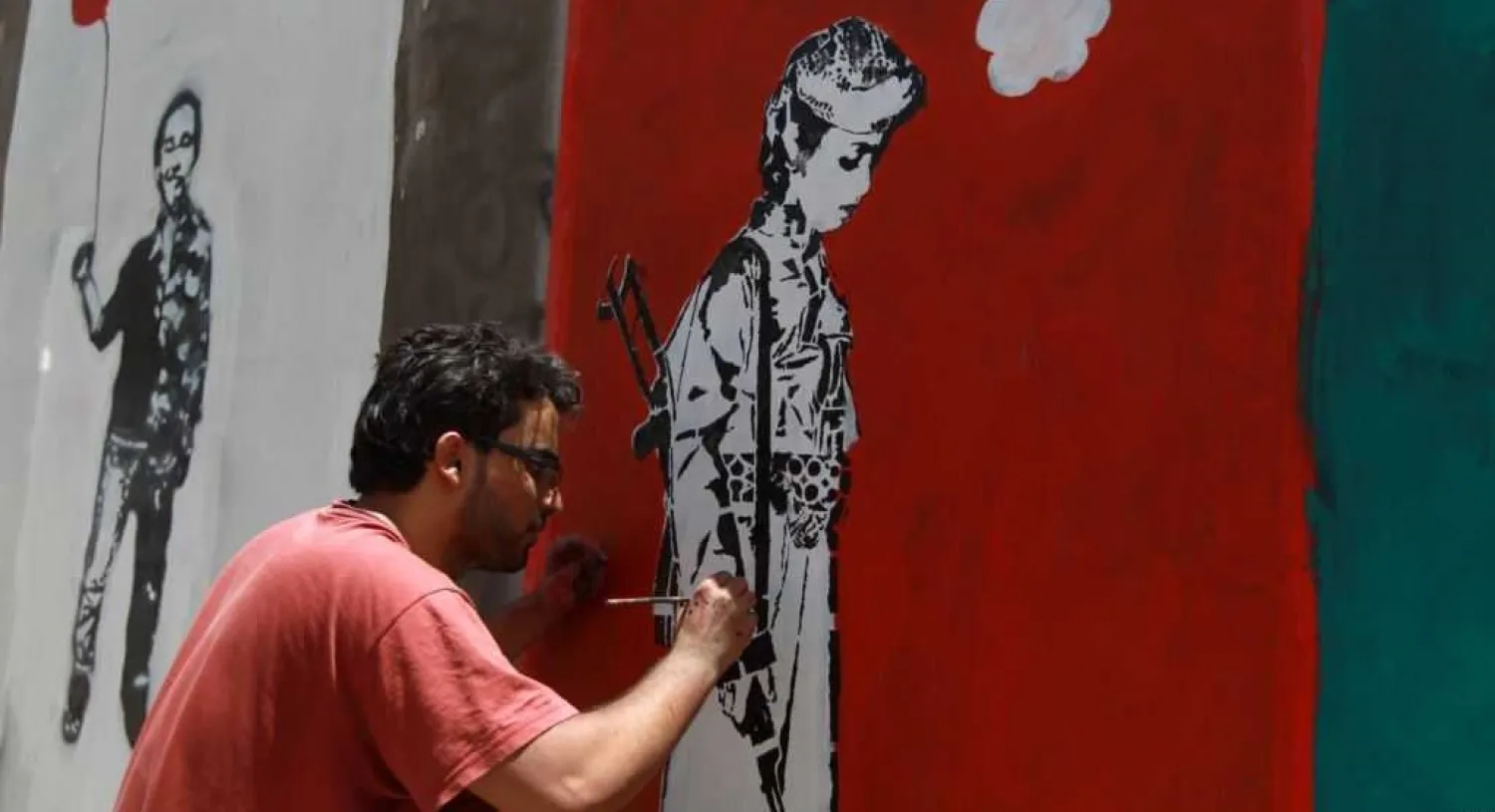
A Yemeni artist works on a mural as part of a campaign to end the recruitment of child soldiers by tribal militias in the capital Sana'a, April 10, 2014 (AFP)
TT

Houthis Clamp Down on Art Event in Sanaa

A Yemeni artist works on a mural as part of a campaign to end the recruitment of child soldiers by tribal militias in the capital Sana'a, April 10, 2014 (AFP)

Houthi militias have recently imposed restrictions on cultural events in Sanaa and the rest of Yemeni areas falling under their control in an attempt to serve their ideological objectives.

Yemeni activists in Sanaa said the Iran-backed insurgents banned last Thursday an art event in the streets of the capital.

The activists said Houthis prevented Yemeni artists from drawing in public as part of an open art day, forcing them to disperse.

Sources said the event was canceled although the concerned artists had received a permit from the official apparatuses controlled by Houthis in Sanaa.

Yemeni activist Wameed Shaker wrote on her Facebook page Friday that Houthis asked participants in the open art day to draw paintings against the legitimate government and the Arab Coalition supporting it.

“Under the force of arm, the militias told participants to leave the area despite receiving a permit from Hammoud Abad, who is appointed by Houthis as Sanaa administrator,” she wrote.

Young Yemeni artists on Friday decried the ban.

They said the Houthi behavior is a reflection of “the Khomeinist ideology that controls the rebel group, and wants to limit freedoms in Yemen.”

Since their coup in 2014, Houthis have stamped sectarian drawings and slogans on the capital’s walls, in addition to writing quotes from their leader Abdul-Malik al-Houthi and his brother Hussein.

The rebel group has also broken into wedding ceremonies in Sanaa, Amran and other areas, preventing people from playing music, in measures similar to those adopted by other terrorist groups, such as ISIS and al-Qaeda.

In the past few years, Yemeni-controlled areas have witnessed an unprecedented cultural stagnation after the closure of more than 200 publication houses.

The rebel group continues to impose its sectarian ideology on the curricula of universities and schools, in addition to promoting their thoughts in mosques and public areas.



EU Condemns Israel's West Bank Control Measures

The Israeli settlement of Har Homa, seen from the West Bank city of Bethlehem, Tuesday, Dec. 17, 2024. (AP)
TT

EU Condemns Israel's West Bank Control Measures

The Israeli settlement of Har Homa, seen from the West Bank city of Bethlehem, Tuesday, Dec. 17, 2024. (AP)

The European Union on Monday condemned new Israeli measures to tighten control of the West Bank and pave the way for more settlements in the occupied Palestinian territory, AFP reported.

"The European Union condemns recent decisions by Israel's security cabinet to expand Israeli control in the West Bank. This move is another step in the wrong direction," EU spokesman Anouar El Anouni told journalists.


Atrocities in Sudan's El-Fasher Were 'Preventable Human Rights Catastrophe'

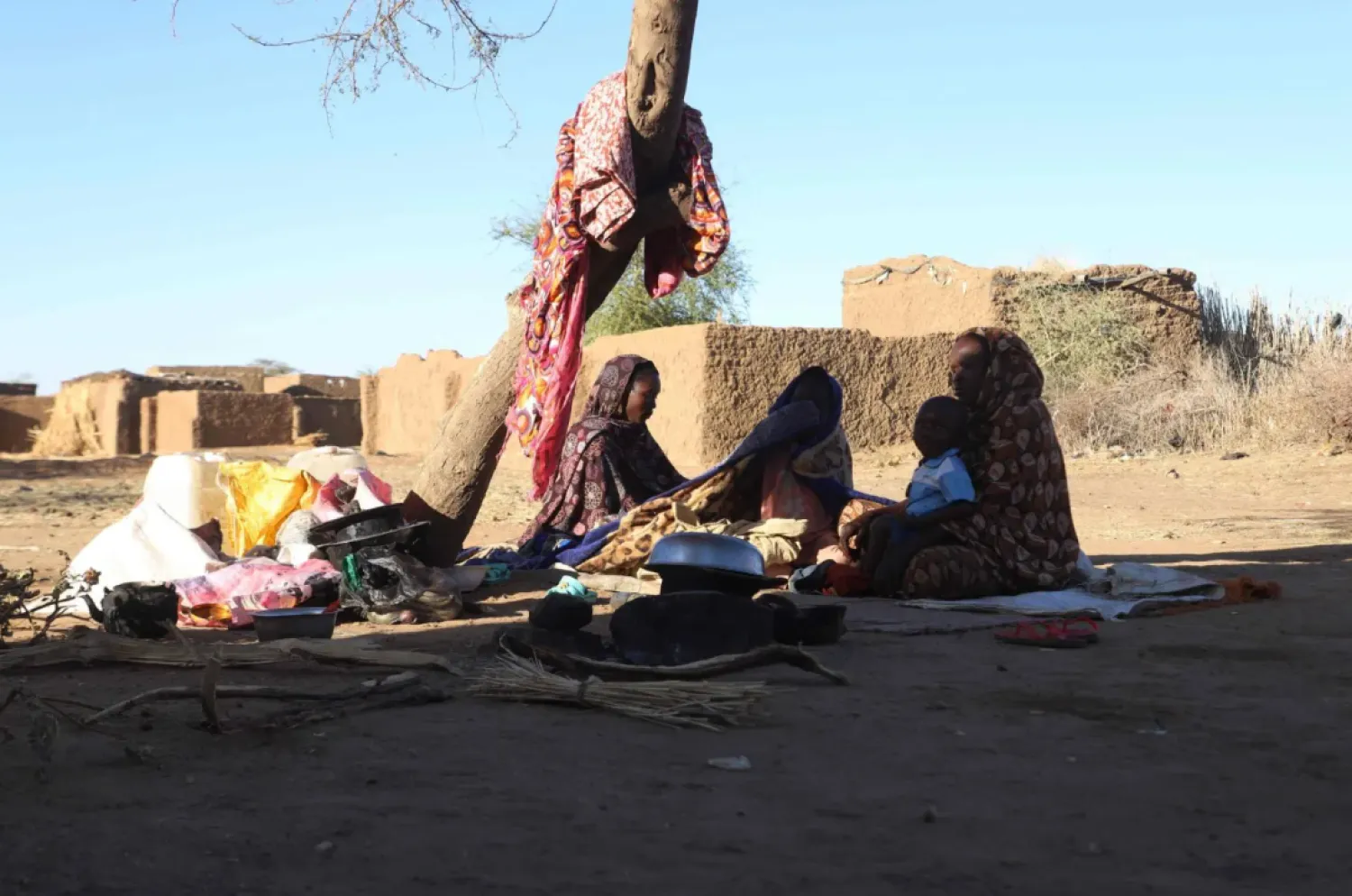
Sudanese displaced people who left El Fasher after its fall, sit in the shade in Tawila at the Rwanda camp reception point on December 17, 2025. (Photo by AFP)
TT

Atrocities in Sudan's El-Fasher Were 'Preventable Human Rights Catastrophe'

Sudanese displaced people who left El Fasher after its fall, sit in the shade in Tawila at the Rwanda camp reception point on December 17, 2025. (Photo by AFP)

The atrocities unleashed on El-Fasher in Sudan's Darfur region last October were a "preventable human rights catastrophe", the United Nations said Monday, warning they now risked being repeated in the neighbouring Kordofan region.


"My office sounded the alarm about the risk of mass atrocities in the besieged city of El-Fasher for more than a year ... but our warnings were ignored," UN rights chief Volker Turk told the Human Rights Council in Geneva.


He added that he was now "extremely concerned that these violations and abuses may be repeated in the Kordofan region".


Arab League Condemns Israel's Decisions to Alter Legal, Administrative Status of West Bank

A general view shows the opening session of the meeting of Arab foreign ministers at the Arab League Headquarters (Reuters)
TT

Arab League Condemns Israel's Decisions to Alter Legal, Administrative Status of West Bank

A general view shows the opening session of the meeting of Arab foreign ministers at the Arab League Headquarters (Reuters)

The General Secretariat of the Arab League strongly condemned decisions by Israeli occupation authorities to impose fundamental changes on the legal and administrative status of the occupied Palestinian territories, particularly in the West Bank, describing them as a dangerous escalation and a flagrant violation of international law, international legitimacy resolutions, and signed agreements, SPA reported.

In a statement, the Arab League said the measures include facilitating the confiscation of private Palestinian property and transferring planning and licensing authorities in the city of Hebron and the area surrounding the Ibrahimi Mosque to occupation authorities.

It warned of the serious repercussions of these actions on the rights of the Palestinian people and on Islamic and Christian holy sites.

The statement reaffirmed the Arab League’s firm support for the legitimate rights of the Palestinian people, foremost among them the establishment of their independent state on the June 4, 1967 borders, with East Jerusalem as its capital.