


Iraqi President Calls for Strategic Partnership with Gulf

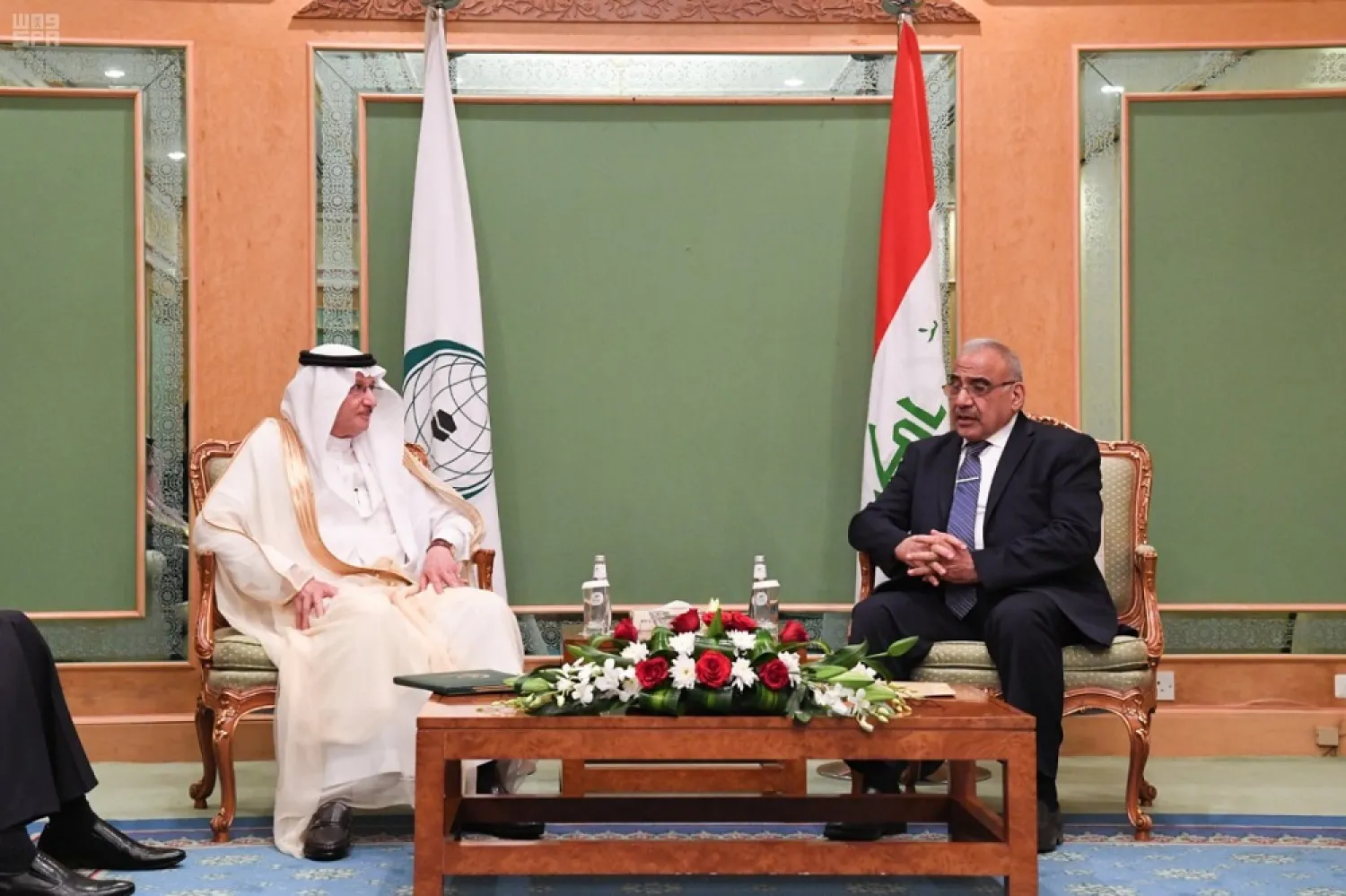
Iraqi PM Adel Abdul Mahdi receives the GCC secretary general in Baghdad. (SPA)
TT

Iraqi President Calls for Strategic Partnership with Gulf

Iraqi PM Adel Abdul Mahdi receives the GCC secretary general in Baghdad. (SPA)

Iraqi President Barham Salih called on Wednesday for establishing strategic partnership between Baghdad and the Arab Gulf.

“Iraq is looking forward to more cooperation with the Gulf Cooperation Council because of its importance in the Arab, regional and Islamic world,” he said while receiving in Baghdad GCC Secretary General Abdullatif bin Rashid Al Zayani.

He also urged the GCC members to prioritize “dialogue and understanding to bolster peace in the Gulf and steer it clear of conflicts and wars.”

“The security, political and economic circumstances the region is going through demand of us all to coordinate efforts, bolster cooperation and bridge divides in order to achieve stability and prosperity for the people,” he continued.

Moreover, Salih called for overcoming the Iraq-Gulf disputes of the past that were caused by “reckless policies adopted by the former regime.”

Zayani had also met during his Iraq visit with Prime Minister Adel Abdul Mahdi, parliament Speaker Mohammed al-Halbusi and Foreign Minister Mohammed al-Hakim.

GCC and Iraqi officials signed at the Foreign Ministry a memorandum of understanding on political consultations that would pave the way for regular dialogue on issues of common interest.

Zayani said talks with Hakim focused on ways to bolster cooperation between the GCC and Iraq. He added that the Council is looking forward to seeing an “effective and constructive” Iraqi role in the region that “reflects its rich history, political weight and impact on the region’s security, stability and prosperity.”

For his part, Hakim underlined the depth of ties between Baghdad and the GCC states.

Visits by Gulf officials help strengthen these bonds and achieve joint cooperation between regional countries, he added.

MP Dhafer al-Aaani told Asharq Al-Awsat that ties between Iraq and the GCC were witnessing “unprecedented” development on all levels. He cited the increase in diplomatic representation and frequent visits by Gulf officials to Iraq.

Head of the “Iraqi Center for Political Thought”, Dr. Ihssan Shmary remarked that ties between Baghdad and Iraq were witnessing a marked improvement after they were severed and strained for three decades prior to 2003.

“The situation has changed and we are now witnessing a historic shift in the nature of these ties… that is being driven by a mutual desire to put the past behind and work together for the region’s stability,” he told Asharq Al-Awsat.



Saudi Arabia Welcomes US-Iran Deal to End Military Operations

A view of Riyadh, Saudi Arabia. (SPA)
TT

Saudi Arabia Welcomes US-Iran Deal to End Military Operations

A view of Riyadh, Saudi Arabia. (SPA)

Saudi Arabia welcomed on Monday the agreement reached between the United States and Iran to end their military operations and kick off 60-day negotiations to reach a lasting deal.

A Foreign Ministry statement said the Kingdom hailed the mediation led by Pakistan and Qatar, praising at the same time the US and Iran’s receptiveness to those efforts that helped lead to the agreement.

It stressed the importance of restoring security and freedom of navigation in the Strait of Hormuz to the way they were before February 28 when the war erupted, saying they were essential for regional security and ensuring the movement of global trade and energy.

Saudi Arabia hoped the upcoming negotiations would achieve lasting peace that would consolidate regional and global security through understandings that take into account the region’s security interests and consolidate respect for the sovereignty of nations and non-interference in their internal affairs.


GCC Launches Platform for Unified Review of Gulf Legislation

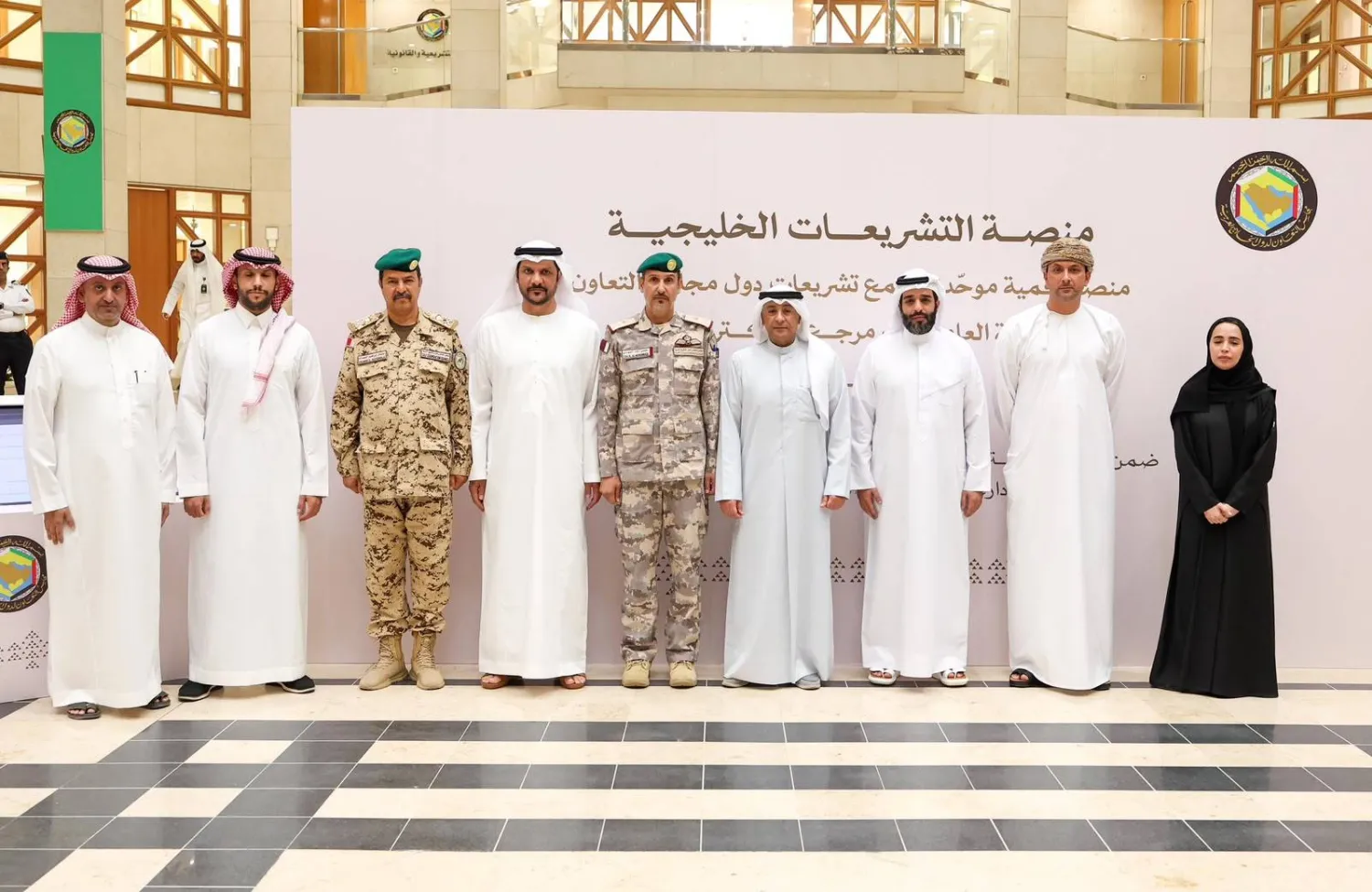
Secretary General of the Gulf Cooperation Council (GCC) Jasem Albudaiwi (4th from right) and other officials are seen at Sunday's launch. (GCC)
TT

GCC Launches Platform for Unified Review of Gulf Legislation

Secretary General of the Gulf Cooperation Council (GCC) Jasem Albudaiwi (4th from right) and other officials are seen at Sunday's launch. (GCC)

Secretary General of the Gulf Cooperation Council (GCC) Jasem Albudaiwi launched on Sunday the "Gulf Legislation Platform" that allows the review of unified Gulf legislation issued within the framework of joint Gulf action.

It provides a unified electronic reference that helps in supporting legislative and legal work across Gulf countries, said a statement by the GCC General Secretariat.

During the launch at the General Secretariat headquarters, Albudaiwi hailed the efforts of those in charge of the initiative, which came in implementation of the decision of the Standing Committee of Officials of Legislation Departments in the GCC States at its 19th meeting.

The committee had approved the General Secretariat's proposal to establish this specialized platform to streamline access to unified Gulf and national legislation.

The platform provides advanced search services that enable government and legal entities in the member states, alongside specialists, researchers, and those interested in legislative affairs, to access and review unified Gulf legislation and national legislation with efficiency and ease.

This boosts the exchange of legal expertise and supports legislative coordination and integration among the Council states. The platform currently boasts more than 24,700 legal and legislative documents.

The first phase of the project covers Bahrain and Oman, while the relevant authorities at the General Secretariat continue to work on completing the link with the remaining member countries.


KSrelief's Masam Project Clears 2,045 Mines across Yemen in One Week

The Saudi Project for Landmine Clearance (Masam) in Yemen cleared 2,045 mines from various regions of Yemen during the second week of June 2026. (SPA)
TT

KSrelief's Masam Project Clears 2,045 Mines across Yemen in One Week

The Saudi Project for Landmine Clearance (Masam) in Yemen cleared 2,045 mines from various regions of Yemen during the second week of June 2026. (SPA)

The Saudi Project for Landmine Clearance (Masam) in Yemen, implemented by the King Salman Humanitarian Aid and Relief Center (KSrelief), cleared 2,045 mines from various regions of Yemen during the second week of June 2026, the Saudi Press Agency said on Monday.

The clearance operations included 98 anti-tank mines, 18 anti-personnel mines, 1,927 unexploded ordnance items, and two improvised explosive devices (IEDs).

This brings the number of mines cleared since the beginning of June to 2,843, while the total removed since the launch of the Masam project has reached 567,182.

These mines had been indiscriminately planted across various parts of Yemen, posing a threat to civilians, including children, women, and the elderly.

Through KSrelief, Saudi Arabia continues to support mine-clearance operations across Yemen under the Masam project, helping to protect civilians from the dangers posed by landmines and explosive remnants of war