

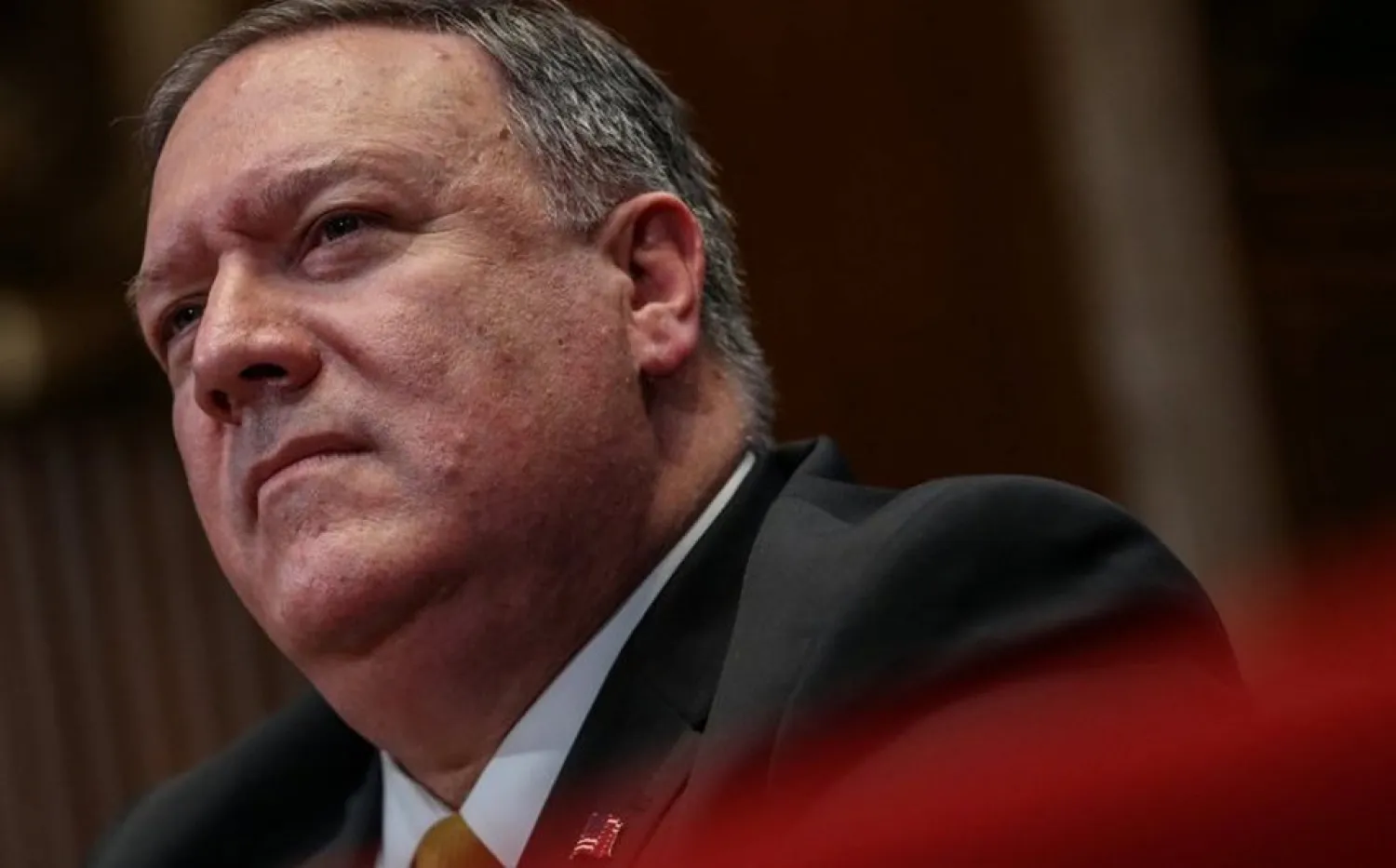

Pompeo Affirms Support for Arab Coalition in Yemen, Says Iran Behind Continuation of War

US Secretary of State Mike Pompeo. (Reuters)
TT

Pompeo Affirms Support for Arab Coalition in Yemen, Says Iran Behind Continuation of War

US Secretary of State Mike Pompeo. (Reuters)

Secretary of State Mike Pompeo underlined on Monday US support for the Saudi-led coalition in Yemen, blaming Iran for the civil war.

“The support we’re providing to the Saudis as they attempt to engage these dangerous missiles systems is in America’s best interest,” said Pompeo, according to The Hill newspaper.

He blamed Iran, saying the war is “Iranian led” and that Tehran has “chosen to direct” the Houthis not to withdraw from the port of Hodeidah as agreed to last year.

“The Houthis, who continue to refuse to comply with the agreements they have signed up for in Stockholm, Sweden, refused to move back from the port in Hodeidah,” he stressed.

He said weapons used by Houthis are smuggled into Yemen from Iran in addition to the missiles launched at Saudi territory and that affect civil aviation.

“The United States has an obligation to protect our citizens, so the support that we’re providing to the Saudis as they attempt to engage these dangerous missile systems is in America’s best interest,” he told the newspaper.

He said the US military support also aims at countering al-Qaeda in the Arabian Peninsula and ensuring protection of the US from the terror risk inside Yemen, pointing to the reasons why US President Donald Trump vetoed a Congress resolution to end support for Yemen.

When asked whether ISIS still poses a threat, Pompeo said it undoubtedly still does.

“We have made significant progress. I give our coalition partners – we built a coalition of over 80 countries, called the Defeat ISIS Coalition, an enormous global coalition to take down that caliphate. That coalition remains,” he responded.

On whether the US was seeking regime change in Iran, Pompeo said the US administration wants it “to make a set of decisions that are very different from the ones they’re making today.”

He highlighted the 12 demands by the US administration back in May 2018, stressing that they are all reasonable and simply call on Iran to behave like a normal country.

“They’re simple things like don’t kill people in Europe, don’t conduct assassinate – it’s not outrageous.”

He also wondered “whether it is outrageous to ask Iran not to support militias in Iraq to try and destabilize the Iraqi government so the Iraqi people have an independent, sovereign nation of their own.”



EU Condemns Israel's West Bank Control Measures

The Israeli settlement of Har Homa, seen from the West Bank city of Bethlehem, Tuesday, Dec. 17, 2024. (AP)
TT

EU Condemns Israel's West Bank Control Measures

The Israeli settlement of Har Homa, seen from the West Bank city of Bethlehem, Tuesday, Dec. 17, 2024. (AP)

The European Union on Monday condemned new Israeli measures to tighten control of the West Bank and pave the way for more settlements in the occupied Palestinian territory, AFP reported.

"The European Union condemns recent decisions by Israel's security cabinet to expand Israeli control in the West Bank. This move is another step in the wrong direction," EU spokesman Anouar El Anouni told journalists.


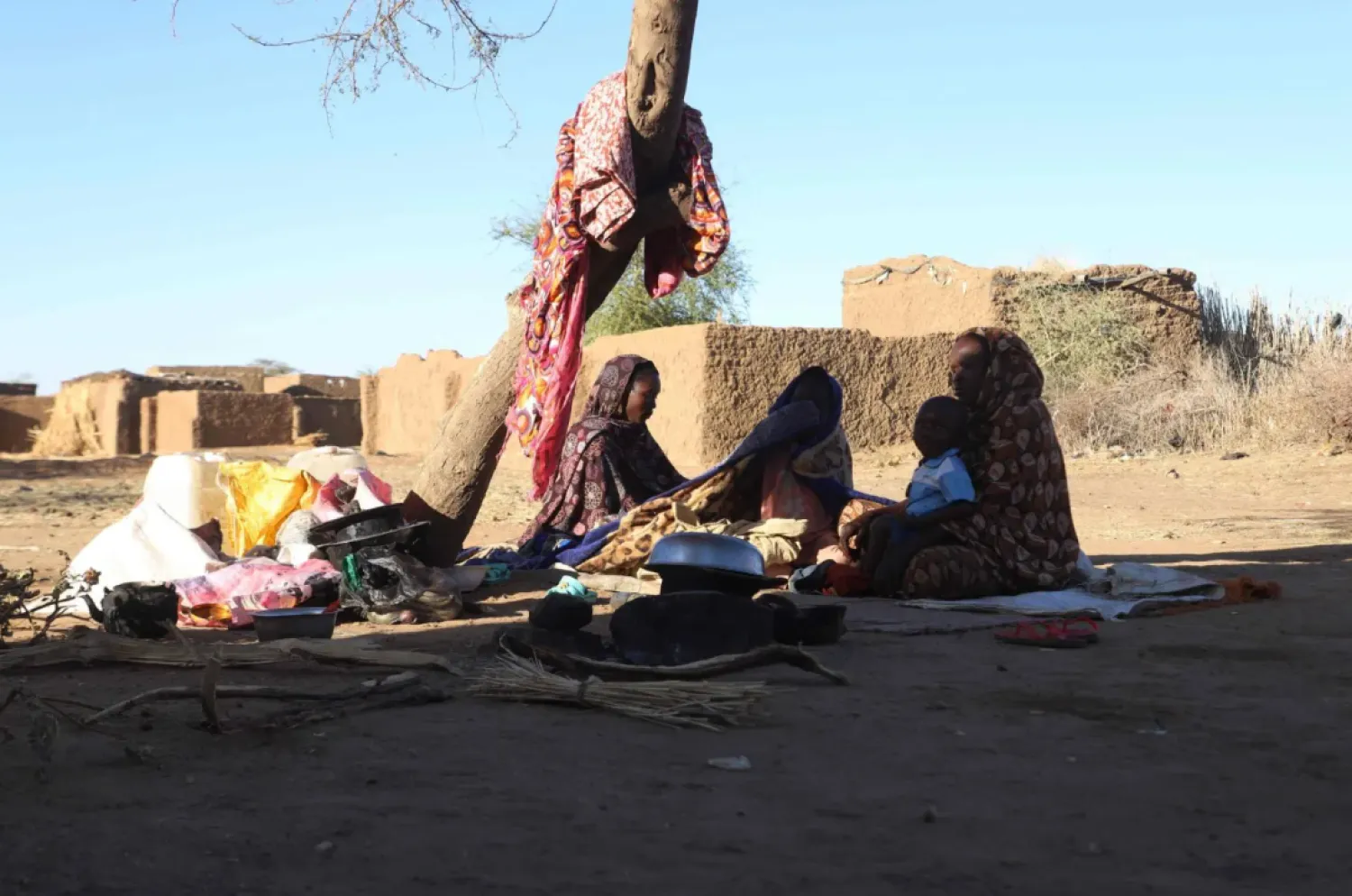
Atrocities in Sudan's El-Fasher Were 'Preventable Human Rights Catastrophe'

Sudanese displaced people who left El Fasher after its fall, sit in the shade in Tawila at the Rwanda camp reception point on December 17, 2025. (Photo by AFP)
TT

Atrocities in Sudan's El-Fasher Were 'Preventable Human Rights Catastrophe'

Sudanese displaced people who left El Fasher after its fall, sit in the shade in Tawila at the Rwanda camp reception point on December 17, 2025. (Photo by AFP)

The atrocities unleashed on El-Fasher in Sudan's Darfur region last October were a "preventable human rights catastrophe", the United Nations said Monday, warning they now risked being repeated in the neighbouring Kordofan region.


"My office sounded the alarm about the risk of mass atrocities in the besieged city of El-Fasher for more than a year ... but our warnings were ignored," UN rights chief Volker Turk told the Human Rights Council in Geneva.


He added that he was now "extremely concerned that these violations and abuses may be repeated in the Kordofan region".


Arab League Condemns Israel's Decisions to Alter Legal, Administrative Status of West Bank

A general view shows the opening session of the meeting of Arab foreign ministers at the Arab League Headquarters (Reuters)
TT

Arab League Condemns Israel's Decisions to Alter Legal, Administrative Status of West Bank

A general view shows the opening session of the meeting of Arab foreign ministers at the Arab League Headquarters (Reuters)

The General Secretariat of the Arab League strongly condemned decisions by Israeli occupation authorities to impose fundamental changes on the legal and administrative status of the occupied Palestinian territories, particularly in the West Bank, describing them as a dangerous escalation and a flagrant violation of international law, international legitimacy resolutions, and signed agreements, SPA reported.

In a statement, the Arab League said the measures include facilitating the confiscation of private Palestinian property and transferring planning and licensing authorities in the city of Hebron and the area surrounding the Ibrahimi Mosque to occupation authorities.

It warned of the serious repercussions of these actions on the rights of the Palestinian people and on Islamic and Christian holy sites.

The statement reaffirmed the Arab League’s firm support for the legitimate rights of the Palestinian people, foremost among them the establishment of their independent state on the June 4, 1967 borders, with East Jerusalem as its capital.