


FPM Reopens Debate on Lebanese Who Fled to Israel

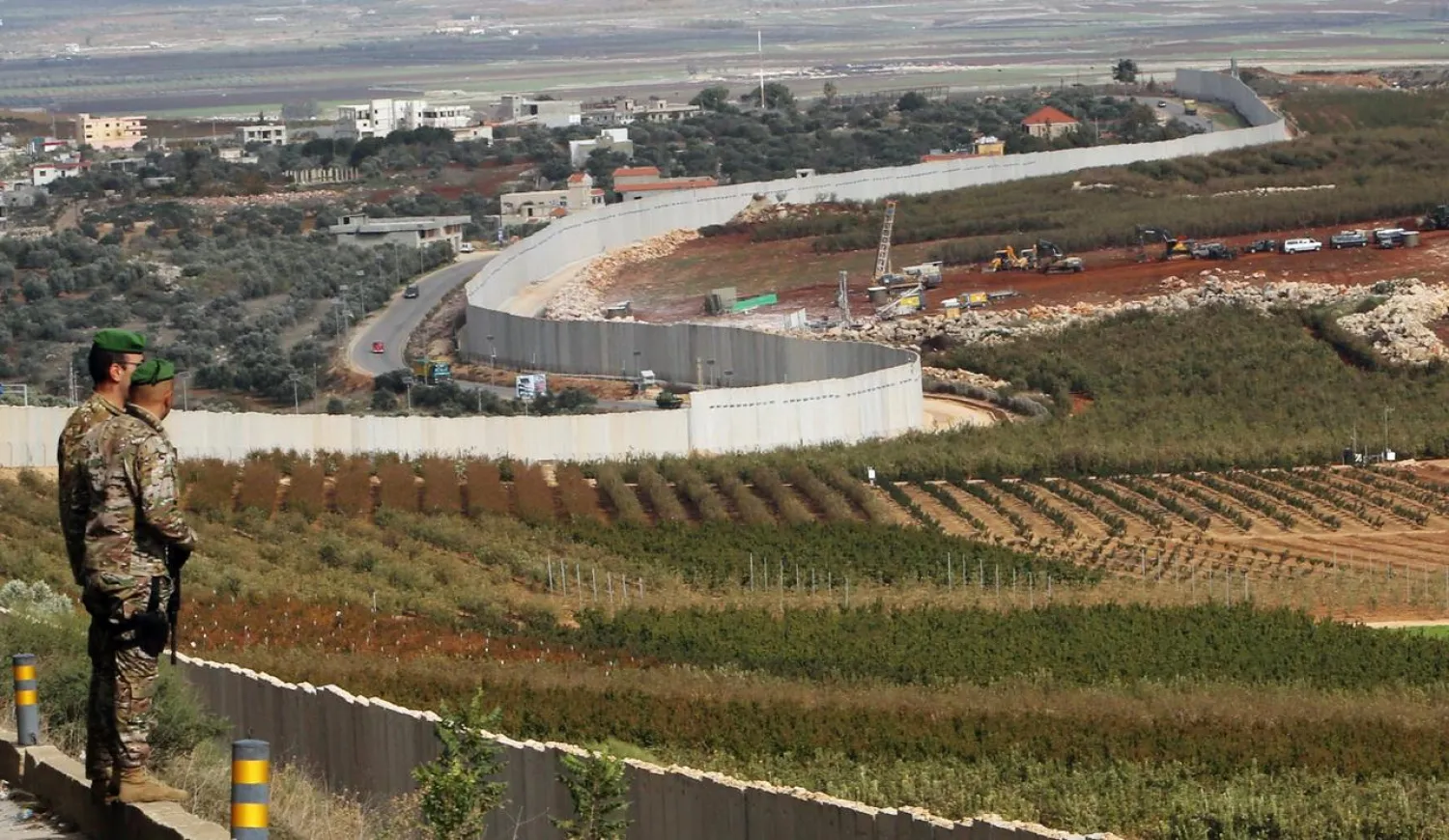
Lebanese soldiers stand near the border with Israel, at the village of Kfar Kila, in south Lebanon December 5, 2018. (Reuters)
TT

FPM Reopens Debate on Lebanese Who Fled to Israel

Lebanese soldiers stand near the border with Israel, at the village of Kfar Kila, in south Lebanon December 5, 2018. (Reuters)

The debate over Lebanese who have fled to Israel was revived after Foreign Minister and Free Patriotic Movement (FPM) chief Jebran Bassil revealed that Justice Minister Albert Serhan was seeking to devise a mechanism to implement the law on their return.

The debate covers Lebanese who fled to Israel 19 years ago, or when Israel withdrew from its occupation of southern Lebanon. The thorny issue has the Lebanese divided between those who view them as traitors and others who view them as exiled.

Estimates said that some 7,500 Lebanese fled to Israel when it withdrew from the South after 22 years of occupation. They now number some 3,400 after several left for western countries.

Bassil made his comments during a tour of the South last weekend.

Lebanese in Israel were always a concern for Lebanese parties, particularly the Christian FPM, Phalange and Lebanese Forces given that 90 percent of Lebanese in Israel are Christians who hail from the South.

Parliament had in 2011 approved a draft law presented by the FPM to tackle the issue, but no implementation mechanisms were put in place for it. A few Lebanese did indeed return, whereas the remaining numbers will only feel safe once general amnesty is approved and which will spare them any investigation. Amnesty currently appears far-fetched.

The law applies to all citizens who escaped to Israel and who joined the South Lebanese Army militia or collaborated with it. It stipulates that they will be arrested by the authorities on the Lebanese-Israeli border upon their return and tried under the local law.

It also noted that their families and other Lebanese who had not collaborated with the militia could return under certain mechanisms and regulations.

In 2012, the Phalange Party proposed a draft law calling for a general amnesty for the Lebanese who fled to Israel, allowing pardon for all crimes committed before December 31, 2000.

Former president of the Maronite League Antoine Klimos, who previously worked on this file, told Asharq Al-Awsat that the presence of Lebanese outside their country is “a punishment in and of itself.”

The problem will only get compounded as they spend more time outside their country, especially since a whole generation of Lebanese would have lived without knowing their homeland, he remarked.



EU Condemns Israel's West Bank Control Measures

The Israeli settlement of Har Homa, seen from the West Bank city of Bethlehem, Tuesday, Dec. 17, 2024. (AP)
TT

EU Condemns Israel's West Bank Control Measures

The Israeli settlement of Har Homa, seen from the West Bank city of Bethlehem, Tuesday, Dec. 17, 2024. (AP)

The European Union on Monday condemned new Israeli measures to tighten control of the West Bank and pave the way for more settlements in the occupied Palestinian territory, AFP reported.

"The European Union condemns recent decisions by Israel's security cabinet to expand Israeli control in the West Bank. This move is another step in the wrong direction," EU spokesman Anouar El Anouni told journalists.


Atrocities in Sudan's El-Fasher Were 'Preventable Human Rights Catastrophe'

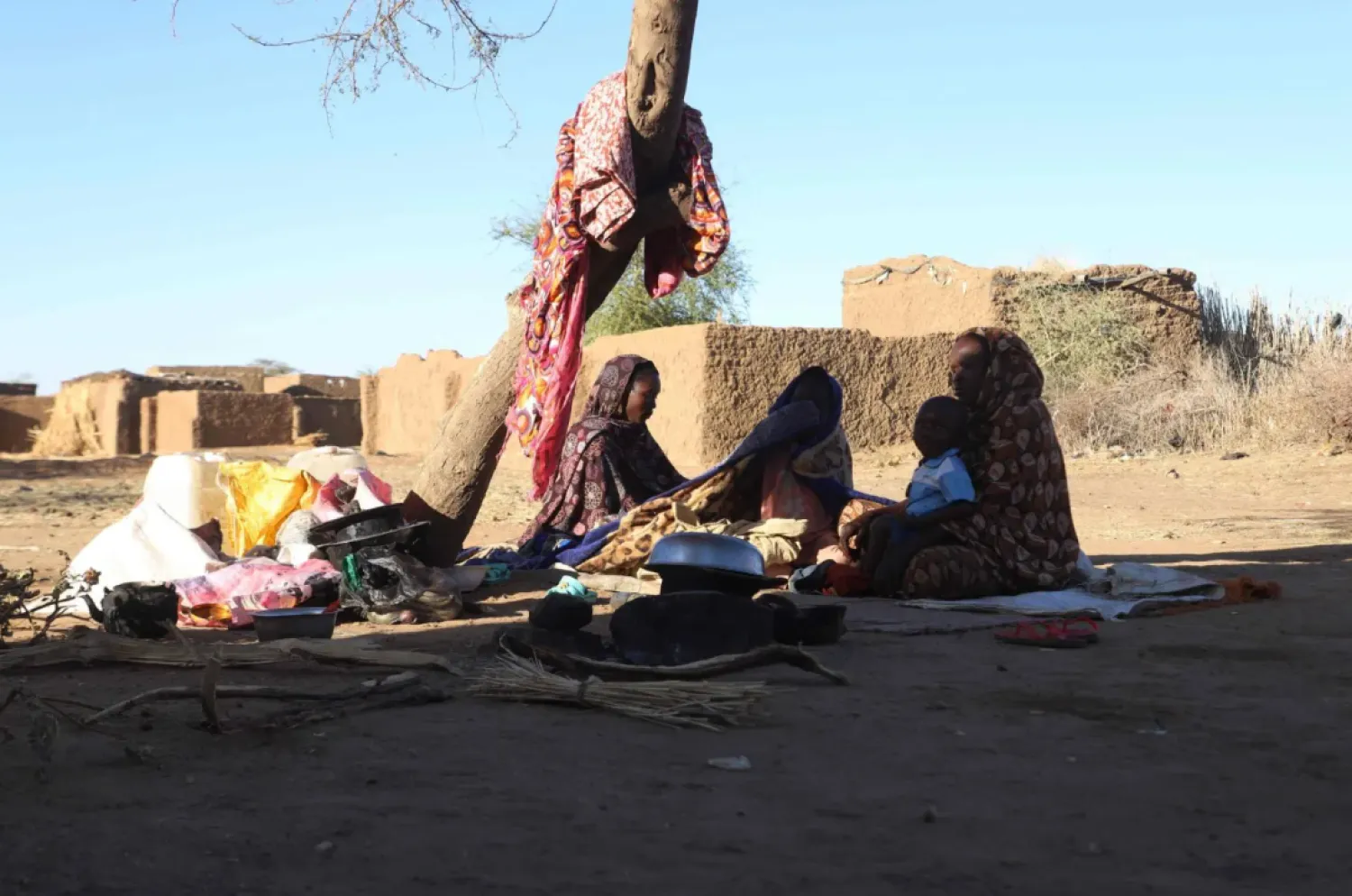
Sudanese displaced people who left El Fasher after its fall, sit in the shade in Tawila at the Rwanda camp reception point on December 17, 2025. (Photo by AFP)
TT

Atrocities in Sudan's El-Fasher Were 'Preventable Human Rights Catastrophe'

Sudanese displaced people who left El Fasher after its fall, sit in the shade in Tawila at the Rwanda camp reception point on December 17, 2025. (Photo by AFP)

The atrocities unleashed on El-Fasher in Sudan's Darfur region last October were a "preventable human rights catastrophe", the United Nations said Monday, warning they now risked being repeated in the neighbouring Kordofan region.


"My office sounded the alarm about the risk of mass atrocities in the besieged city of El-Fasher for more than a year ... but our warnings were ignored," UN rights chief Volker Turk told the Human Rights Council in Geneva.


He added that he was now "extremely concerned that these violations and abuses may be repeated in the Kordofan region".


Arab League Condemns Israel's Decisions to Alter Legal, Administrative Status of West Bank

A general view shows the opening session of the meeting of Arab foreign ministers at the Arab League Headquarters (Reuters)
TT

Arab League Condemns Israel's Decisions to Alter Legal, Administrative Status of West Bank

A general view shows the opening session of the meeting of Arab foreign ministers at the Arab League Headquarters (Reuters)

The General Secretariat of the Arab League strongly condemned decisions by Israeli occupation authorities to impose fundamental changes on the legal and administrative status of the occupied Palestinian territories, particularly in the West Bank, describing them as a dangerous escalation and a flagrant violation of international law, international legitimacy resolutions, and signed agreements, SPA reported.

In a statement, the Arab League said the measures include facilitating the confiscation of private Palestinian property and transferring planning and licensing authorities in the city of Hebron and the area surrounding the Ibrahimi Mosque to occupation authorities.

It warned of the serious repercussions of these actions on the rights of the Palestinian people and on Islamic and Christian holy sites.

The statement reaffirmed the Arab League’s firm support for the legitimate rights of the Palestinian people, foremost among them the establishment of their independent state on the June 4, 1967 borders, with East Jerusalem as its capital.