

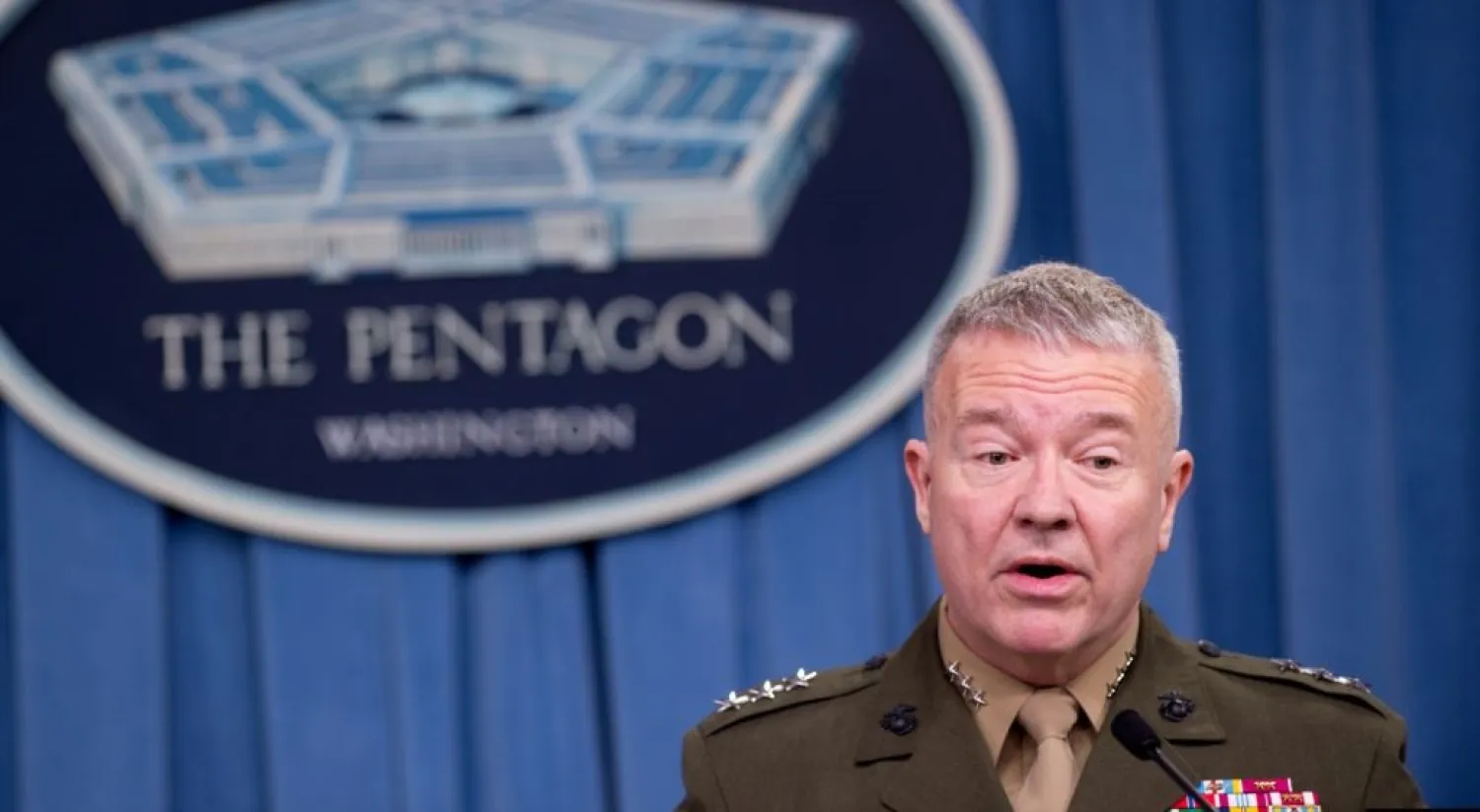

US Central Command Chief Visits Northeast Syria

US Central Command chief General Kenneth McKenzie. (AFP)
TT

US Central Command Chief Visits Northeast Syria

US Central Command chief General Kenneth McKenzie. (AFP)

US Central Command chief General Kenneth McKenzie on Monday visited Kurdish-led allies in northeast Syria for the first time since taking up the post.

McKenzie -- who oversees US operations in the Middle East -- took over from his predecessor General Joseph Votel in late March.

Just days earlier, the Kurdish-led Syrian Democratic Forces took back the last patch of territory from the ISIS group in eastern Syria with US support.

After the months-long campaign, Syria's Kurds now hold thousands of ISIS suspects in jails and tens of thousands of women and children in overcrowded camps for the displaced.

They have repeatedly urged foreign nations to repatriate around 1,000 alleged foreign jihadist fighters and tens of thousands of non-Syrian women and children linked to the group.

During his visit, McKenzie and SDF chief Mazlum Abdi discussed "the problem of camps and ISIS detainees held by the SDF", the Kurdish-led alliance said in a statement, according to AFP.

They also spoke of coordination between the US-led coalition and the SDF to continue hunting down IS sleeper cells, it said.

The extremist group has continued to claim deadly car bombings and arson attacks on key wheat fields in SDF-held territory, despite its territorial defeat.

SDF spokesman Mustafa Bali told AFP the meeting had taken place in Kobane, on Syria's northern border with Turkey, from which Kurdish forces drove out ISIS in January 2015.

He posted a photo on Twitter of both commanders shaking hands.

"Several important issues including proposed safe zone, future cooperation between the SDF and anti-ISIS coalition and situation of extremists and their families were discussed," he quoted Abdi as saying.

US President Donald Trump last year threatened to withdraw all US troops from northeast Syria, sparking fears among Kurds they would be exposed to a long-threatened Turkish attack.

After his announcement, Trump attempted to ease tensions by speaking of a 30-kilometer (18-mile) "safe zone" on the Syrian side of the border.

A small number of American soldiers remain in northeast Syria and Washington has pushed for increased military support from other coalition members.



EU Condemns Israel's West Bank Control Measures

The Israeli settlement of Har Homa, seen from the West Bank city of Bethlehem, Tuesday, Dec. 17, 2024. (AP)
TT

EU Condemns Israel's West Bank Control Measures

The Israeli settlement of Har Homa, seen from the West Bank city of Bethlehem, Tuesday, Dec. 17, 2024. (AP)

The European Union on Monday condemned new Israeli measures to tighten control of the West Bank and pave the way for more settlements in the occupied Palestinian territory, AFP reported.

"The European Union condemns recent decisions by Israel's security cabinet to expand Israeli control in the West Bank. This move is another step in the wrong direction," EU spokesman Anouar El Anouni told journalists.


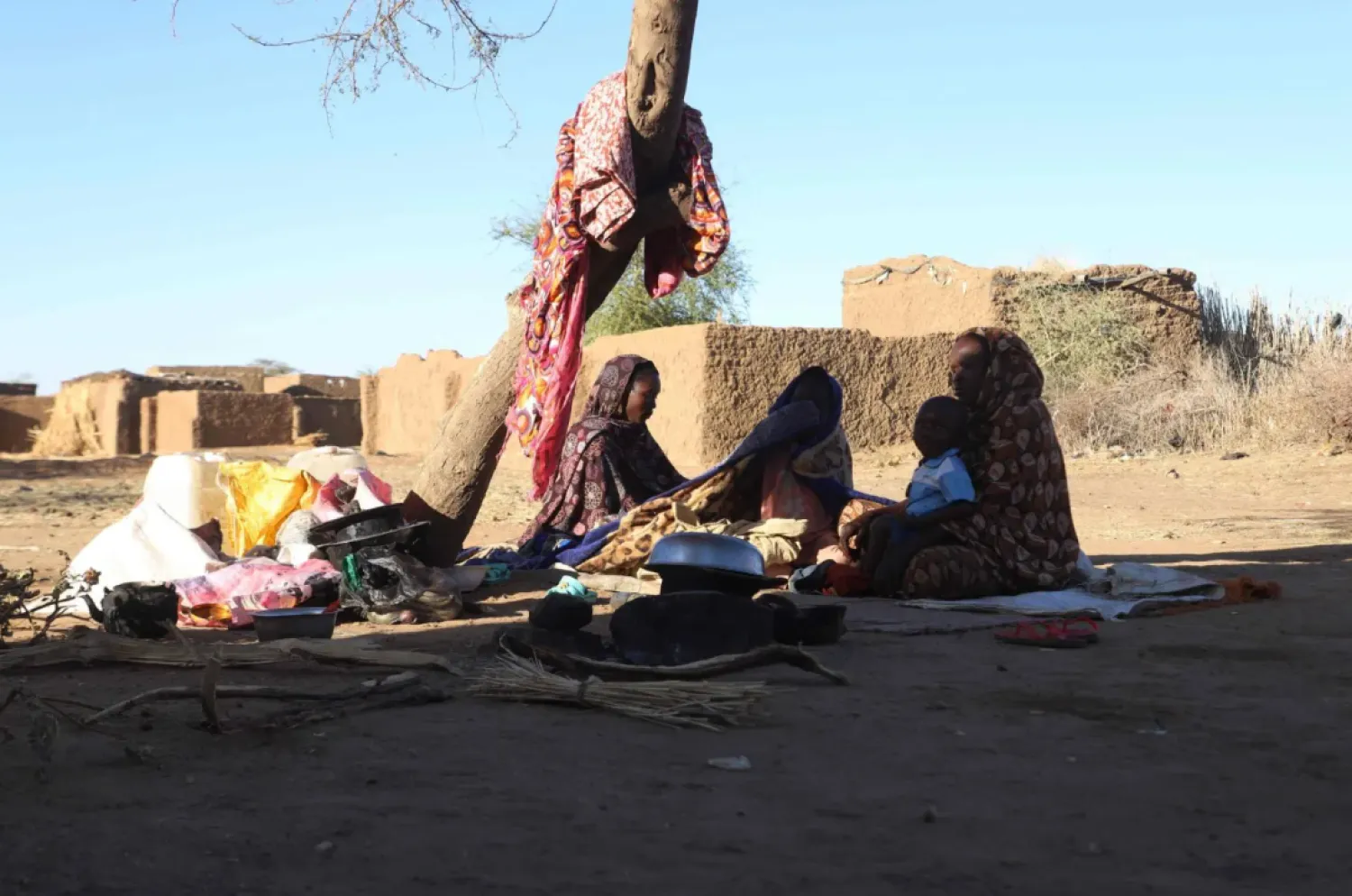
Atrocities in Sudan's El-Fasher Were 'Preventable Human Rights Catastrophe'

Sudanese displaced people who left El Fasher after its fall, sit in the shade in Tawila at the Rwanda camp reception point on December 17, 2025. (Photo by AFP)
TT

Atrocities in Sudan's El-Fasher Were 'Preventable Human Rights Catastrophe'

Sudanese displaced people who left El Fasher after its fall, sit in the shade in Tawila at the Rwanda camp reception point on December 17, 2025. (Photo by AFP)

The atrocities unleashed on El-Fasher in Sudan's Darfur region last October were a "preventable human rights catastrophe", the United Nations said Monday, warning they now risked being repeated in the neighbouring Kordofan region.


"My office sounded the alarm about the risk of mass atrocities in the besieged city of El-Fasher for more than a year ... but our warnings were ignored," UN rights chief Volker Turk told the Human Rights Council in Geneva.


He added that he was now "extremely concerned that these violations and abuses may be repeated in the Kordofan region".


Arab League Condemns Israel's Decisions to Alter Legal, Administrative Status of West Bank

A general view shows the opening session of the meeting of Arab foreign ministers at the Arab League Headquarters (Reuters)
TT

Arab League Condemns Israel's Decisions to Alter Legal, Administrative Status of West Bank

A general view shows the opening session of the meeting of Arab foreign ministers at the Arab League Headquarters (Reuters)

The General Secretariat of the Arab League strongly condemned decisions by Israeli occupation authorities to impose fundamental changes on the legal and administrative status of the occupied Palestinian territories, particularly in the West Bank, describing them as a dangerous escalation and a flagrant violation of international law, international legitimacy resolutions, and signed agreements, SPA reported.

In a statement, the Arab League said the measures include facilitating the confiscation of private Palestinian property and transferring planning and licensing authorities in the city of Hebron and the area surrounding the Ibrahimi Mosque to occupation authorities.

It warned of the serious repercussions of these actions on the rights of the Palestinian people and on Islamic and Christian holy sites.

The statement reaffirmed the Arab League’s firm support for the legitimate rights of the Palestinian people, foremost among them the establishment of their independent state on the June 4, 1967 borders, with East Jerusalem as its capital.