


Arab League, African Union Agree to Enhance Cooperation

Secretary-General of Arab League (AL), Ahmed Aboul Gheit, and the Chairperson of the African Union Commission (AUC), Moussa Faki Mahamat during the meeting (African Union Commission (AUC))
TT

Arab League, African Union Agree to Enhance Cooperation

Secretary-General of Arab League (AL), Ahmed Aboul Gheit, and the Chairperson of the African Union Commission (AUC), Moussa Faki Mahamat during the meeting (African Union Commission (AUC))

The Secretary-General of Arab League (AL), Ahmed Aboul Gheit, and the Chairperson of the African Union Commission (AUC), Moussa Faki Mahamat, presided a meeting of the Arab-African Cooperation, the highest mechanism for political coordination between the two organizations.

The talks witnessed an agreement between the two sides on a number of steps aimed at enhancing joint coordination and integrated work between the League and the Union in handling crises and security challenges in the Arab and African regions.

The officials discussed a political settlement to the Libyan crisis, democratic transition in Sudan, and security and stability in Somalia, as well as supporting efforts to promote stability, development and regional cooperation in the Horn of Africa.

They also addressed combating terrorism in Lake Chad and Sahel region and all threats to security and stability of African and Arab states, according to an official source at the League.

The source added that the two sides also discussed the latest developments in the Palestinian issue.

Aboul Gheit highly appreciated the steadfast positions adopted by the Union in support of Palestine and the Palestinians’ right to establish their independent state with East Jerusalem as its capital.

The Sec-Gen also commended the advanced coordination between the League and the Union in defense of the Palestinian, particularly in the United Nations General Assembly and other international arenas.

The source noted that the meeting focused on discussing ways to activate and complete the implementation of various programs and frameworks of cooperation between the Arab world and Africa, especially in the development of the joint work plan aimed at improving the Arab-African partnership.

Projects of the plan will be prepared for submission to Arab and African foreign ministers, in preparation for presenting it before state leaders and presidents during the upcoming Arab-African summit.

The source stated that Aboul Gheit lauded the cooperation between the Arab League and the African Union, and renewed his commitment to develop this partnership in all that would serve the common objectives of the two organizations, and is in favor of Arab and African states.

In this context, Aboul Gheit and Mahamat agreed to update the official cooperation agreement between the League and the Union, signed in 2007, to establish further mechanisms for coordination and institutional integration between them.

They also agreed to hold the next general meeting of cooperation between the two organizations under their joint presidency in Cairo mid-2020.


IMF Says Lebanon Needs Key Reforms for Program

People walk along the Corniche Al-Manara seafront promenade on the coast of the Mediterranean Sea as the sun sets in Beirut, Lebanon, 30 September 2026. (EPA)
TT

IMF Says Lebanon Needs Key Reforms for Program

People walk along the Corniche Al-Manara seafront promenade on the coast of the Mediterranean Sea as the sun sets in Beirut, Lebanon, 30 September 2026. (EPA)

Lebanon must push through a number of key economic and banking sector reforms to secure a new International Monetary Fund program, the Fund said on Thursday.

"It will require continued progress on key reforms, including the entry into force of the bank resolution ‌law, and appropriate ‌financial gap laws ‌consistent ⁠with international standards," IMF ⁠spokesperson Julie Kozack told reporters during a press conference.

She added a 2027 budget and medium-term fiscal framework that were "consistent with debt sustainability for the country" were also ⁠required.

Lebanon first signed a ‌preliminary agreement ‌with the IMF in April 2022, more ‌than two years after its ‌financial system imploded following decades of profligate spending and corruption in the ruling elite.

It recently passed a new ‌banking restructuring law which was welcomed by the IMF, but ⁠this ⁠week Lebanon's President Joseph Aoun quietly referred that law to the country’s constitutional council, triggering a review.

The move has sparked concerns among reformists in Lebanon that the country is backtracking on the key piece of legislation and potentially putting its IMF support hopes at risk.


Lebanon Army Says Seized 245 Kg of TNT at Syria Border

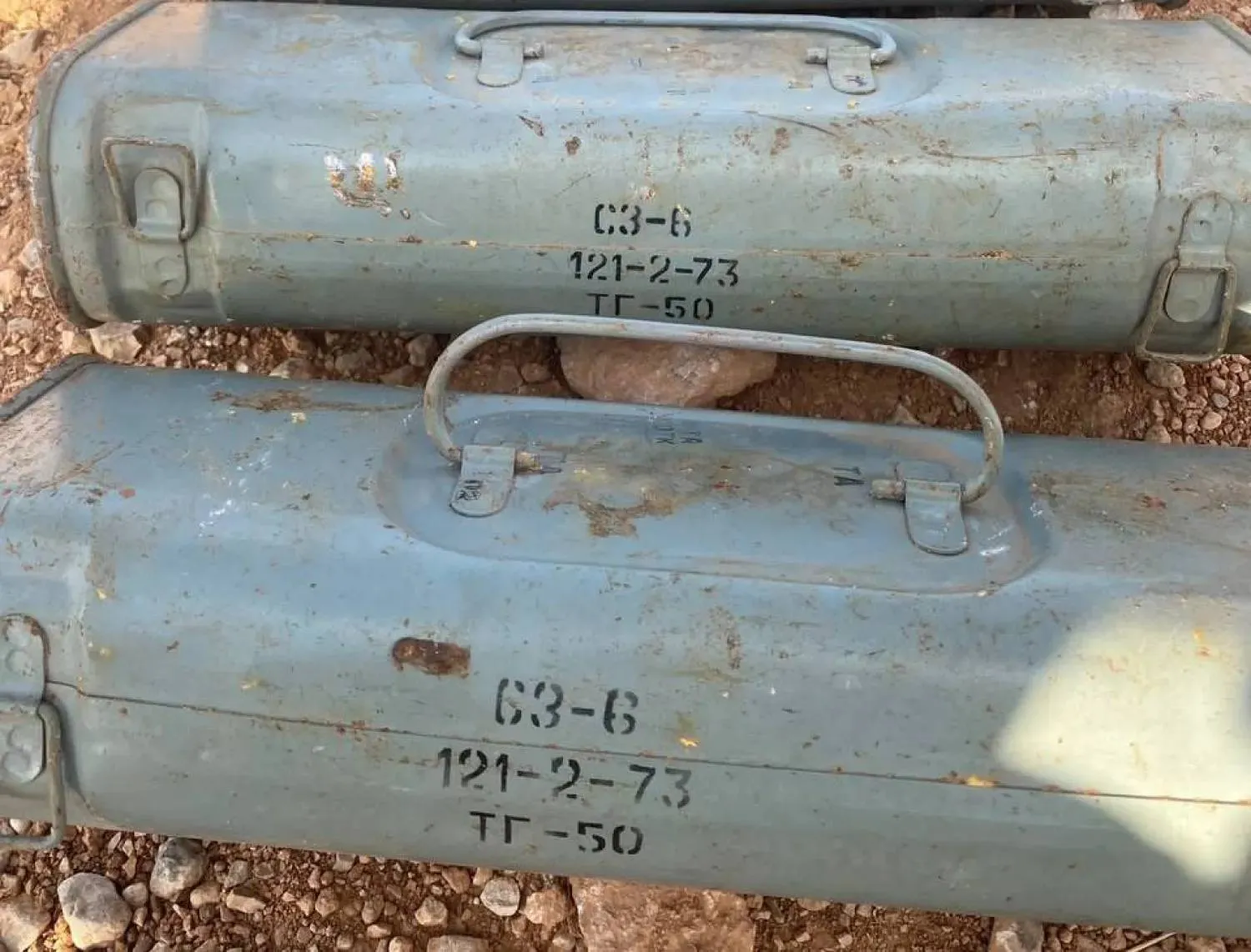
An army unit seized approximately 245 kg of TNT. (Lebanese Army on X)
TT

Lebanon Army Says Seized 245 Kg of TNT at Syria Border

An army unit seized approximately 245 kg of TNT. (Lebanese Army on X)

The Lebanese army announced on Thursday that it had seized nearly 250 kilograms (around 550 pounds) of explosives being transported from neighboring Syria into Lebanon, though it was unable to apprehend the smugglers.

"An army unit seized approximately 245 kg of TNT, four explosive devices, eight detonators and electrical wiring for the detonators", which were being "smuggled from Syrian territory into Lebanese territory", the army said in a statement.

"The smugglers fled back toward Syria as soon as an army patrol arrived at the scene," it added.

Lebanon and Syria share a 330-kilometer (205-mile) border known for being porous.

Since the fall of longtime Syrian ruler Bashar al-Assad in late 2024, both Lebanon and Syria have been working to stamp out overland smuggling along their shared border -- including the trafficking of weapons and captagon.

Damascus regularly announces the interception of arms shipments destined for Lebanon on behalf of Hezbollah, an organization that denies any presence or activity in Syrian territory.


UN Worried about Impact of Latest Lebanon War on Agriculture

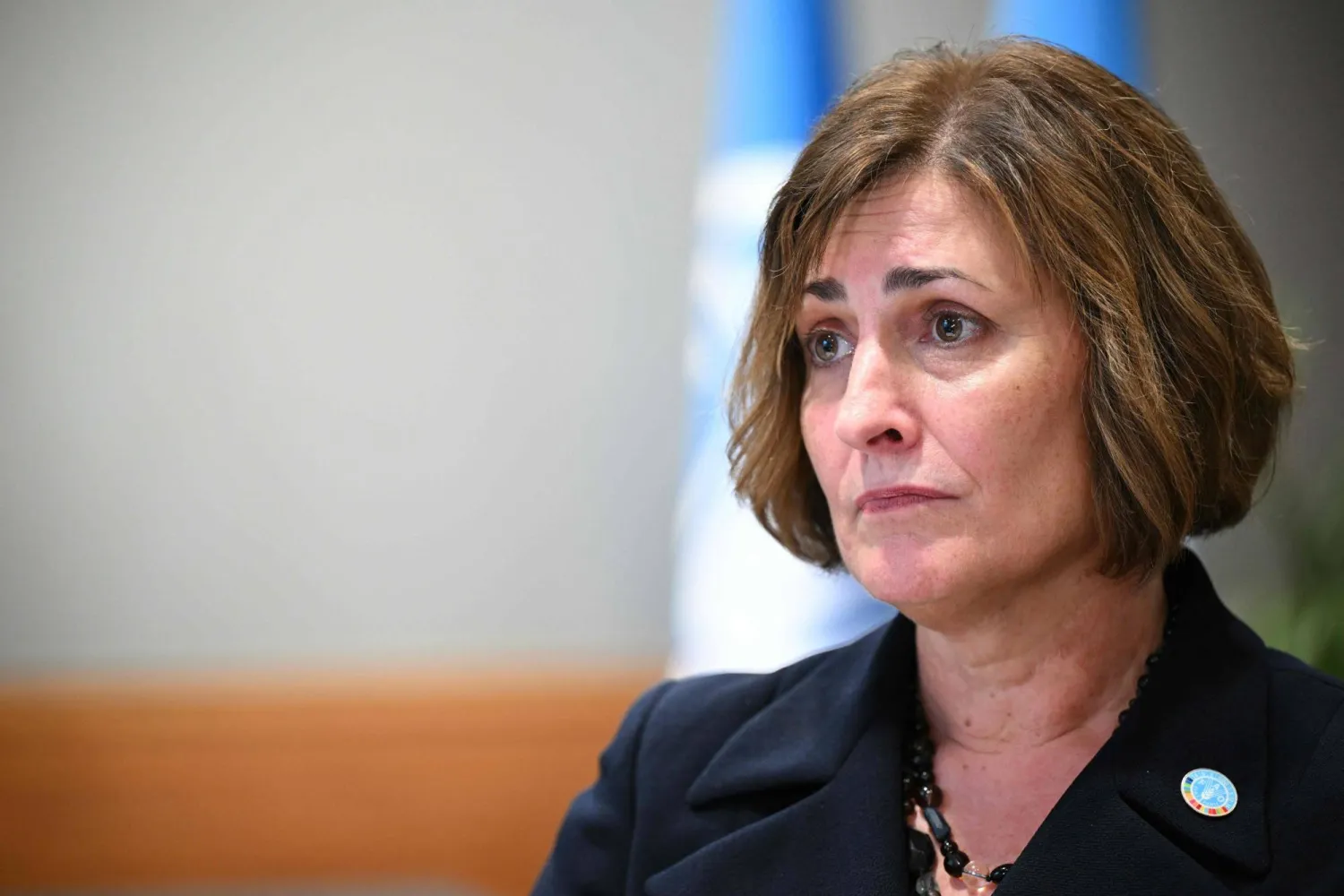
Deputy Director-General of the UN's Food and Agriculture Organization (FAO) Beth Bechdol speaks during an interview with AFP in Beirut on October 1, 2026. (AFP)
TT

UN Worried about Impact of Latest Lebanon War on Agriculture

Deputy Director-General of the UN's Food and Agriculture Organization (FAO) Beth Bechdol speaks during an interview with AFP in Beirut on October 1, 2026. (AFP)

The deputy director-general of the UN's Food and Agriculture Organization told AFP on Thursday that she was "deeply concerned" about the impact of the latest Israel-Hezbollah conflict on agriculture in south Lebanon.

The latest war "puts additional pressure on farmers and rural communities that, frankly, were already facing considerable hardships", said the FAO's Beth Bechdol.

"We're deeply concerned" about the situation in south Lebanon, where agriculture is "at the heart" of livelihoods, she said in an interview in Beirut.

"It is our best assessment that 56,000 hectares, which is more than 22 percent of Lebanon's agricultural land, has been reported as affected or damaged," including burned or physically damaged, she said.

The Iran-backed Hezbollah group drew Lebanon into the Middle East war in March by attacking Israel, which responded with massive airstrikes and a ground invasion that Lebanon says have killed more than 4,300 people.

The conflict came after hostilities that erupted in 2023 and all-out war the following year.

While the latest violence has decreased since a June ceasefire, hundreds of thousands of people remain displaced, mainly from the south, and Israel maintains troops in a self-declared "security zone" running around 10 kilometers (six miles) deep inside Lebanon along the border.

Israeli forces have been carrying out widespread demolitions affecting villages and farmland.

"Farmers and their families are no longer able to be connected to their agricultural land," Bechdol said, noting that the conflict has also "disrupted markets and reduced access" to essentials for food production including fertilizers.

In June, a UN-backed assessment from Lebanese authorities estimated agricultural production losses in south Lebanon this year had reached at least $530 million.

Bechdol also expressed concern about potential contamination and soil damage in south Lebanon due to unexploded ordnance and residues from military operations.

She said she had held discussions in recent days on the possibility of the FAO getting involved in partnerships on de-mining work in south Lebanon.

She also said she was "very concerned about just general food security levels" in Lebanon.

In April, a UN-backed report said more than 1.2 million people in Lebanon were expected to face acute hunger in the following months due to the latest war.

This week, UNICEF said four in five households in Lebanon "are struggling to afford basic necessities as conflict compounds years of economic crisis".