


Sudan: Burhan to Be Appointed 1st President of Sovereign Council, Hemedti Deputy

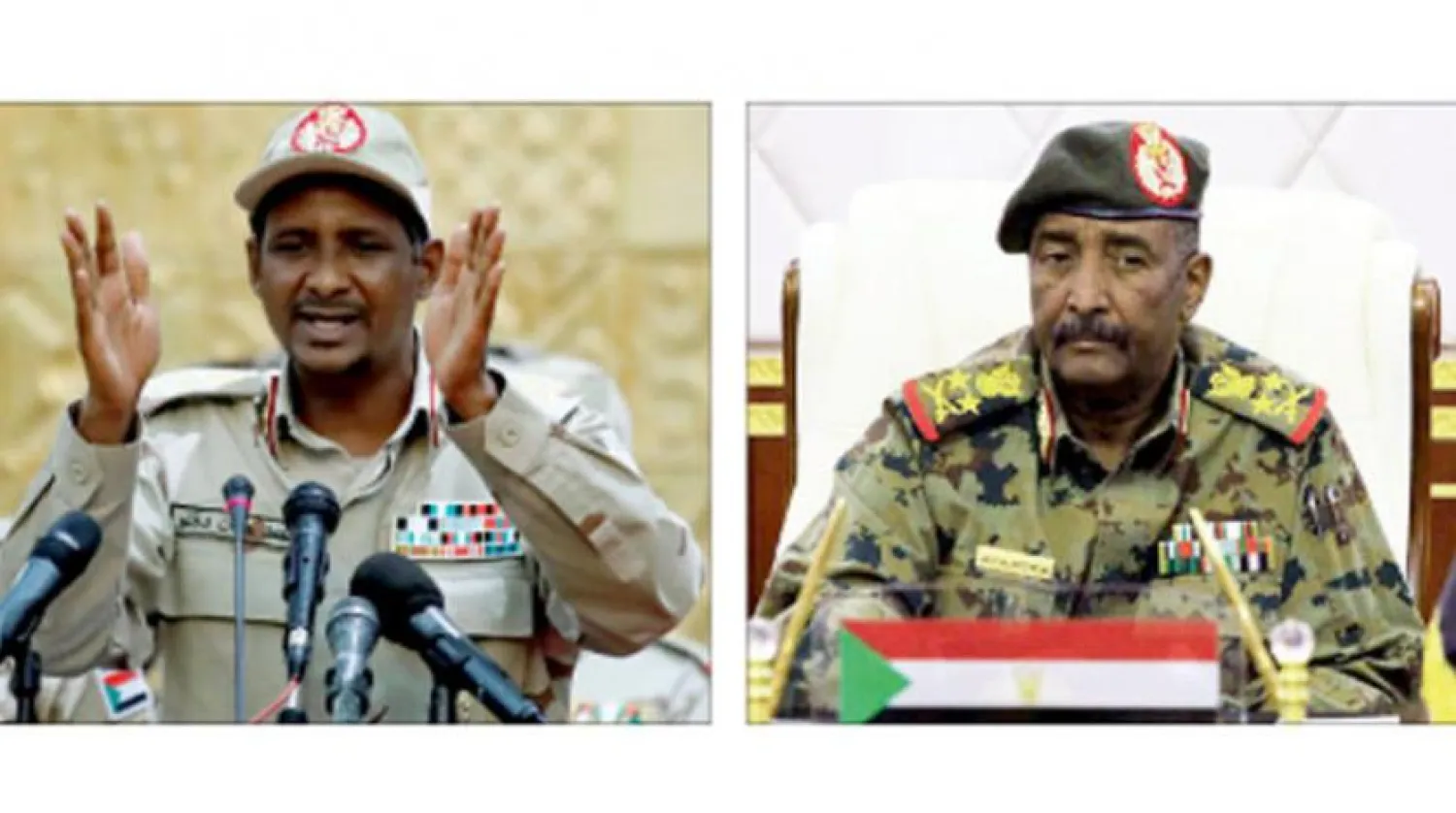
Gen. Abdel Fattah Burhan and Mohamed Hamdan Dagalo, aka Hemedti (Reuters)
TT

Sudan: Burhan to Be Appointed 1st President of Sovereign Council, Hemedti Deputy

Gen. Abdel Fattah Burhan and Mohamed Hamdan Dagalo, aka Hemedti (Reuters)

A senior Sudanese military commander announced on Friday that Gen. Abdel Fattah Burhan, who currently presides over Sudan’s Transitional Military Council (TMC), would be appointed the head of the future Sovereign Council.

“The Sovereign Council will chair the first transitional period under the leadership of Abdel Fattah Burhan, and Mohamed Hamdan Dagalo will be his deputy,” Gen. Salah Abdelkhalig, a TMC member, told Sputnik news agency.

The TMC and the forces of the Declaration of Freedom and Change agreed on Saturday on a constitutional declaration to govern the transitional period following months of political instability.

The declaration stipulated that the presidency of the Transitional Sovereign Council shall be assumed by the military for the first period of 21 months. It shall be composed of five representatives of the military and five representatives of the civil community, in addition to one other member who will be appointed by a collective vote.

The civilian-picked prime minister will appoint a cabinet where the defense and home ministry seats have been reserved by the military.

Abdelkhalig stressed that the constitutional agreement was “one of the most important strategic achievements, as it has saved the country from the civil war disaster.”

Meanwhile, Cairo is expected to witness important talks between representatives of the Sudanese Revolutionary Front and the coalition of Forces of the Declaration of Freedom and Change, to negotiate controversial issues between the two parties related to achieving peace and ending war with the armed movements.

The armed movements - operating under the Revolutionary Front – expressed reservations over the constitutional document signed with the TMC, noting that it failed to include the “peace paper” that was approved in Addis Ababa.



EU Condemns Israel's West Bank Control Measures

The Israeli settlement of Har Homa, seen from the West Bank city of Bethlehem, Tuesday, Dec. 17, 2024. (AP)
TT

EU Condemns Israel's West Bank Control Measures

The Israeli settlement of Har Homa, seen from the West Bank city of Bethlehem, Tuesday, Dec. 17, 2024. (AP)

The European Union on Monday condemned new Israeli measures to tighten control of the West Bank and pave the way for more settlements in the occupied Palestinian territory, AFP reported.

"The European Union condemns recent decisions by Israel's security cabinet to expand Israeli control in the West Bank. This move is another step in the wrong direction," EU spokesman Anouar El Anouni told journalists.


Atrocities in Sudan's El-Fasher Were 'Preventable Human Rights Catastrophe'

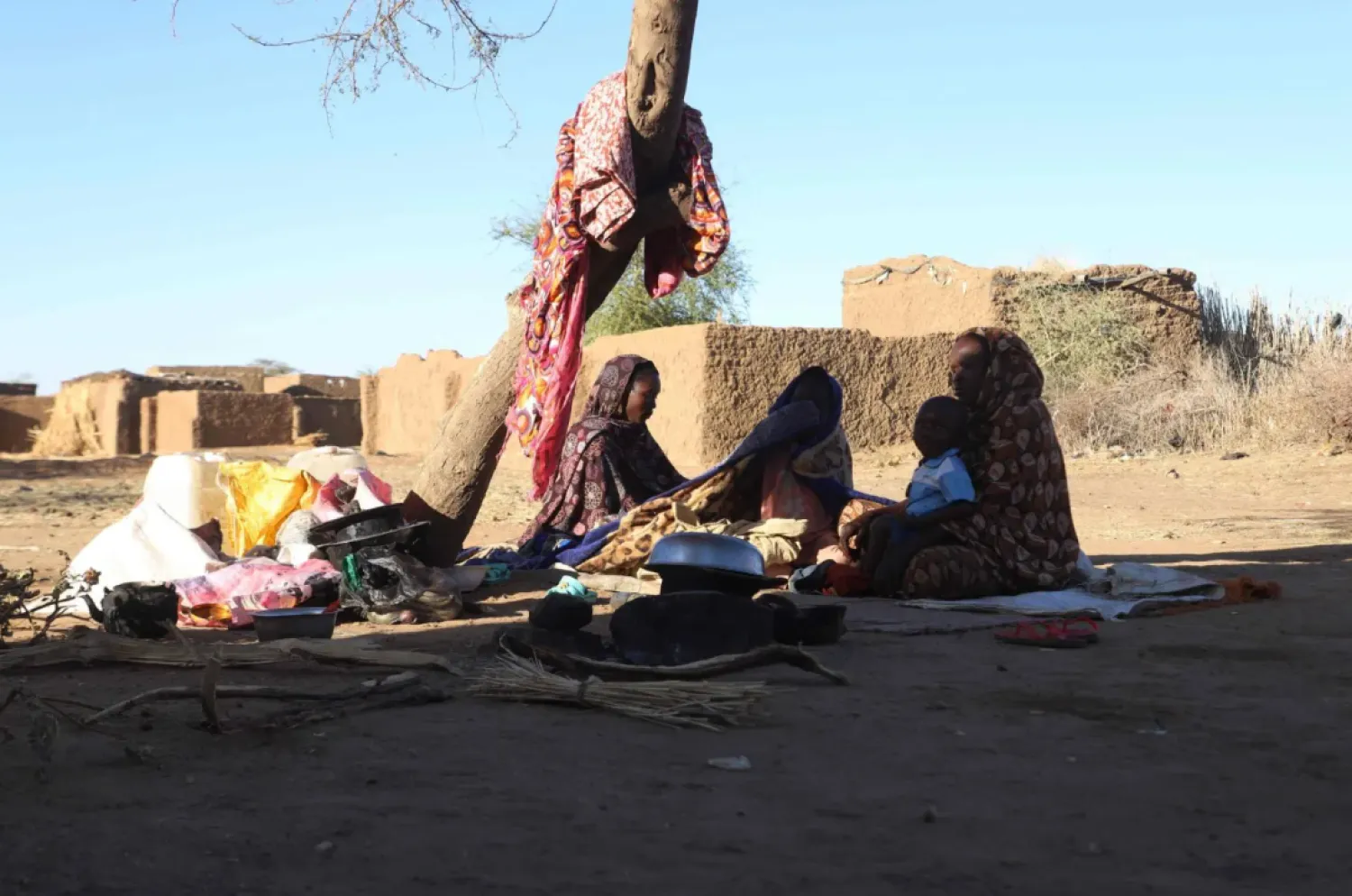
Sudanese displaced people who left El Fasher after its fall, sit in the shade in Tawila at the Rwanda camp reception point on December 17, 2025. (Photo by AFP)
TT

Atrocities in Sudan's El-Fasher Were 'Preventable Human Rights Catastrophe'

Sudanese displaced people who left El Fasher after its fall, sit in the shade in Tawila at the Rwanda camp reception point on December 17, 2025. (Photo by AFP)

The atrocities unleashed on El-Fasher in Sudan's Darfur region last October were a "preventable human rights catastrophe", the United Nations said Monday, warning they now risked being repeated in the neighbouring Kordofan region.


"My office sounded the alarm about the risk of mass atrocities in the besieged city of El-Fasher for more than a year ... but our warnings were ignored," UN rights chief Volker Turk told the Human Rights Council in Geneva.


He added that he was now "extremely concerned that these violations and abuses may be repeated in the Kordofan region".


Arab League Condemns Israel's Decisions to Alter Legal, Administrative Status of West Bank

A general view shows the opening session of the meeting of Arab foreign ministers at the Arab League Headquarters (Reuters)
TT

Arab League Condemns Israel's Decisions to Alter Legal, Administrative Status of West Bank

A general view shows the opening session of the meeting of Arab foreign ministers at the Arab League Headquarters (Reuters)

The General Secretariat of the Arab League strongly condemned decisions by Israeli occupation authorities to impose fundamental changes on the legal and administrative status of the occupied Palestinian territories, particularly in the West Bank, describing them as a dangerous escalation and a flagrant violation of international law, international legitimacy resolutions, and signed agreements, SPA reported.

In a statement, the Arab League said the measures include facilitating the confiscation of private Palestinian property and transferring planning and licensing authorities in the city of Hebron and the area surrounding the Ibrahimi Mosque to occupation authorities.

It warned of the serious repercussions of these actions on the rights of the Palestinian people and on Islamic and Christian holy sites.

The statement reaffirmed the Arab League’s firm support for the legitimate rights of the Palestinian people, foremost among them the establishment of their independent state on the June 4, 1967 borders, with East Jerusalem as its capital.