


Saudi Passports Directorate: 3 Ways to Obtain Tourist Visas at Airports, Border Ports

Major Thaar bin Saadi al-Roqi speaks during the Gitex conference in Dubai (Asharq Al-Awsat)
TT

Saudi Passports Directorate: 3 Ways to Obtain Tourist Visas at Airports, Border Ports

Major Thaar bin Saadi al-Roqi speaks during the Gitex conference in Dubai (Asharq Al-Awsat)

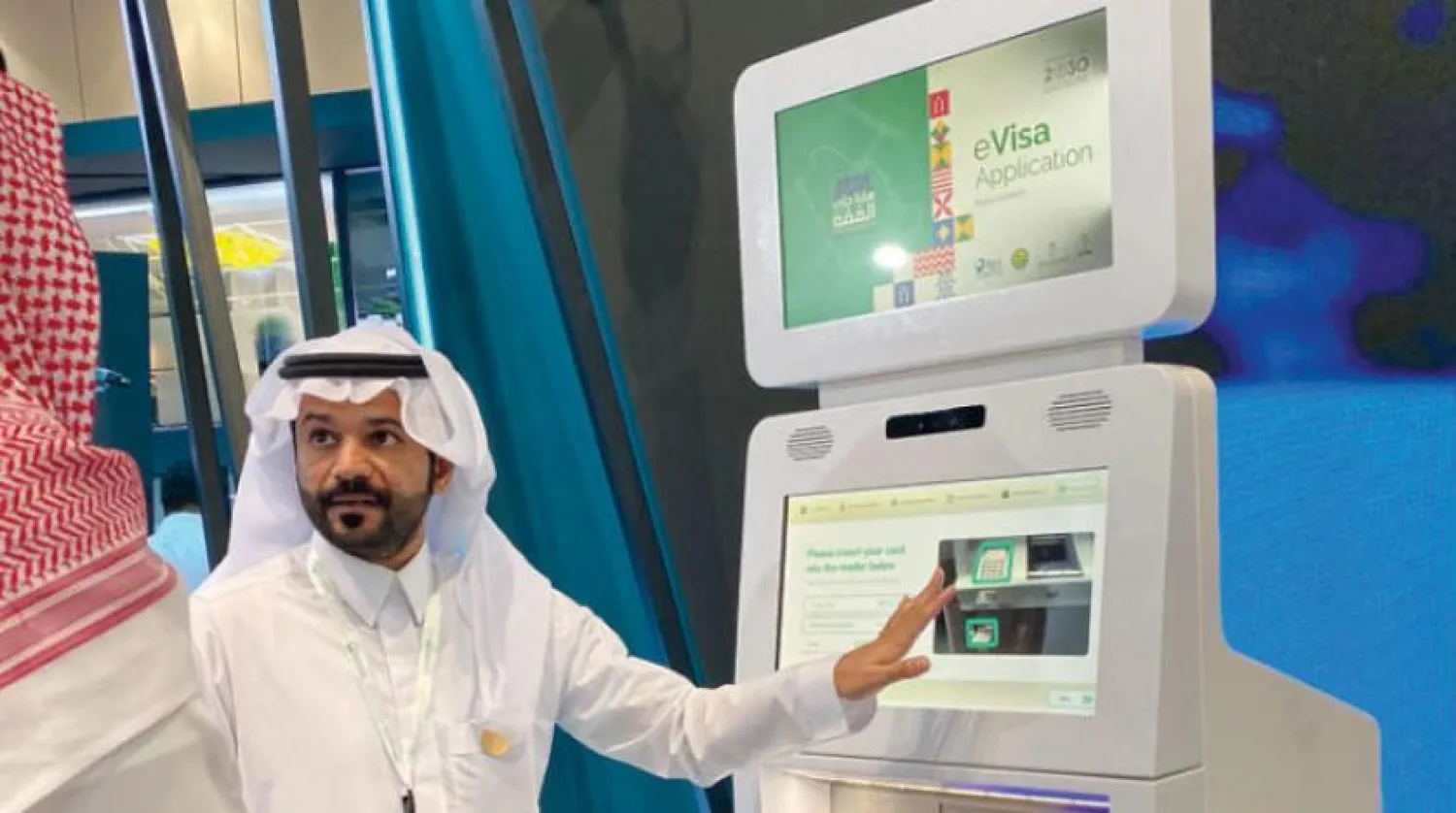
A senior official at the Directorate General of Passports said that tourists coming to Saudi Arabia could now obtain a visa through three means.

Major Thaar bin Saadi al-Roqi, the director of the tourist visas program at the directorate, told Asharq Al-Awsat that a visa could take 3 to 6 minutes to be issued and could be retrieved via a special device upon arrival at the Saudi ports, or through tablets provided at seven ports, or through passport reception offices with payment points provided by Mada ePay service.

He also noted that the tourist data appears at the passport reception desk at the border ports and at the same time at the operators of the passport system, explaining that all Saudi ports were fully prepared to receive tourists, as they are equipped with the latest technologies and mechanisms.

Roqi said that, in addition to the three means listed above, a tourist visa could also be obtained through the website of the Tourism Authority before arriving in the Kingdom.

He pointed out that the last period has witnessed a huge number of entries by tourists, through the 13 ports in Saudi Arabia.

On Monday, the Saudi Foreign Ministry announced the arrival of about 24,000 foreign tourists to the country in just 10 days since the implementation of the tourist visa decision.

According to the National Tourism Strategy, the Kingdom aims to receive 100 million visits per year by 2030, compared to about 41 million at present.



World Defense Show in Riyadh Witnesses Signing of Important Agreements

Saudi Minister of Defense Prince Khalid bin Salman bin Abdulaziz signs an agreement with his Slovakian counterpart. SPA
TT

World Defense Show in Riyadh Witnesses Signing of Important Agreements

Saudi Minister of Defense Prince Khalid bin Salman bin Abdulaziz signs an agreement with his Slovakian counterpart. SPA

Saudi Minister of Defense and Vice Chairman of the Board of Directors of the General Authority for Military Industries (GAMI) Prince Khalid bin Salman bin Abdulaziz inaugurated in Riyadh the third edition of the World Defense Show, organized by GAMI until February 12.

At the Saudi Arabian Military Industries (SAMI) Group pavilion, the Defense Minister launched on Sunday SAMI Land Company, SAMI Autonomous Company, SAMI Land Industrial Complex, and the HEET Program.

He also unveiled the SAMI Local Content Program (RUKN), the group's flagship supply chain program.

Prince Khalid and his South Korean counterpart witnessed the signing of a memorandum of understanding between the Saudi General Authority for Defense Development and the Korean Agency for Defense Development.

The agreement focuses on defense research, development, and innovation in advanced military technologies and systems.

The Saudi Defense Minister also signed three defense cooperation agreements with Slovakia, Malaysia, and Somalia.

Furthermore, the National Industrial Development Center signed a cooperation memorandum with European aerospace corporation Airbus to explore opportunities for developing and localizing the aviation and helicopter industry in Saudi Arabia.

Under the memorandum, the two sides aim to strengthen collaboration to establish an integrated aviation industrial base in the Kingdom. They will study the creation of an engineering center to develop national capabilities in manufacturing, assembly, maintenance, and repair, alongside a supporting logistics network.

The agreement also covers technology and knowledge transfer, encouraging global suppliers to invest in Saudi Arabia, and developing Saudi talent through educational and training partnerships with domestic institutions. It includes coordination with relevant authorities to examine procurement options, support the shift toward exports, and explore incentives and financing mechanisms to enhance project readiness and competitiveness.

GE Aerospace and the Middle East Propulsion Company Ltd. (MEPC) announced signing three new agreements to enhance operational readiness for the Royal Saudi Air Force (RSAF) F110 fleet and build in-country capabilities.

Leveraging their decade-old partnership, are focused on the RSAF’s F110-129 engines and will also support F110-129 customers across the broader region.

These agreements represent Phase 3 of a long-term initiative, building on the success of similar Phase 1 and 2 agreements, which saw GE Aerospace providing repair and overhaul services support to MEPC.

The agreements seek to ensure sustained material supply and comprehensive maintenance and repair services support for the RSAF F110 Engine Structural Integrity Program (ENSIP).

They highlight the shared vision of both companies to advance the safety, efficiency, and operational excellence of defense aircraft in the wider Middle East.

MEPC Managing Director Mohammed Alnawkhani said: “These agreements represent the next phase of our strategic partnership with GE Aerospace and a major step forward in enhancing readiness for the RSAF F110 fleet.”

“Together, we are expanding in-Kingdom F110-129 sustainment capabilities, ensuring long-term material availability, and delivering the high standards of safety and performance required by our customers in the Kingdom and across the region.”

“This milestone also strengthens localization efforts in support of Saudi Vision 2030, contributing to national industrial development and building sovereign aerospace sustainment capabilities,” he added.

Salim Mousallam, Vice President, Defense & Systems for the Middle East, Africa, and Türkiye at GE Aerospace said that the enduring partnership with MEPC is a testament to the company’s shared vision of enhancing in-country capabilities and ensuring peak operational readiness through maximized availability for its customers.

“These agreements will significantly increase engine availability, streamline MRO processes, and directly support the RSAF’s critical missions. As a trusted partner to the Kingdom, we are proud to provide high-quality services to MEPC, reducing maintenance burden and service disruptions for their mission-critical F110 fleet,” he said.

Under the F110-129 Material Support Agreement, GE Aerospace will provide essential ENSIP Kits (F110-129 parts) to support MEPC in performing the necessary overhaul of RSAF F110-129 engines within the Kingdom.

The F110-129 repair and overhaul agreement further solidifies the provision of comprehensive repair and overhaul services specifically for the Royal Saudi Air Force fleet. GE Aerospace also signed a new F110-129 services agreement to extend critical repair and overhaul capabilities to support other F110 customers across the region.


Kuwait Includes 8 Lebanese Hospitals on 'Terror' List

Kuwait indicated that it had listed eight hospitals in Lebanon as part of regulations related to "combating terrorism.” KUNA
TT

Kuwait Includes 8 Lebanese Hospitals on 'Terror' List

Kuwait indicated that it had listed eight hospitals in Lebanon as part of regulations related to "combating terrorism.” KUNA

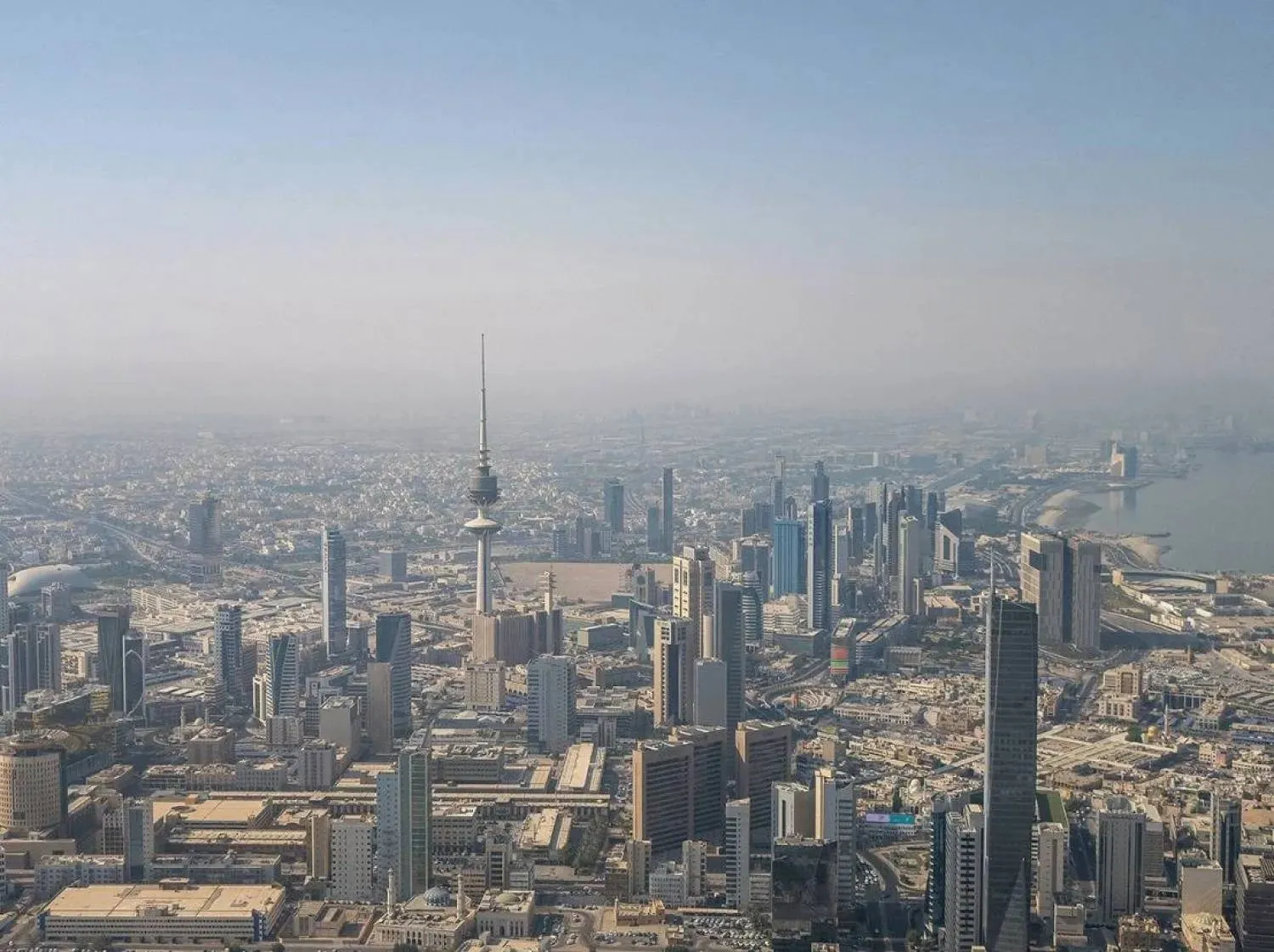
Kuwait's foreign ministry issued on Sunday a circular indicating that it had listed eight hospitals in Lebanon as part of regulations related to "combating terrorism.”

Lebanon's health ministry expressed surprise and said it would seek clarification.

It said it received the Kuwaiti statement "with great surprise", adding it had not been provided with "any information or notification from any Kuwaiti entity about this matter.”

"The hospitals mentioned in the statement are registered with the syndicate of private hospitals in Lebanon and carry out their role in providing treatment and health services to all Lebanese without exception," the ministry statement said.

It called the facilities "an essential part of the Lebanese health system,” and said it would contact the relevant authorities to request clarification and "protect Lebanon's health system.”

It noted that "Kuwait has numerous joint projects with the ministry... and has been among the most prominent countries that have stood by the health system during the successive crises that Lebanon has faced.”

The latest move was "unprecedented and inconsistent" with the Gulf country's usual approach, it added.


Saudi and Guatemalan FMs Discuss Bilateral Ties

The Saudi Minister of Foreign Affairs met on Sunday with his Guatemalan counterpart in Riyadh. SPA
TT

Saudi and Guatemalan FMs Discuss Bilateral Ties

The Saudi Minister of Foreign Affairs met on Sunday with his Guatemalan counterpart in Riyadh. SPA

Saudi Minister of Foreign Affairs Prince Faisal bin Farhan bin Abdullah met on Sunday with his Guatemalan counterpart Carlos Ramiro Martínez in Riyadh.

During the meeting, they reviewed bilateral relations and discussed developments of mutual interest.