


UK Says Lebanon Protesters Must Be Heard, Reforms Enacted

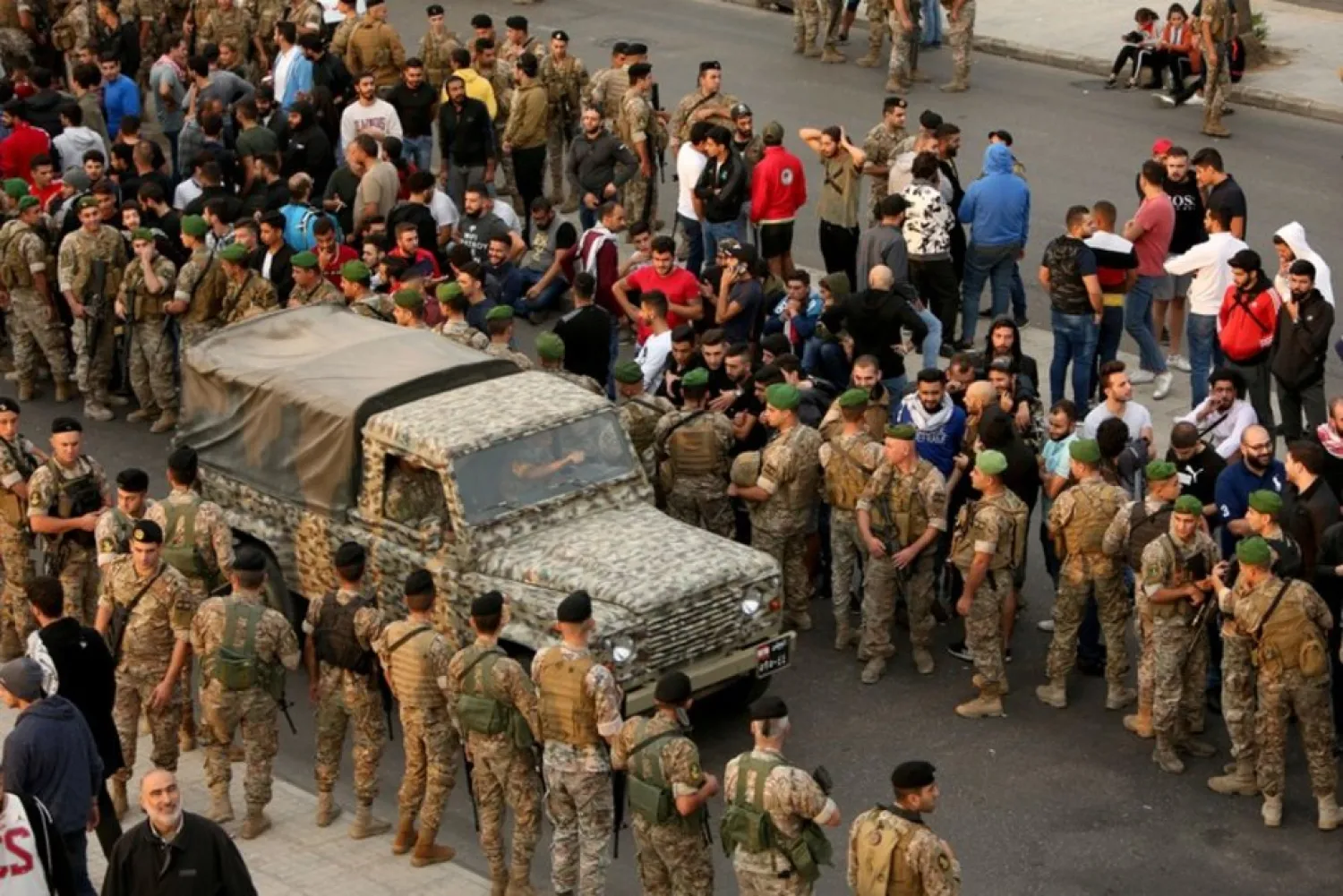
Demonstrators gather as Lebanese army soldiers stand guard during ongoing anti-government protests in Sidon, Lebanon October 24, 2019. REUTERS/Ali HashishoREUTERS
TT

UK Says Lebanon Protesters Must Be Heard, Reforms Enacted

Demonstrators gather as Lebanese army soldiers stand guard during ongoing anti-government protests in Sidon, Lebanon October 24, 2019. REUTERS/Ali HashishoREUTERS

The "legitimate frustrations" of Lebanon's protesters should be heard and reforms enacted urgently, the British embassy in Lebanon said on Thursday amid nationwide protests that have swept the country since last week.

The British position echoed that of the United States and France, close allies of Lebanon which have voiced exasperation at delays in enacting reforms and fighting corruption.

Protesters expressing outrage at the country's ruling elite have called for their resignation and the return of money they say has been looted from the state.

Lebanese leaders are discussing a possible government reshuffle to defuse the unprecedented protests that have shut down banks, schools, and roadways, government sources said on Wednesday.

"A week after these protests started, the Lebanese people have expressed legitimate frustrations, which must be heard. This is an important moment for Lebanon: the necessary reforms should be implemented urgently," the British embassy tweet said.

The United States said on Wednesday it supported the right of protesters to demonstrate peacefully and said the Lebanese people were "rightfully angered" over their government's refusal to tackle corruption.

France also urged Beirut to carry out the reforms, considered key to unlocking some $11 billion in financing pledged by Western donor countries and lending institutions last year.

Protesters have said they are not satisfied with emergency reform measures announced this week that include halving ministers' salaries and taxes on banks.

"The UK will continue to support a secure, stable, sovereign and prosperous Lebanon, including a stronger and fairer economy, quality education for all, improved services, and enhanced security," said a second tweet from the UK embassy.

Protests in Lebanon entered a second week on Thursday with demonstrators blocking main roads in Beirut and other parts of the country.

Sparked on October 17 by a proposed tax on calls made through messaging apps, the protests have morphed into a cross-sectarian street mobilization against a political system seen as corrupt and broken.

On Thursday morning, demonstrators set up roadblocks around the capital.

One major east-west artery was blocked by a dozen young protesters, who pitched tents in the middle of the road.

Sitting on the pavement with a red and white keffiyeh on his shoulders, a 30-year-old who had trained as a chef, said he had been protesting since the first day.

"We're here closing the main road to stop some movement in this country," he said, asking not to be identified.

"People think we're playing but we're actually asking for our most basic rights: water, food, electricity, healthcare, pensions, medicine, schooling," he told AFP.

Embattled Prime Minister Saad Hariri has presented a package of reforms, including cutting ministerial salaries, but the rallies have continued, crippling Beirut and other major cities.

President Michel Aoun was expected to speak later in the day.

On Wednesday, Hariri held meetings with security and military leaders, stressing the need to maintain security and open roads, the state-run National News Agency reported.

More than a quarter of Lebanon's population lives in poverty, according to the World Bank.

Almost three decades after the end of Lebanon's civil war, the political deadlock has stymied efforts to tackle mounting economic woes which have been compounded by the eight-year civil war in neighboring Syria.



EU Condemns Israel's West Bank Control Measures

The Israeli settlement of Har Homa, seen from the West Bank city of Bethlehem, Tuesday, Dec. 17, 2024. (AP)
TT

EU Condemns Israel's West Bank Control Measures

The Israeli settlement of Har Homa, seen from the West Bank city of Bethlehem, Tuesday, Dec. 17, 2024. (AP)

The European Union on Monday condemned new Israeli measures to tighten control of the West Bank and pave the way for more settlements in the occupied Palestinian territory, AFP reported.

"The European Union condemns recent decisions by Israel's security cabinet to expand Israeli control in the West Bank. This move is another step in the wrong direction," EU spokesman Anouar El Anouni told journalists.


Atrocities in Sudan's El-Fasher Were 'Preventable Human Rights Catastrophe'

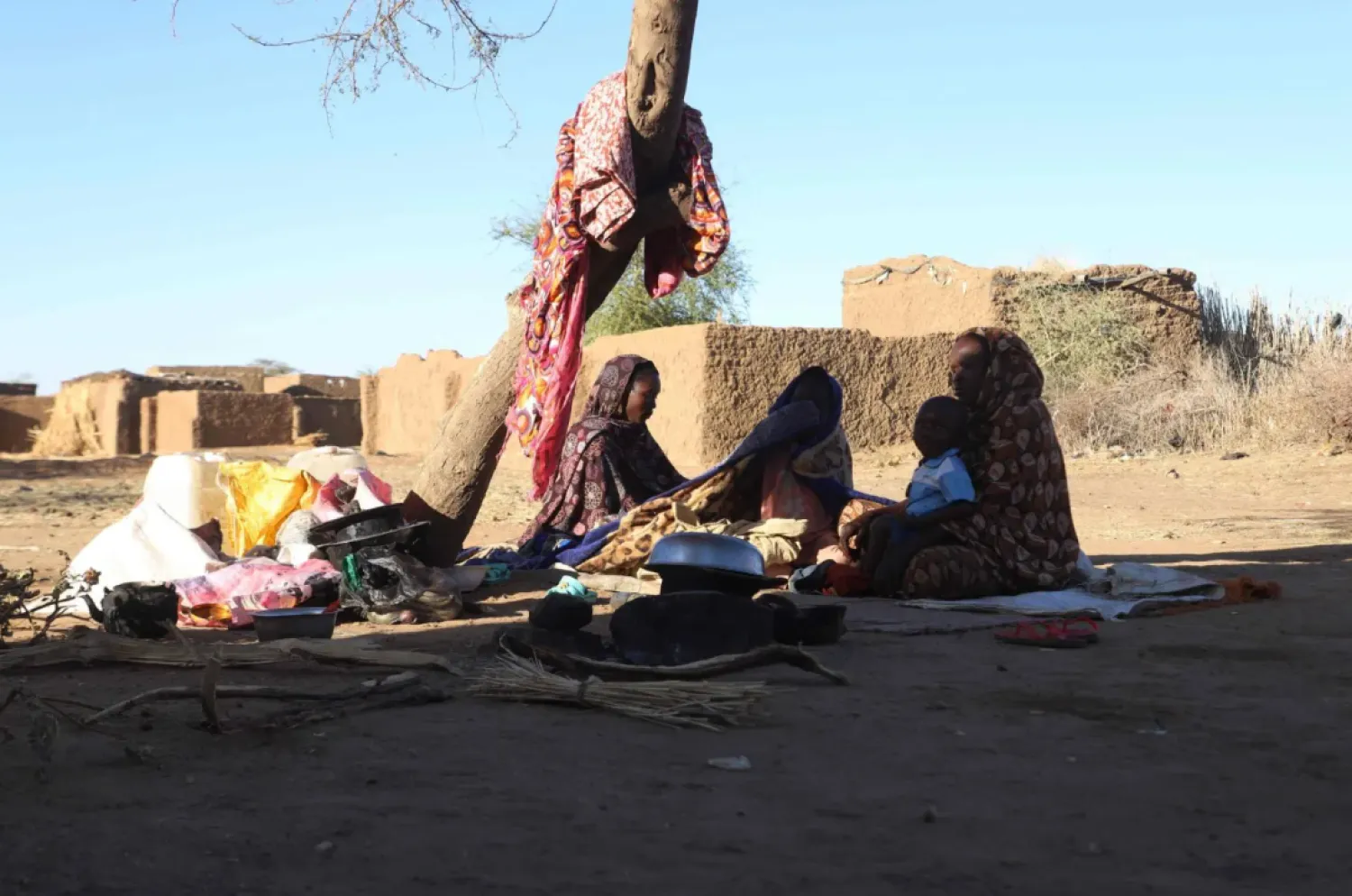
Sudanese displaced people who left El Fasher after its fall, sit in the shade in Tawila at the Rwanda camp reception point on December 17, 2025. (Photo by AFP)
TT

Atrocities in Sudan's El-Fasher Were 'Preventable Human Rights Catastrophe'

Sudanese displaced people who left El Fasher after its fall, sit in the shade in Tawila at the Rwanda camp reception point on December 17, 2025. (Photo by AFP)

The atrocities unleashed on El-Fasher in Sudan's Darfur region last October were a "preventable human rights catastrophe", the United Nations said Monday, warning they now risked being repeated in the neighbouring Kordofan region.


"My office sounded the alarm about the risk of mass atrocities in the besieged city of El-Fasher for more than a year ... but our warnings were ignored," UN rights chief Volker Turk told the Human Rights Council in Geneva.


He added that he was now "extremely concerned that these violations and abuses may be repeated in the Kordofan region".


Arab League Condemns Israel's Decisions to Alter Legal, Administrative Status of West Bank

A general view shows the opening session of the meeting of Arab foreign ministers at the Arab League Headquarters (Reuters)
TT

Arab League Condemns Israel's Decisions to Alter Legal, Administrative Status of West Bank

A general view shows the opening session of the meeting of Arab foreign ministers at the Arab League Headquarters (Reuters)

The General Secretariat of the Arab League strongly condemned decisions by Israeli occupation authorities to impose fundamental changes on the legal and administrative status of the occupied Palestinian territories, particularly in the West Bank, describing them as a dangerous escalation and a flagrant violation of international law, international legitimacy resolutions, and signed agreements, SPA reported.

In a statement, the Arab League said the measures include facilitating the confiscation of private Palestinian property and transferring planning and licensing authorities in the city of Hebron and the area surrounding the Ibrahimi Mosque to occupation authorities.

It warned of the serious repercussions of these actions on the rights of the Palestinian people and on Islamic and Christian holy sites.

The statement reaffirmed the Arab League’s firm support for the legitimate rights of the Palestinian people, foremost among them the establishment of their independent state on the June 4, 1967 borders, with East Jerusalem as its capital.