


Lebanon: Politicians Seek to Face Economic Risks, Adopt Anti-Corruption Laws

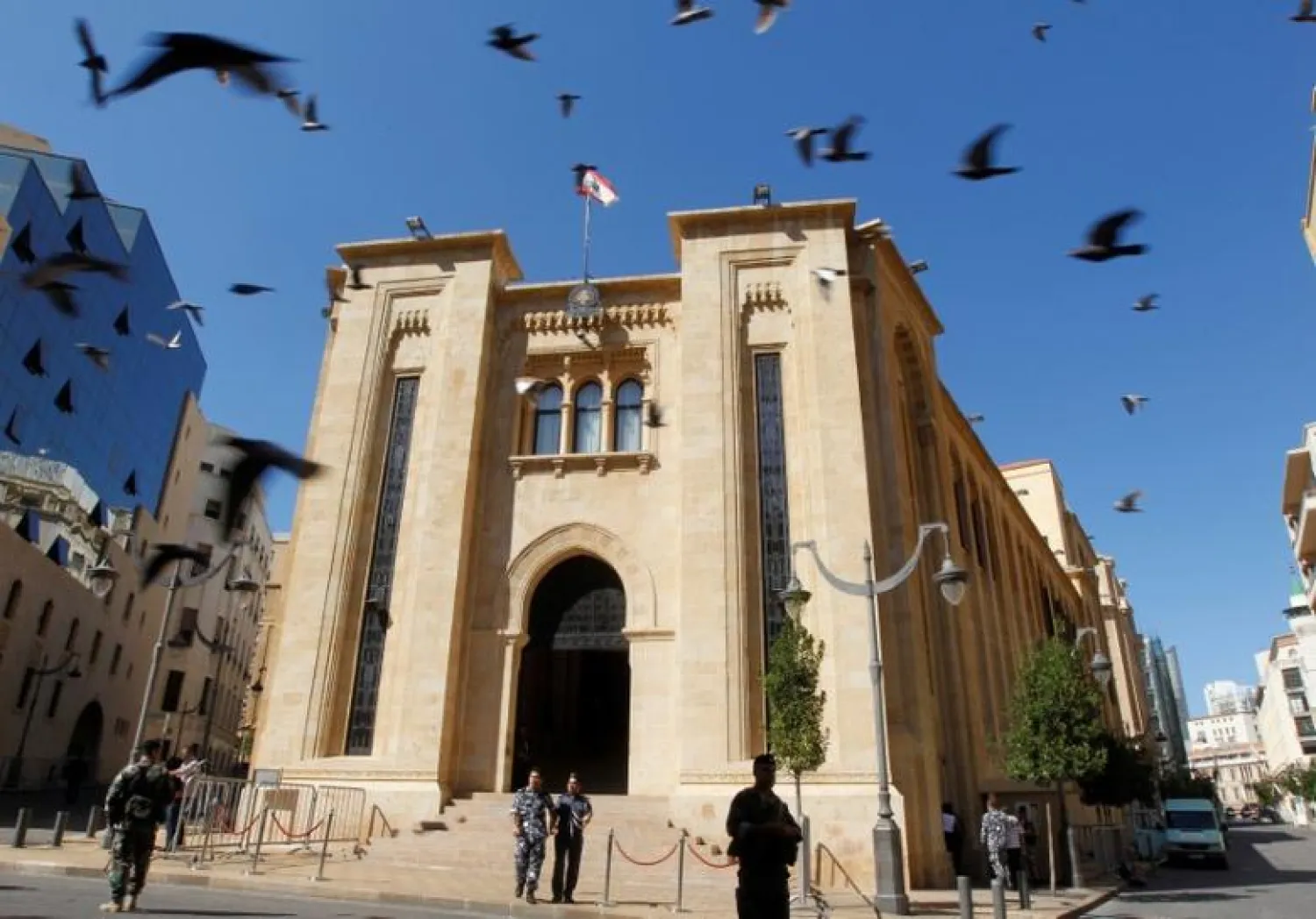
Lebanese policeman stand outside the parliament building in downtown Beirut, Lebanon October 17, 2017. Picture taken October 17, 2017. REUTERS/Mohamed Azakir
TT

Lebanon: Politicians Seek to Face Economic Risks, Adopt Anti-Corruption Laws

Lebanese policeman stand outside the parliament building in downtown Beirut, Lebanon October 17, 2017. Picture taken October 17, 2017. REUTERS/Mohamed Azakir

The political movement resumed part of its activity after 12 days of protests that paralyzed Lebanon.

Parliamentary blocs and ministers moved in more than one direction to activate anti-corruption legislation and other ministerial issues related to financial and economic files, amid information that the crisis could be long.

In Ain Al-Tineh, Speaker Nabih Berri received a delegation from the Strong Lebanon parliamentary bloc, whose secretary, MP Ibrahim Kanaan, said that the aim of the visit was to discuss urgent matters within the framework of parliamentary work.

He reiterated the need to adopt legislative proposals the bloc had previously presented, related to anti-corruption, accountability and recovery of looted wealth.

Kanaan said that Berri would “activate the work and ask the parliamentary committees to start studying all proposals and the 2020 draft budget, without any delay.”

Parliamentary sources quoted by LBCI channel said the government was
“responsible for referring the draft laws that they want to pass to the House of Representatives.”

The same sources said that the adoption of some bills could not be done overnight, as they needed to be discussed in the relevant parliamentary committees.

The sources did not rule out the convening of parliament in a regular session scheduled for November 5.

In Baabda, MP Edgard Traboulsi announced in a statement that he had visited President Michel Aoun and conveyed to him “citizens’ complaints about the closure of public roads and the insults they face at checkpoints, which remind them of militia days.”

He called on “the political authority and security forces to assume their responsibilities by opening roads and ensuring freedom of movement and protection of citizens.”



EU Condemns Israel's West Bank Control Measures

The Israeli settlement of Har Homa, seen from the West Bank city of Bethlehem, Tuesday, Dec. 17, 2024. (AP)
TT

EU Condemns Israel's West Bank Control Measures

The Israeli settlement of Har Homa, seen from the West Bank city of Bethlehem, Tuesday, Dec. 17, 2024. (AP)

The European Union on Monday condemned new Israeli measures to tighten control of the West Bank and pave the way for more settlements in the occupied Palestinian territory, AFP reported.

"The European Union condemns recent decisions by Israel's security cabinet to expand Israeli control in the West Bank. This move is another step in the wrong direction," EU spokesman Anouar El Anouni told journalists.


Atrocities in Sudan's El-Fasher Were 'Preventable Human Rights Catastrophe'

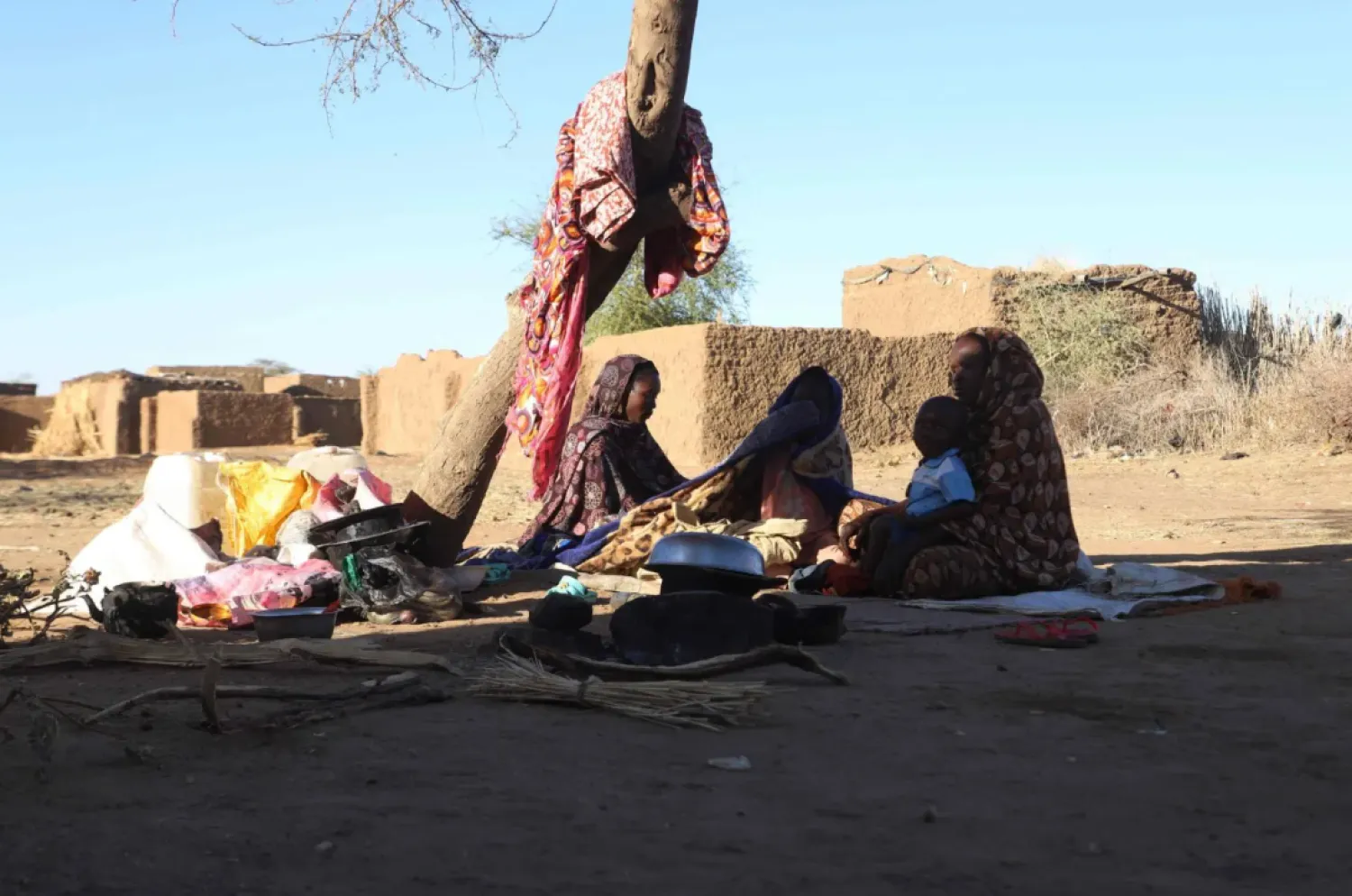
Sudanese displaced people who left El Fasher after its fall, sit in the shade in Tawila at the Rwanda camp reception point on December 17, 2025. (Photo by AFP)
TT

Atrocities in Sudan's El-Fasher Were 'Preventable Human Rights Catastrophe'

Sudanese displaced people who left El Fasher after its fall, sit in the shade in Tawila at the Rwanda camp reception point on December 17, 2025. (Photo by AFP)

The atrocities unleashed on El-Fasher in Sudan's Darfur region last October were a "preventable human rights catastrophe", the United Nations said Monday, warning they now risked being repeated in the neighbouring Kordofan region.


"My office sounded the alarm about the risk of mass atrocities in the besieged city of El-Fasher for more than a year ... but our warnings were ignored," UN rights chief Volker Turk told the Human Rights Council in Geneva.


He added that he was now "extremely concerned that these violations and abuses may be repeated in the Kordofan region".


Arab League Condemns Israel's Decisions to Alter Legal, Administrative Status of West Bank

A general view shows the opening session of the meeting of Arab foreign ministers at the Arab League Headquarters (Reuters)
TT

Arab League Condemns Israel's Decisions to Alter Legal, Administrative Status of West Bank

A general view shows the opening session of the meeting of Arab foreign ministers at the Arab League Headquarters (Reuters)

The General Secretariat of the Arab League strongly condemned decisions by Israeli occupation authorities to impose fundamental changes on the legal and administrative status of the occupied Palestinian territories, particularly in the West Bank, describing them as a dangerous escalation and a flagrant violation of international law, international legitimacy resolutions, and signed agreements, SPA reported.

In a statement, the Arab League said the measures include facilitating the confiscation of private Palestinian property and transferring planning and licensing authorities in the city of Hebron and the area surrounding the Ibrahimi Mosque to occupation authorities.

It warned of the serious repercussions of these actions on the rights of the Palestinian people and on Islamic and Christian holy sites.

The statement reaffirmed the Arab League’s firm support for the legitimate rights of the Palestinian people, foremost among them the establishment of their independent state on the June 4, 1967 borders, with East Jerusalem as its capital.