


Regional Crises Threaten Syrians with an Icy Winter

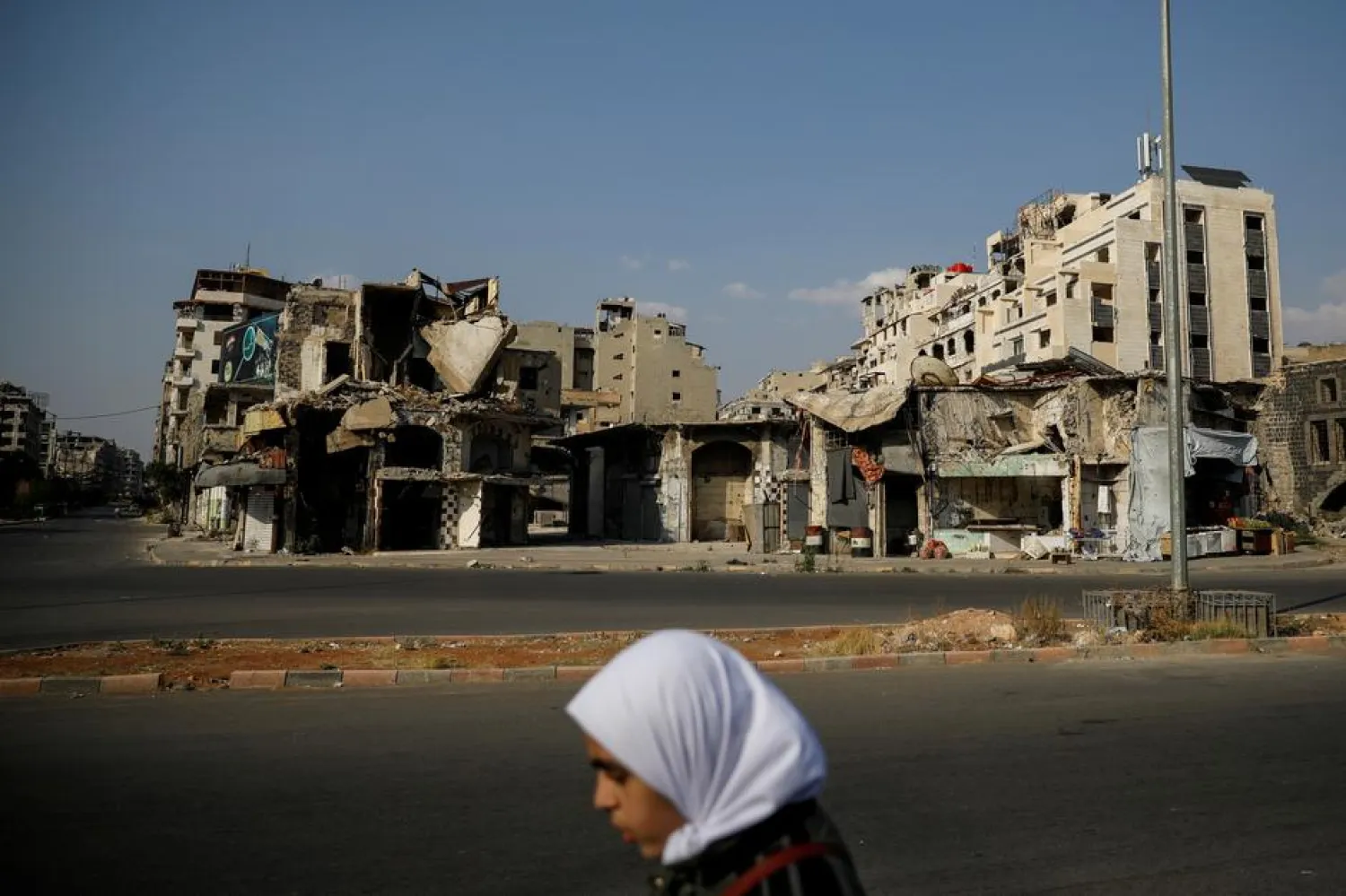
A woman walks past destroyed buildings in the regime-controlled part of Homs, Syria, September 18, 2018. REUTERS/Marko Djurica
TT

Regional Crises Threaten Syrians with an Icy Winter

A woman walks past destroyed buildings in the regime-controlled part of Homs, Syria, September 18, 2018. REUTERS/Marko Djurica

Um Jaber, voiced her desperation after failing to convert 50 Euros into Syrian pounds. She usually relies on her neighbor to help her exchange the monthly allowance sent in from her granddaughter in Germany.

“My neighbor usually helps me convert currencies when my granddaughter sends money; but this time, he was gone for two days only to let me know that all his acquaintances had turned him down on buying the foreign currency,” Um Jaber, 80, said voicing her frustration and need for local currency to buy medicine.

Foreign exchange is usually frozen in the event of an accelerated rise in currency prices.

This takes place as the Syrian pound continues to decline sharply against the dollar, which reached its highest level in 70 years, exceeding the threshold of 720 Syrian pounds.

The fall in the lira has exacerbated a host of living struggles for Syrians. As the fuel crisis began in Aleppo and the coastal provinces, gas and fuel queues filled the streets over fears of witnessing a repeat of last winter’s petrol crisis that also caused long power cuts.

If electricity rationing increases amid a shortage of fuel, then "we could be witnessing a harsh winter," said Naji, a taxi driver in Damascus.

Meanwhile, a new wave of price increases for the majority of living commodities has swept the Damascus market, which witnessed a 20 percent markup.

Economic sources told Asharq Al-Awsat that the central bank is expected to announce new measures to ease the demand for the dollar on the black market after the failure of the private sector initiative set up a month ago to support the lira and curb its sharp decline.

They also pointed out that tensions in neighboring Lebanon had added to the currency crisis in Syria. As protests erupted in Lebanon, the rate of money transfers had greatly went down.

The exchange market in Syria has also recently witnessed an increase in the demand for the dollar, due to its unavailability in Lebanon. The deposits of Syrians in Lebanese banks are estimated at more than $30 billion in Lebanon.



EU Condemns Israel's West Bank Control Measures

The Israeli settlement of Har Homa, seen from the West Bank city of Bethlehem, Tuesday, Dec. 17, 2024. (AP)
TT

EU Condemns Israel's West Bank Control Measures

The Israeli settlement of Har Homa, seen from the West Bank city of Bethlehem, Tuesday, Dec. 17, 2024. (AP)

The European Union on Monday condemned new Israeli measures to tighten control of the West Bank and pave the way for more settlements in the occupied Palestinian territory, AFP reported.

"The European Union condemns recent decisions by Israel's security cabinet to expand Israeli control in the West Bank. This move is another step in the wrong direction," EU spokesman Anouar El Anouni told journalists.


Atrocities in Sudan's El-Fasher Were 'Preventable Human Rights Catastrophe'

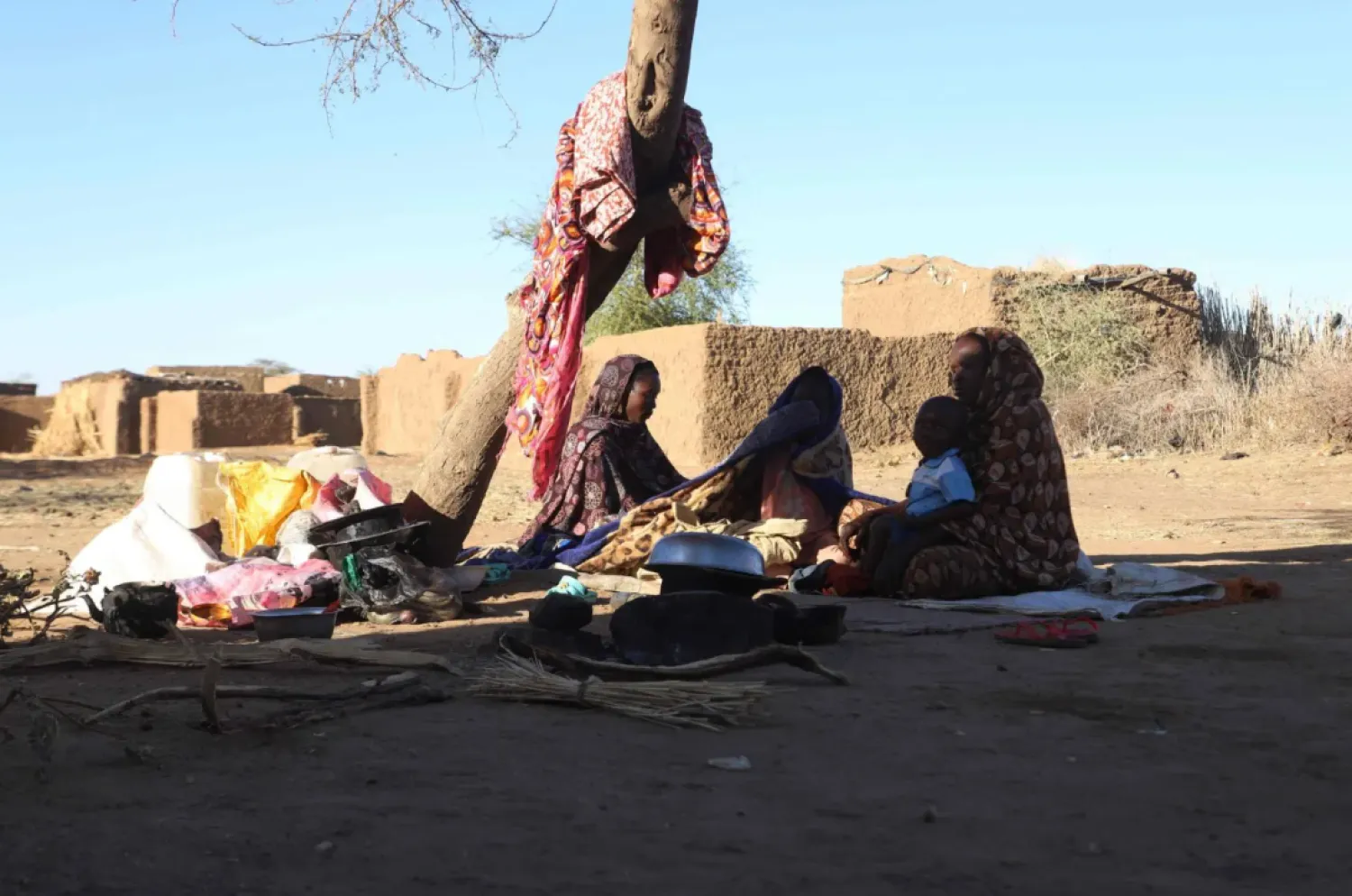
Sudanese displaced people who left El Fasher after its fall, sit in the shade in Tawila at the Rwanda camp reception point on December 17, 2025. (Photo by AFP)
TT

Atrocities in Sudan's El-Fasher Were 'Preventable Human Rights Catastrophe'

Sudanese displaced people who left El Fasher after its fall, sit in the shade in Tawila at the Rwanda camp reception point on December 17, 2025. (Photo by AFP)

The atrocities unleashed on El-Fasher in Sudan's Darfur region last October were a "preventable human rights catastrophe", the United Nations said Monday, warning they now risked being repeated in the neighbouring Kordofan region.


"My office sounded the alarm about the risk of mass atrocities in the besieged city of El-Fasher for more than a year ... but our warnings were ignored," UN rights chief Volker Turk told the Human Rights Council in Geneva.


He added that he was now "extremely concerned that these violations and abuses may be repeated in the Kordofan region".


Arab League Condemns Israel's Decisions to Alter Legal, Administrative Status of West Bank

A general view shows the opening session of the meeting of Arab foreign ministers at the Arab League Headquarters (Reuters)
TT

Arab League Condemns Israel's Decisions to Alter Legal, Administrative Status of West Bank

A general view shows the opening session of the meeting of Arab foreign ministers at the Arab League Headquarters (Reuters)

The General Secretariat of the Arab League strongly condemned decisions by Israeli occupation authorities to impose fundamental changes on the legal and administrative status of the occupied Palestinian territories, particularly in the West Bank, describing them as a dangerous escalation and a flagrant violation of international law, international legitimacy resolutions, and signed agreements, SPA reported.

In a statement, the Arab League said the measures include facilitating the confiscation of private Palestinian property and transferring planning and licensing authorities in the city of Hebron and the area surrounding the Ibrahimi Mosque to occupation authorities.

It warned of the serious repercussions of these actions on the rights of the Palestinian people and on Islamic and Christian holy sites.

The statement reaffirmed the Arab League’s firm support for the legitimate rights of the Palestinian people, foremost among them the establishment of their independent state on the June 4, 1967 borders, with East Jerusalem as its capital.