


Syrian President: Russian Deployment Balanced US, Turkish Role

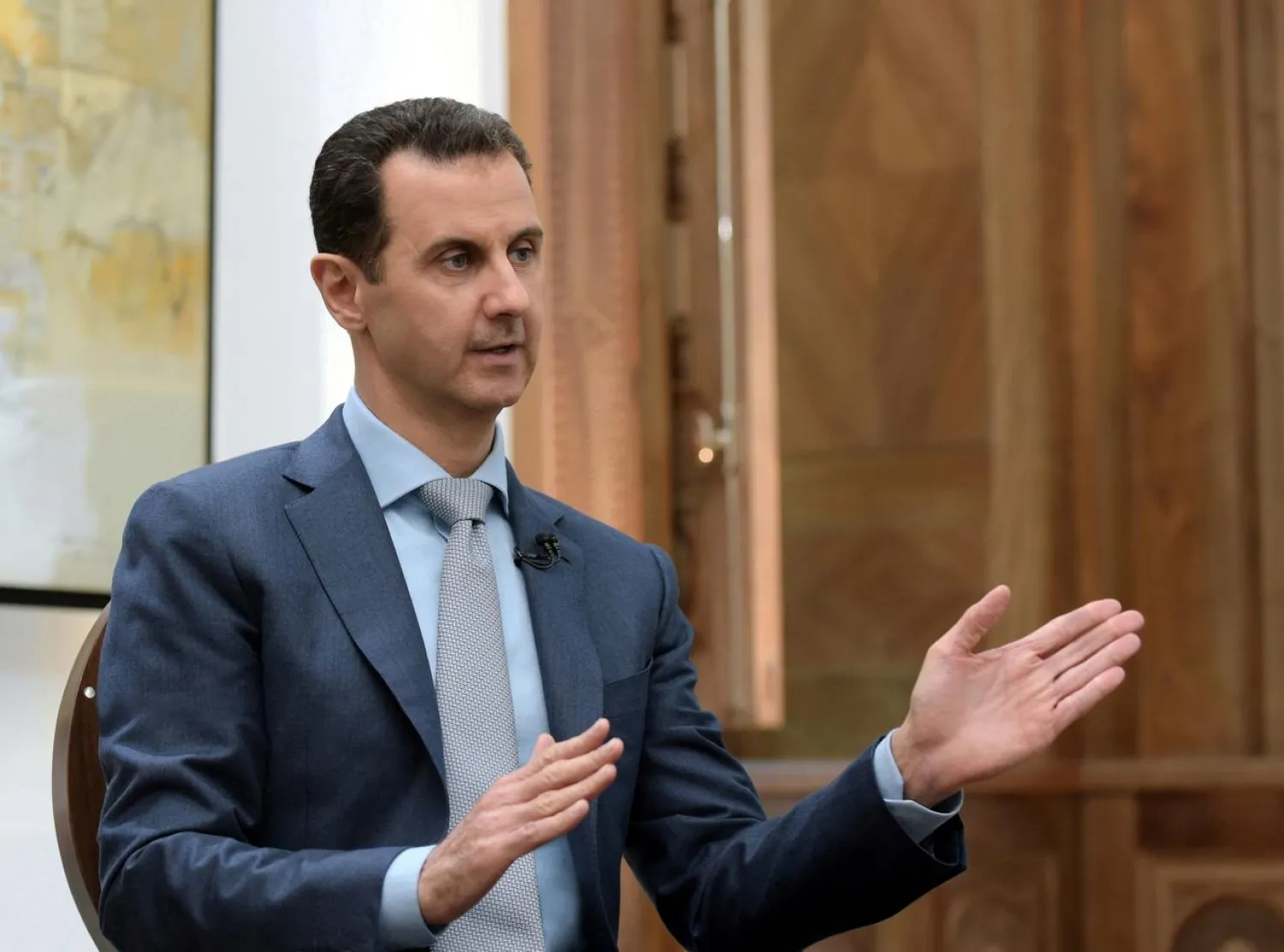
Syria's President Bashar al-Assad speaks during an interview with Yahoo News (SANA Handouts)
TT

Syrian President: Russian Deployment Balanced US, Turkish Role

Syria's President Bashar al-Assad speaks during an interview with Yahoo News (SANA Handouts)

Europe, the US, and Turkey are the main players in creating chaos and supporting terrorism in Syria, and the Russian deployment east of the country balanced their “negative role,” announced Syrian President Bashar al-Assad.

Assad said Europe is the main player in creating this chaos by supporting the terrorists from the very beginning, adding that some regimes like the French regime sent armaments.

“They sent armaments; they created this chaos. That’s why a lot of people find it difficult to stay in Syria; millions of people couldn’t live here so they had to get out of Syria.”

Assad was speaking in an interview with Italian Rai News 24 TV on November 26, 2019 which was expected to be broadcast on December 2nd, but state TV broadcast it after the Italian TV refrained from doing so.

Asked about the Russian role in Syria, Assad said that Russians believe that international law, and international order based on it, is in their interest and in the interest of everybody in the world.

He indicated that by supporting Syria, Moscow is supporting international law, adding that being against the terrorists is in the interest of Russian people and the rest of the world.

The Syrian President indicated that he would only meet former ally Turkish President Tayyip Erdogan if his country’s interests called for it.

“I always say that my job is not to be happy with what I’m doing... It’s not about my feelings, it’s about the interests of Syria, so wherever our interests go, I will go.”

In his first comment on recent developments in Lebanon, Assad said it would affect Syria more than any other country because they are neighboring countries.

“But again, if it’s spontaneous and it’s about reform and getting rid of the sectarian political system, that would be good for Lebanon.”

Regarding reconstructing Syria, Assad explained that the funds are available, but the problem is that sanctions prevent the businessmen or companies from coming and working in the country.

However, he asserted that “some foreign companies have started finding ways to evade these sanctions and we have started planning. It’s going to be slow, without the sanctions we wouldn’t have a problem with funding.”



EU Condemns Israel's West Bank Control Measures

The Israeli settlement of Har Homa, seen from the West Bank city of Bethlehem, Tuesday, Dec. 17, 2024. (AP)
TT

EU Condemns Israel's West Bank Control Measures

The Israeli settlement of Har Homa, seen from the West Bank city of Bethlehem, Tuesday, Dec. 17, 2024. (AP)

The European Union on Monday condemned new Israeli measures to tighten control of the West Bank and pave the way for more settlements in the occupied Palestinian territory, AFP reported.

"The European Union condemns recent decisions by Israel's security cabinet to expand Israeli control in the West Bank. This move is another step in the wrong direction," EU spokesman Anouar El Anouni told journalists.


Atrocities in Sudan's El-Fasher Were 'Preventable Human Rights Catastrophe'

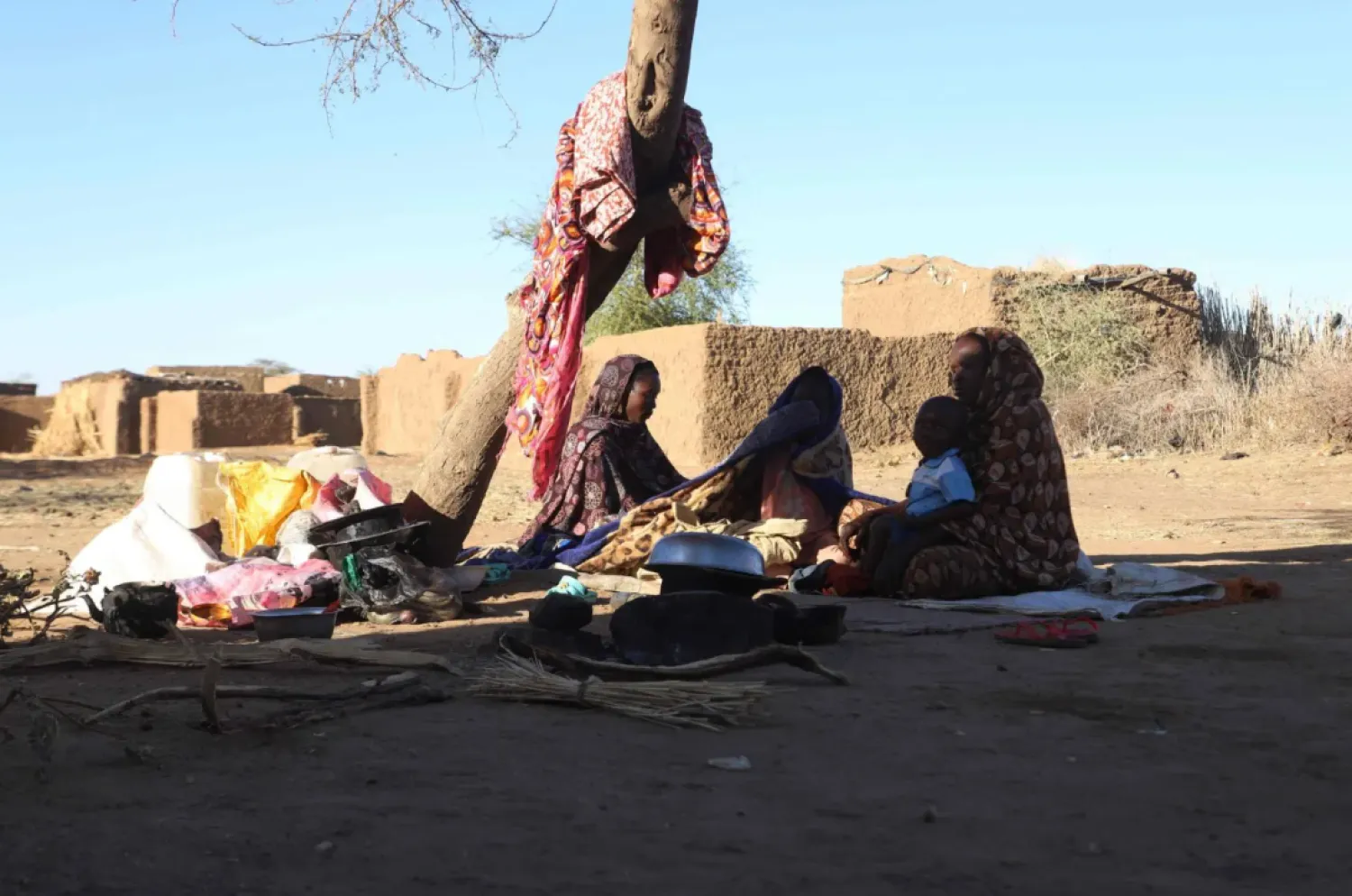
Sudanese displaced people who left El Fasher after its fall, sit in the shade in Tawila at the Rwanda camp reception point on December 17, 2025. (Photo by AFP)
TT

Atrocities in Sudan's El-Fasher Were 'Preventable Human Rights Catastrophe'

Sudanese displaced people who left El Fasher after its fall, sit in the shade in Tawila at the Rwanda camp reception point on December 17, 2025. (Photo by AFP)

The atrocities unleashed on El-Fasher in Sudan's Darfur region last October were a "preventable human rights catastrophe", the United Nations said Monday, warning they now risked being repeated in the neighbouring Kordofan region.


"My office sounded the alarm about the risk of mass atrocities in the besieged city of El-Fasher for more than a year ... but our warnings were ignored," UN rights chief Volker Turk told the Human Rights Council in Geneva.


He added that he was now "extremely concerned that these violations and abuses may be repeated in the Kordofan region".


Arab League Condemns Israel's Decisions to Alter Legal, Administrative Status of West Bank

A general view shows the opening session of the meeting of Arab foreign ministers at the Arab League Headquarters (Reuters)
TT

Arab League Condemns Israel's Decisions to Alter Legal, Administrative Status of West Bank

A general view shows the opening session of the meeting of Arab foreign ministers at the Arab League Headquarters (Reuters)

The General Secretariat of the Arab League strongly condemned decisions by Israeli occupation authorities to impose fundamental changes on the legal and administrative status of the occupied Palestinian territories, particularly in the West Bank, describing them as a dangerous escalation and a flagrant violation of international law, international legitimacy resolutions, and signed agreements, SPA reported.

In a statement, the Arab League said the measures include facilitating the confiscation of private Palestinian property and transferring planning and licensing authorities in the city of Hebron and the area surrounding the Ibrahimi Mosque to occupation authorities.

It warned of the serious repercussions of these actions on the rights of the Palestinian people and on Islamic and Christian holy sites.

The statement reaffirmed the Arab League’s firm support for the legitimate rights of the Palestinian people, foremost among them the establishment of their independent state on the June 4, 1967 borders, with East Jerusalem as its capital.