
Beltone Financial Holding has expected Kuwait’s oil revenues to grow by 17 percent year on year (yoy), recording KWD18.1 billion ($60 billion) in fiscal year (FY) 2020-2021, up 40 percent from the government’s estimates.
In a recent report obtained by Asharq Al-Awsat, the company attributed this expected growth to rise in oil prices at an average of $68.9 per barrel, compared to an average of $64.98 per barrel in the fiscal year 2019-2020, and higher than government’s expected price at $55 per barrel.
Beltone expects total revenue of about KWD20.8 billion ($69 billion) in FY 2020-2021, an increase of government estimates by about six billion Kuwaiti dinars ($20 billion).
Although the government has postponed imposing VAT until 2021, according to local media reports, yet the company did not expect budget revenues to reflect this decision.
When calculating revenues, Beltone considered the imposition of selective taxes by Q4 2020-2021, which is currently awaiting for the parliament’s approval.
“We had already expected the implementation of the value-added tax to be postponed until 2022-2023, so that the relationship between the next MPS and the newly-appointed cabinet members is tested.”
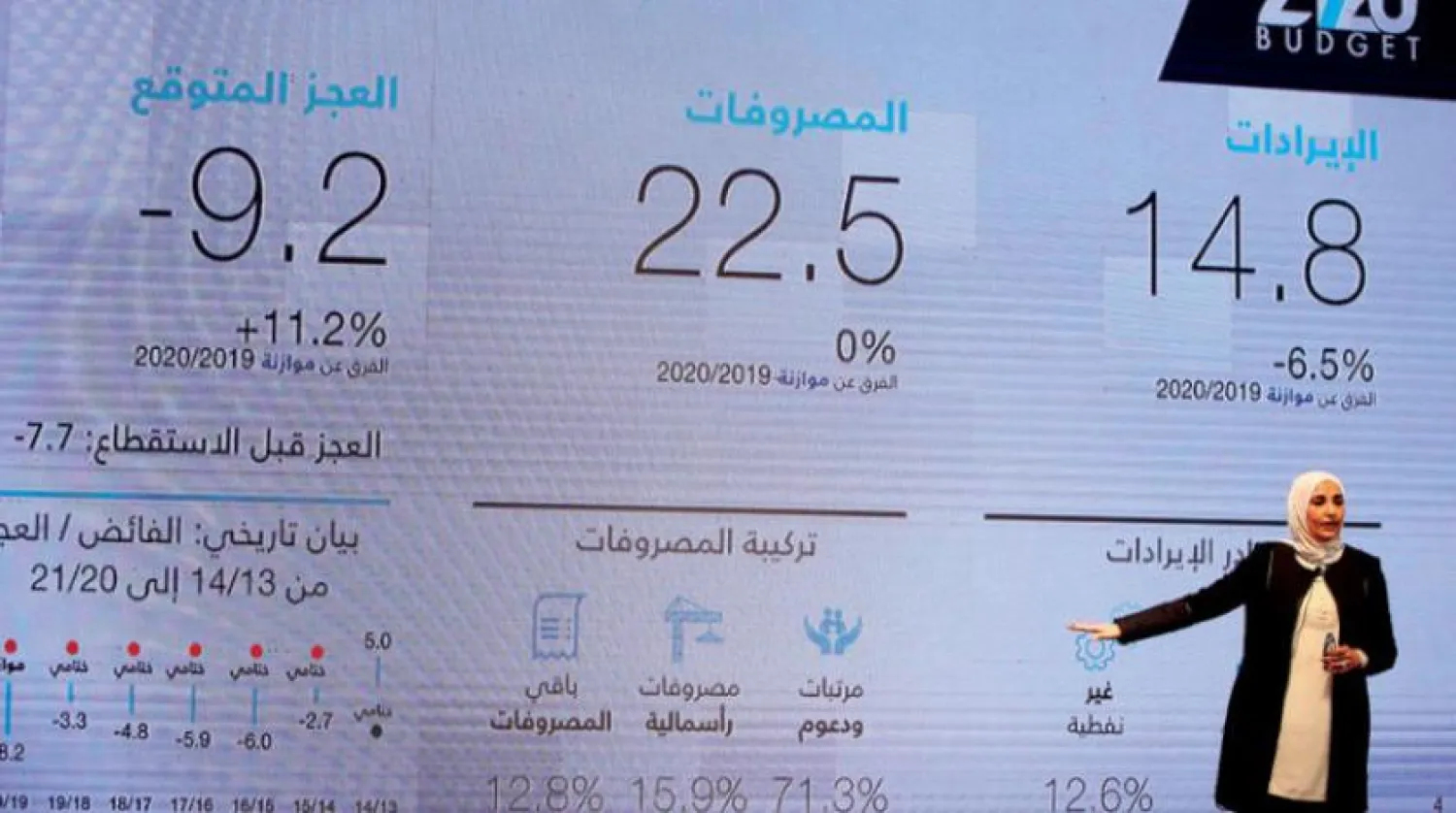
The government approved the budget for 2020-2021 (ending in March), with an expected deficit of about KWD9.2 billion ($28 billion), compared to the target deficit of KWD8.3 billion ($25 billion) in 2019-2020.
This budget was announced after a 10 percent transfer of the total revenue for the Kuwait Future Generations Fund (FGF), according to the Ministry of Finance.
The expected government spending is KWD22.5 billion in the fiscal year 2020-2021 ($68 billion), same as the estimate in the current year’s budget, with expectations that the total revenue will amount to KWD14.8 billion ($45 billion), down from KWD15.8 billion ($48 billion) in fiscal year 2019-2020.
This is due to expected revenues from crude oil of about KWD12.9 billion ($39 billion), down from this year's estimate of KWD13.9 billion ($42 billion), the report noted.