
Iraq is considering a larger role for NATO at the expense of the US-led coalition, Iraqi and Western officials told Agence France Presse, after the American drone strike in Baghdad that killed Iran’s Quds Force Commander Qasem Soleimani sparked outrage.
The January 3 strike which killed Soleimani and the deputy commander of the Popular Mobilization Forces (PMF), Abu Mahdi al-Mohandis, was condemned by Baghdad as a breach of its sovereignty and of the coalition's mandate, which focuses on fighting ISIS.
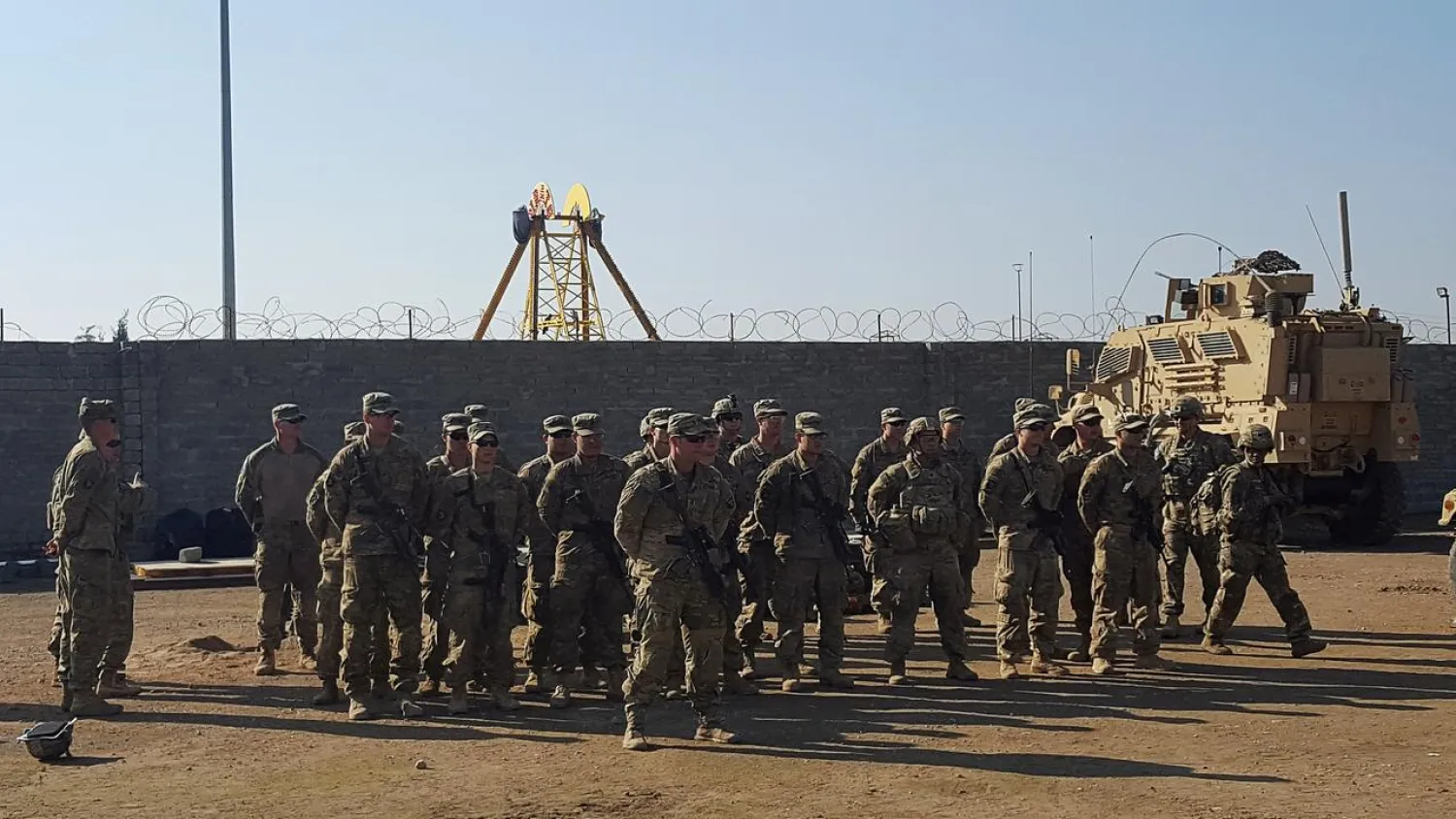
Iraq's parliament swiftly voted in favor of ousting all foreign troops -- including the 5,200 US soldiers -- and the coalition's anti-ISIS operations were indefinitely suspended.
Fearing a swift withdrawal could be destabilizing, Iraqi and Western officials have begun discussing changes to the coalition's role, according to local officials and diplomats.
"We are talking to the coalition countries -- France, the UK, Canada -- about a range of scenarios," said Abdelkarim Khalaf, spokesman for Prime Minister Adel Abdel Mahdi.
"The essential thing is that no combat troops are present and our airspace is no longer used," Khalaf told AFP.
For his part, the US special envoy for Syria, James Jeffrey, said Washington supports a possible future role by NATO in Iraq and Syria.
"Nobody is rushing anything," Jeffrey said when asked about the time frame for talks with the Iraqi government. "We are very interested in NATO's process of seeing what additional role it can do."
The past week had seen no spike in activities of ISIS in neither Iraq or Syria, but activity levels remained at a level that caused concern, Jeffrey said.
Two Western officials said the premier had asked them to "draft some options" on a path forward for the coalition.
These options had been submitted directly to the premier.
They included a coalition not led by the US, an amended mandate with limits to coalition activities or an expanded role for NATO's separate mission in Iraq.
The Canadian-led NATO mission was set up in 2018 and has around 500 forces training Iraqi troops, although its operations have also been on hold since the US strike.
By comparison, the US-led coalition established in 2014 has up to 8,000 troops in Iraq, the bulk of them American forces.
Khalaf told AFP that a larger role for NATO was one of several options being discussed.
One of the Western officials said "the NATO option" has won initial nods of approval from the prime minister, the military and even anti-US elements of the PMF.
The various options are expected to be laid out at a meeting Wednesday between Iraq and NATO in Amman and again next month by NATO's defense ministers.