Poorer Countries Face Big Risks in Easing Virus Restrictions

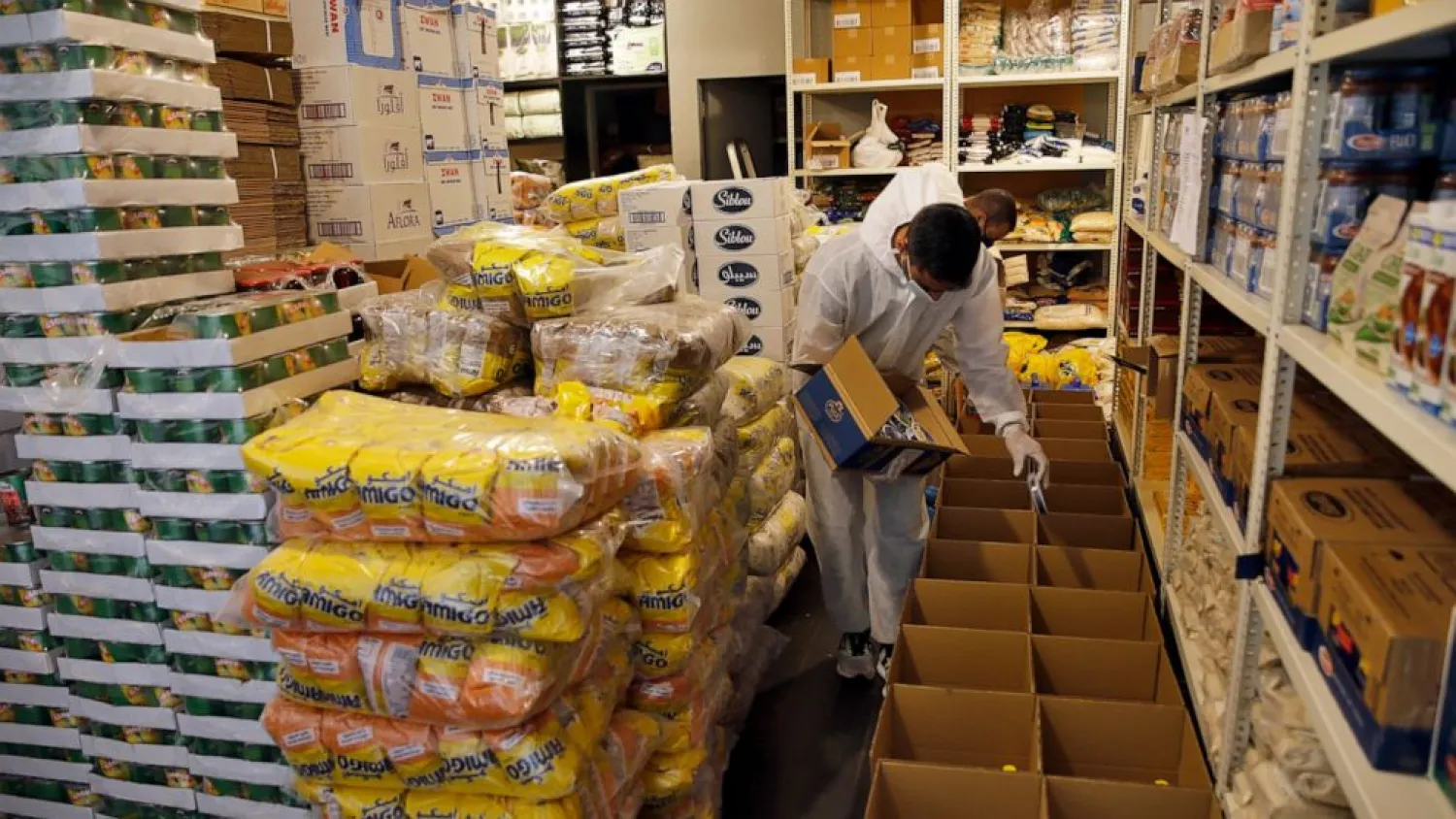
In this Tuesday, April 14, 2020 photo, volunteers from Lebanese charity Beit el-Baraka, fill boxes with essential food supplies to distribute to the poor, during a lockdown due to the coronavirus, in Beirut, Lebanon. (AP Photo/Bilal Hussein)
TT

Poorer Countries Face Big Risks in Easing Virus Restrictions

In this Tuesday, April 14, 2020 photo, volunteers from Lebanese charity Beit el-Baraka, fill boxes with essential food supplies to distribute to the poor, during a lockdown due to the coronavirus, in Beirut, Lebanon. (AP Photo/Bilal Hussein)

As some wealthier Western nations begin easing coronavirus restrictions, many developing countries, particularly in the Middle East and Africa, want to do it too, but they cannot afford the luxury of any missteps.

They lack the key tools - a sturdy economy, well-equipped hospitals and large-scale testing - that are needed for finding their way out of the pandemic.

Even a spirited public debate about an exit strategy, common now in Europe, seems unthinkable in countries battered by conflict, corruption or poverty.

Consider Lebanon, a tiny country teetering on the abyss of bankruptcy with a fragile health system and a restless population. A monthlong lockdown has thrown tens of thousands more people into poverty, putting pressure on the government to loosen restrictions. But medical resources are limited, prompting doctors to advocate for continuing them, even at the risk of a social explosion.

It´s the same in many developing countries: Easing lockdowns could increase infections and quickly overwhelm hospitals with limited beds and breathing machines. Keeping restrictions in place risks social upheaval and more economic losses.

At the same time, inadequate testing and a lack of transparency could lead to misguided decisions, said Rabah Arezki, chief economist for the Middle East and North Africa at the World Bank and a senior fellow at the Middle East Initiative.

"I worry that a disorderly release of the lockdown would be doing more harm than good in the context that we are navigating without statistics and relevant data," he said.

Even wealthy nations have little room to maneuver.

Germany, Europe´s largest economy, announced a slight easing of restrictions, including reopening most shops next week. But Chancellor Angela Merkel cautioned that restarting the economy too quickly could rapidly overwhelm its comparatively robust health care system.

Western nations also face a severe economic downturn, but the impact is softened by massive government rescue programs for businesses and struggling families, including $2.2 trillion in the United States. EU countries have agreed on a $550 billion package and are working on tax breaks and other measures to cushion the impact.

The global community is offering help to poorer nations. The International Monetary Fund said it's prepared to commit its $1 trillion in lending capacity to needy nations. The world´s richest countries agreed to temporarily freeze poor nations´ debt obligations, mainly in Africa.

Pakistan's prime minister has gone further, appealing to richer countries and international financial institutions to write off the debts of poorer countries. In a sign of growing desperation, a stampede this month at a food distribution center in Punjab province killed one man and injured dozens.

In Egypt, the Arab world´s most populous country where one in three people lives in poverty, the government has opted for a partial lockdown that includes a nighttime curfew, fearing a full closure would devastate a fragile economy.

Lebanon has been hesitant to apply for IMF assistance mainly due to reservations by the powerful Hezbollah group that it would come with conditions and encourage political interference.

Even before the pandemic, Lebanon was one of the world's most indebted countries and struggled to come up with a reform plan that would unlock billions in international aid.

In early March, the government defaulted on its sovereign debt. The currency has lost up to 60% of its value, inflation has soared, and banks have imposed capital controls on cash withdrawals and transfers, putting more strain on hospitals struggling to pay workers.

Firas Abiad, director of the Rafik Hariri University Hospital in Beirut, said the financial crisis also disrupted the import of medical supplies, leading to shortages of urgently needed protective equipment.

Lebanon must expand testing, including in rural areas and refugee camps, and trace patients before restrictions can be eased, Abiad said.

In Yemen, Libya, and Syria, where years of conflict have led to humanitarian disasters, there is fear that the scope of the outbreak is unknown due to a lack of testing, supplies, and trained professionals.

In Africa, the virus has been confirmed in 52 of 54 countries, and lockdowns appear to be choking the continent´s already vulnerable food supply.

South Africa, with the continent´s most cases, has been able to slow the pace of infections with a strict lockdown that will last at least through April. But Africa´s most industrialized economy was already in recession before the virus, and Finance Minister Tito Mboweni said restrictions must remain until the country can be sure to minimize the loss of life.

In Lebanon, there´s no reliable social safety net. It announced plans to give about $120 per needed family three weeks ago, but even that tiny aid has yet to materialize. Meanwhile, prices have more than doubled and its currency hit its highest pound-to-dollar exchange rate ever this week.

Lebanon was among the first countries in the Middle East to close schools in February, followed by restaurants, and a total lockdown on March 16. Those measures are in place until at least April 26.

The IMF projected this week that Lebanon´s economy will shrink by 12% in 2020 - the biggest contraction in the region.

There is concern that anti-corruption protests that began in October might re-ignite with more ferocity as conditions worsen. Small demonstrations already have broken out despite the lockdown. Last month, a Beirut taxi driver set his car ablaze after being fined for violating restrictions. In early April, a Syrian refugee died after setting himself on fire to protest his conditions.

Legislator Assem Araji, who heads parliament´s health committee, urged patience, saying a continued lockdown "is better than an uncontrolled spread of the disease" in a country of 5 million that also hosts about 1 million Syrian refugees.

But Hassan Sharif, a 42-year-old minibus driver from the eastern city of Baalbek, said he lost his income and can barely feed his two children.

"We have reached a level of total despair and will return to the street (to protest), because dying of corona is easier than dying of hunger," he said.


Bahraini Transport Minister to Asharq Al-Awsat: Each Country to Finance Its Share of Gulf Railway Project

A conceptual rendering of the Gulf railway interconnection project. (X)
TT

Bahraini Transport Minister to Asharq Al-Awsat: Each Country to Finance Its Share of Gulf Railway Project

A conceptual rendering of the Gulf railway interconnection project. (X)

The Gulf Cooperation Council (GCC) member states took a new step toward completing the railway interconnection project by signing the project's general agreement in Bahrain on Sunday. This comes as part of efforts to establish an integrated transport network linking the six nations and boosting the movement of passengers, goods, and commercial trade among them.

Bahraini Minister of Transportation and Telecommunications Dr. Sheikh Abdulla bin Ahmed Al Khalifa told Asharq Al-Awsat that each country will fund and execute the portion of the project located within its territory.

Meanwhile, the costs, fees, and expenses associated with the shared interconnection components among member states will be determined collectively, he added.

He explained that the agreement establishes a joint framework for the project's execution and operation, while defining the obligations of member states and their coordination mechanisms.

He noted that the network, which extends some 2,117 kilometers, aims to transport 6 million passengers and 200 million tons of freight by 2030, with the figures projected to rise to more than 8 million passengers and 271 million tons of freight by 2045.

The project spans from Kuwait, passing through Saudi Arabia, Bahrain, Qatar, and the UAE, all the way to Oman, with the goal of achieving full network operations by December 2030.

According to the minister, interconnection lines between adjacent countries can become operational as soon as their components are completed, without the need to wait for the entire Gulf network to be finalized.

National financing and potential partnerships

On private sector participation, Al Khalifa said that it remains one of the viable options for financing, executing, or operating certain components of the project, depending on the outcomes of economic and financial studies. He stressed that there is no unified public-private partnership model approved across the entire network.

There are currently no pre-existing agreements with specific international partners to finance or execute the project, he said. However, the expertise of global companies in the fields of design, engineering, technology, and operating systems could be utilized based on the project's needs and its various phases.

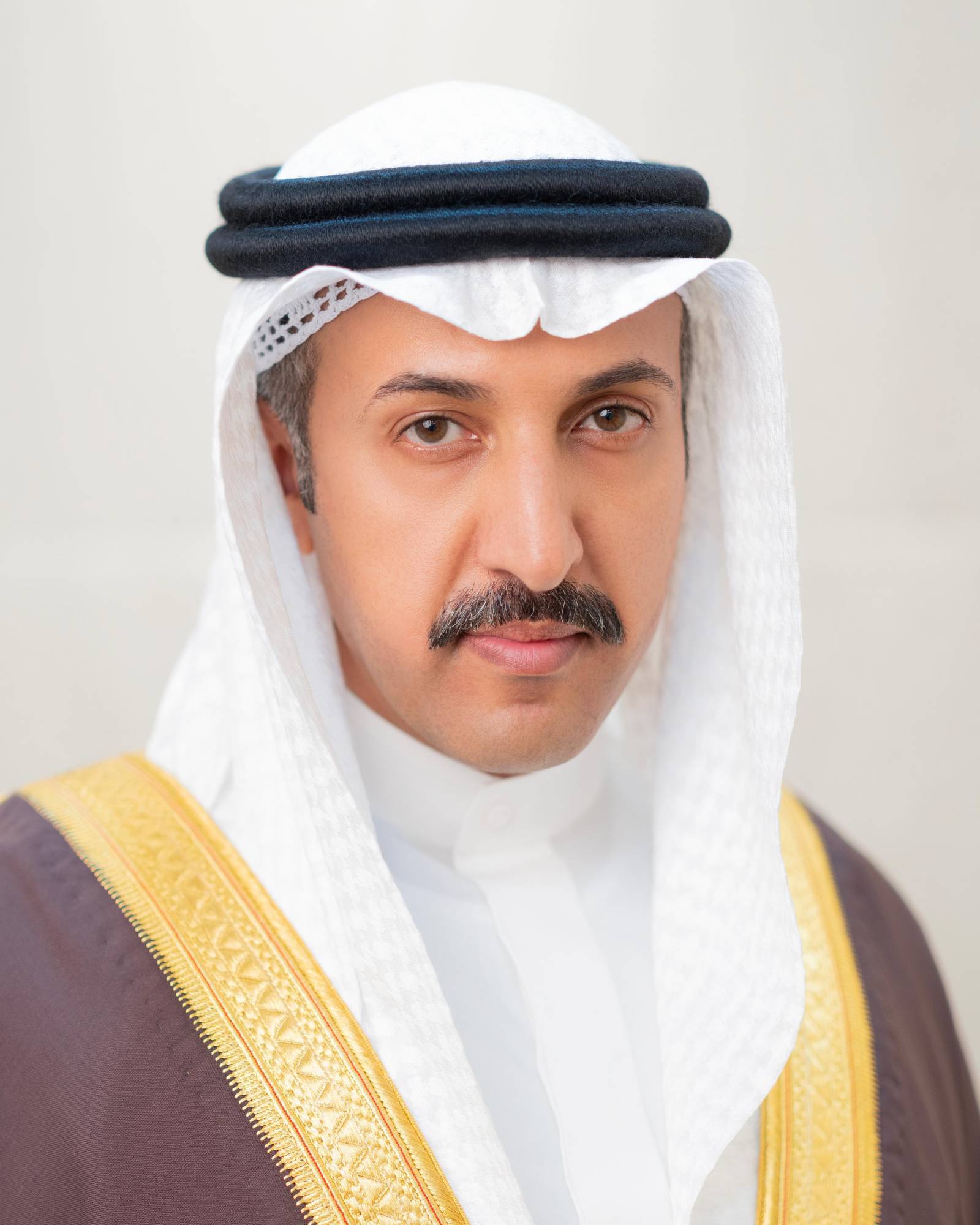
Bahraini Minister of Transportation and Telecommunications Dr. Sheikh Abdulla bin Ahmed Al Khalifa.

Concerning the project's announced completion rate, the minister explained that the 50 percent figure represents the average progress achieved across member states, and does not mean that half of the construction work for the entire Gulf network has been completed.

The project's cost estimates are currently undergoing review and updates in light of economic shifts, rising prices for materials and services, construction costs, and inflation, he revealed without specifying an updated total cost at the present time.

Returns beyond passenger and freight transport

Al Khalifa said that the economic impact of the project is not limited to facilitating passenger movement and freight transport, but extends to improving supply chain efficiency, boosting trade among GCC countries, and linking industrial centers, economic zones, and logistical hubs, as well as supporting employment and investment opportunities.

He added that determining the project's exact contribution to the gross domestic product (GDP) or estimating expected savings in time and costs remains premature, given that returns vary depending on transport routes, the nature of the cargo, and the points of origin and destination.

In light of the challenges facing maritime navigation in the region, the minister stressed that the Gulf railway network is not intended to serve as a substitute for maritime transport. Instead, it acts as a complementary route that boosts transport options and connectivity among GCC nations, increasing the resilience of supply chains against disruptions that could affect various modes of transportation.

He noted that integration between ports, roads, railways, and airports will strengthen the flexibility of the Gulf transport system, while connecting to broader international logistical corridors remains a future possibility contingent on completing studies, understandings, and coordination with the relevant countries and entities.

King Hamad Bridge to link Bahrain and Saudi Arabia

Regarding the connection between Bahrain and Saudi Arabia, Al Khalifa explained that the King Hamad Bridge project includes road lanes and railway lines, enabling the international passenger station in Bahrain to connect with the Saudi railway network and forming one of the essential components for completing the Gulf interconnection.

He added that work is underway on the privatization procedures for the King Fahd Causeway Authority, alongside completing the necessary studies and procedures to transition to the execution of the new bridge project.

Achieving the connection between Bahrain and Saudi Arabia is a fundamental requirement for operating the railway line between the two countries within the project's targeted timeframe in December 2030,e he said.


Egypt Seeks Faster Progress on Libya Gas, Refining and Power Projects

Egyptian Foreign Minister Badr Abdelatty speaks during a press conference with Minister of Information Diaa Rashwan (not pictured) in Cairo, Egypt, March 25, 2026. (Reuters)
TT

Egypt Seeks Faster Progress on Libya Gas, Refining and Power Projects

Egyptian Foreign Minister Badr Abdelatty speaks during a press conference with Minister of Information Diaa Rashwan (not pictured) in Cairo, Egypt, March 25, 2026. (Reuters)

Egypt aims to accelerate energy projects with Libya, including gas pipeline links, refining of Libyan crude in Egypt and an electricity interconnection, Egyptian Foreign Minister Badr Abdelatty said late on Saturday.

Abdelatty's comments were in ‌a ministry ‌statement after a meeting ‌with ⁠Libya’s acting oil ⁠and gas minister Khalifa Abdulsadek in Tripoli.

Abdelatty also ‌called for cooperation on petroleum products and the completion of projects to refine Libyan ‌oil in Egypt and re-export it, the statement said, ⁠adding ⁠that Abdulsadek had said that Libya would continue implementing existing projects and would visit Cairo soon to continue technical talks with Egypt’s petroleum and electricity ministers.

The statement did not provide details on costs or the status of the projects.


GCC: Railway Agreement Sets Joint Framework for Project Implementation and Operation

GCC transport ministers pose for a group photo following the 27th committee meeting in Kuwait. (GCC Railway Authority)
TT

GCC: Railway Agreement Sets Joint Framework for Project Implementation and Operation

GCC transport ministers pose for a group photo following the 27th committee meeting in Kuwait. (GCC Railway Authority)

Jasem Albudaiwi, secretary-general of the Gulf Cooperation Council (GCC), said on Sunday that the signing of the General Agreement on the GCC Railway Project marked an important step toward establishing an integrated regional transport network.

He said the network would facilitate the movement of citizens and residents, ease freight transport, boost intra-GCC trade efficiency and strengthen member states’ economic competitiveness and the region’s position in regional and international trade.

Albudaiwi's remarks came at the signing ceremony in the Bahraini capital, Manama, on Sunday, held under the patronage and in the presence of Bahrain’s Crown Prince and Prime Minister Salman bin Hamad Al Khalifa.

He said the project reflected the GCC’s shared ambition to connect member states and improve mobility and trade by linking their economic and industrial hubs, ports and logistics centers.

He added that the project would create opportunities for safe, reliable, affordable and environmentally friendly transport services that meet development needs, serve the aspirations of future generations and strengthen economic integration among GCC states.

Albudaiwi said the agreement sets a common framework for member states to implement and operate the project in coordination with their national railway networks, while establishing mechanisms and a timetable to accelerate its completion.

Albudaiwi praised GCC leaders and transport ministers for their support of strategic regional projects, thanking Bahrain’s crown prince and prime minister for hosting the signing ceremony and officials for advancing the railway project.