


KSA Intensifies Security Efforts Amid COVID-19

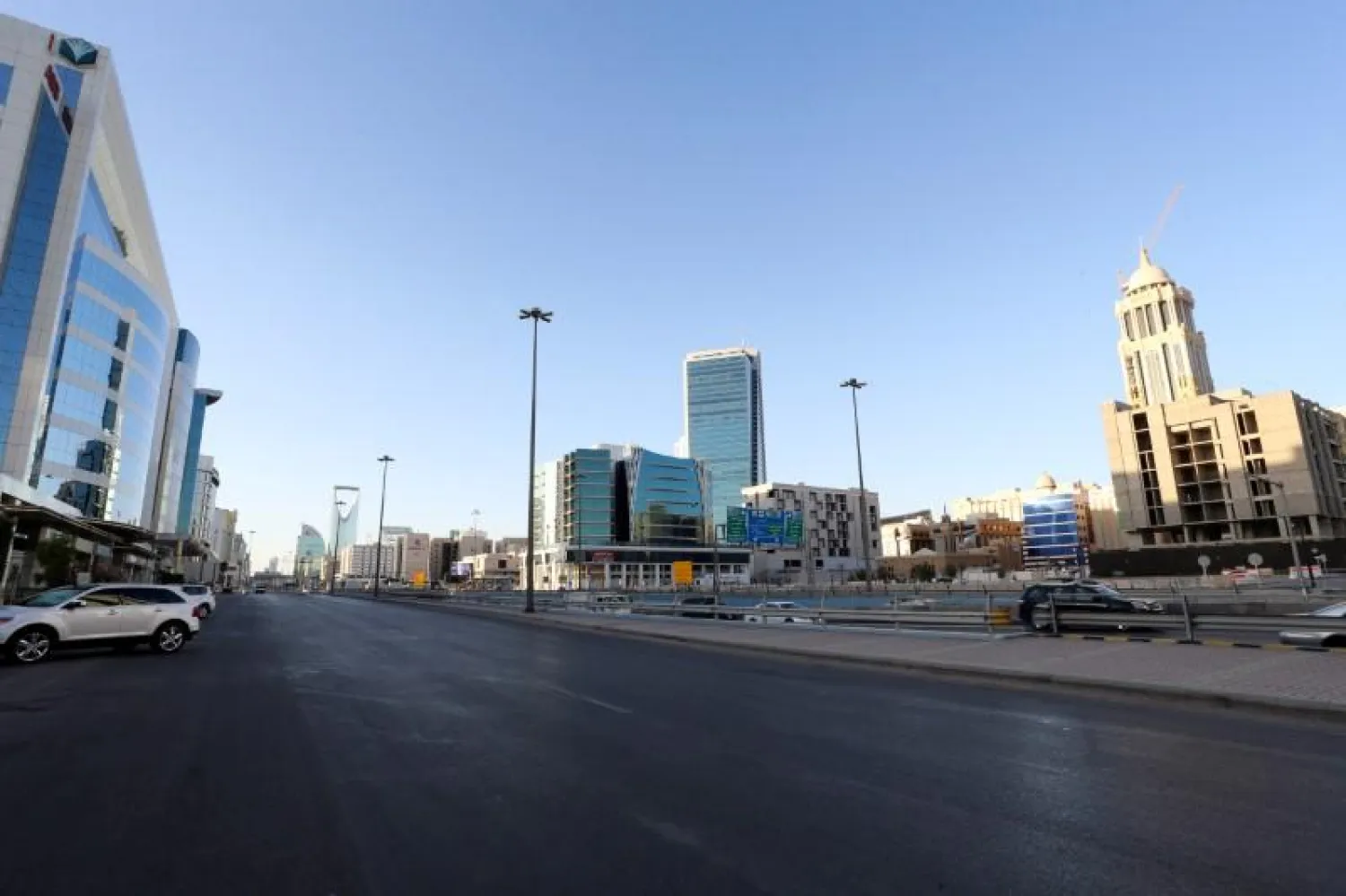
 A general view shows an empty street after a curfew was imposed to prevent the spread of the coronavirus disease (COVID-19), in Riyadh, Saudi Arabia, March 23, 2020. REUTERS/Ahmed Yosri
A general view shows an empty street after a curfew was imposed to prevent the spread of the coronavirus disease (COVID-19), in Riyadh, Saudi Arabia, March 23, 2020. REUTERS/Ahmed Yosri
TT

KSA Intensifies Security Efforts Amid COVID-19

 A general view shows an empty street after a curfew was imposed to prevent the spread of the coronavirus disease (COVID-19), in Riyadh, Saudi Arabia, March 23, 2020. REUTERS/Ahmed Yosri
A general view shows an empty street after a curfew was imposed to prevent the spread of the coronavirus disease (COVID-19), in Riyadh, Saudi Arabia, March 23, 2020. REUTERS/Ahmed Yosri

Saudi security sectors have intensified their work to enforce curfew and to respond to distress calls amid the outbreak of the novel coronavirus.

The National Center for Security Operations (NCSO), which is directly linked to the Ministry of Interior, supervises the security situation in the Kingdom, and monitors reports coming from the different Saudi regions.

The Center’s chief, Major General Abdul Rahman al-Saleh, said that since the national curfew entered into force, the 911 Operations Center received more than 100,000 calls for reports and inquiries.

In remarks to Asharq Al-Awsat, al-Saleh noted that the center coordinates with 13 joint operations rooms to follow-up on the security situation across the Kingdom.

“Upon the receipt of a distress call by land, sea or air, the center coordinates with the various relevant authorities to provide an immediate response,” he underlined.

The center gathers liaison officers from the Ministry of Defense, the Ministry of National Guards and the Presidency of State Security, and has 26 hotlines linking all relevant authorities together.

In addition, the NCSO also coordinates with the Interior ministers of the GCC States, especially with regards to cross-border traffic incidents.

With the outbreak of COVID-19, the center is monitoring the implementation of the curfew, al-Saleh noted, stressing that the Saudi cities and regions were under TV surveillance to prevent any breach and to verify movement permits.

On the other hand, the Saudi official highlighted a decrease in traffic accidents and thefts, with people staying at home as part of the lockdown measures to prevent the spread of the pandemic.



Yemen Calls for Intensifying Regional Coordination over Maritime Navigation

 People walk past tents in al-Firdaws camp in Aden province, amid clashes between Iran-aligned Houthi fighters and Yemeni government forces, in Aden, Yemen, September 17, 2026. (Reuters)
People walk past tents in al-Firdaws camp in Aden province, amid clashes between Iran-aligned Houthi fighters and Yemeni government forces, in Aden, Yemen, September 17, 2026. (Reuters)
TT

Yemen Calls for Intensifying Regional Coordination over Maritime Navigation

 People walk past tents in al-Firdaws camp in Aden province, amid clashes between Iran-aligned Houthi fighters and Yemeni government forces, in Aden, Yemen, September 17, 2026. (Reuters)
People walk past tents in al-Firdaws camp in Aden province, amid clashes between Iran-aligned Houthi fighters and Yemeni government forces, in Aden, Yemen, September 17, 2026. (Reuters)

The Yemeni delegation participating in the multinational maritime coalition, headed by Rear Admiral Abdul Khaliq Monser, called for unifying international efforts and intensifying regional coordination to confront threats targeting the security of maritime navigation.

Monser stressed the importance of providing operational and technical support to restore the readiness of the Yemeni naval forces, enabling them to perform their duties in protecting territorial waters and international shipping lanes.

He said that the continuous threats launched by the Houthi militia in the Red Sea, the Bab al-Mandeb Strait, and the Gulf of Aden have directly impacted the security and safety of international navigation and affected trade movement and global supply chains.

The Yemeni armed forces said they thwarted an infiltration attempt carried out by the Houthi militia in the Al-Fulaiha sector, south of Marib Governorate.

The armed forces said 12 Houthi militants were killed in the clashes and other injured, while the remaining infiltrating elements fled.

Meanwhile, Yemeni government forces continue to confront Houthi attempts to seize control of the highlands located east of Bab al-Mandeb and west of Taiz. The Kahboub and al-Waziyah fronts witnessed fierce battles over the past 24 hours, while airstrikes targeted Houthi gatherings and vehicles.

The Houthi group is seeking to secure its positions of control in the Bab al-Mandeb Strait, Mayyun Island, and the west coast.

Two sources from the group told AFP that experts from the Iranian Revolutionary Guard Corps (IRGC) visited the Bab al-Mandeb region to tackle the installation of radars nearby and oversee tunnel excavation works in the mountainous hills overlooking it.


Report: Iranian Revolutionary Guards Experts Visit Bab al-Mandeb to Install Radars

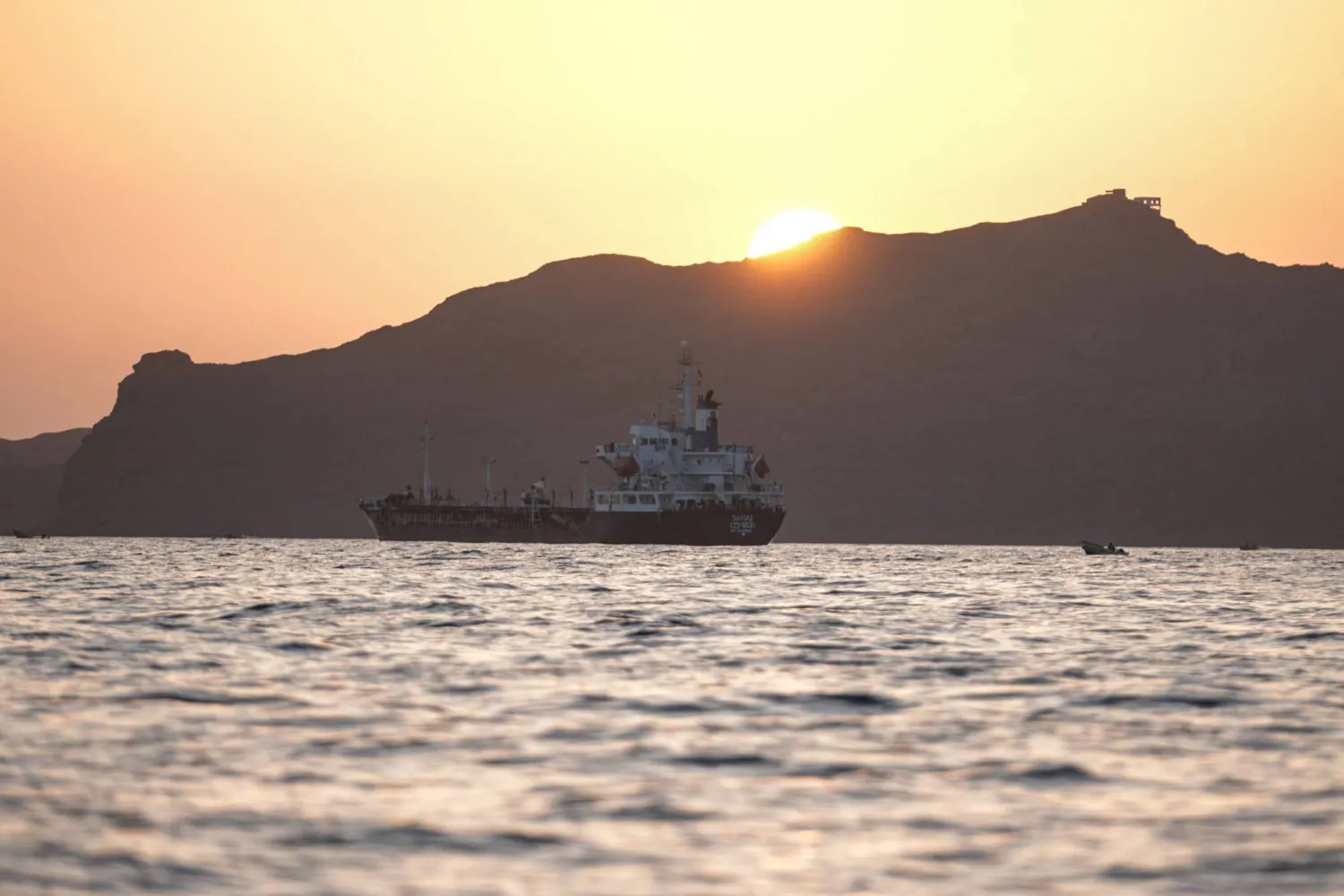
A commercial vessel is anchored off Yemen's coast at Bab al-Mandeb, in the straits connecting the Red Sea with the Gulf of Aden and the Indian Ocean on September 12, 2026. (AFP)
TT

Report: Iranian Revolutionary Guards Experts Visit Bab al-Mandeb to Install Radars

A commercial vessel is anchored off Yemen's coast at Bab al-Mandeb, in the straits connecting the Red Sea with the Gulf of Aden and the Indian Ocean on September 12, 2026. (AFP)

Experts from the Iranian Revolutionary Guard Corps (IRGC) visited the Bab al-Mandeb region to tackle the installation of radars nearby and oversee tunnel excavation works in the mountainous hills overlooking it, two Houthi military sources told AFP on Saturday.

The sources stated that the Iranian experts working with the Houthis visited the Bab al-Mandeb region, the port and airport of Yemen’s Mokha, and the Jabal Al-Nar camp east of Mokha.

They added that the experts oversaw tunnel excavation works in the mountainous hills overlooking Mokha and Bab al-Mandeb, and discussed the process of installing radars near Mokha and inside Zuqar Island in the southern Red Sea.

The sources said that the experts came from Hodeidah, which held by the Houthis, and carried out separate visits between Thursday and Friday.

Meanwhile, Yemeni government sources told AFP on Saturday that battles had intensified between the Iran-backed Houthis and government forces around the Kahboub mountain region overlooking the Bab al-Mandeb area.

The conflict in Yemen has been experiencing a sharp escalation since July, against the backdrop of the war in the Middle East between Iran and the United States.


Syria Arrests Cell Leader over Security Force Deaths

Members of the Internal Security Forces in Syria (SANA)
TT

Syria Arrests Cell Leader over Security Force Deaths

Members of the Internal Security Forces in Syria (SANA)

Syrian authorities said on Saturday they arrested a leader of a cell involved in the deaths of three security force personnel during an anti-extremists operation in the south.

"The internal security forces of Daraa province have arrested Walid al-Fallah, one of the main leaders of the cell involved" in the deaths of the personnel in the town of Al-Sanamein in Daraa province, state news agency SANA reported.

The security force members were killed as they were attempting to arrest a member of the ISIS group, a local government official had told AFP.

The group has been territorially defeated in Syria but maintains sleeper cells.

Interior ministry spokesman Noureddine al-Baba said the anti-extremists operation, which saw five people arrested, "succeeded in dismantling criminal cells and others linked to ISIS that were coordinating with each other".

ISIS used to control vast areas of Syria and neighboring Iraq before being defeated in the two countries in 2019 and 2017, respectively.

However, in Syria it continues to periodically claim attacks against government forces, particularly in the vast desert region, as well as in the north and northeast.

It had also been established in the past in Daraa province, where its leader Abu Hassan al-Hashimi al-Qurashi was killed in October 2022 in clashes with local gunmen.

Last year, the new Syrian authorities, who overthrew president Bashar al-Assad in 2024, joined the US-led international coalition against ISIS.