The terrorist Houthi militia's attempts to target the Makkah and Madinah regions with ballistic missiles and drones continue in a blatant assault on Islamic holy sites and a persistent defiance of all red lines and humanitarian and religious norms.
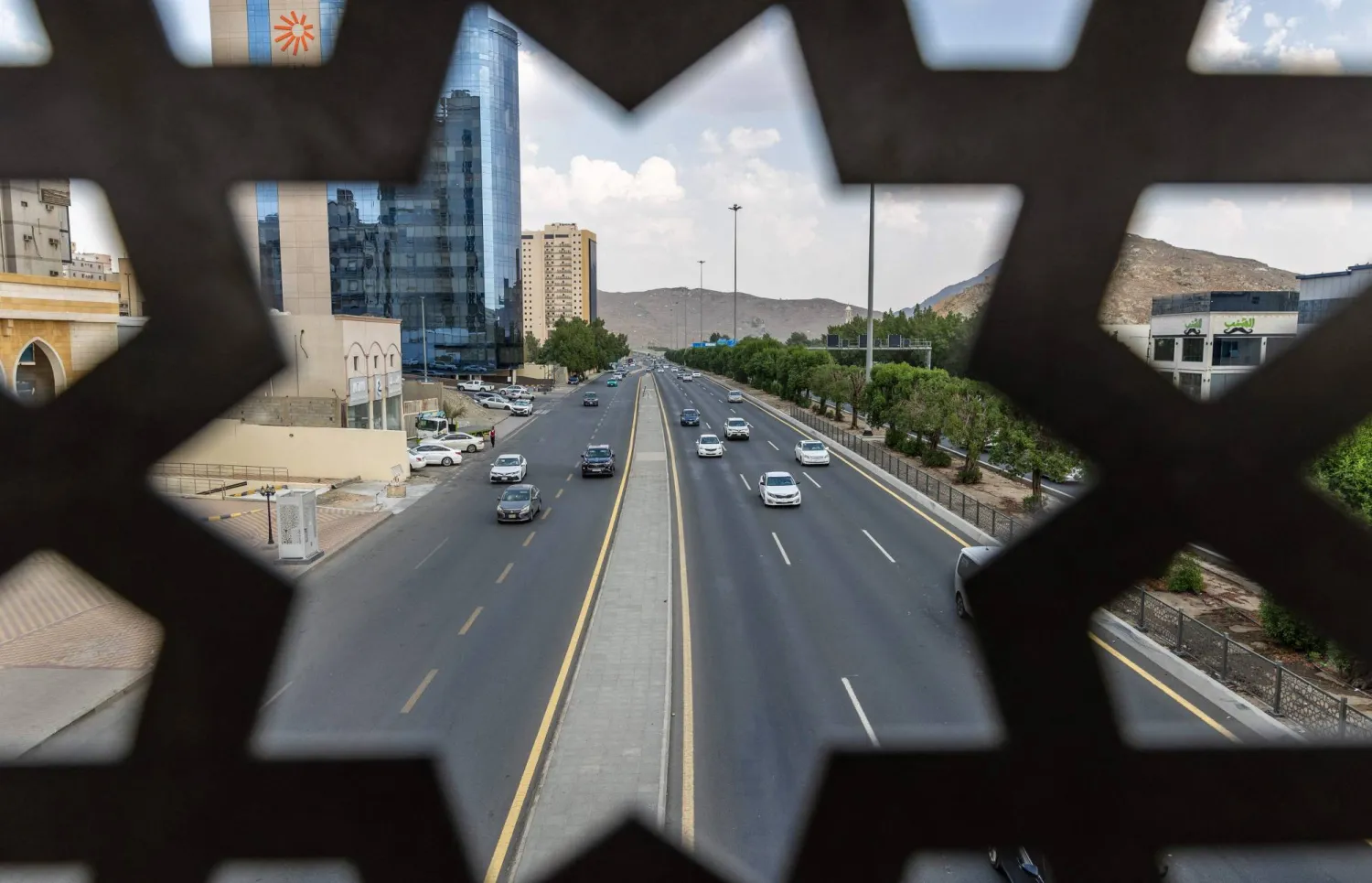
In the latest chapter of this escalation, Saudi air defenses announced on Saturday the interception of two ballistic missiles fired toward Makkah and Madinah. The successful military interception caused shrapnel to scatter across several locations, most notably with fragments falling in Wadi al-Mughammas, roughly 23 kilometers from the Grand Mosque and near the holy site of Arafat.
International and Islamic bodies and institutions strongly condemned the attack. The Muslim World League stressed that targeting the Makkah and Madinah regions is “a flagrant violation of religious sanctity and an assault on the feelings of more than one and a half billion Muslims worldwide.”
For his part, the Secretary-General of the Organization of Islamic Cooperation condemned the Houthi attacks on Makkah, Madinah, Taif, and Jeddah governorates, warning of the dangerous consequences should they continue.
He called on the countries of the Islamic world for collective action and a firm stance to deter the militias and put an end to their practices.
Scholars, clerics, and activists on social media platforms around the world denounced the attempts to target holy sites and civilians, deeming it a crime strictly prohibited by Islamic law and criminalized under the rules of international humanitarian law.
They reaffirmed the Islamic world's full solidarity with Saudi Arabia in all measures it takes to protect its territories and Islamic holy sites.
Wadi al-Mughammas is one of the main valleys in the Tihama plain east of Makkah. It borders the holy site of Arafat from its northeastern and geographically links Arafat with Wadi Hunain.
The valley holds prominent historical significance due to the occurrence of the famous "Year of the Elephant" incident there (around 570–571 AD), the same year that coincided with the birth of Prophet Muhammad.
Historical records note that the campaign commander, Abraha, used Wadi al-Mughammas as a camp for his elephant-equipped army in preparation to advance and demolish the Holy Kaaba, before the campaign ground to a halt in the valley because the elephant refused to advance toward Makkah, and the army subsequently suffered widespread destruction, forcing its remaining remnants to retreat and withdraw toward Yemen.
Ali bin Hamid al-Nafie, undersecretary at the Presidency of Religious Affairs for the Grand Mosque, stated that the repeated cross-border attacks and operations by the Houthi militia are no longer mere fleeting military skirmishes.
Instead, he noted, they reflect a systematic strategy targeting the security and spiritual symbolism of the Makkah and Madinah regions, which serve as the spiritual heartland and year-round destination for millions of visitors and Umrah pilgrims.
The continuous targeting of these areas with ballistic missiles and drones proves the expanding scope of Houthi objectives, which transcend direct battlefield conflict to impact regional security, the stability of the holy sites, and the safety and security of their visitors and pilgrims, Al-Nafie said.
He added that the efficiency of the interceptions demonstrated by Saudi defense systems against all militia attempts reflects the high level of vigilance and advanced readiness of the military and security apparatuses.
Protecting the holy sites and ensuring the safety of their visitors represent a top security and political priority for the Saudi leadership, and these attacks only increase the stringency of preventive and defensive measures to counter any future threats, he remarked.
Dr. Fawaz bin Adel Ghunaim, a researcher and academic at Taibah University in Madinah, stated that the legal and religious status of the Two Holy Mosques represents a foundational pillar in the region's history and legislative framework.
He explained that the protection of these holy sites has been respected and revered throughout the ages, even prior to Islam, when caravans of pilgrims heading to the Kaaba were safeguarded by established customs that criminalized any transgressions against them.
He noted that threats directed at Makkah or Madinah are an explicit violation of the sanctity of these regions, and a crime affecting the spiritual and ideological security of more than one and a half billion Muslims.