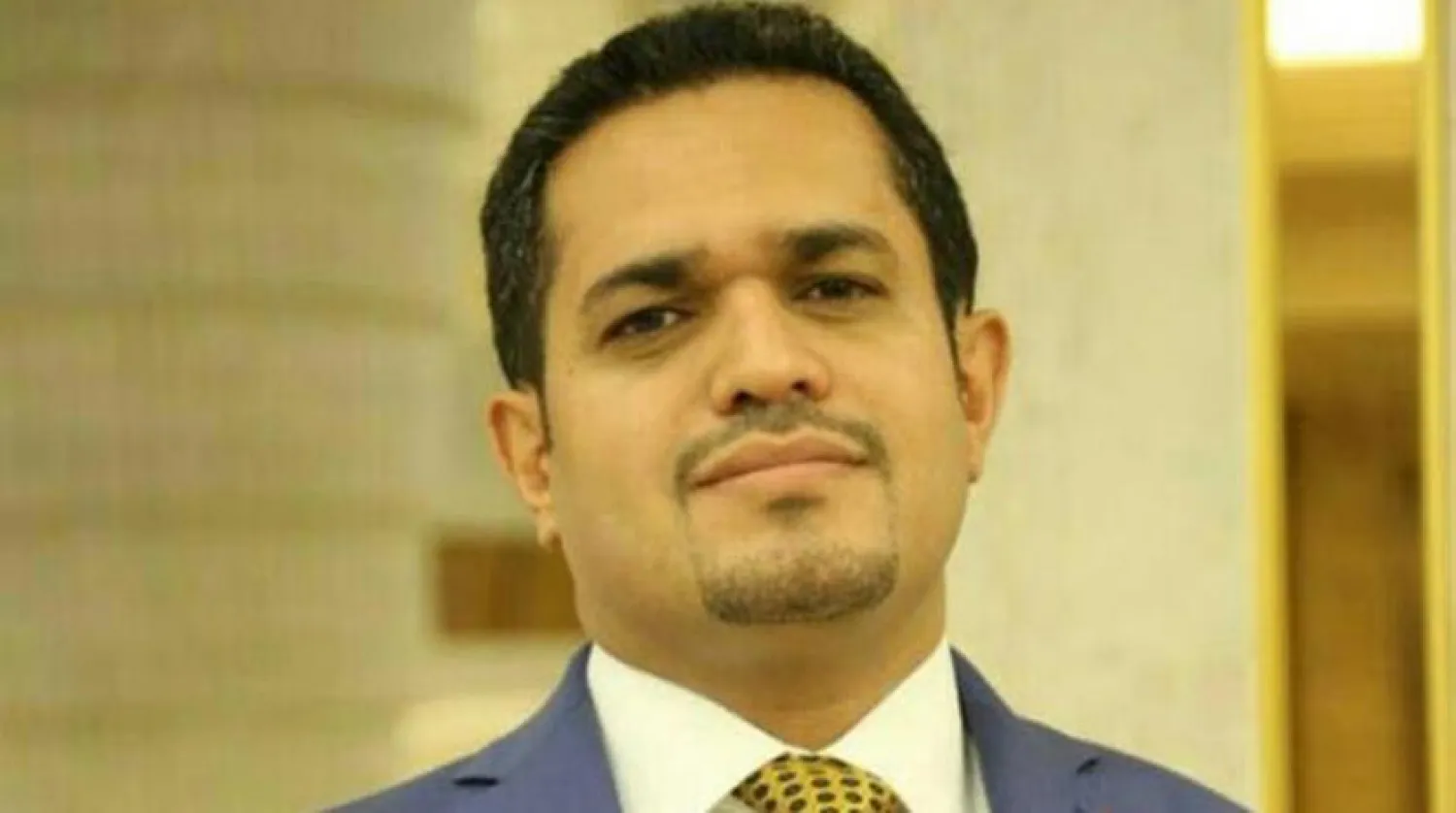
The importance of Lebanese lawmaker Hassan Fadlallah’s latest visit to Tehran lies not in the trip itself. Hezbollah’s alliance with Iran is public and well established. What stands out is its timing and the way it was announced.
Iran’s Foreign Ministry disclosed the visit as the Lebanese state seeks to chart a political course free from regional rivalries and assert that decisions concerning Lebanon must run through state institutions.
Iran’s Foreign Ministry said two days ago that Foreign Minister Abbas Araghchi received Fadlallah, a member of Hezbollah’s parliamentary bloc, in Tehran. Hezbollah’s representative in Iran, Abdallah Safieddine, attended the meeting.
The ministry said the talks covered the latest developments in Lebanon and Israeli attacks. Araghchi reaffirmed Iran’s support for Lebanon and its “defense of its territorial integrity, dignity and national sovereignty.”
Fadlallah praised Iran’s position and what he called its strong diplomacy, urging a unified Islamic stand against Israel.
Outcomes of the visit
Ministerial sources said Hezbollah’s relationship with Iran “requires no interpretation. It is an alliance both sides openly take pride in.”
“At a time when Lebanese officials are working to separate the two tracks, this visit again raises questions about whether the party respects the role of the state and the positions of its officials,” they said.
The sources told Asharq Al-Awsat: “This is certainly not the first time a Hezbollah official has visited Tehran, nor will it be the last. But it may be the first time such a visit has been announced in this way — through an official statement from the Iranian Foreign Ministry.”
“That gives the meeting an official character that goes beyond receiving a Lebanese lawmaker. It appears almost as a meeting between officials of two states.”
Still, the sources said the key question was what the visit would produce: whether it would ease the process now underway or make it even more difficult, particularly because Fadlallah is responsible for negotiations with the Lebanese presidency.
“Will Hezbollah cooperate with the state in the process it is managing, particularly over negotiations with Israel? Or will it continue rejecting decisions made by state institutions and escalate further?” they asked.
The question is even more pressing as Iranian-American negotiations falter and threaten repercussions in Lebanon, they warned.
Communications cut
The sources said communications between President Joseph Aoun and Hezbollah had been cut, with no recent contact. The only remaining channel is with Parliament Speaker Nabih Berri, Hezbollah’s key ally.
The visit came days after the United States imposed new sanctions on Hezbollah, targeting 10 individuals and a network Washington accused of moving funds between Iran’s Revolutionary Guards’ Quds Force and the Lebanese group.
Hezbollah responded by declaring its pride in its relationship with Iran and reaffirming its commitment to the “path of resistance.”
El Hage: They challenge the state every day
Lebanese Forces parliamentary bloc member Razi El Hage said there was “nothing unusual” about Fadlallah’s visit to Tehran.
Hezbollah has never let a day pass without treating Iran as the foundation of the equation. The group opposed the state and sought to place Lebanon within the framework of Iranian-American negotiations, he told Asharq Al-Awsat.
“This is not a new challenge to the state. They challenge it every day through their positions and their insistence on keeping Lebanese decision-making tied to foreign powers,” El Hage said.
“They must understand that the clock will not be turned back. The state has embarked on a course from which there can be no retreat.”
“They are making the decision to slaughter Lebanon,” El Hage added.
“Our position will remain firm. We will not retreat from our demand that the state alone hold decision-making authority and continue along the path it has begun.”
El Hage also called on the government to enforce its decisions more firmly, saying the state must prove it can assert its authority and protect Lebanon from attempts to keep it an arena for other countries’ conflicts.
Lebanese decisions first
Fadlallah’s visit came as President Joseph Aoun and Prime Minister Nawaf Salam have taken clear positions on keeping Lebanon out of other countries’ conflicts.
Aoun previously said Iran was “using Lebanon as a bargaining chip” in its negotiations with the United States.
He said he was working to implement a policy of distancing Lebanon from regional conflicts and insisted that decisions affecting the country’s sovereignty and security must rest exclusively with the Lebanese state.
Salam previously said: “Once again, the South and its people are paying the price for a decision they did not take. If I may address Iran directly: have mercy on our south and stop treating it as a bargaining chip in your negotiations.”
“Lebanon is not a mailbox for others’ messages, nor a battlefield for their wars,” he stated.