


New COVID-19 Wave Fuels Fears of Surge in Palestinian Refugee Camps

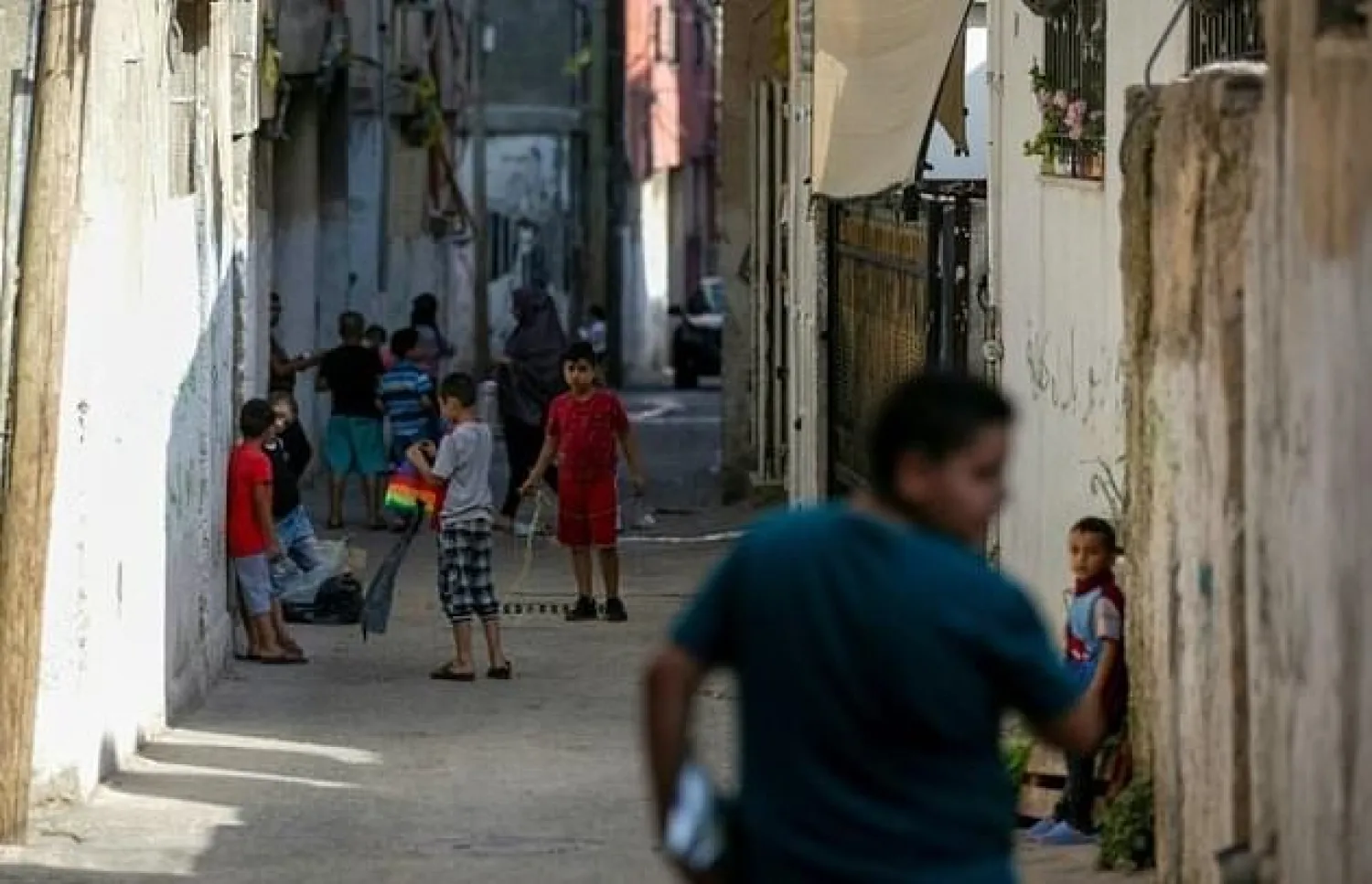
The UN agency for Palestinians says Al-Amari camp suffers "significant overcrowding issues". AFP
TT

New COVID-19 Wave Fuels Fears of Surge in Palestinian Refugee Camps

The UN agency for Palestinians says Al-Amari camp suffers "significant overcrowding issues". AFP

A second wave of the new coronavirus infections sweeping the Israeli-occupied West Bank is raising concerns over a surge in overcrowded Palestinian refugee camps where social distancing is next to impossible.

At the start of the COVID-19 pandemic in March, the Palestinian Authority quickly imposed a lockdown as it sought to contain infections. However, as the Israeli government and later the PA eased restrictions in late April and May, the number of infections rose again, exacerbated by breaches of limits on public assembly and movement.

One major driver has been Palestinian workers going to and from jobs in neighboring Israel, according to the PA, AFP reported.

The Palestinian health ministry's Tuesday update logged more than 10,860 confirmed cases of infection since the start of the pandemic, including more than 75 deaths. That compares with an accumulated total of less than 2,700 infections and seven deaths as recently as July 1.

The United Nations defines about five million Palestinians as having refugee status.

They are the survivors and descendants of the more than 700,000 who were expelled or fled their land over a few months in 1948 when Israel was founded.

More than 1.5 million of them live in camps in Lebanon, Syria, Jordan, the Gaza Strip the West Bank and Israeli-annexed east Jerusalem.

They are assisted by the UN Relief and Works Agency (UNRWA), which provides them with medical aid and manages schools.

In Al-Amari camp, near Ramallah in the West Bank, an estimated 8,000 people live packed into less than one square kilometre.

UNRWA describes the camp as suffering "significant overcrowding issues."

"There is neither room to impose distancing nor space to carry out quarantines", said Taha Al-Bess, an official on the camp's residents' committee.

At the entrance to Al-Amari camp the road is about six metres wide but quickly narrows inside the camp, with alleys no wider than half that.

"The streets are narrow, the buildings are very close to each other, to talk about distancing is an illusion," Al-Bess said.

Throughout the West Bank, occupied by Israel in the 1967 Six Day War, around 190,000 Palestinian refugees live in 19 camps.

Few cases of sickness and no deaths have so far been recorded in Al-Amari, but the camp committee is monitoring developments in the other camps with concern.

In Jalazoun, also near Ramallah, more than 200 cases have been recorded in recent weeks and two deaths, out of 8,000 refugees.

In Al-Fawar camp near Hebron in the southern West Bank, the data is similar.

"It is impossible to implement distancing and prevent contact between the sick and other residents," said Nael Nakhleh, a member of an emergency committee set up in Jalazoun to tackle the resurgence of contamination.

A debate has arisen over who is responsible for managing the health emergency in the camps: the Palestinian Authority or UNRWA?

For Ahmed Hanoun, in charge of refugee affairs at the Palestine Liberation Organization (PLO), the answer is the UN agency.

"We are trying to work with them," he told AFP, saying he was "seriously concerned" by the virus outbreaks in the camps.

In UNRWA too, there is deep concern, particularly as the pandemic arrived at an already challenging time. It has increased calls for donations and emergency aid from its other donors.

In Al-Amari, the residents have decided to take matters into their own hands and stand at the camp's entrance to take the temperature of everyone entering.



EU Condemns Israel's West Bank Control Measures

The Israeli settlement of Har Homa, seen from the West Bank city of Bethlehem, Tuesday, Dec. 17, 2024. (AP)
TT

EU Condemns Israel's West Bank Control Measures

The Israeli settlement of Har Homa, seen from the West Bank city of Bethlehem, Tuesday, Dec. 17, 2024. (AP)

The European Union on Monday condemned new Israeli measures to tighten control of the West Bank and pave the way for more settlements in the occupied Palestinian territory, AFP reported.

"The European Union condemns recent decisions by Israel's security cabinet to expand Israeli control in the West Bank. This move is another step in the wrong direction," EU spokesman Anouar El Anouni told journalists.


Atrocities in Sudan's El-Fasher Were 'Preventable Human Rights Catastrophe'

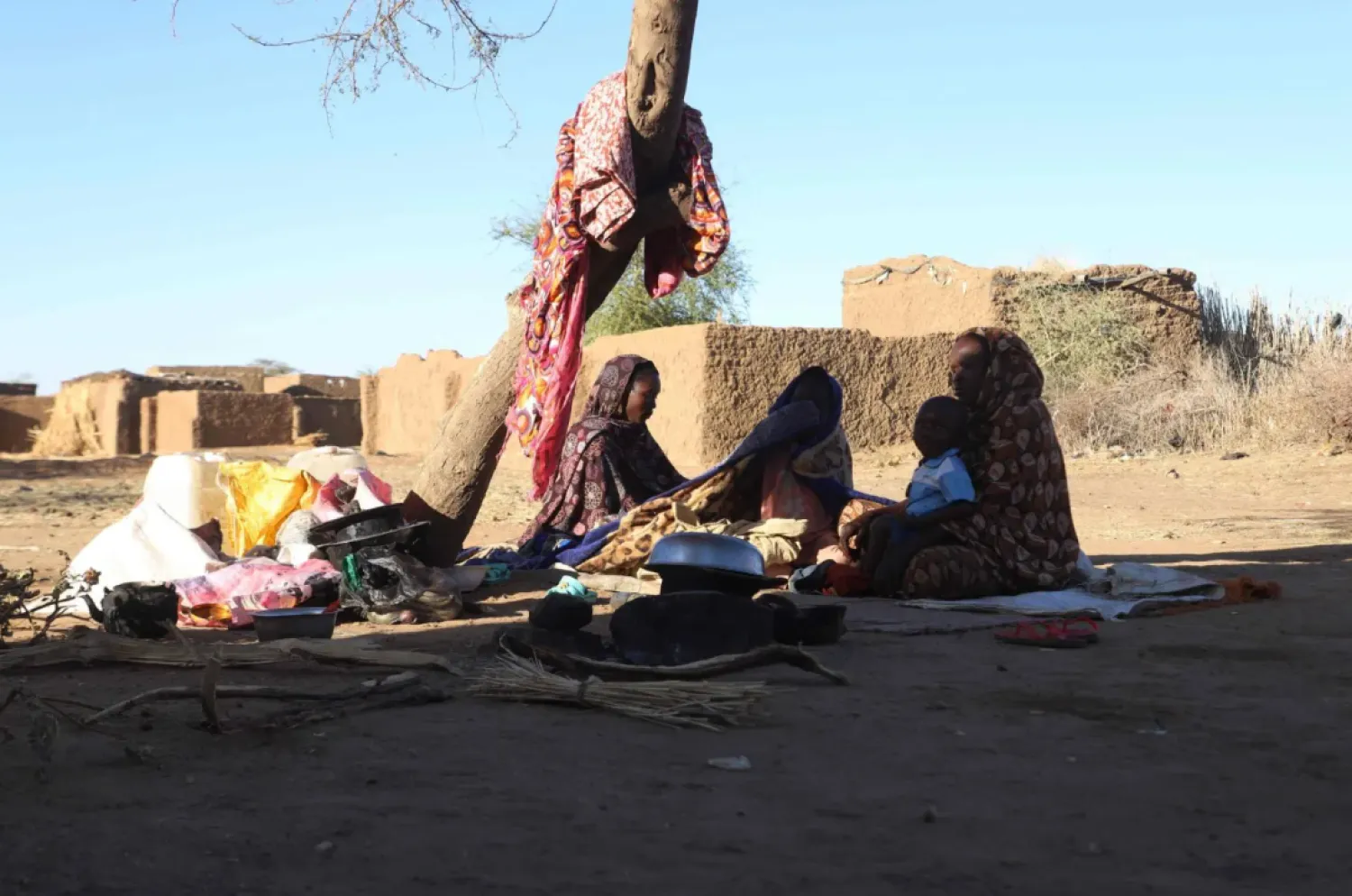
Sudanese displaced people who left El Fasher after its fall, sit in the shade in Tawila at the Rwanda camp reception point on December 17, 2025. (Photo by AFP)
TT

Atrocities in Sudan's El-Fasher Were 'Preventable Human Rights Catastrophe'

Sudanese displaced people who left El Fasher after its fall, sit in the shade in Tawila at the Rwanda camp reception point on December 17, 2025. (Photo by AFP)

The atrocities unleashed on El-Fasher in Sudan's Darfur region last October were a "preventable human rights catastrophe", the United Nations said Monday, warning they now risked being repeated in the neighbouring Kordofan region.


"My office sounded the alarm about the risk of mass atrocities in the besieged city of El-Fasher for more than a year ... but our warnings were ignored," UN rights chief Volker Turk told the Human Rights Council in Geneva.


He added that he was now "extremely concerned that these violations and abuses may be repeated in the Kordofan region".


Arab League Condemns Israel's Decisions to Alter Legal, Administrative Status of West Bank

A general view shows the opening session of the meeting of Arab foreign ministers at the Arab League Headquarters (Reuters)
TT

Arab League Condemns Israel's Decisions to Alter Legal, Administrative Status of West Bank

A general view shows the opening session of the meeting of Arab foreign ministers at the Arab League Headquarters (Reuters)

The General Secretariat of the Arab League strongly condemned decisions by Israeli occupation authorities to impose fundamental changes on the legal and administrative status of the occupied Palestinian territories, particularly in the West Bank, describing them as a dangerous escalation and a flagrant violation of international law, international legitimacy resolutions, and signed agreements, SPA reported.

In a statement, the Arab League said the measures include facilitating the confiscation of private Palestinian property and transferring planning and licensing authorities in the city of Hebron and the area surrounding the Ibrahimi Mosque to occupation authorities.

It warned of the serious repercussions of these actions on the rights of the Palestinian people and on Islamic and Christian holy sites.

The statement reaffirmed the Arab League’s firm support for the legitimate rights of the Palestinian people, foremost among them the establishment of their independent state on the June 4, 1967 borders, with East Jerusalem as its capital.