Griffiths in Riyadh Next Week to Discuss Amendments to Joint Declaration

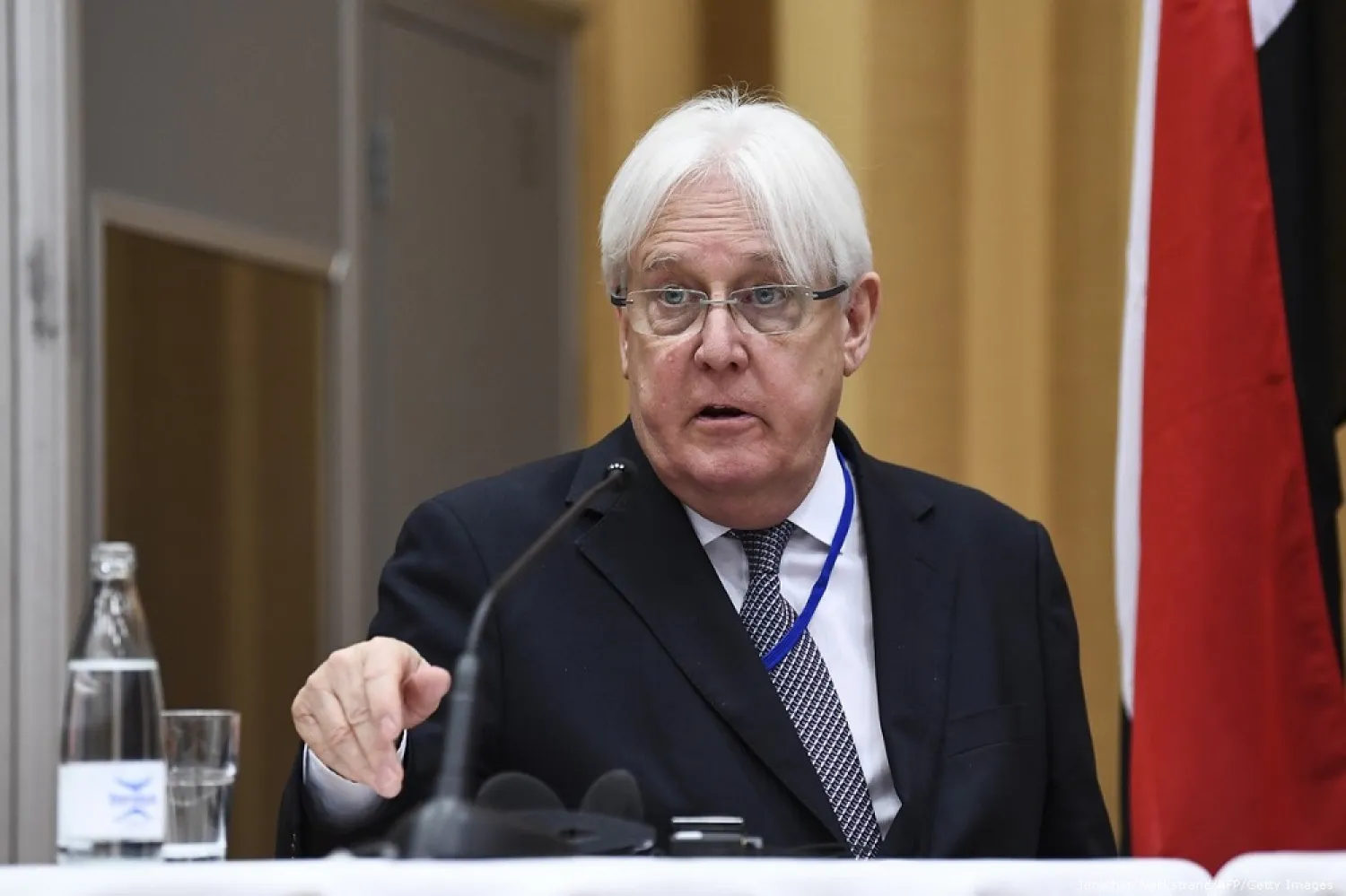
UN special envoy to Yemen Martin Griffiths in Sweden, on December 13, 2018. (Getty Images)
TT

Griffiths in Riyadh Next Week to Discuss Amendments to Joint Declaration

UN special envoy to Yemen Martin Griffiths in Sweden, on December 13, 2018. (Getty Images)

United Nations special envoy for Yemen, Martin Griffiths, is expected to visit Riyadh next week to meet with the Yemeni government and discuss recent amendments on a Joint Declaration draft plan for a comprehensive solution between the legitimacy and Iran-backed Houthis militias, a diplomatic source said Thursday.

The envoy will work on discussing details of this draft plan with the government and to dissipate the legitimacy’s reservations, British Ambassador to Yemen Michael Aron told Asharq Al-Awsat, adding that this plan would be the last as the two warring sides are close to reaching a final solution on Yemen.

Griffiths will add the government’s views to this last draft plan because parties are close to reaching a final solution, Aron said.

Griffiths is leading UN-brokered negotiations between the Yemeni government and Houthis, to reach a Joint Declaration that will include a nationwide ceasefire, economic and humanitarian measures, and the resumption of the political process to comprehensively resolve the conflict in the country.

In mid-July, the legitimate government rejected proposals submitted by the envoy, saying they undermine the government’s sovereignty and are biased towards the Houthis.

Meanwhile, the people are awaiting the formation of a new government that can rebuild state institutions and provide security and services. The cabinet is also expected to merge all armed formations in the Defense and Interior Ministries.

Late last month, the Southern Transitional Council abandoned its declaration of self-rule and pledged to implement the Riyadh Agreement signed with the legitimate government.

The deal calls for appointing a governor and security director for Aden Governorate, and assigning the Yemeni Prime Minister to form a government of political competencies within 30 days.

“The new government has a priority of rebuilding state institutions and controlling resources,” presidential advisor Abdul-Aziz al-Maflahi told Asharq Al-Awsat.

He said Yemenis now have a chance to present themselves in a different manner because their agreement is supported by the regional and international community.

Maflahi praised the important role played by Saudi Arabia's Deputy Minister of Defense Prince Khalid bin Salman to accelerate the implementation of the Riyadh Agreement.

Advisor to the Yemeni President Dr. Mohammed al-Ameri told Asharq Al-Awsat that the new government must first normalize the situation in the liberated areas and remove any tensions left recently by the conflict.

“Security is the basis for everything. Without it, the government is incapable of completing its mission and enforcing the rule of state institutions in the liberated areas,” he said.


Gaza Factions Tighten Security with Safe Movement, Tracking Collaborators

Palestinian boys walk near a landfill, in Gaza City, February 11, 2026. REUTERS/Dawoud Abu Alkas
TT

Gaza Factions Tighten Security with Safe Movement, Tracking Collaborators

Palestinian boys walk near a landfill, in Gaza City, February 11, 2026. REUTERS/Dawoud Abu Alkas

Palestinian armed factions in Gaza have gone on heightened alert as Israel presses ahead with targeted killings of field commanders and prominent operatives from Hamas and Islamic Jihad, field sources told Asharq Al-Awsat, saying tightened security measures have thwarted several planned assassinations in recent weeks.

The sources said security measures had foiled a series of assassination attempts planned by the Israeli army in recent days and weeks.

The Israeli military has frequently cited security incidents against its forces as justification for carrying out a string of strikes inside the enclave after a ceasefire took effect. Israeli violations have killed more than 500 Palestinians in Gaza since the agreement to halt the war was announced.

Field sources also told Asharq Al-Awsat that after the killing of prominent leaders and activists, strict instructions were issued by senior commanders of the armed wings to field operatives to adopt measures similar to those in place during the two-year war.

One source said the directives included “secure movement” from one place to another, meaning movement without carrying mobile phones or other technological devices to avoid detection by Israel's artificial intelligence. He added that members had been advised to remain concealed in specific locations for extended periods, without moving, even for days or weeks.

Failed targeting operations

Another source familiar with internal communications within an armed faction in Gaza said that “thanks to the new precautions in recent days and weeks, new assassination operations have failed.”

He cited instances of Israeli strikes on targets such as tents and other sites that did not host any of the wanted individuals or others, on several occasions.

“The Israeli forces bombed two targets hours after the Rafah incident that took place last Monday, one on the same evening and the other on Tuesday afternoon, indicating an inability to identify new targets as had happened previously,” the source said.

The factional source concluded that “the number of casualties has become much lower during the current round of escalation compared with previous violations.”

Israeli airstrikes on Monday and Tuesday killed prominent field activists in the Izz al-Din al-Qassam Brigades and the Al-Quds Brigades in two assassination operations.

The first targeted three activists in the Beit Hanoun Battalion of the Izz al-Din al-Qassam Brigades, who had overseen a series of operations, including the sniper killing of several soldiers, resulting in the deaths of seven, according to an Israeli military statement during battles in the town.

They were also said to have participated in the Oct. 7, 2023, attack. A commander of the elite unit of the Al-Quds Brigades in central Gaza was also killed.

Night checkpoints to track collaborators

Asked whether other measures had been adopted to secure their members, another field source said some steps included deploying checkpoints by security forces affiliated with the Hamas-run government, as well as field operatives from the Izz al-Din al-Qassam Brigades and the Al-Quds Brigades, particularly at night, across all areas of Gaza.

The source said the night checkpoints had reduced the movement of collaborators with Israel, as well as individuals working with armed gangs that provide intelligence on the whereabouts of certain activists after tracking and monitoring them, which he said had again weakened Israeli intelligence.

“There is other discreet activity during daylight hours carried out by the factions to pursue any suspicious movements and monitor individuals suspected of cooperating with Israeli intelligence,” the source added.

He said several suspects had been detained and interrogated, and information had been extracted about personalities being tracked. The data was then passed on to the intended targets so they could change their locations, move to safe places, and abandon the technological devices they had been using.

These security measures coincided with an announcement by the “Al-Hares” platform, affiliated with the security apparatus of armed factions in Gaza, calling on residents to “assist security in strengthening the internal front by reporting any suspicious activity or movement in their vicinity.”

It added that “any unusual behavior, attempts to gather information, or movements suspected of links to collaborator gangs constitute a key element in thwarting hostile plans and supporting the resilience of our internal front.”


Saudi Health Minister: We Act Proactively on Health Risks

Saudi Health Minister: We Act Proactively on Health Risks
TT

Saudi Health Minister: We Act Proactively on Health Risks

Saudi Health Minister: We Act Proactively on Health Risks

Saudi Arabia’s Cabinet, chaired Tuesday by Custodian of the Two Holy Mosques King Salman bin Abdulaziz, approved the formation of a permanent committee to oversee all matters related to asbestos and ensure enforcement of its ban, marking a new step in public health and regulatory oversight.

Saudi Health Minister Fahad Al-Jalajel told Asharq Al-Awsat that the Kingdom approaches health risks with a proactive strategy grounded in clear policies and long-term planning.

“Any risk we detect affecting citizens, the government works to develop the necessary tools to avert it and to continue enhancing quality of life,” Al-Jalajel said, citing previous announcements including a national drowning prevention policy and a strategic drug policy.

Saudi action on asbestos dates back years, and the decision to establish a monitoring committee follows earlier Cabinet rulings. Decisions numbered 1419 and 1422 halted the use of asbestos, barred its inclusion in official specifications, and banned its import, export, and manufacture.

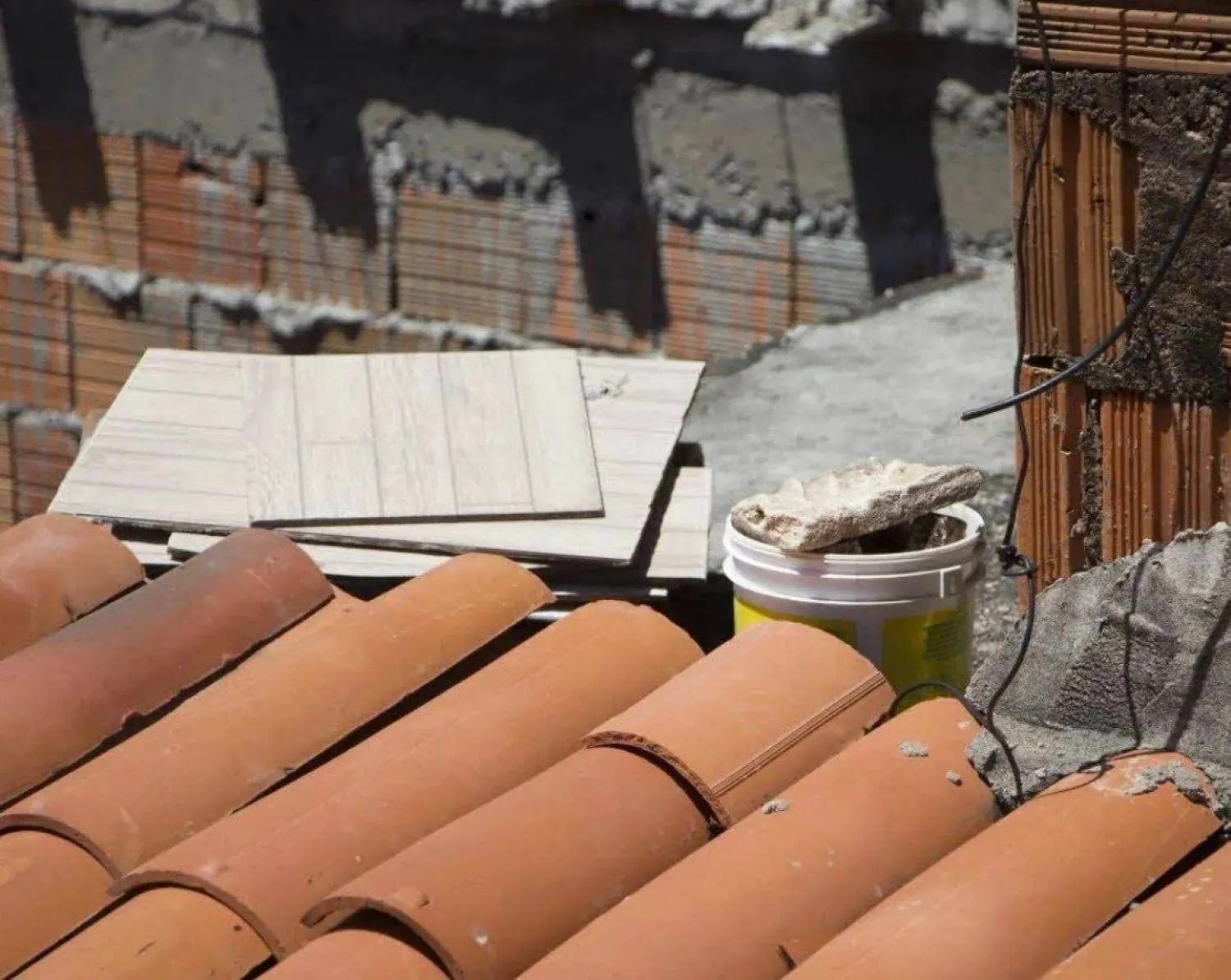
The measures also mandated the replacement and safe disposal of asbestos in buildings and water networks, alongside continued studies due to its health and environmental hazards.

Scientifically, asbestos refers to a group of naturally occurring mineral fibers once widely used commercially and, in some cases, still in use. Exposure can be fatal, affecting workers and others who come into contact with the fibers.

The material gained commercial value for its exceptional tensile strength, low heat conductivity, and relative resistance to chemical damage. It has been used for insulation in buildings and in products such as roofing sheets, water supply pipes, fire blankets, plastic fillers, medical packaging, vehicle clutches, and brake linings.

There are six main forms of asbestos, with chrysotile, or white asbestos, among the most widely used today. The World Health Organization has concluded that all forms of asbestos cause cancer. It also links asbestos exposure to chronic respiratory diseases.

Because asbestos has been embedded in construction materials, those involved in building, maintaining, or demolishing affected structures may face risks even decades after installation.

WHO assessments classify all six major forms of asbestos as carcinogenic to humans. Exposure, including to chrysotile, is associated with cancers of the lung, larynx, and ovary, as well as mesothelioma, a cancer of the pleural and peritoneal linings.

Clear scientific evidence also shows it causes chronic respiratory diseases such as asbestosis and other severe lung damage.

The World Health Organization estimates that about 125 million people worldwide are currently exposed to asbestos at work. More than 107,000 people die each year from lung cancer, mesothelioma, and asbestosis linked to occupational exposure.

Globally, asbestos is responsible for more than 200,000 deaths annually, according to the WHO, and accounts for roughly one-third of occupational cancer deaths. Thousands more fatalities each year are attributed to domestic exposure.

As of 2024, 50 countries had banned asbestos. In others, uncertainty remains amid insufficient and incomplete data.


Trump Says No 'Definitive' Agreement with Netanyahu, US Talks with Iran to Continue

Image published by the Israeli Prime Minister's website from his meeting with the US President at the White House yesterday
TT

Trump Says No 'Definitive' Agreement with Netanyahu, US Talks with Iran to Continue

Image published by the Israeli Prime Minister's website from his meeting with the US President at the White House yesterday

President Donald Trump said after talks with Israeli Prime Minister Benjamin Netanyahu on Wednesday they reached no "definitive" agreement on how to move forward with Iran but he insisted negotiations with Tehran would continue to see if a deal can be achieved.

Netanyahu, who had been expected to press Trump to widen diplomacy with Iran beyond its nuclear program to include limits on its missile arsenal, stressed that Israel's security interests must be taken into account but offered no sign that the president made the commitments he sought, said Reuters.

In their seventh meeting since Trump returned to office last year, Netanyahu - whose visit was more muted than usual and closed to the press - was looking to influence the next round of US discussions with Iran following nuclear negotiations held in Oman last Friday.

The two leaders spoke behind closed doors for more than two and a half hours in what Trump described as a "very good meeting" but said no major decisions were made and stopped short of publicly accepting Netanyahu's entreaties.

Trump has threatened strikes on Iran if no agreement is reached, while Tehran has vowed to retaliate, stoking fears of a wider war as the US amasses forces in the Middle East. He has repeatedly voiced support for a secure Israel, a longstanding US ally and arch-foe of Iran.

In media interviews on Tuesday, Trump reiterated his blunt warning to Iran, while saying he believes Tehran wants a deal.

"There was ‌nothing definitive reached other ‌than I insisted that negotiations with Iran continue to see whether or not a Deal can be consummated," Trump said in ‌a ⁠social media post after ⁠the meeting with Netanyahu. "If it can, I let the Prime Minister know that will be a preference."

"If it cannot, we will just have to see what the outcome will be," Trump added, noting that the last time Iran decided against an agreement the US struck its nuclear sites last June.

TRUMP SAYS NO TO IRANIAN NUCLEAR WEAPONS, MISSILES

Trump told Fox Business in an interview broadcast on Tuesday that a good deal with Iran would mean "no nuclear weapons, no missiles," without elaborating. He also told Axios he was considering sending a second aircraft carrier strike group as part of a major US buildup near Iran.

Israel fears that the US might pursue a narrow nuclear deal that does not include restrictions on Iran's ballistic missile program or an end to Iranian support for armed proxies such as Hamas and Hezbollah, according to people familiar with the matter. Israeli officials have urged the US not to trust Iran's promises.

Iran has rejected such demands and says ⁠the Oman talks focused only on nuclear issues.

"The Prime Minister emphasized the security needs of the State of Israel in the context ‌of the negotiations, and the two agreed to continue their close coordination and tight contact," Netanyahu's office said in ‌a statement after Wednesday's talks.

The two leaders had also been expected to talk about potential military action if diplomacy with Iran fails, one source said.

Iran has said it is prepared to discuss ‌curbs on its nuclear program in exchange for lifting sanctions but has ruled out linking the issue to missiles.

"The Islamic Republic's missile capabilities are non-negotiable," Ali Shamkhani, an adviser ‌to Iran's supreme leader, said on Wednesday. Netanyahu's arrival at the White House was lower-key than usual. The two leaders were shown shaking hands in a photo released by the Israeli Embassy. But unlike previous Netanyahu visits with Trump, a press pool was not allowed into the Oval Office. It was not immediately known why he received such low-profile treatment.

GAZA ON THE AGENDA

Also on the agenda was Gaza, with Trump looking to push ahead with a ceasefire agreement he helped to broker. Progress on his 20-point plan to end the war and rebuild the shattered Palestinian enclave has stalled, with major gaps over ‌steps such as Hamas disarming as Israeli troops withdraw in phases.

"We discussed the tremendous progress being made in Gaza, and the Region in general," Trump said after the meeting.

Netanyahu's visit, originally scheduled for February 18, was brought forward amid renewed US ⁠engagement with Iran. Both sides at last week's ⁠Oman meeting said the negotiations were positive and further talks were expected soon.

Trump has been vague about broadening the negotiations. He was quoted as telling Axios on Tuesday that it was a "no-brainer" for any deal to cover Iran's nuclear program, but that he also thought it possible to address its missile stockpiles.

Iran says its nuclear activities are for peaceful purposes, while the US and Israel have accused it of past efforts to develop nuclear weapons.

During a 12-day war last June, Israel heavily damaged Iran's air defenses and missile arsenal. Two Israeli officials say there are signs Iran is working to restore those capabilities.

Trump threatened last month to intervene militarily during a bloody crackdown on anti-government protests in Iran, but ultimately held off.

ISRAEL WARY OF A WEAKENED IRAN REBUILDING

Tehran's regional influence has been weakened by Israel’s June attack, losses suffered by its proxies in Gaza, Lebanon, Yemen and Iraq, and the ousting of its ally, former Syrian President Bashar al-Assad.

But Israel is wary of its adversaries rebuilding after the multifront war triggered by Hamas' October 2023 assault on southern Israel.

While Trump and Netanyahu have mostly been in sync and the US remains Israel's main arms supplier, they appear to be at odds on another key issue.

Part of Trump's Gaza plan holds out the prospect for eventual Palestinian statehood - which Netanyahu and his coalition, the most far-right in Israel's history, have long resisted.

Netanyahu's security cabinet on Sunday authorized steps that would make it easier for Israeli settlers in the occupied West Bank to buy land while granting Israel broader powers in what the Palestinians see as the heartland of a future state.

The decision drew international condemnation, and Trump on Tuesday reiterated his opposition to West Bank annexation.