


Lebanon Rejects Reform of UNIFIL Force on Border

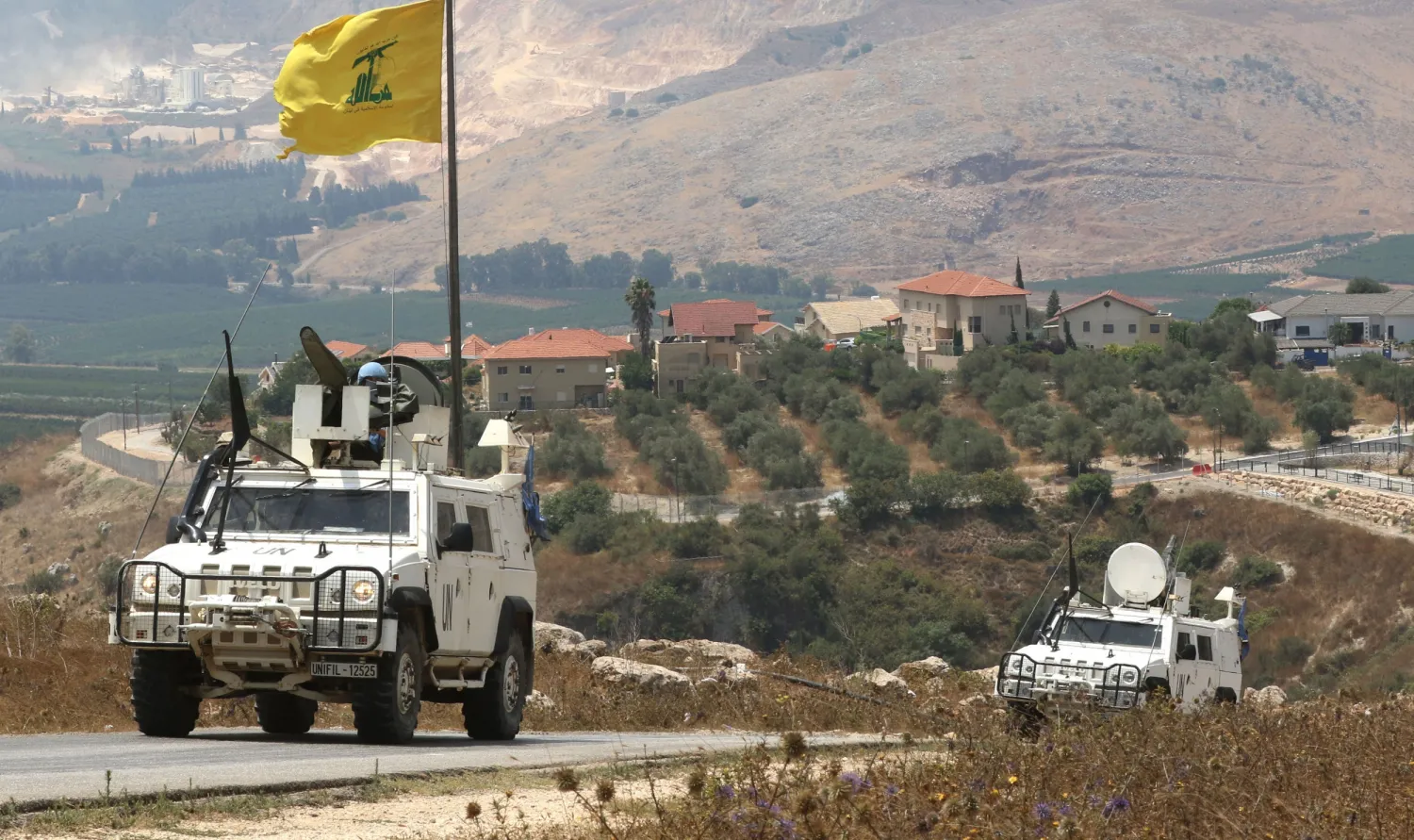
Israel and Lebanon are still technically at war, and a United Nations force is tasked with monitoring a ceasefire | Mahmoud Zayyat/ AFP
TT

Lebanon Rejects Reform of UNIFIL Force on Border

Israel and Lebanon are still technically at war, and a United Nations force is tasked with monitoring a ceasefire | Mahmoud Zayyat/ AFP

Lebanon Tuesday rejected an Israeli call to reform a UN peacekeeping force patrolling the border between the two countries days before a UN Security Council vote to renew its mandate.

Lebanon and Israel are still technically at war, and the United Nations force, UNIFIL, is tasked with monitoring a cessation of hostilities between the two sides.

Lebanon's caretaker foreign minister Charbel Wahbe separately received the ambassadors of the council's five permanent members ahead of Friday's vote, Lebanon's National News Agency said.

He handed them a memorandum stressing that "Lebanon is attached to renewing (the mission of) UNIFIL, without modifying its mandate or its numbers", it added.

Hezbollah has also rejected any change to the nature of the force's mission.

Set up in 1978, UNIFIL was beefed up after a devastating month-long war in 2006 between Israel and Hezbollah.

Israel accuses UNIFIL, whose latest mandate expires at the end of August, of not being active enough against Hezbollah.

It accuses the group of stockpiling weapons at the border, and is pushing for the UN force to be allowed to inspect private property.

UN chief Antonio Guterres in June called for an improved surveillance capacity for the force, including thermal-imaging cameras, hi-tech binoculars, and drones.

The US ambassador to the UN, Kelly Craft, in May called for the Security Council to empower UNIFIL or alter its staffing and resources to better fulfill its mandate.

Hezbollah chief Hassan Nasrallah later the same month rejected any change to the nature of the peacekeeping mission, and lashed out at US pressure over the issue.



EU Condemns Israel's West Bank Control Measures

The Israeli settlement of Har Homa, seen from the West Bank city of Bethlehem, Tuesday, Dec. 17, 2024. (AP)
TT

EU Condemns Israel's West Bank Control Measures

The Israeli settlement of Har Homa, seen from the West Bank city of Bethlehem, Tuesday, Dec. 17, 2024. (AP)

The European Union on Monday condemned new Israeli measures to tighten control of the West Bank and pave the way for more settlements in the occupied Palestinian territory, AFP reported.

"The European Union condemns recent decisions by Israel's security cabinet to expand Israeli control in the West Bank. This move is another step in the wrong direction," EU spokesman Anouar El Anouni told journalists.


Atrocities in Sudan's El-Fasher Were 'Preventable Human Rights Catastrophe'

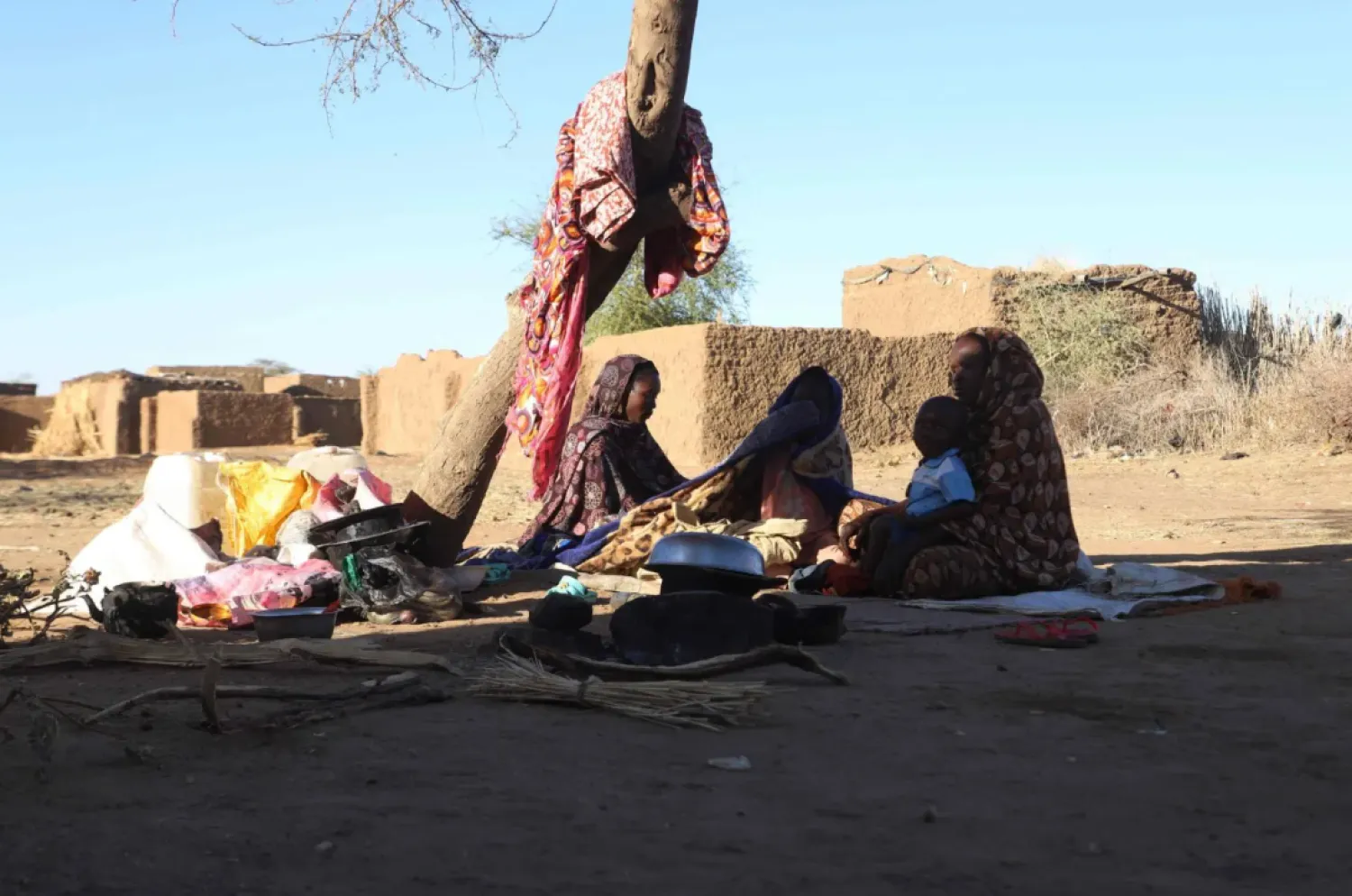
Sudanese displaced people who left El Fasher after its fall, sit in the shade in Tawila at the Rwanda camp reception point on December 17, 2025. (Photo by AFP)
TT

Atrocities in Sudan's El-Fasher Were 'Preventable Human Rights Catastrophe'

Sudanese displaced people who left El Fasher after its fall, sit in the shade in Tawila at the Rwanda camp reception point on December 17, 2025. (Photo by AFP)

The atrocities unleashed on El-Fasher in Sudan's Darfur region last October were a "preventable human rights catastrophe", the United Nations said Monday, warning they now risked being repeated in the neighbouring Kordofan region.


"My office sounded the alarm about the risk of mass atrocities in the besieged city of El-Fasher for more than a year ... but our warnings were ignored," UN rights chief Volker Turk told the Human Rights Council in Geneva.


He added that he was now "extremely concerned that these violations and abuses may be repeated in the Kordofan region".


Arab League Condemns Israel's Decisions to Alter Legal, Administrative Status of West Bank

A general view shows the opening session of the meeting of Arab foreign ministers at the Arab League Headquarters (Reuters)
TT

Arab League Condemns Israel's Decisions to Alter Legal, Administrative Status of West Bank

A general view shows the opening session of the meeting of Arab foreign ministers at the Arab League Headquarters (Reuters)

The General Secretariat of the Arab League strongly condemned decisions by Israeli occupation authorities to impose fundamental changes on the legal and administrative status of the occupied Palestinian territories, particularly in the West Bank, describing them as a dangerous escalation and a flagrant violation of international law, international legitimacy resolutions, and signed agreements, SPA reported.

In a statement, the Arab League said the measures include facilitating the confiscation of private Palestinian property and transferring planning and licensing authorities in the city of Hebron and the area surrounding the Ibrahimi Mosque to occupation authorities.

It warned of the serious repercussions of these actions on the rights of the Palestinian people and on Islamic and Christian holy sites.

The statement reaffirmed the Arab League’s firm support for the legitimate rights of the Palestinian people, foremost among them the establishment of their independent state on the June 4, 1967 borders, with East Jerusalem as its capital.