


Lebanon Eases COVID-19 Restrictions Despite Spike in Cases

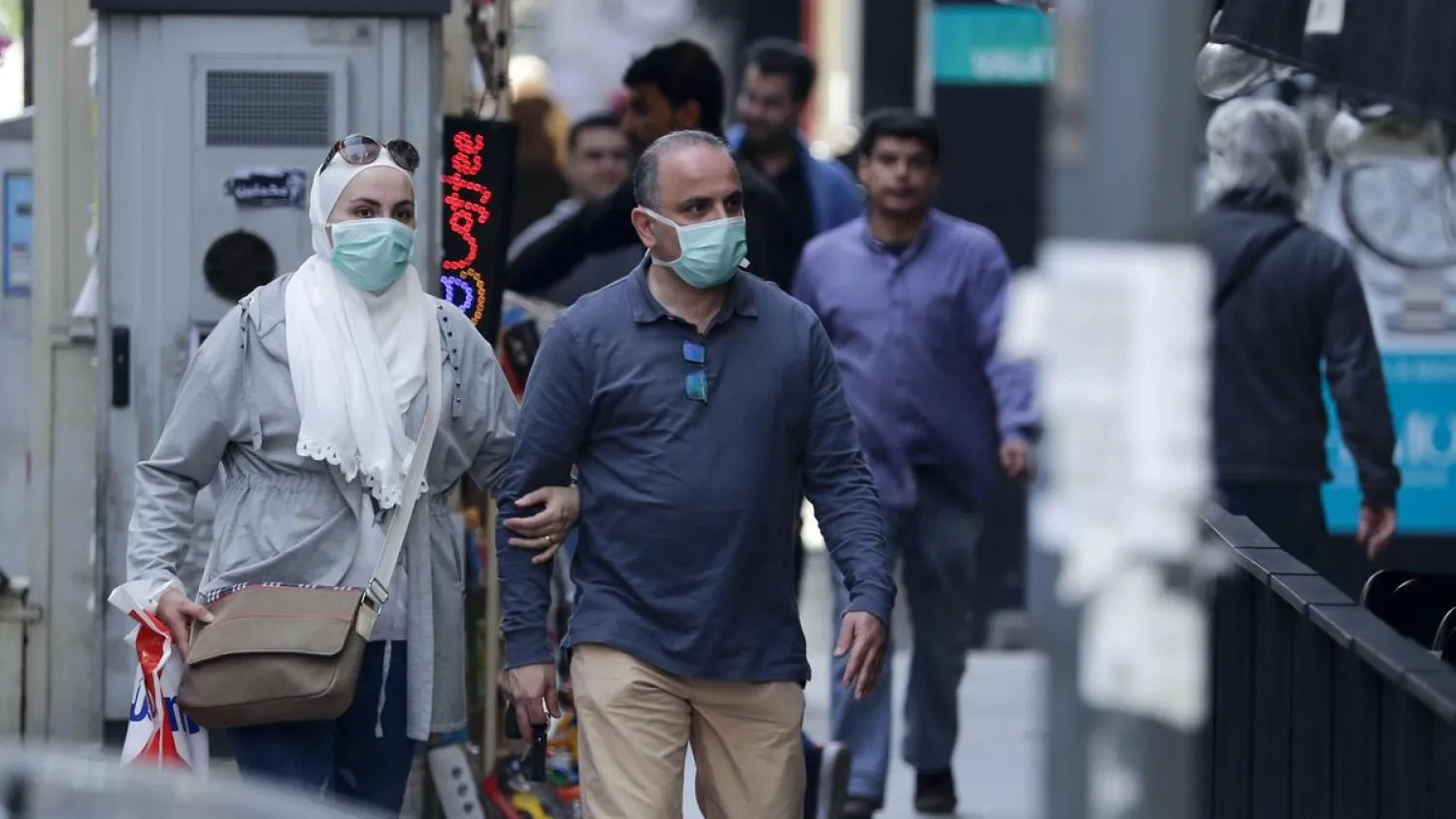
People wear face masks on the streets of Beirut, Lebanon | AFP
TT

Lebanon Eases COVID-19 Restrictions Despite Spike in Cases

People wear face masks on the streets of Beirut, Lebanon | AFP

Despite the ongoing spike in the number of COVID-19 cases and a cabinet decision to re-extend public mobilization until the end of this year, Lebanon eased some preventive measures imposed last week on the tourism and social sectors and which were supposed to be implemented until September 7.

On Aug. 21, the country began a new lockdown and an overnight curfew to rein in a spike in coronavirus infections.

However, the negative impact of closure weighted heavily on the tourism and commercial sectors, and thus on the economic movement and social conditions.

In this regard, the Interior Ministry modified on Thursday the curfew and working hours during lockdown.

“Starting Friday, August 28th at 6 am, the imposed curfew will start at 10 pm and end at 6 am every day,” the ministry said, instead of beginning every day at 6 pm.

In its official decision, the ministry also ordered the reopening of gyms, restaurants, bars, and beach resorts with a capacity of 50 percent. People will also be permitted to enter public parks and the Corniche before curfew. However, cinemas and kids’ playgrounds must remain closed, and serving hookahs in restaurants is prohibited.

Meanwhile, Health Minister Hamad Hassan ordered the reopening of daycare centers in Lebanon starting the end of August on condition of respecting the preventive measures and the directions of the Ministry.

The decision of reopening most sectors in Lebanon came as the Health Ministry announced Thursday that 689 new coronavirus cases and 7 more deaths from the disease have been recorded in Lebanon in the last 24 hours.

It also comes at a time when health institutions revealed that the outbreak of the pandemic threatens the sector.

Government hospitals in Beirut and Mount Lebanon said they already overpassed 80 percent of their capacities while 600 employees from the health sector were already infected by the disease.



EU Condemns Israel's West Bank Control Measures

The Israeli settlement of Har Homa, seen from the West Bank city of Bethlehem, Tuesday, Dec. 17, 2024. (AP)
TT

EU Condemns Israel's West Bank Control Measures

The Israeli settlement of Har Homa, seen from the West Bank city of Bethlehem, Tuesday, Dec. 17, 2024. (AP)

The European Union on Monday condemned new Israeli measures to tighten control of the West Bank and pave the way for more settlements in the occupied Palestinian territory, AFP reported.

"The European Union condemns recent decisions by Israel's security cabinet to expand Israeli control in the West Bank. This move is another step in the wrong direction," EU spokesman Anouar El Anouni told journalists.


Atrocities in Sudan's El-Fasher Were 'Preventable Human Rights Catastrophe'

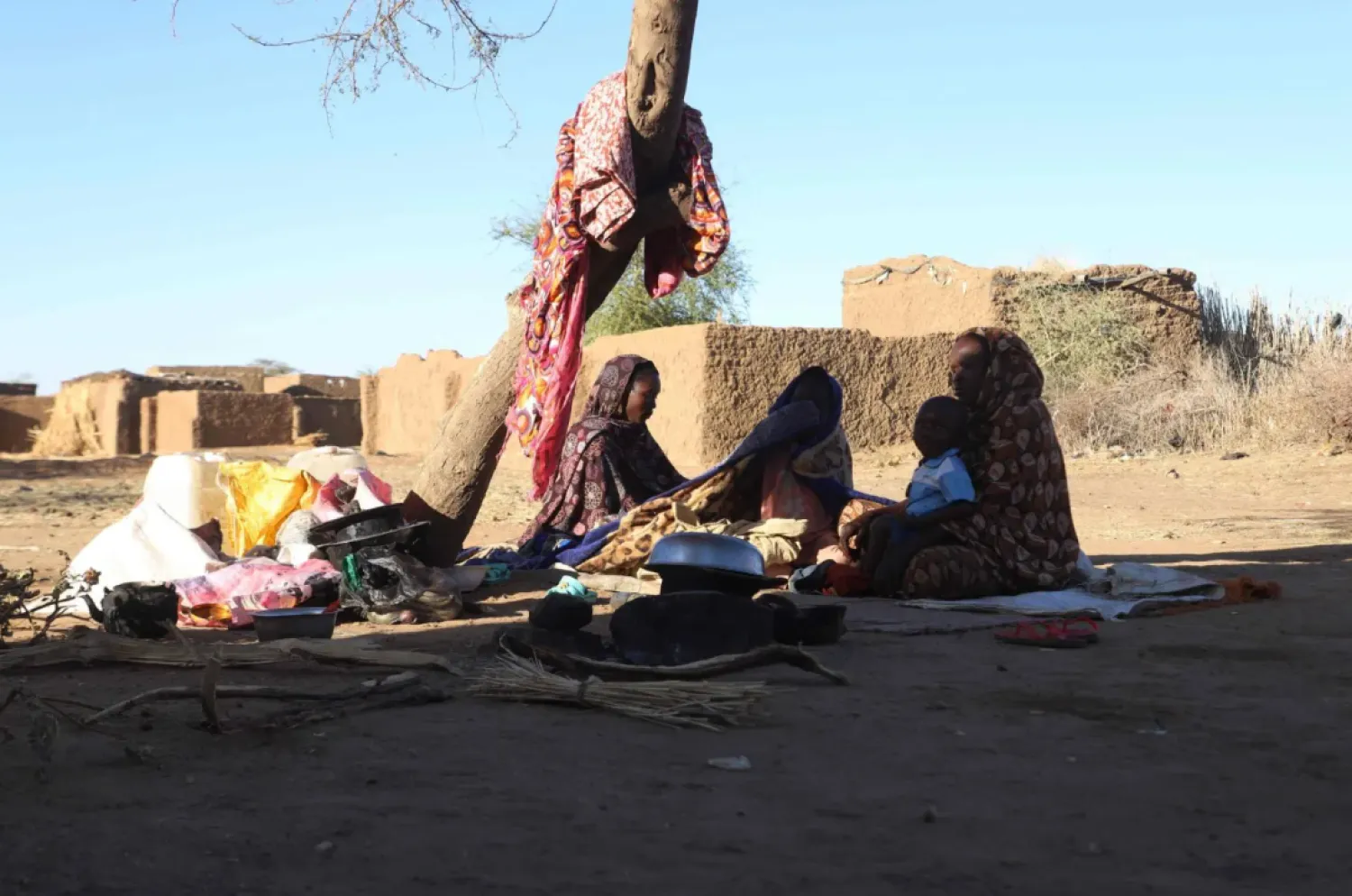
Sudanese displaced people who left El Fasher after its fall, sit in the shade in Tawila at the Rwanda camp reception point on December 17, 2025. (Photo by AFP)
TT

Atrocities in Sudan's El-Fasher Were 'Preventable Human Rights Catastrophe'

Sudanese displaced people who left El Fasher after its fall, sit in the shade in Tawila at the Rwanda camp reception point on December 17, 2025. (Photo by AFP)

The atrocities unleashed on El-Fasher in Sudan's Darfur region last October were a "preventable human rights catastrophe", the United Nations said Monday, warning they now risked being repeated in the neighbouring Kordofan region.


"My office sounded the alarm about the risk of mass atrocities in the besieged city of El-Fasher for more than a year ... but our warnings were ignored," UN rights chief Volker Turk told the Human Rights Council in Geneva.


He added that he was now "extremely concerned that these violations and abuses may be repeated in the Kordofan region".


Arab League Condemns Israel's Decisions to Alter Legal, Administrative Status of West Bank

A general view shows the opening session of the meeting of Arab foreign ministers at the Arab League Headquarters (Reuters)
TT

Arab League Condemns Israel's Decisions to Alter Legal, Administrative Status of West Bank

A general view shows the opening session of the meeting of Arab foreign ministers at the Arab League Headquarters (Reuters)

The General Secretariat of the Arab League strongly condemned decisions by Israeli occupation authorities to impose fundamental changes on the legal and administrative status of the occupied Palestinian territories, particularly in the West Bank, describing them as a dangerous escalation and a flagrant violation of international law, international legitimacy resolutions, and signed agreements, SPA reported.

In a statement, the Arab League said the measures include facilitating the confiscation of private Palestinian property and transferring planning and licensing authorities in the city of Hebron and the area surrounding the Ibrahimi Mosque to occupation authorities.

It warned of the serious repercussions of these actions on the rights of the Palestinian people and on Islamic and Christian holy sites.

The statement reaffirmed the Arab League’s firm support for the legitimate rights of the Palestinian people, foremost among them the establishment of their independent state on the June 4, 1967 borders, with East Jerusalem as its capital.