Damascus under Fire for Poor Handling of Bread, Gasoline Shortageshttps://english.aawsat.com/home/article/2518441/damascus-under-fire-poor-handling-bread-gasoline-shortages
Damascus under Fire for Poor Handling of Bread, Gasoline Shortages
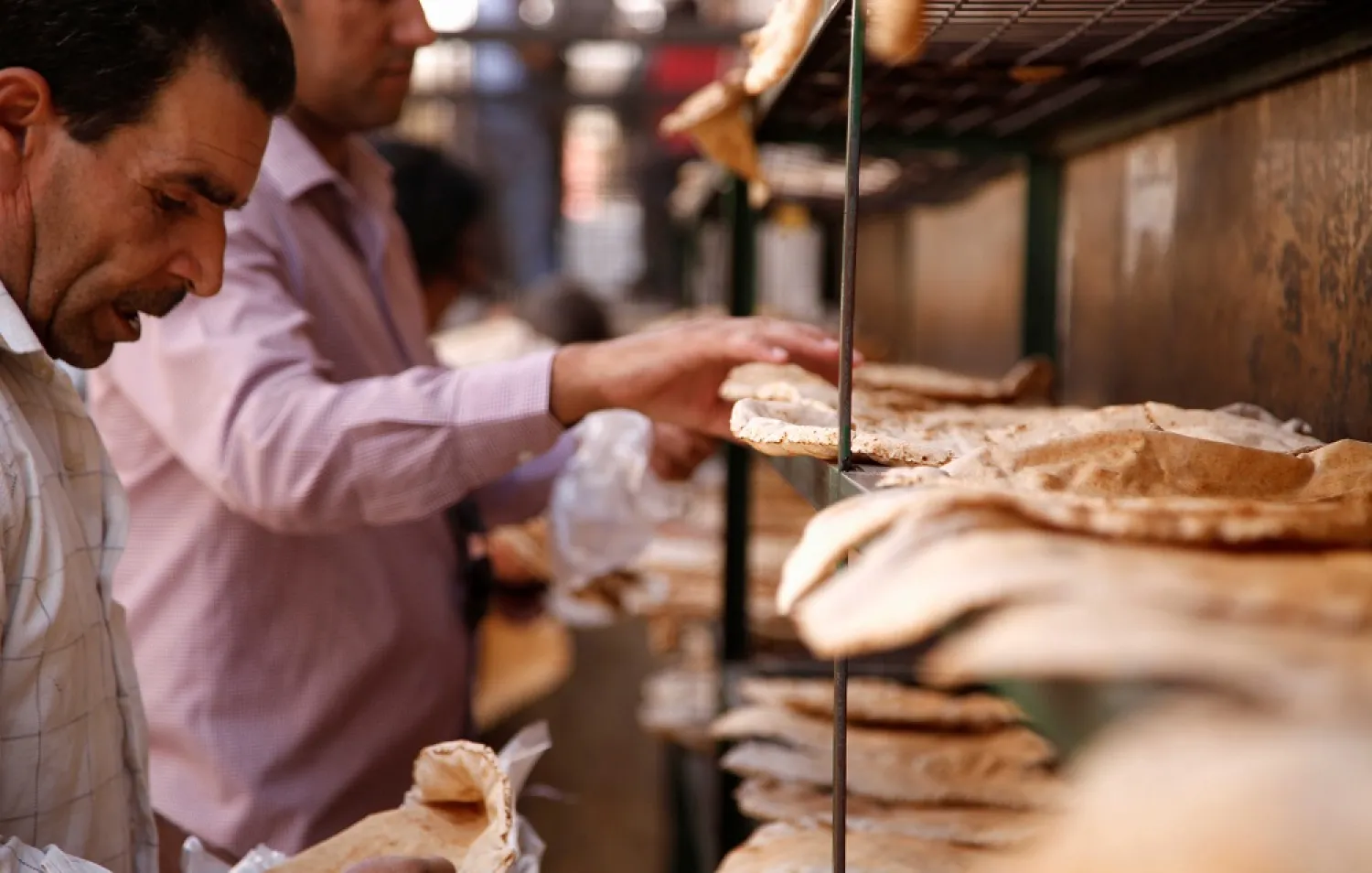
Men arrange bread to cool down in Damascus, Syria. (Reuters)
The Syrian government ordered that daily family bread rations be reduced after failing to provide subsidized bread and gasoline to the people. The move sparked outrage among the public, who accused Damascus of “starving” the people to cover up for its shortcomings.
The state news agency SANA announced a new mechanism for people to buy bread that went into effect on Saturday. A family of one or two people will be allowed one packet of bread per day, while a family of three or four will be allowed two. A family of five or six will be allowed three and a family of seven or more will be allowed four.
Prior to the new decision, families all received four packets of bread.
The decision applied to all bakeries in Damascus, the Damascus countryside and Latakia.
The government said the move was part of its efforts to “fairly” meet the needs of the people and “prevent the manipulation of bread prices”.
In recent weeks, government-held regions in Syria have seen people, who are already suffering from poverty due to years of war, clamoring to secure bread at subsidized prices. Queues not seen in nine years of war would line up at bakeries. Many bakeries have also been forced to close due to a flour shortage.
The price of an eight-loaf packet of subsidized bread is sold at 50 pounds. The same packet is sold at 500 pounds on the black market.
The government’s latest move sparked ire on the streets. A teacher told Asharq Al-Awsat: “They claim that they are seeking fairness and preventing price manipulation, but the truth is clear to see. The government is seeking to cover its shortcomings at the expense of the people.”
He said some families have become so impoverished that they can only rely on government subsidies. Very few families can afford a 500-pound packet of bread, he added.
The United Nations estimates that 87 percent of people in government-held territories are living under the poverty line. Their income is no more than 60,000 pounds, while a family of five needs at least 500,000 pounds to support itself.
Prior to the eruption of the conflict in 2011, Syria used to produce 4 million tons of wheat per year, of which 1.5 million tons was exported. According to the UN, Syria produced 1.2 million tons of wheat in 2019, the lowest figure in 29 years. Government-held regions need 1 to 1.5 million tons of wheat.
The regions of al-Jazira, Hasaka, Deir Ezzor and Raqqa, all of which are now controlled by the Kurdish Syrian Democratic Forces, as well as Aleppo, produce the bulk of Syria’s wheat for the country’s 23 million people.
Gasoline shortage
On top of a bread crisis, the people also have to contend with a severe gasoline shortage that has led to long queues of cars lined up at gas stations. Amid the hardship, some Syrians have joked that the country should enter the record books for the longest queues at stations.
The government has limited private vehicles to 30 liters of gasoline every four days, with residents saying hundreds of motorists wait for hours before gas stations are opened.
The shortages were worsened by major maintenance at the Baniyas refinery, the country’s largest, which supplied two-thirds of the country’s gasoline needs, said oil minister Bassam Touma.
Touma said once unavoidable maintenance work at the 130,000 barrel per day capacity refinery had been completed in the next 10 days, capacity would rise by 25%. Shipments from several undisclosed sources would also help ease the crisis later this month, he added.
Oil production collapsed after Damascus lost most of its oil producing fields in a stretch east of the Euphrates River in Deir Ezzor. These oil fields are now in the hands of US backed SDF, who continue to sell part of the oil to Damascus.
Syria had previously relied on Iranian oil shipments but tightening sanctions on Iran, Syria and their allies have dried up supplies in the past year.
Oil traders say oil imports through Beirut port, a major conduit, have also been disrupted in the wake of a major explosion last August.
Washington has long accused Syria of smuggling oil through Lebanon across a porous border area where Damascus’s ally Iranian-backed Hezbollah holds sway.
A shortfall in foreign currency had also forced Damascus to import less fuel in the last two months, further worsening supplies, two traders said.
Yahya Sinwar: A Public Image Haunted by Scenes of Destructionhttps://english.aawsat.com/features/5326795-yahya-sinwar-public-image-haunted-scenes-destruction
Yahya Sinwar: A Public Image Haunted by Scenes of Destruction
A banner in Tehran displays a portrait of late Hamas leader Yahya Sinwar. (EPA)
On April 30, 2022, Yahya Sinwar (1962–2024), then head of Hamas' political bureau in the Gaza Strip, warned of a broad “regional religious war” if Israel continued its attacks on the Al-Aqsa Mosque compound and Jerusalem.
He urged representatives of Palestinian factions and their armed wings to prepare and remain ready. Yet no one imagined those preparations would be for what unfolded 18 months later, on Oct. 7, 2023.
It is difficult to say with certainty whether Sinwar had already conceived of Oct. 7 as the world would come to know it. But in the same speech, he pledged to “empty the prisons of all Palestinian prisoners and completely break the blockade.”
He reiterated that message in December 2022, telling Israelis: “We will come at you with a roaring flood ... We will come at you with countless rockets ... We will come at you with an endless flood of soldiers ... We will come at you with millions from our nation, wave after wave.”
In an investigation published in Haaretz last September, Israeli journalists Shlomi Eldar and Ruth Yuval said Sinwar had tried to convey a warning to Israel through a Fatah intermediary before the attack.
The investigation forms part of their recently published book, “Hostages: 843 Days of Abandonment.”
They said an agreement between Israel and Hamas, including a prisoner exchange and a prolonged period of calm, had been ready for signing several weeks before the attack. But Israeli Prime Minister Benjamin Netanyahu backed away and stalled its approval. His stance angered Sinwar, who decided to launch the attack, first warning the Israeli government of “a response that will cause an earthquake.”
The authors recount how, in early September 2023, Sinwar abruptly severed all contact with the team conducting the negotiations. “He disappeared completely from our radar,” a senior official in Israel's Shin Bet security service said.
The prospect of a major deal with Israel had collapsed, while the blockade of Gaza, which began in 2006, continued and restrictions tightened. Sinwar decided to unleash what he imagined would be an earthquake, setting the flood in motion.
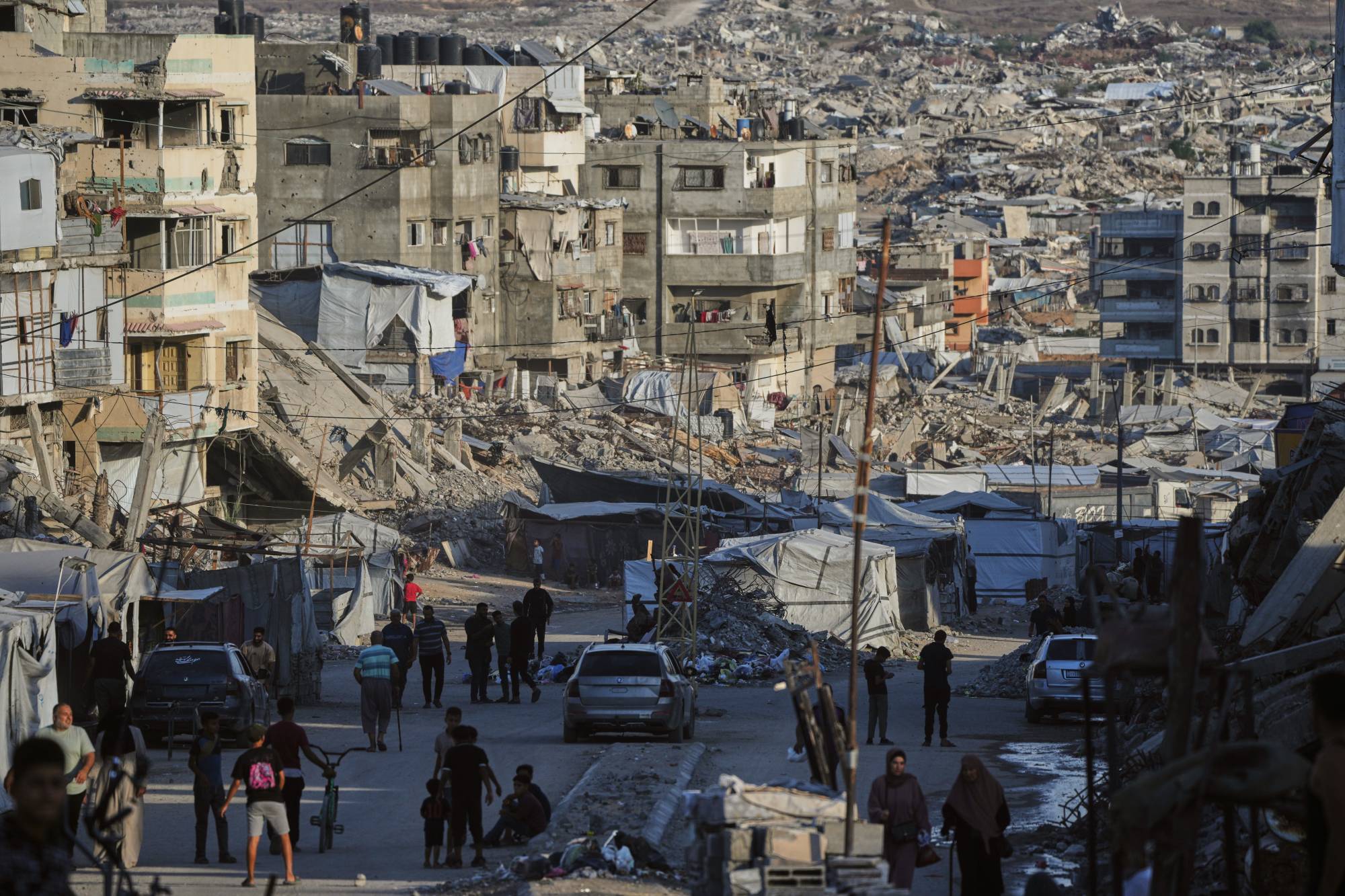
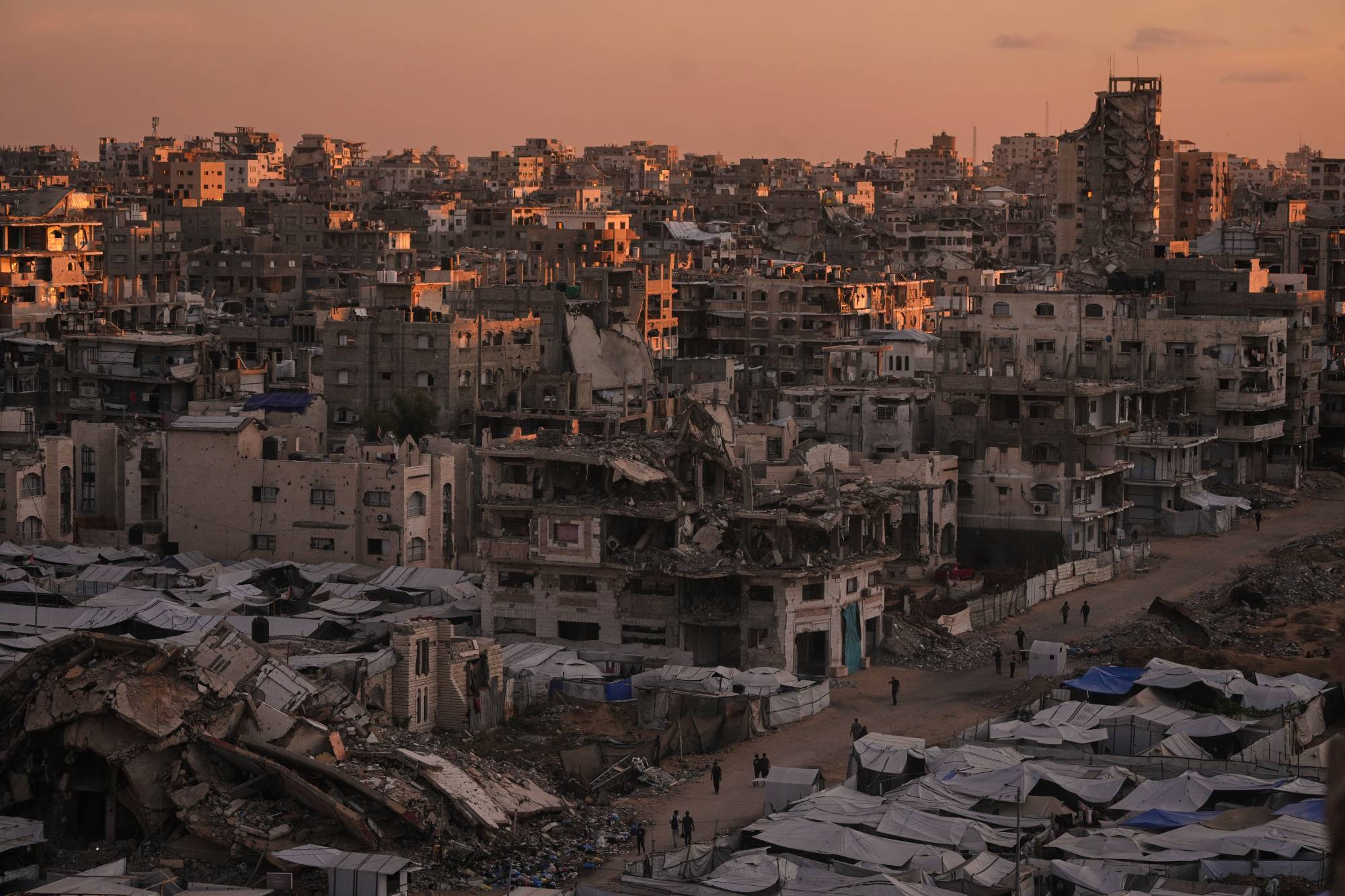
Palestinians walk along a street surrounded by buildings destroyed in Israeli military strikes during the Israel-Hamas war in Gaza City, Tuesday, Oct. 6, 2026. (AP)
Sinwar’s killing
Israel responded with full force to Sinwar and his attack, launching an indiscriminate bombing campaign across the Gaza Strip and carrying out an unprecedented series of assassinations. These reached a peak at the time with the killing of Hamas political bureau chief Ismail Haniyeh in July 2024 in a complex operation in Tehran.
A Hamas source said “the movement's decision to choose Sinwar as Haniyeh's successor amounted to a mandate for him, reflecting a vote of confidence by the movement and its leadership in his popularity and support for his course.”
The al-Qassam Brigades, Hamas' armed wing, were still confronting Israel and inflicting losses commensurate with the fighting on the ground, setting aside Israel's overwhelming advantage in airstrikes and missile bombardment.
Around the first anniversary of the continuing war in Gaza, Sinwar was suddenly killed in October 2024 in an encounter Israel had not planned. But the scene of his death was not the final chapter.
Israel sought to wipe out Gaza through what UN commissions have described as “genocide.” In its war on the territory, it wholly or partially destroyed 82% of its buildings and 90% of its infrastructure and killed 74,000 of its residents. Reconstruction costs are estimated at about $71 billion.
The immense cost of Israel's war left its mark on Sinwar's image even after his death, and on Hamas despite its signing of a ceasefire agreement in October 2025.
Among Gaza's residents, perceptions of Sinwar have undoubtedly changed considerably. Even among Hamas supporters who are not members of the movement, videos, testimonies and local discussions in recent months have shown attacks on Sinwar's decision and criticism of a man who has become the target of numerous accusations.
But a Hamas source told Asharq Al-Awsat: “The insults, harsh criticism and other attacks directed at Sinwar throughout the war were unfair. A man cannot be judged for seeking to take an important step aimed at making everyone feel what Gaza had been suffering: a blockade and daily killing by Israel.”
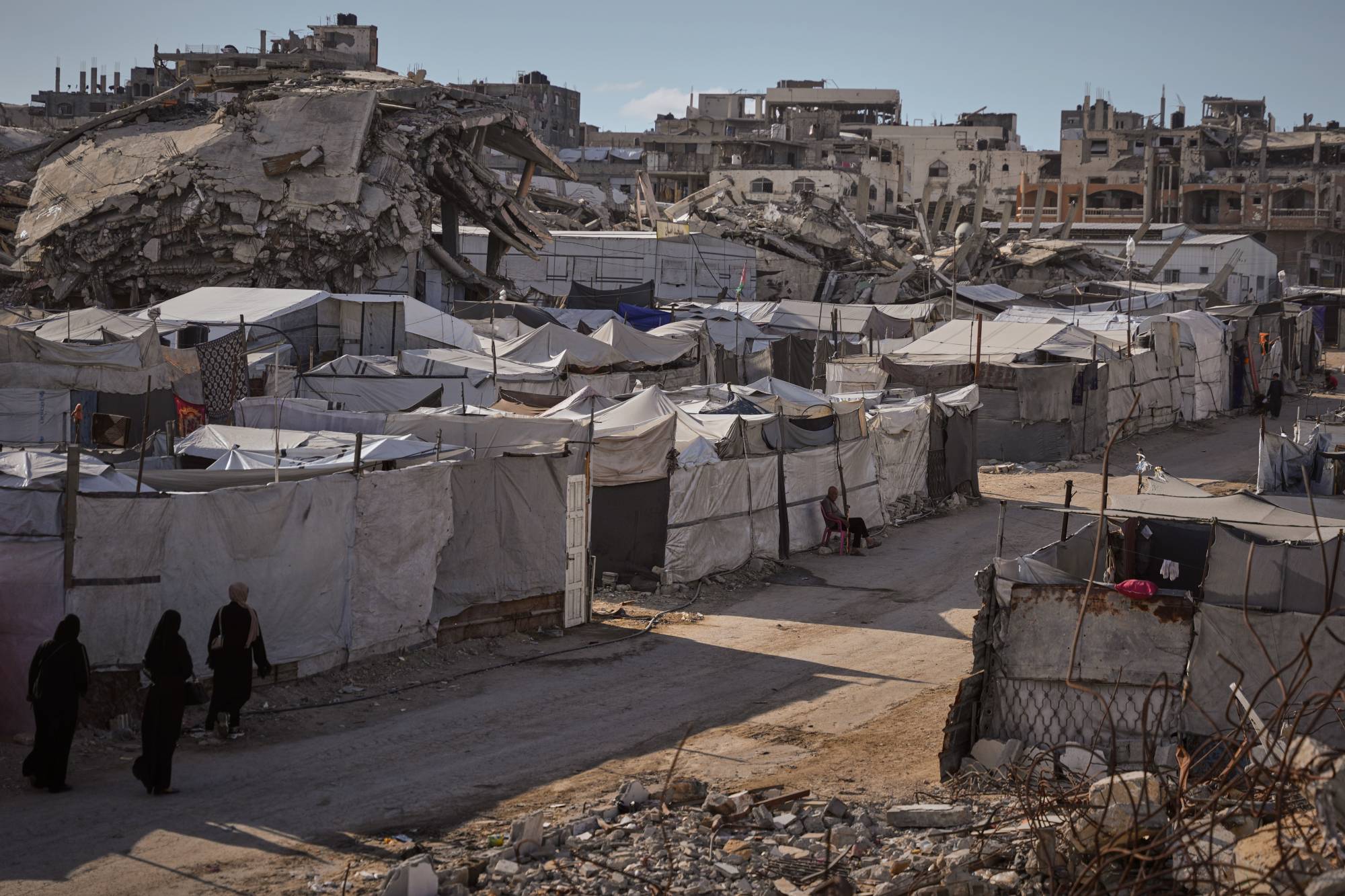
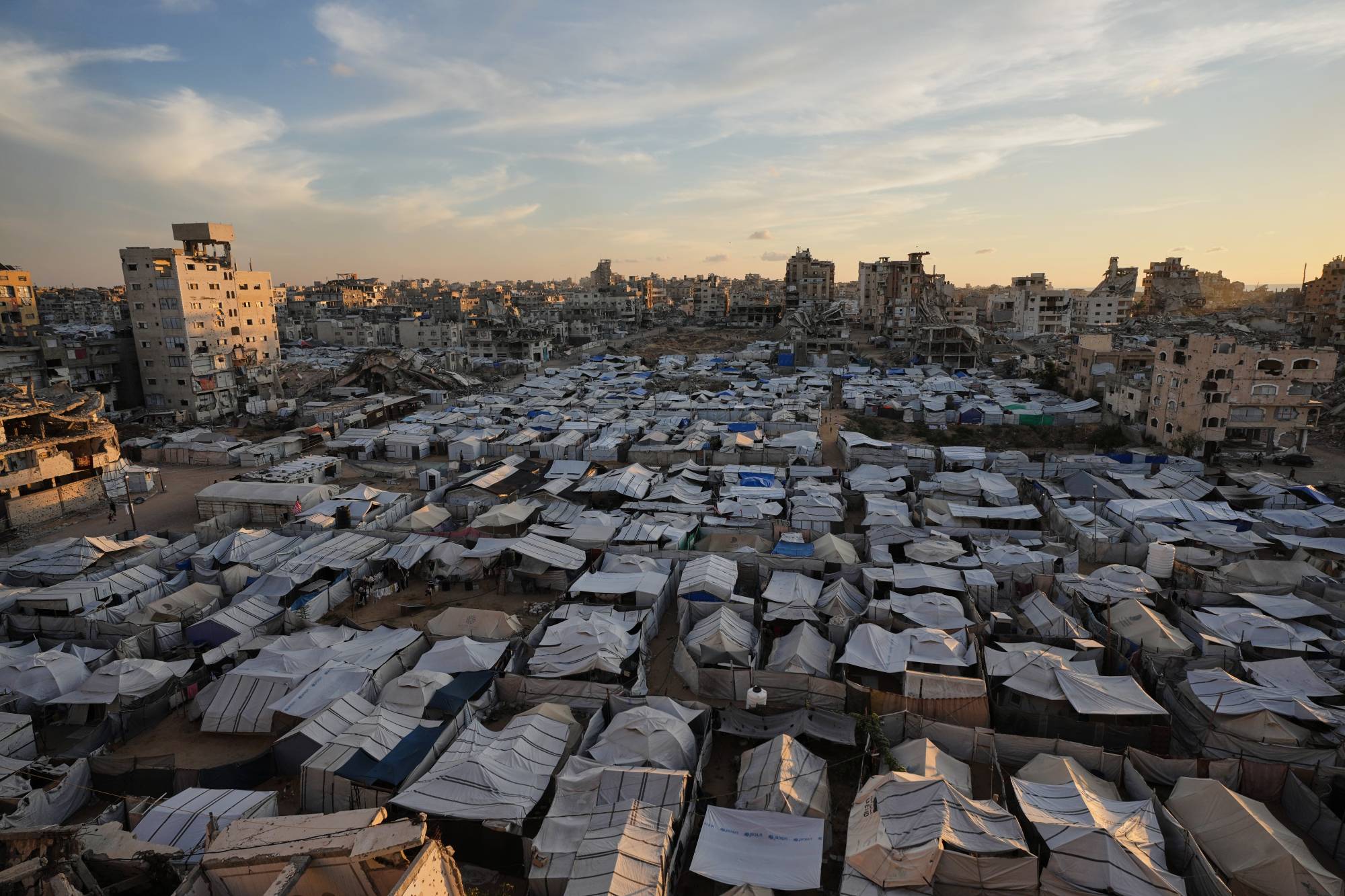
Palestinians walk along a street lined with tents sheltering displaced people and buildings destroyed by Israeli military strikes during the Israel-Hamas war in Gaza City, Tuesday, Oct. 6, 2026. (AP)
Polls and declining support
Palestinians did not arrive at a relative decline in support for the Oct. 7 attack overnight, according to two polls conducted by the Palestinian Center for Policy and Survey Research.
A poll released in March 2024 showed that overall support for Oct. 7 remained high, but had fallen by 11 percentage points in the West Bank and risen by about 14 points in Gaza.
The March report attributed the rise in support to another motive: “Three-quarters of Palestinians believe the attack put the Israeli-Palestinian issue at the center of attention and ended years of neglect.”
But another poll by the same center, released in September 2024, recorded a shift in support for the attack. Support fell by 13 percentage points overall across the West Bank and Gaza, with a larger decline of 18 points in Gaza, following a 14-point drop recorded in the June poll.
A further poll conducted by the center last August showed support for Hamas falling to 24%, compared with 35% in its October 2025 poll. Support for Fatah remained at 24% in both surveys.
The center's findings showed that support for Hamas in the West Bank fell from 32% in October 2025 to 18% in August 2026. In Gaza, it declined from 41% to 33%.
A poll released last August by the Jerusalem Media and Communication Centre, in cooperation with the Friedrich Ebert Foundation, pointed to a similarly marked decline in Hamas' standing and popularity.
The proportion of respondents who trusted the movement fell to 6.7%, from 12% in June 2022. Trust in Fatah also declined, to 22.3% from 28.8%.
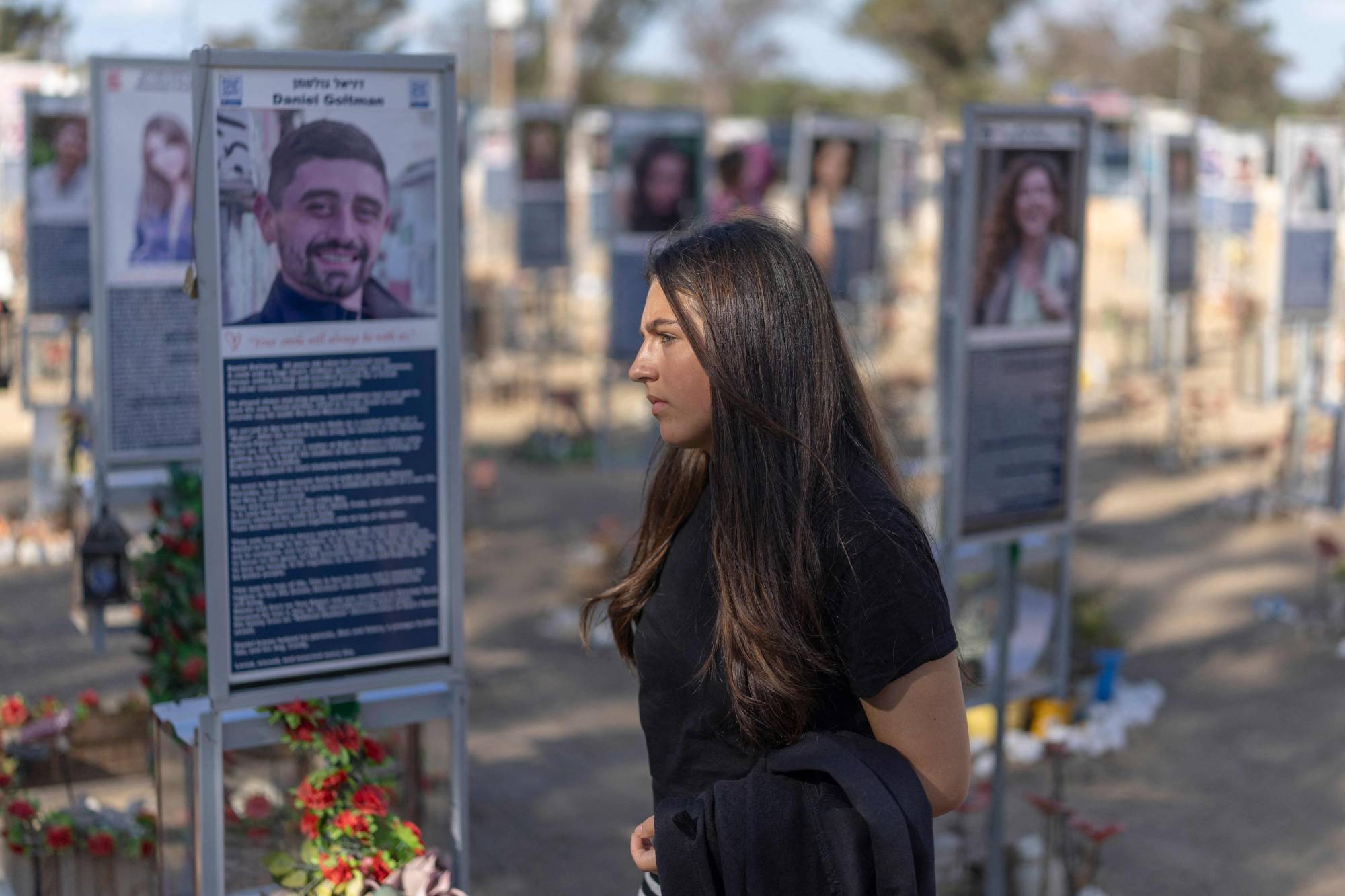
An Israeli woman pays her respects at the memorial to the victims of the 2023 Hamas attacks at the Nova festival site in Reim, southern Israel, on October 6, 2026. (AFP)
Has Hamas reviewed Sinwar's decision?
Three years after Oct. 7, three Hamas sources inside Gaza and a fourth outside the territory said: “There have been no reviews of what happened, and none of the leaders has criticized it. Although many knew nothing, or had varying degrees of knowledge, they have not changed their positions.”
But a fifth source outside Gaza said: “Support within Hamas exists only at the official level. Some criticism was occasionally voiced in private meetings among leaders at different levels. But it concerned certain aspects, as happened with negotiations and other matters, rather than the substance of the attack itself. There were differing views over its broad scope and the failure to properly anticipate Israel's response.”
The latter source, who lives outside Gaza, said: “Despite the destruction, Palestinians gained considerable international support and exposed Israel's true nature and criminality. This increased solidarity with Palestine and brought its cause back into focus around the world.”
Mustafa Ibrahim, a Palestinian political analyst based in Gaza, said: “Public criticism of Sinwar and anger over the decision he took without properly studying it continue, compounded by what residents of the territory endured and the loss of their homes and possessions.”
“Palestinians and others outside Gaza may support what Sinwar did simply because they did not experience the same destruction, killing, displacement and other conditions,” he added.
How Oct. 7 Attack Led Abbas to Reshape the Palestinian Authorityhttps://english.aawsat.com/features/5326789-how-oct-7-attack-led-abbas-reshape-palestinian-authority
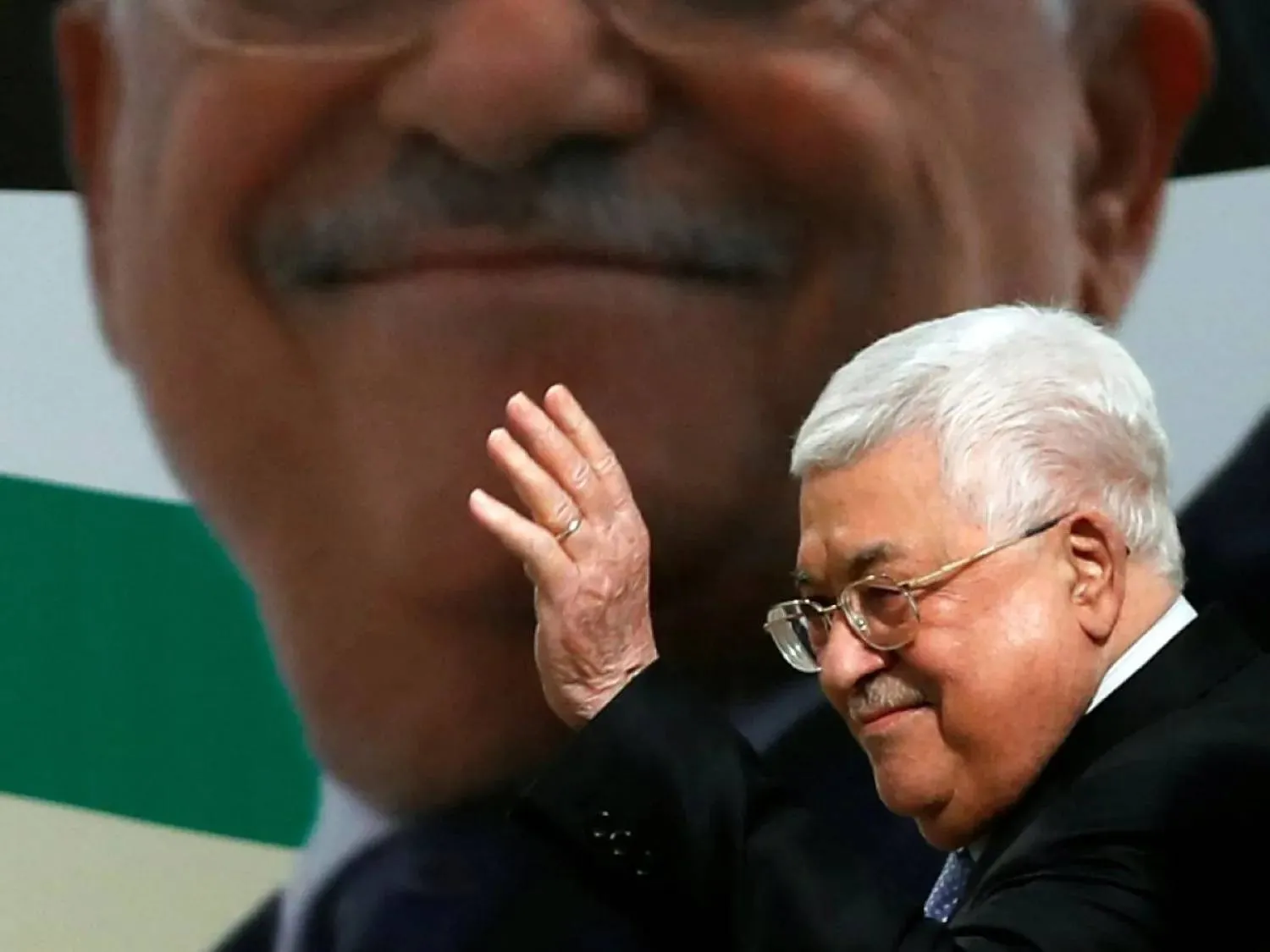
Palestinian President Mahmoud Abbas waves during a ceremony marking the 55th anniversary of Fatah's founding in Ramallah in the West Bank in 2019. (Reuters)
How Oct. 7 Attack Led Abbas to Reshape the Palestinian Authority
Palestinian President Mahmoud Abbas waves during a ceremony marking the 55th anniversary of Fatah's founding in Ramallah in the West Bank in 2019. (Reuters)
Soon after becoming Palestinian Authority president in 2005, Mahmoud Abbas met Fatah cadres in Bethlehem. They had accused a particular official of corruption over his support for Israeli projects. Abbas asked for any evidence so he could hold the official to account at once.
His message was clear: he had come to reform the authority, which he too had accused of corruption as prime minister. And he had his own way of doing it.
Over the years, Abbas repeated that pledge to leaders near and far, to the Fatah movement he leads, to other factions, to the international community and to local civil society groups. He set up an anti-corruption commission, but there were no clear results on the ground.
Reform was underway, without doubt. But it was long, slow, difficult and complicated, like everything else in the Palestinian territories. Then came Oct. 7, 2023, after 18 years of Abbas's rule. Everything changed.
Palestinians walk along a street surrounded by buildings destroyed in Israeli military strikes during the Israel-Hamas war in Gaza City, Tuesday, Oct. 6, 2026. (AP)
Reform as the price of survival
Abbas had spoken of reform thousands of times and promised it thousands more. After Oct. 7, he faced a different demand for the first time: sweeping, difficult reforms as the price of survival.
"They asked for a lot of reforms," a senior Palestinian official told Asharq Al-Awsat. "After the war in the Gaza Strip, they used that label — reforms — to include demands that had nothing to do with real reform ... cutting salaries and changing curricula. They also demanded presidential and legislative elections. All of this was a condition for engaging with the authority and supporting it ... and we said ‘yes’."
"We have a thousand objections to US President Donald Trump's plan for the Gaza Strip, and we said ‘yes’. We have a thousand objections to the reform plan linked to it, and we said ‘yes’," he added.
"They treat us as if we are the only country that needs reforms. And we accepted. We went ahead because we want to stop the war, remove the pretexts and launch a political process. This was not a situation we chose. But we agreed and moved forward. Will they now move forward and fulfill their obligations?"
Abbas needed little pressure. He understood the implications of Oct. 7 and soon launched sweeping reforms that began to reshape the entire Palestinian Authority.
After the war, everyone disagreed on everything except one thing: the authority had to be reformed.
A source familiar with the matter said Abbas began making major changes early, seeking to present the Palestinian Authority as a new administration and a credible political partner in a changing region.
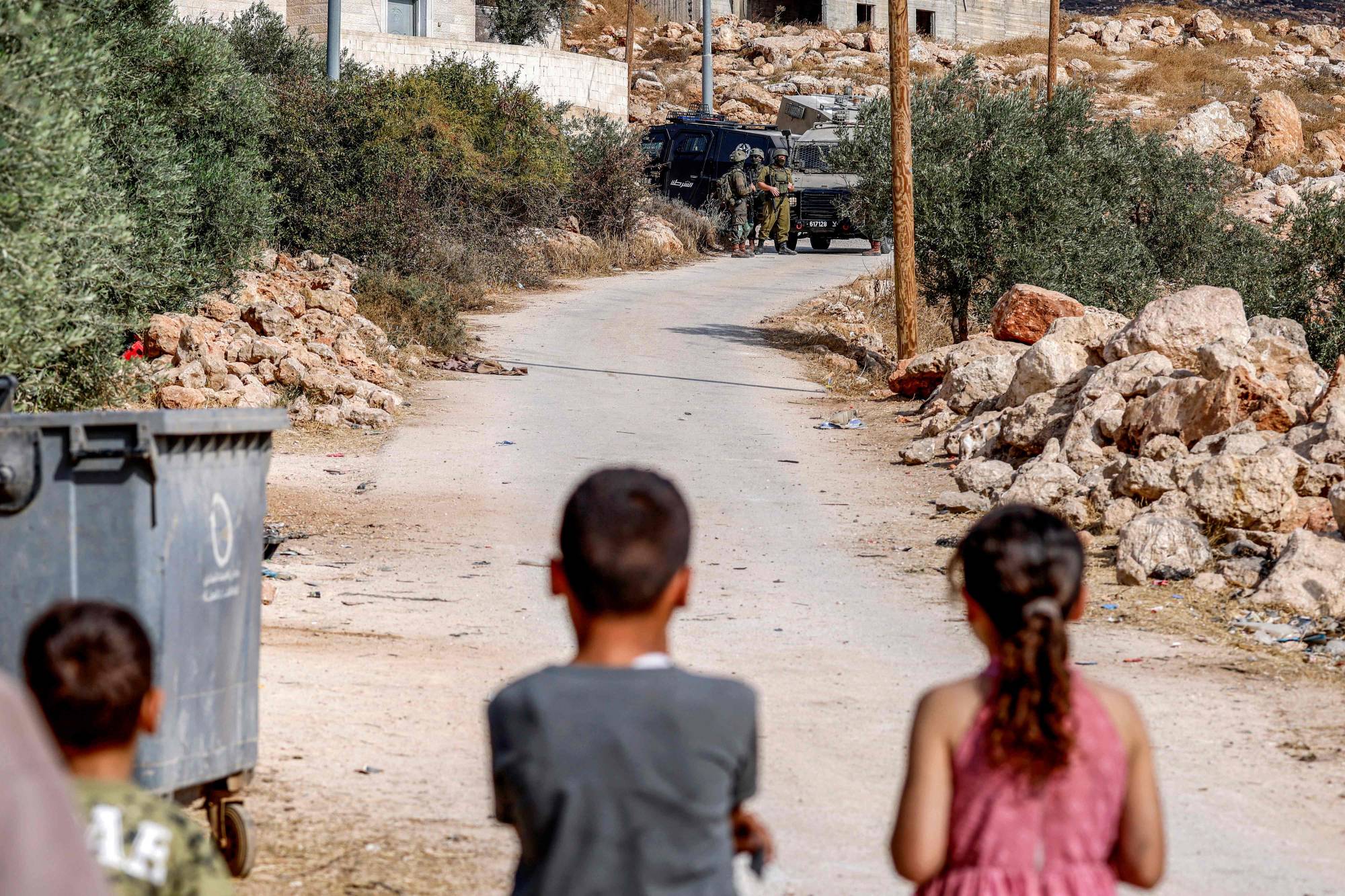
Children watch as Israeli security forces deploy nearby in the Palestinian village of al-Mughayyir, near Ramallah in the Israeli-occupied West Bank, on September 29, 2026. (AFP)
Securing a role after the war
The question of the day after the war loomed large. According to the source, everyone told Abbas that without reform and change, he would have no role as a partner or participant in anything. No authority. No Gaza. No future state.
That was precisely what Israeli Prime Minister Benjamin Netanyahu wanted. After Oct. 7, he sought to get rid of Abbas, the PA and Oslo Accords.
Abbas understood this from more than his conversations with others. Netanyahu's war against the PA and in the West Bank, followed by his declaration that the Oslo Accords were "Israel's big mistake," confirmed it. Since Oct. 7, 2023, Israel has effectively treated the PA as if it did not exist.
Israel escalated its operations in the West Bank. The army attacked cities, refugee camps and towns, permanently occupying some. It killed Palestinians in airstrikes, made arrests and destroyed infrastructure. Settlers were given free rein to kill, attack and seize vast areas by force.
Israel then withheld funds from the PA and amended laws on control, governance and jurisdiction in several areas in the heart of the West Bank. The aim was to eliminate its role and reshape control of the territory.
The PA was at its lowest point. Its very survival was at stake. Abbas had few choices: fight Israel, dissolve the authority or respond to the world and his allies.
A makeshift tent camp for displaced Palestinians who lost their homes during the Israel-Hamas war stretches across Gaza City, Tuesday, Oct. 6, 2026. (AP)
From 'authority' to 'state'
War was off the agenda. The PA was not considering dissolving itself. Abbas set about changing what he could. In February 2024, just four months after the war began, he accepted the resignation of Mohammad Shtayyeh's government. He later formed a government headed by Mohammad Mustafa.
It immediately pledged institutional reform, a fight against corruption, greater transparency and accountability, and reforms of the judiciary, public finances and security. It also promised to unify institutions in the West Bank and Gaza Strip.
That was Abbas's first step toward reform. It soon grew into a broader transformation of the PA.
He issued a decree reconstituting the Central Elections Commission, then a constitutional declaration governing the transfer of the PA presidency if the post became vacant.
Next came a decree-law restructuring social assistance, including ending salary payments to Palestinian prisoners and fighters. He then created the posts of deputy chairman of the Palestine Liberation Organization's Executive Committee and vice president of the State of Palestine.
He formed a committee to draft an interim constitution for the transition from "authority" to "state."
A new constitutional declaration followed. It stipulated that, if the PA presidency became vacant, the deputy chairman of the PLO Executive Committee, who also serves as vice president of the State of Palestine, would temporarily assume presidential duties.
Abbas then initiated local elections in the West Bank and Gaza, called for Palestinian National Council elections and set legislative elections for Nov. 28. Presidential elections were scheduled for the first quarter of 2027.
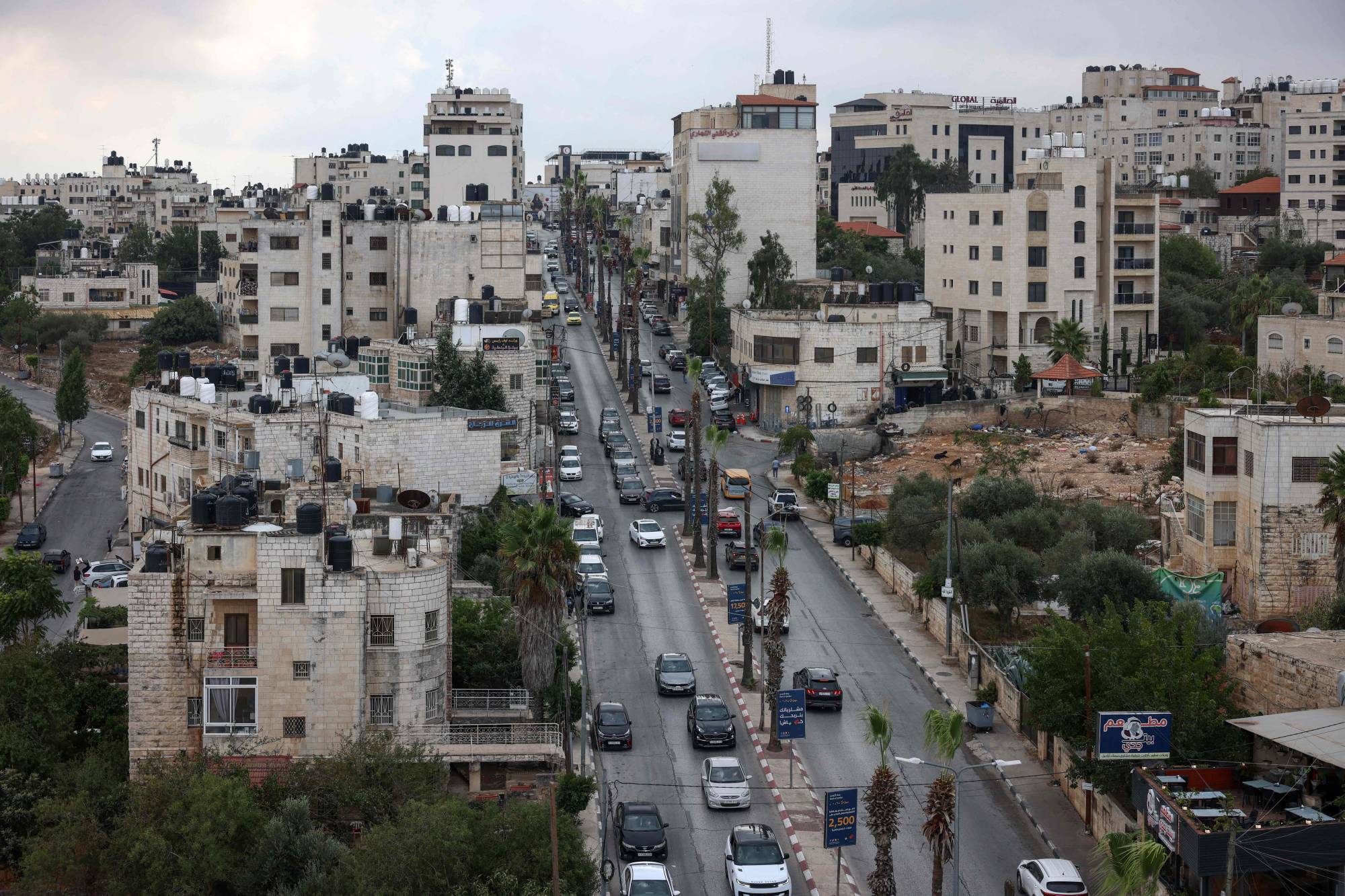
A general view shows the Palestinian city of Ramallah in the Israeli-occupied West Bank on September 28, 2026. (AFP)
Fatah elections and sweeping change
Fatah's elections were part of the wider push for change. One of the most significant steps came last year, when Abbas elevated Hussein al-Sheikh to vice president of the State of Palestine and deputy chairman of the PLO Executive Committee.
This year, he also elevated Sheikh to Fatah's deputy leadership after the movement held its eighth congress and elected a new Central Committee.
His rise to all these posts in just two years established Sheikh as a potential successor to Abbas. He is acceptable to the Americans, who contact him regularly. He is also very close to influential Arab officials and leaders and has channels of communication with Israeli officials.
His rise followed major changes within the PA. The heads of almost all its security agencies were replaced, and hundreds of officers holding the rank of brigadier general were retired by presidential decree.
Work is also underway to change Palestinian school curricula.
"Abbas wanted to put the internal house in order while responding to demands for reform," a source familiar with the matter said. "To put the PA's affairs in order and ensure a peaceful, smooth transition. That serves everyone — those at home first, then others.”
If Abbas follows through and holds legislative and presidential elections, he will have kept his promises on democratic renewal and reform. But whether the elections will be held or postponed remains unclear.
Sources said any postponement would be agreed through consultations with the Arab group.
"It would not be an open-ended postponement, but one tied to another specific date," the sources told Asharq Al-Awsat.
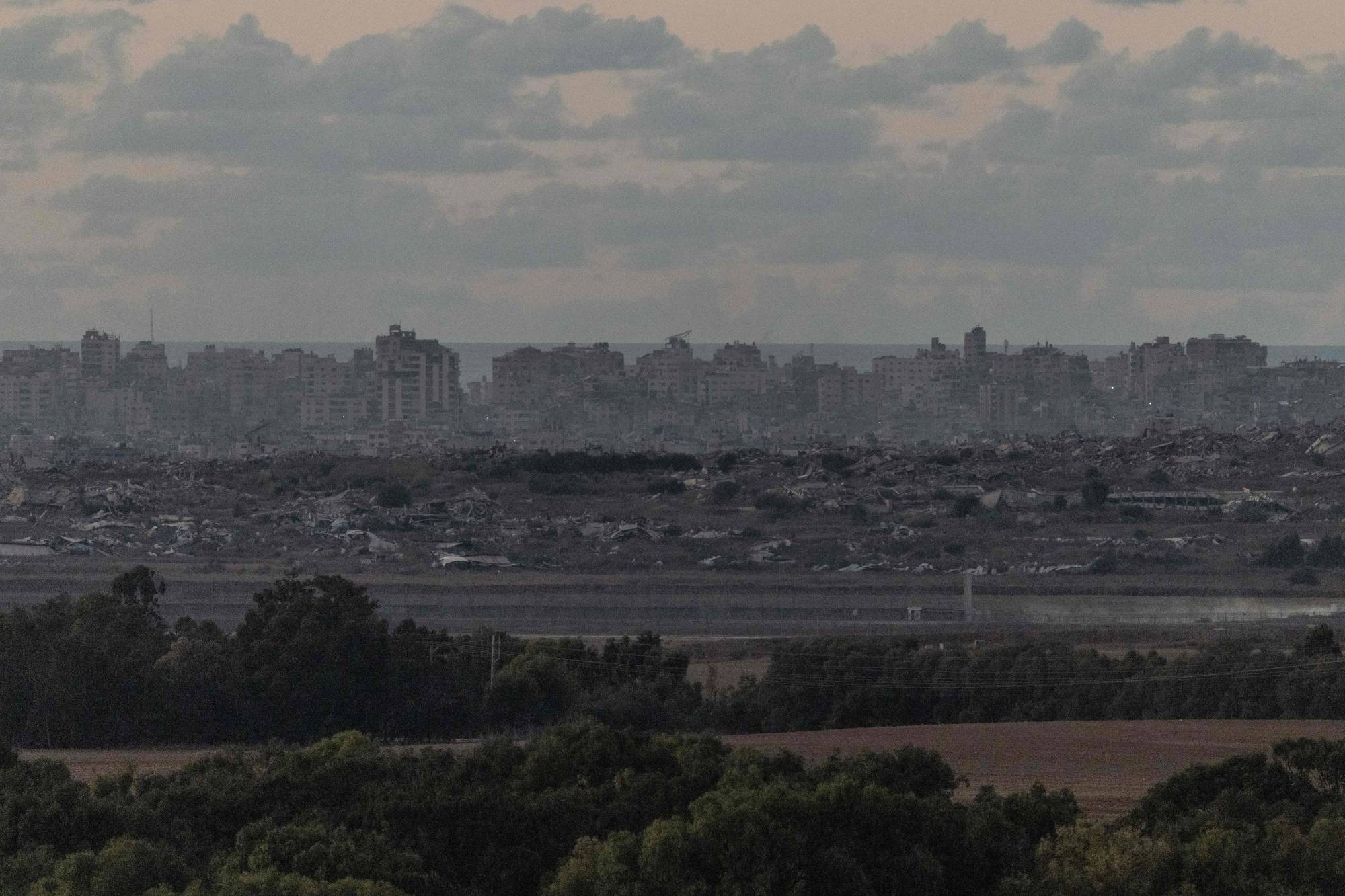
A photograph taken from the Israeli kibbutz of Nahal Oz shows part of the northern Gaza Strip on October 6, 2026. (AFP)
‘We kept our promises. What about you?’
Whatever happens with the elections, the PA is trying to make its case: it has met every demand for political and financial reform and the transfer of power, down to salaries and curricula. What more is required?
In a recorded address to the United Nations last month, after the Americans barred him from entering their country, Abbas told the world: “We completed the national reform program to which we had committed before our people and the international community. We strengthened institutional governance, public financial management, transparency, accountability, anti-corruption measures, and the rule of law.”
“We established a unified needs-based national system for social protection and social welfare, abolished the previous laws and regulations on this matter, and obtained an independent international audit confirming the validity of our measures,” he added.
“We also continue to reform the education system and develop criteria and curricula in accordance with international standards and in cooperation with UNESCO in a manner that promotes the values of peace, tolerance, and respect for others while preserving our national identity and the rights of our people,” he said. “We also proceeded along the path of democratic revival and the empowerment of women and youth.”
“We have held local council elections and elections for the General Union of Palestinian Students. We are headed towards our legislative elections on November 28. And this will be followed by the completion of the renewal of the institutions of the Palestinian National Council, followed by the Palestinian presidential elections.”
It was as if Abbas were saying: “I have done everything you asked. Will you now give me something I am asking for?”
One Year On, Trump's Gaza Plan Has Not Stopped Israeli Fire or Disarmed Hamashttps://english.aawsat.com/features/5326533-one-year-trumps-gaza-plan-has-not-stopped-israeli-fire-or-disarmed-hamas
TOPSHOT - A Palestinian man cleans the roof of a building at the Jabalia refugee camp in the northern Gaza Strip on October 5, 2026. (Photo by Bashar Taleb / AFP)
One Year On, Trump's Gaza Plan Has Not Stopped Israeli Fire or Disarmed Hamas
TOPSHOT - A Palestinian man cleans the roof of a building at the Jabalia refugee camp in the northern Gaza Strip on October 5, 2026. (Photo by Bashar Taleb / AFP)
US President Donald Trump’s year-old plan to end the Gaza war has stalled, with Israel mounting near daily attacks and occupying around two-thirds of the shattered enclave where Palestinians face dire conditions.
The initial phase resulted in a ceasefire on October 10, 2025 and secured the release of the last remaining hostages seized in Hamas’ 2023 attacks on Israel, along with freedom for hundreds of Palestinian prisoners and detainees held by Israel, Reuters said.
But other goals, including disarming Hamas, securing Israeli withdrawal and rebuilding Gaza, appear far from reach.
WHAT WAS IN THE PLAN?
The first phase of Trump’s 20-point plan included a suspension of all military operations, Israeli withdrawal from part of the enclave, hostage and prisoner releases and a surge in aid.
Later phases foresaw Hamas disarming and new governance by a Palestinian body overseen by the Trump-led Board of Peace. Israel would gradually withdraw, handing territory to a temporary International Stabilization Force (ISF).
“Gaza will be redeveloped for the benefit of the people of Gaza, who have suffered more than enough,” the plan said.
HAS THE CEASEFIRE HELD?
There has been no return to full-scale military operations, but Israeli strikes have continued. Gaza's health ministry says at least 1,400 Palestinians have been killed since the October ceasefire, many of them women and children, although it does not disclose militant casualties.
Israel says its strikes have targeted Hamas, accusing the group of trying to carry out attacks and rearm. Hamas denies this.
Five Israeli soldiers have been killed by Palestinian militants or in combat since the ceasefire, according to the Israeli military.
HOW MUCH OF GAZA DOES ISRAEL OCCUPY TODAY?
Most of it.
The initial phase of Trump’s plan foresaw Israel withdrawing to a so-called “yellow line” that left Israeli troops in control of 53% of Gaza. Since then, the Israeli military has expanded its effective control to around two-thirds of the territory.
The advancing yellow line has uprooted more Palestinians, squeezing the population of 2 million into a shrinking coastal strip where they shelter in tents and damaged buildings.
Israel-backed Palestinian militias opposing Hamas use the Israeli-held zone to launch attacks into Hamas-controlled areas.
HAVE AID FLOWS IMPROVED?
Yes, but aid groups say it isn't enough.
Global hunger watchdog IPC says more than 1.2 million people still face acute hunger in Gaza despite a major scale-up of aid operations after the ceasefire.
In an August report, it cited data showing that an average of 227 trucks a day carried humanitarian and commercial supplies into Gaza from the ceasefire to the end of May - less than half the minimum 600 trucks stipulated in the Gaza plan.
COGAT, the Israeli military agency that controls access to Gaza, did not immediately respond to a request for comment on the figure cited in the IPC report.
Israel says around 600 trucks carrying humanitarian aid and commercial goods are entering each day, that Gaza is getting enough goods to meet needs, and that it is meeting its obligations.
Aid agencies say Israel is blocking essential items, including metal tent poles, engine oil and spare parts, from entering Gaza, on the grounds that Hamas could use them for military purposes.
IS HAMAS READY TO DISARM?
It has indicated so, but a plan unveiled in July to achieve this has also stalled.
Trump said Hamas and other Gaza militants had accepted a 15-point roadmap drawn up by the Board of Peace to give up their arms. Israeli forces would withdraw as Hamas disarmed. The ISF, working with a new Palestinian security force, would secure Gaza. Trump called it historic.
Hamas said it had agreed to hand over its weapons to be stored under the control of the US-backed Palestinian technocratic government. Though Hamas rejected the word ‘disarmament’, this marked a once-unimaginable position for the Iran-backed group.
But Israel, skeptical that Hamas will give up its arms, called the plan unacceptable and said it would not carry out any withdrawal until Hamas is fully disarmed.
HAS THE ISF BEEN FORMED?
Plans have taken shape but it has yet to be assembled. There is a commander - US Major General Jasper Jeffers - and Indonesia, Morocco, Kazakhstan, Albania, Kosovo, and Uganda have committed personnel.
Jeffers has said the long-term plan is for the ISF to use 20,000 troops and train 12,000 Palestinian police.
The technocratic Palestinian governing body, the National Committee for the Administration of Gaza, was appointed in January led by Ali Shaath, who formerly served as a deputy minister in the Ramallah-based Palestinian Authority. It has yet to enter Gaza.
WHAT ABOUT RECONSTRUCTION?
A year on, Palestinians are still scavenging in the rubble of wrecked buildings for materials to prop up tents and other shelters.
The Board of Peace unveiled a $2.45 billion plan in September to begin rebuilding Gaza.
That is a fraction of what is needed. The Board of Peace cited an EU and UN assessment released in April that estimated recovery and reconstruction needs at $71.4 billion over the next decade.
WHAT ARE ISRAELI POLITICIANS SAYING ABOUT GAZA’S FUTURE?
While the Trump plan promises to encourage people to stay in Gaza, Israeli right-wing politicians have stepped up calls for the mass removal of Palestinians through “voluntary emigration”.
Israeli Defense Minister Israel Katz said last month there was "no real solution for Gaza in the end without this migration".
Israel's defense ministry in 2025 established an office tasked with overseeing “voluntary emigration” from Gaza, after comments by Trump suggesting Gazans could be permanently displaced.
Trump later backed away from the idea, which faced strong resistance from Arab states and was widely rejected internationally. Israeli officials have said there are no plans to move Gaza's population out by force.
Israel will hold a general election on October 27, the country's first since the October 7, 2023, Hamas attack. Some leading opposition figures have spoken in support of Trump's plan. Polls show pro- and anti-Netanyahu parties in a tight race.
لم تشترك بعد
انشئ حساباً خاصاً بك لتحصل على أخبار مخصصة لك ولتتمتع بخاصية حفظ المقالات وتتلقى نشراتنا البريدية المتنوعة