
China's Rich Seek Bodyguards Schooled in Digital Dark Arts

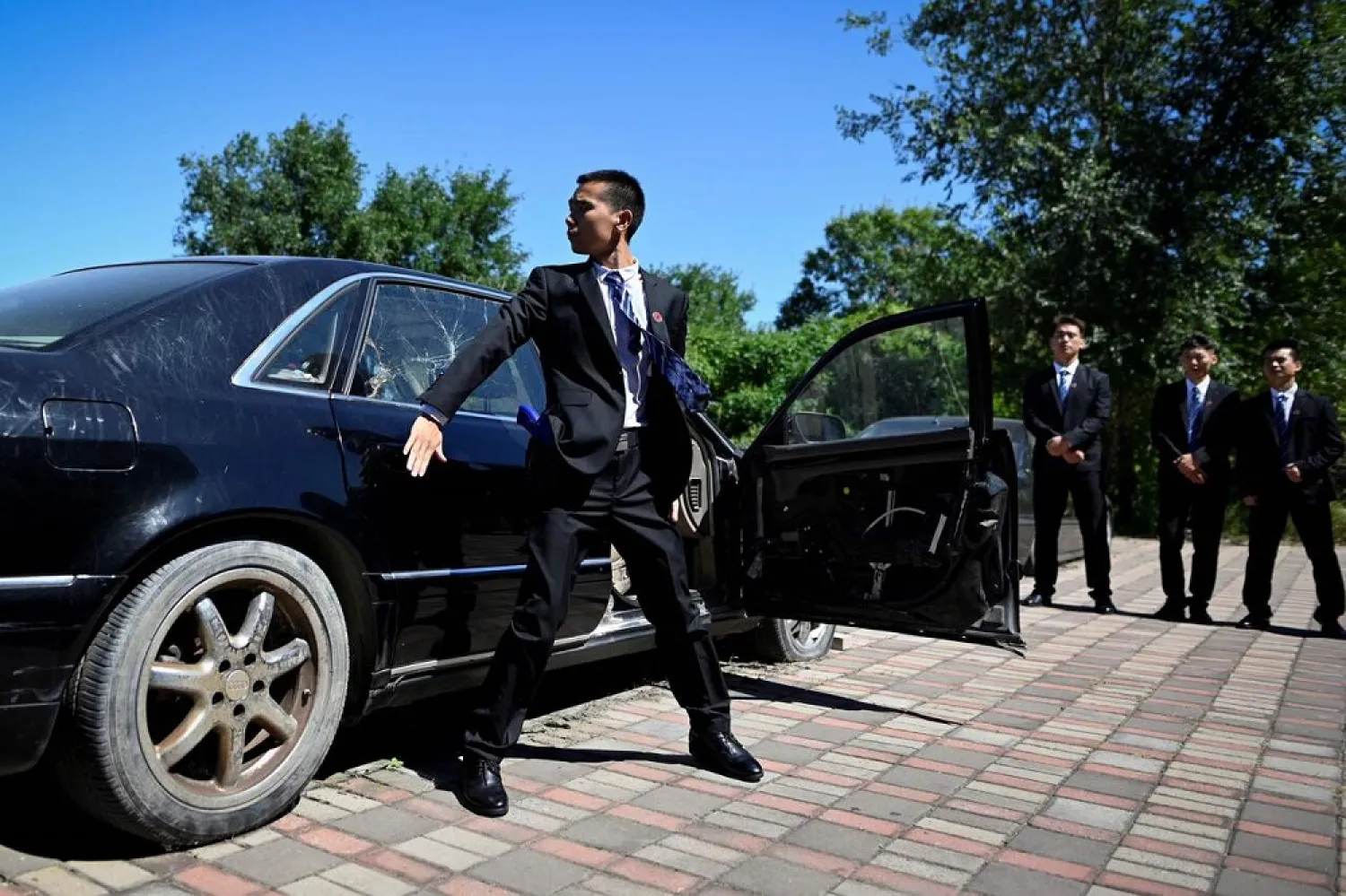
A group of trainees attending a training session at the Genghis Security Academy in Tianjin, China, on Sept 8, 2020. (AFP)
TT

China's Rich Seek Bodyguards Schooled in Digital Dark Arts

A group of trainees attending a training session at the Genghis Security Academy in Tianjin, China, on Sept 8, 2020. (AFP)

At the "Genghis Security Academy", which bills itself as China's only dedicated bodyguard school, students learn that the threats to the country's newly-rich in the tech age are more likely to emerge from a hacker than a gunman.

Each day students in matching black business suits toil from dawn until midnight at the school in the eastern city of Tianjin, where digital defenses are given equal pegging to the traditional close-protection skillset of combat, weapons training and high-speed driving.

Around a thousand graduate each year, hoping to land jobs as guards to China's burgeoning ranks of rich and famous, positions which can be worth up to $70,000 -- several times more than an annual office wage.

But the school says it can't meet demand as China's rapid growth mints millionaires -- 4.4 million according to a Credit Suisse 2019 report, more than in the US.

The course fees are up to $3,000 a student; and while they had to cancel training between February and June because of the coronavirus pandemic, it has not dampened demand.

Only the best make the cut, says founder Chen Yongqing, insisting his disciplinarian standards are stricter than in the army.

"I'm quick-tempered and very demanding," the army veteran from China's northern Inner Mongolia region told AFP.

"Only by being strict can we cultivate every good sword. If you don't forge it well, it will break itself."

About half of the students are ex-military, Chen says.

They train in rows in a large, shabby sports hall, holding blue plastic guns ahead of them with a steady stare -- before practicing hustling their clients safely into a black Audi with smashed windows.

Other sessions are held in a classroom or gym, where they box in matching red T-shirts.

Mobile phones are confiscated throughout, while meals are taken in silence in a large dining hall presided over by pictures of acclaimed graduates, who have protected everyone from China's second richest man Jack Ma to visiting French presidents.

"We have been defining the standard of Chinese bodyguards," instructor Ji Pengfei told AFP.

In one class, students in pairs work through a scenario protecting a "client" from an intruder.

"Danger!" shouts Ji, prompting the guard to quickly throw their "boss" behind them and pull out a gun in the same move.

Those who fail to do it in two seconds are assigned 50 push-ups.

The guns at the Tianjin school are fake -- China outlaws possession of firearms. For live firearms training, students are taken to Laos in Southeast Asia.

Wiping data, blocking hacks

But in a highly surveilled country with a low rate of street crime, the modern minder needs an up-to-date skillset, against state monitoring or professional hackers.

"Chinese bosses don't need you to fight," Chen tells his students of a client base which includes the country's biggest real estate and tech firms.

Repelling hacks on mobile phones, network security, spotting eavesdroppers and wiping data are all required tools in the bodyguard's armory.

"What would you do if the boss wants to destroy a video file immediately?" Chen asks a class.

Even so, old-school threats still exist in China -- earlier this year billionaire He Xiangjian, founder of Midea and one of the country's richest men, was kidnapped at his home.

According to Chinese media, He's son escaped by jumping into a river and was able to call the police, who said they arrested five suspects at the scene.

Student Zhu Peipei, a 33-year-old army veteran from northern Shanxi province, hopes becoming a bodyguard could offset his lack of professional skills or academic qualifications.

"And of course, it's cool," he added.

But the alumni of the Genghis Academy also provide humdrum services, like accompanying children of the rich and famous to school -- for a fee of 180,000 yuan ($26,000) a year.

That in itself is far more than the base salary in private companies of around 53,000 yuan.

Students must also navigate the quirks of their wealthy clients, says trainer Ji.

Some only trust bodyguards whose Chinese zodiac sign matches theirs, he explains -- while one, from a Fortune 500 company, only wanted to hire from his hometown.

Another demanded a prospective bodyguard tell him what books he liked to read -- he was hired after saying he liked military novels.

The best can command as much as 500,000 yuan a year inside China, but some set their sights on a posting overseas, potentially working with foreign clients.

"I want to work in the Philippines or Myanmar," one student said, requesting anonymity.

"Then I can carry a gun... it will be more challenging and I can earn more."


Benefit of Taking Magnesium Does Not Get Enough Attention

Nutrition experts recommended trying to get more of magnesium in our diet from food first (Harvard University)
TT

Benefit of Taking Magnesium Does Not Get Enough Attention

Nutrition experts recommended trying to get more of magnesium in our diet from food first (Harvard University)

Nutrition experts revealed that magnesium is often not given the same attention as other vitamins and minerals, although it plays a pivotal role in supporting the overall health of our body, especially improving blood sugar management and supporting neuro-psychological balance.

According to the US National Institutes of Health (NIH), magnesium is an abundant mineral in our body and it’s naturally present in many foods.

The mineral is required in more than 300 different reactions in our body, including those that regulate muscle and nerve function, blood sugar levels, and blood pressure.

“Magnesium plays a role in how our body handles sugar,” Scott Keatley, RD, co-owner of Keatley Medical Nutrition Therapy told Prevention magazine.

“It helps with the action of insulin, the hormone that controls blood sugar levels.” When you have enough magnesium in your body, insulin can work better and your body can manage blood sugar more effectively, Keatley said.

Also, stress can cause our body to use more magnesium than usual, which can limit our body’s ability to do other tasks with the nutrient, Keatley said.

“In addition, magnesium can help reduce the release of stress hormones like cortisol,” he said. “It’s like a natural chill pill that can help keep our body’s stress response in check.”

Magnesium helps regulate brain function and mood. It plays a role in releasing and using neurotransmitters, which are chemicals in our brain that affect our mood and emotions.

The mineral may help improve bone density and decrease fracture risk.
“Magnesium is stored in bones and is an important part of bone health,” said Deborah Cohen, DCN, an associate professor in the department of clinical and preventive nutrition sciences at Rutgers University School of Health Professions.

At baseline, magnesium can help to relax and widen your blood vessels, Keatley said. “This makes it easier for blood to flow and can help lower blood pressure,” he added. “It’s like making the highways wider so that traffic can move more smoothly.”

A 2025 review in hypertension found that magnesium seems to be beneficial for lowering blood pressure in people with high blood pressure and magnesium deficiency, but larger studies are needed.

There are a lot of foods that are high in magnesium. Nutrition experts recommended trying to get more of the nutrient in our diet from food first.

These are the most magnesium-rich foods, according to the NIH are: Pumpkin seeds, Chia seeds, almonds, spinach, cashews, peanuts, shredded wheat, soymilk, black beans, edamame, peanut butter, potato with skin, brown rice and plain yogurt.


SpaceX Prioritizes Lunar 'Self-growing City' over Mars Project

FILE - A SpaceX logo is displayed on a building, May 26, 2020, at the Kennedy Space Center in Cape Canaveral, Fla. (AP Photo/David J. Phillip, File)
TT

SpaceX Prioritizes Lunar 'Self-growing City' over Mars Project

FILE - A SpaceX logo is displayed on a building, May 26, 2020, at the Kennedy Space Center in Cape Canaveral, Fla. (AP Photo/David J. Phillip, File)

Elon Musk said on Sunday that SpaceX has shifted its focus to building a "self-growing city" on the moon, which could be achieved in less than 10 years.

SpaceX still intends to start on Musk's long-held ambition of a city on Mars within five to seven years, he wrote on his X social media platform, "but the overriding priority is securing the future of civilization and the Moon is faster."

Musk's comments echo a Wall Street Journal report on Friday, stating that SpaceX has told investors it would prioritize going to the moon and attempt a trip to Mars ⁠at a later time, targeting March 2027 for an uncrewed lunar landing.

As recently as last year, Musk said that he aimed to send an uncrewed mission to Mars by the end of 2026.

The US faces intense competition from China in the race to return humans to the moon this decade. Humans have not visited the lunar surface since the Apollo 17 mission in 1972. Less than a week ago, Musk announced that SpaceX ⁠acquired the artificial intelligence company he also leads, xAI, in a deal that values the rocket and satellite company at $1 trillion and the artificial intelligence outfit at $250 billion.

Proponents of the move view it as a way for SpaceX to bolster its plans for space-based data centers, which Musk sees as more energy efficient than terrestrial facilities as the demand for compute power soars with AI development.

SpaceX is hoping a public offering later this year could raise as much as $50 billion, which could make it the largest public offering in history.

On Monday, Musk said in response to a user on X that NASA will constitute less than 5% of SpaceX's revenue this year. SpaceX is ⁠a core contractor in NASA's Artemis moon program with a $4 billion contract to land astronauts on the lunar surface using Starship.

"Vast majority of SpaceX revenue is the commercial Starlink system," Musk added.

Earlier on Sunday, Musk shared the company's first Super Bowl ad, promoting its Starlink Wi-Fi service.

Even as Musk reorients SpaceX, he is also pushing his publicly traded company, Tesla, in a new direction.

After virtually building the global electric vehicles market, Tesla is now planning to spend $20 billion this year as part of an effort to pivot to autonomous driving and robots.

To speed up the shift, Musk said last month Tesla is ending production of two car models at its California factory to make room for manufacturing its Optimus humanoid robots.


Saudi Arabia Participates in Drafting the International AI Safety Report 2026

General view of Riyadh, Saudi Arabia. (SPA)
TT

Saudi Arabia Participates in Drafting the International AI Safety Report 2026

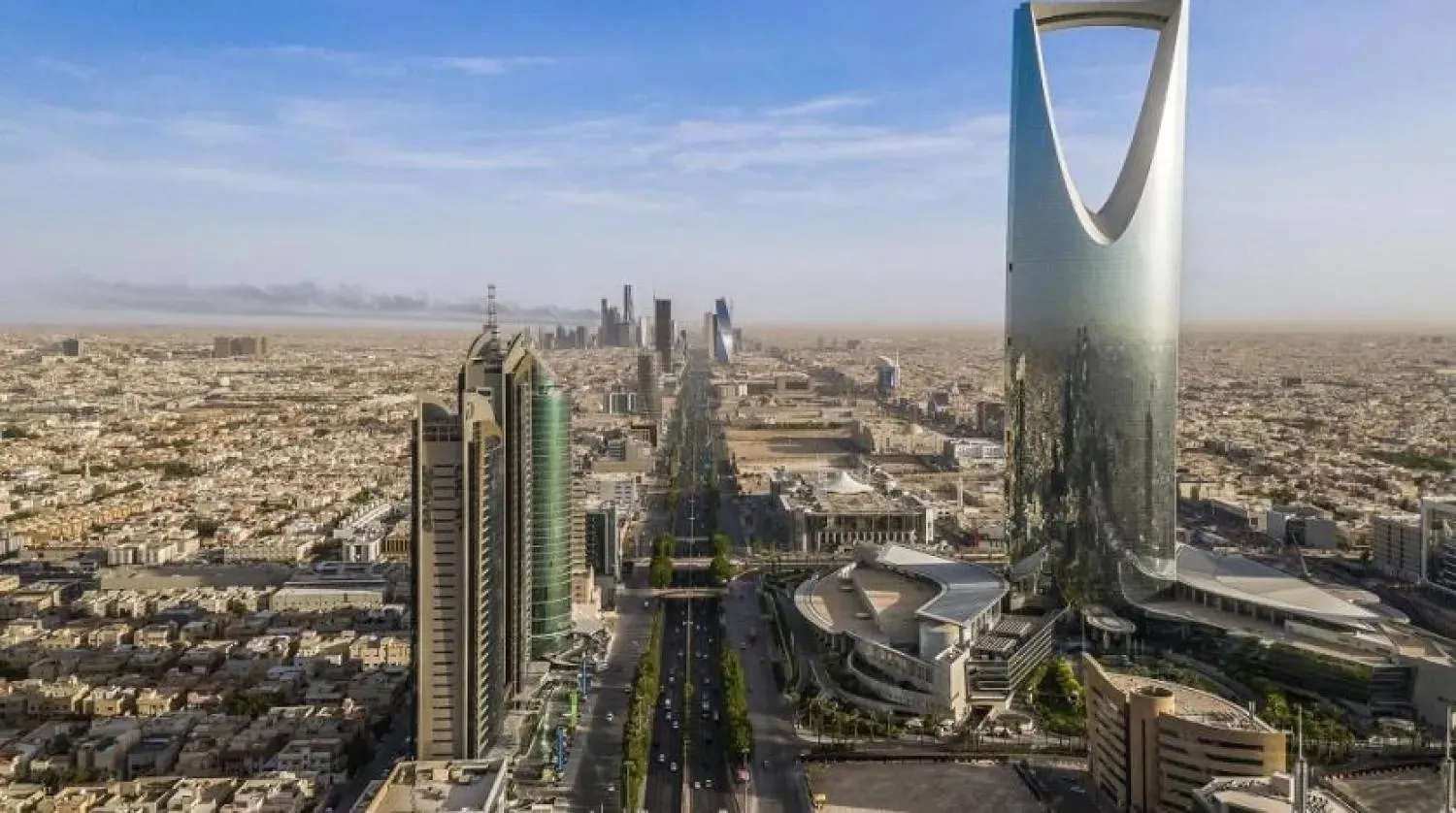
General view of Riyadh, Saudi Arabia. (SPA)

The Kingdom of Saudi Arabia, represented by the Saudi Data and Artificial Intelligence Authority (SDAIA), participated for the second consecutive year in the preparation of the International AI Safety Report 2026, reinforcing its international efforts to advance AI safety and support responsible innovation worldwide, the Saudi Press Agency said on Monday.

The report, emerging from the 2023 AI Safety Summit at Bletchley Park, provides a scientific assessment of advances in advanced AI systems, examines associated risks, and outlines practical approaches to strengthening safety standards and global governance, serving as a key reference for policymakers, regulators, and researchers.

The report is a comprehensive global document assessing AI risks and related challenges and serves as a trusted scientific reference to support regulatory policies and the development of governance frameworks for the safe and responsible use of advanced technologies.

The report was developed by a distinguished group of international scientists and experts in AI safety and technology governance, featuring specialists from prestigious universities and research centers, as well as representatives from over 30 countries and major international organizations, including the United Nations, the Organization for Economic Co-operation and Development, and the European Union.

The report highlights several key messages, notably the importance of keeping pace with the rapidly growing capabilities of AI through advanced regulatory and scientific frameworks, the need to invest in safety and technical compliance research to ensure systems remain under effective human oversight, and the promotion of international coordination to establish common standards supporting the safe and responsible use of advanced technologies.

It also emphasizes the need to consider economic and social dimensions to ensure the fair distribution of AI benefits and reduce inequality gaps.

Saudi Arabia’s participation in this international effort aligns with the objectives of Saudi Vision 2030, which aims to establish the Kingdom as a global hub for technological innovation while upholding the highest standards of responsibility and technical security.

It reflects the Kingdom’s commitment to actively shaping the global future of AI, promoting sustainable development, safeguarding community security, and enhancing international cooperation toward a safer, more stable technological future.