
Iraqi Mourners Hit Out at Government Over Insecurity

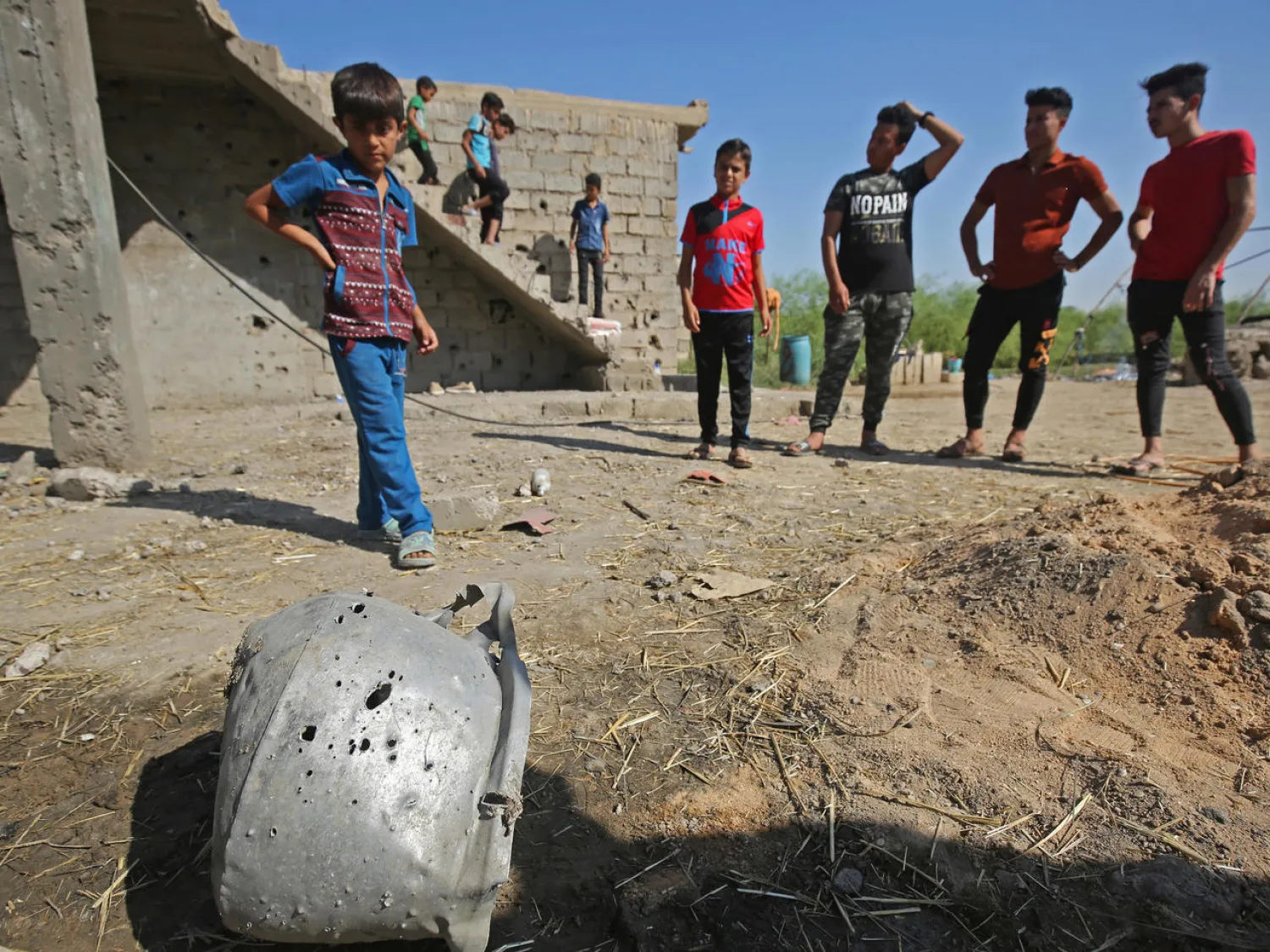
Iraqi youths look at a crater caused by a rocket that killed seven people on Monday night near Baghdad airport AHMAD AL-RUBAYE AFP
TT

Iraqi Mourners Hit Out at Government Over Insecurity

Iraqi youths look at a crater caused by a rocket that killed seven people on Monday night near Baghdad airport AHMAD AL-RUBAYE AFP

Mourners hit out at Iraq's government over insecurity Tuesday, during the funerals of five children and two women who were killed by a wayward rocket targeting US troops stationed at Baghdad airport.

Several among the hundreds of mourners in the village of Al-Bouchaabane, a few kilometres from Baghdad airport, told AFP that some of the children were killed by the rocket as they played in front of their home late on Monday.

"This village is like a microcosm of Iraq," one mourner said.

"If the government isn't capable of protecting us, how can it ensure the security of Iraq as a whole?"

The latest attack targeting US interests -- one of around 40 since early August, and many others stretching back months -- comes after Washington threatened to close its embassy and withdraw its remaining 3,000 troops from Iraq, unless the attacks cease.

The death toll -- up from an initial five, after two children died of their wounds in hospital -- place these armed factions in an uncomfortable position.

The public has become increasingly worn down by years of violence and armed groups holding the country to ransom.

Possibly anticipating a backlash, pro-Iran social media accounts that usually laud such rocket strikes were silent in the wake of this attack.

Several high-ranking officials attended the funerals in a bid to provide reassurance, but several among the hundreds of Iraqis surrounding the coffins told AFP that they feel permanently unsafe.

In front of the victims' small home, dozens of tribal chiefs received condolences close to the crater left by the rocket.

Shrapnel holes were visible in walls and blood on the ground.


EU Condemns Israel's West Bank Control Measures

The Israeli settlement of Har Homa, seen from the West Bank city of Bethlehem, Tuesday, Dec. 17, 2024. (AP)
TT

EU Condemns Israel's West Bank Control Measures

The Israeli settlement of Har Homa, seen from the West Bank city of Bethlehem, Tuesday, Dec. 17, 2024. (AP)

The European Union on Monday condemned new Israeli measures to tighten control of the West Bank and pave the way for more settlements in the occupied Palestinian territory, AFP reported.

"The European Union condemns recent decisions by Israel's security cabinet to expand Israeli control in the West Bank. This move is another step in the wrong direction," EU spokesman Anouar El Anouni told journalists.


Atrocities in Sudan's El-Fasher Were 'Preventable Human Rights Catastrophe'

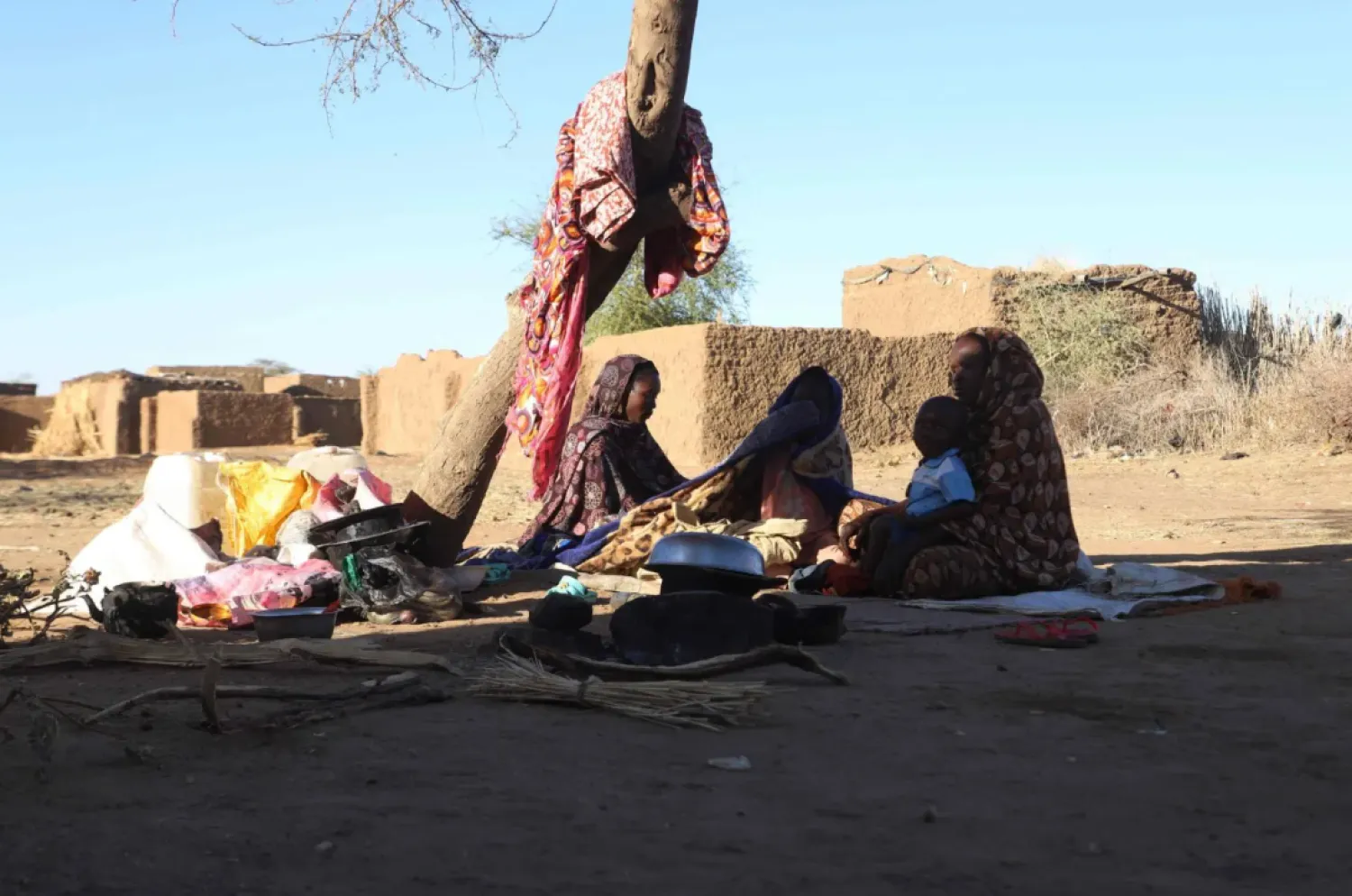
Sudanese displaced people who left El Fasher after its fall, sit in the shade in Tawila at the Rwanda camp reception point on December 17, 2025. (Photo by AFP)
TT

Atrocities in Sudan's El-Fasher Were 'Preventable Human Rights Catastrophe'

Sudanese displaced people who left El Fasher after its fall, sit in the shade in Tawila at the Rwanda camp reception point on December 17, 2025. (Photo by AFP)

The atrocities unleashed on El-Fasher in Sudan's Darfur region last October were a "preventable human rights catastrophe", the United Nations said Monday, warning they now risked being repeated in the neighbouring Kordofan region.


"My office sounded the alarm about the risk of mass atrocities in the besieged city of El-Fasher for more than a year ... but our warnings were ignored," UN rights chief Volker Turk told the Human Rights Council in Geneva.


He added that he was now "extremely concerned that these violations and abuses may be repeated in the Kordofan region".


Arab League Condemns Israel's Decisions to Alter Legal, Administrative Status of West Bank

A general view shows the opening session of the meeting of Arab foreign ministers at the Arab League Headquarters (Reuters)
TT

Arab League Condemns Israel's Decisions to Alter Legal, Administrative Status of West Bank

A general view shows the opening session of the meeting of Arab foreign ministers at the Arab League Headquarters (Reuters)

The General Secretariat of the Arab League strongly condemned decisions by Israeli occupation authorities to impose fundamental changes on the legal and administrative status of the occupied Palestinian territories, particularly in the West Bank, describing them as a dangerous escalation and a flagrant violation of international law, international legitimacy resolutions, and signed agreements, SPA reported.

In a statement, the Arab League said the measures include facilitating the confiscation of private Palestinian property and transferring planning and licensing authorities in the city of Hebron and the area surrounding the Ibrahimi Mosque to occupation authorities.

It warned of the serious repercussions of these actions on the rights of the Palestinian people and on Islamic and Christian holy sites.

The statement reaffirmed the Arab League’s firm support for the legitimate rights of the Palestinian people, foremost among them the establishment of their independent state on the June 4, 1967 borders, with East Jerusalem as its capital.