


Umrah Pilgrims to Isolate before Performing Rituals

Umrah pilgrims are seen in Makkah. (SPA)
TT

Umrah Pilgrims to Isolate before Performing Rituals

Umrah pilgrims are seen in Makkah. (SPA)

Saudi Deputy Minister of Hajj and Umrah Dr. Abdulfattah bin Sulaiman Mashat underscored the measures the Kingdom is taking to detect novel coronavirus cases among foreign Umrah pilgrims.

Saudi Arabia has been resuming the pilgrimage in stages since the beginning of October. The Kingdom has allowed citizens and residents to start performing Umrah as of Oct.4 at 30 percent capacity, or 6,000 pilgrims a day. It will open for Muslims from abroad starting Nov. 1. No virus cases have been reported among the pilgrims.

Mashat said the foreign pilgrims will go through a four-stage plan that tests for the virus from the moment they arrive on Saudi territories.

They will sit in medical isolation for three days before beginning the Umrah rituals, he added in remarks to Asharq Al-Awsat.

Ten percent of hotel rooms have been dedicated to the pilgrims in isolation and with suspected virus infections.

The pilgrims will be allowed to perform the Umrah in batches, he went on to say. Each batch will include 3,300 worshipers and only one batch will be allowed at a time at the Grand Mosque in the holy city of Makkah. Each batch will have three hours to perform the rituals.

All steps of the pilgrimage are being coordinated with the Ministry of Hajj and Umrah, Health Ministry, Ministry of Interior and The General Presidency for the affairs of the Grand Mosque and the Prophet's Mosque.

Mashat stressed that Saudi Arabia welcomes pilgrims from throughout the world, but the pandemic has forced authorities to implement strict screening processes. The number of pilgrims coming from any certain country depends on the extent of the virus outbreak in the country.

Saudi Arabia is adopting all necessary health measures and precautions as the pilgrims arrive in the Kingdom, he added.

Priority will be given to pilgrims who do not suffer from any chronic illnesses and everyone will have to take a PCR test before flying to the Kingdom.

Should a suspected infection be detected after a pilgrim arrives to the Kingdom, then he will be treated before leaving the country.

The ultimate goal, continued Mashat, is for the pilgrims to have a smooth and safe Umrah. The precautions that have been adopted ensure that the pilgrims are protected even before they arrive in Saudi Arabia.

Sponsors of the pilgrims in their home country are responsible for providing all necessary documentation and Saudi authorities are responsible for the worshiper when he arrives in the Kingdom. Once he passes a Health Ministry assessment, he is allowed to move on to the holy sites.

Mashat highlighted the importance of the Eatmarna dedicated app that the pilgrim must follow to even before he flies to the Kingdom.



Saudi Foreign Minister, Slovak Deputy Prime Minister Sign General Cooperation Agreement

The two sides signed a general cooperation agreement aimed at enhancing cooperation and mutual understanding across various fields - SPA
TT

Saudi Foreign Minister, Slovak Deputy Prime Minister Sign General Cooperation Agreement

The two sides signed a general cooperation agreement aimed at enhancing cooperation and mutual understanding across various fields - SPA

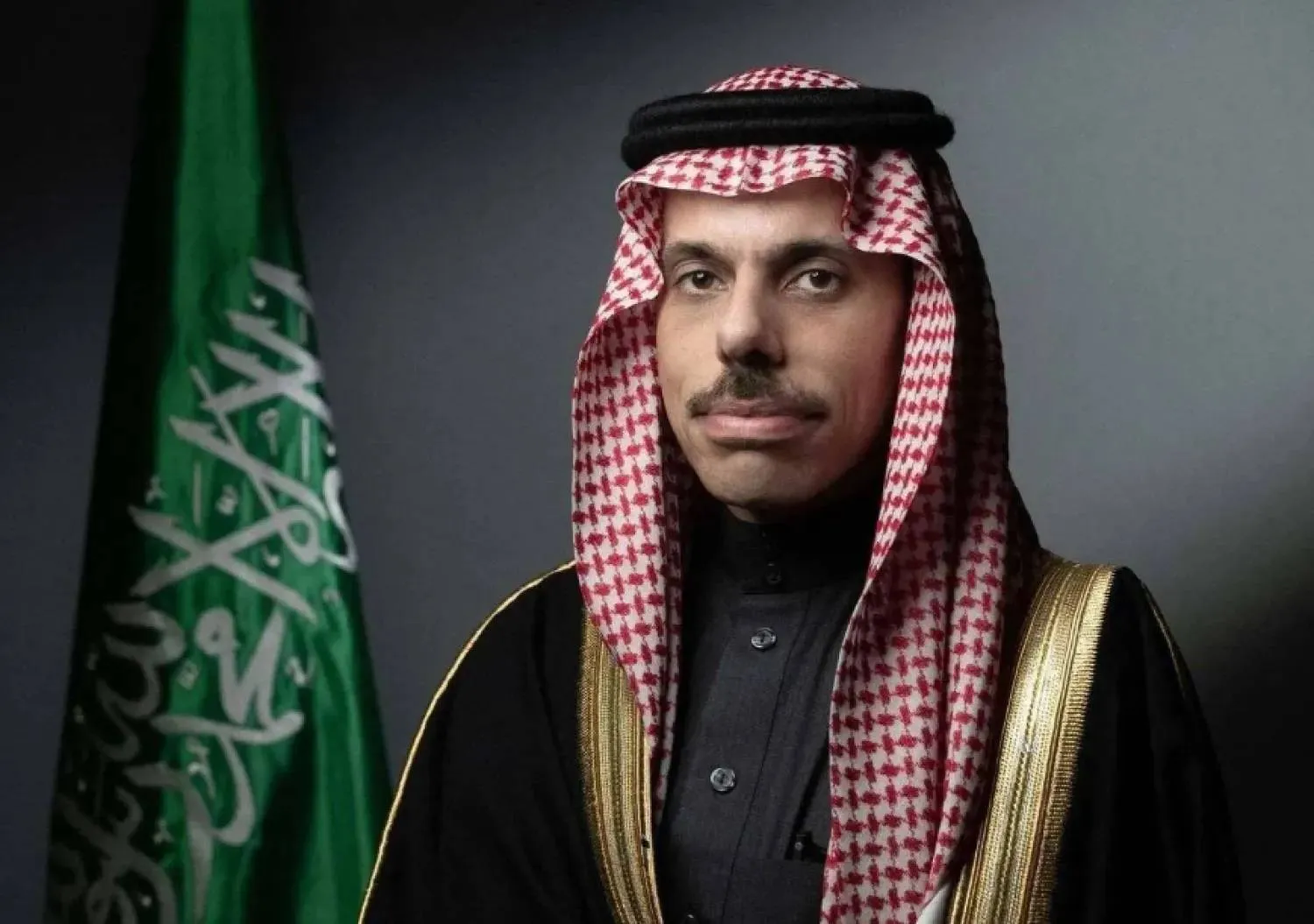
Saudi Minister of Foreign Affairs Prince Faisal bin Farhan bin Abdullah met in Riyadh Monday Deputy Prime Minister and Minister of Defense of the Slovak Republic Robert Kaliňák.

They reviewed ways to strengthen cooperation between the two countries in a manner that serves their mutual interests and discussed regional and international developments, SPA reported.

The two sides signed a general cooperation agreement between the Government of the Kingdom of Saudi Arabia and the Government of the Slovak Republic, aimed at enhancing cooperation and mutual understanding across various fields.


Khalid bin Salman Visits Saudi Interior Ministry Pavilion at World Defense Show

Prince Khalid was briefed on the ministry’s operational capabilities to enhance decision-making. SPA
TT

Khalid bin Salman Visits Saudi Interior Ministry Pavilion at World Defense Show

Prince Khalid was briefed on the ministry’s operational capabilities to enhance decision-making. SPA

Saudi Minister of Defense Prince Khalid bin Salman bin Abdulaziz visited the Ministry of Interior's pavilion at the World Defense Show, held in Riyadh.

Prince Khalid was briefed on the ministry’s operational capabilities to enhance decision-making, command and control, and predictive intelligence, all aimed at protecting residents across the Kingdom.

During his tour, he explored how the ministry is advancing proactive security and efficient emergency management through innovative technical solutions.

The tour also underscored the role of the unified security operations centers (911) in the national response system and the ministry's commitment to international partnerships in security and smart systems.


OIC Condemns Israeli Cabinet's Legalization of Settlements

 Israeli soldier points his weapon towards the camera, during a weekly settlers' tour in Hebron, in the Israeli-occupied West Bank, February 7, 2026. (Reuters)
Israeli soldier points his weapon towards the camera, during a weekly settlers' tour in Hebron, in the Israeli-occupied West Bank, February 7, 2026. (Reuters)
TT

OIC Condemns Israeli Cabinet's Legalization of Settlements

 Israeli soldier points his weapon towards the camera, during a weekly settlers' tour in Hebron, in the Israeli-occupied West Bank, February 7, 2026. (Reuters)
Israeli soldier points his weapon towards the camera, during a weekly settlers' tour in Hebron, in the Israeli-occupied West Bank, February 7, 2026. (Reuters)

The General Secretariat of the Organization of Islamic Cooperation (OIC) condemned on Monday the Israeli cabinet’s approval of measures that aim to deepen Israeli control over the occupied West Bank and weaken the already limited powers of the Palestinian Authority.

The OIC said Israel’s “colonial settlement policy constitutes a war crime and a flagrant violation of international law and relevant United Nations resolutions, foremost among which is Security Council Resolution 2334 and the legal opinion issued by the International Court of Justice.”

It renewed its call on the international community, particularly the Security Council, “to shoulder its responsibilities and take immediate action to put an end to all crimes and violations committed by Israel against the Palestinian people, their land, and their holy sites.”

The office of Israeli far-right Finance Minister Bezalel Smotrich in a statement announced the decisions that would make it easier for Jewish settlers to force Palestinians to give up land, adding that “we will continue to bury the idea of a Palestinian state.”

Palestinian President Mahmoud Abbas in a statement called the decision “dangerous” and an “open Israeli attempt to legalize settlement expansion” and land confiscation. He called for the United States and UN Security Council to intervene immediately.

The decision was announced a few days before Israeli Prime Minister Benjamin Netanyahu is expected to meet with US President Donald Trump in Washington about Iran and other matters.

The measures announced Sunday include canceling a prohibition on sales of West Bank land to Israeli Jews, declassifying West Bank land registry records to ease land acquisition, transferring construction planning at religious and other sensitive sites in the volatile city of Hebron to Israeli authorities, and allowing Israeli enforcement of environmental and archaeological matters in Palestinian-administered areas.

The measures also would revive a committee that would allow the state of Israel to make “proactive” land purchases in the territory — “a step intended to guarantee land reserves for settlement for generations to come.”